Zachodniopomorskie Voivodship is a seaside region renowned for its resorts and famous spa towns. The region features areas of outstanding natural beauty, including two national parks: Wolin and Drawa.
The Zachodniopomorskie Voivodship is one of the most attractive regions in Poland, situated on the Baltic Sea and distinguished by its natural wealth, historical landmarks, and well-developed tourist infrastructure. The region spans nearly 22,900 km² and has over 1.7 million inhabitants. Its capital, Szczecin, is an important cultural and economic centre, serving as a gateway to the northwestern part of the country and the neighbouring Germany. The Zachodniopomorskie Voivodship combines the scenic charm of its coastline with a rich history and numerous attractions, making it an excellent destination for tourists with diverse interests. This region is ideal for both those who enjoy relaxing by the sea and for visitors seeking active recreation or cultural experiences.
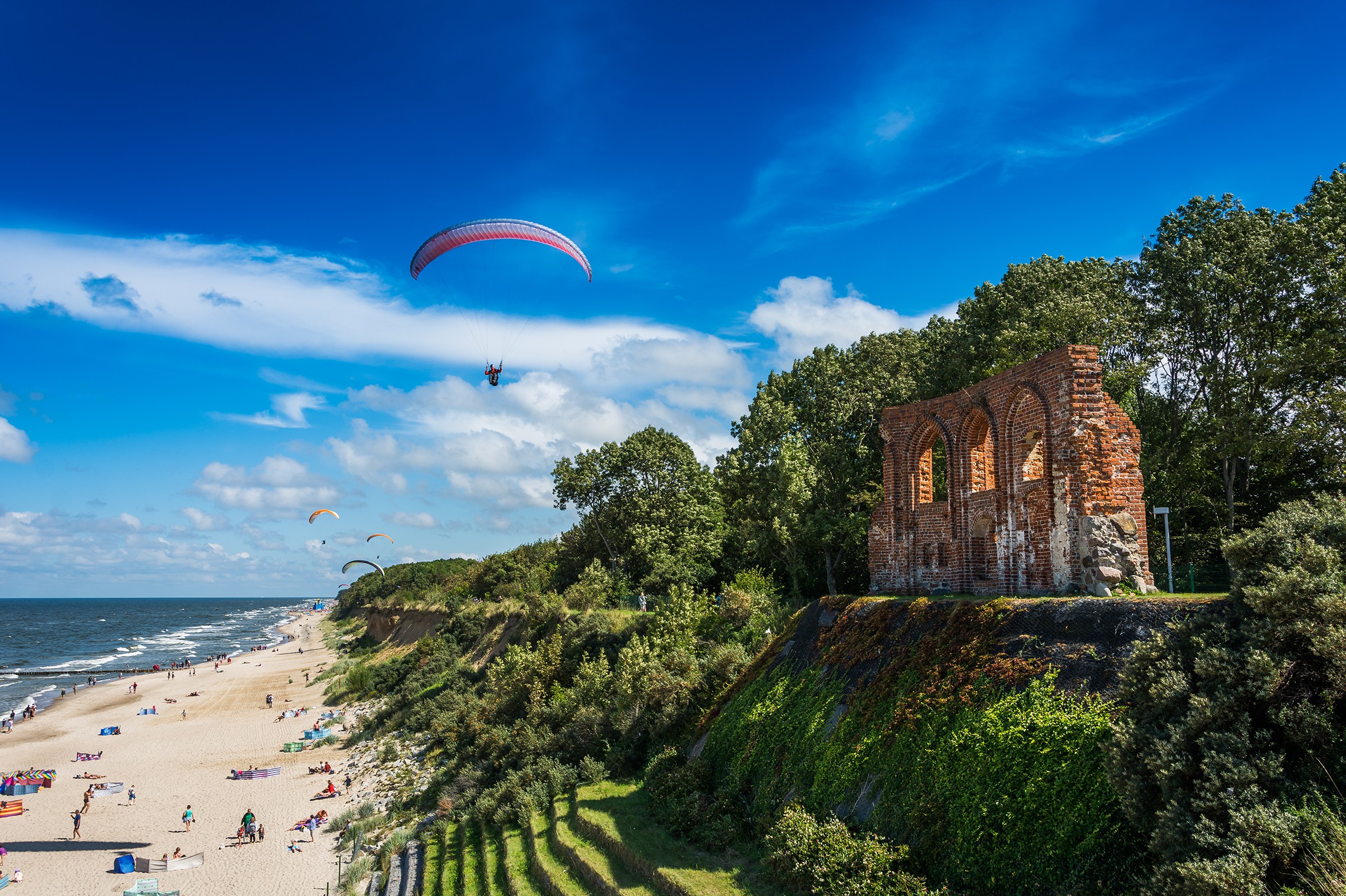
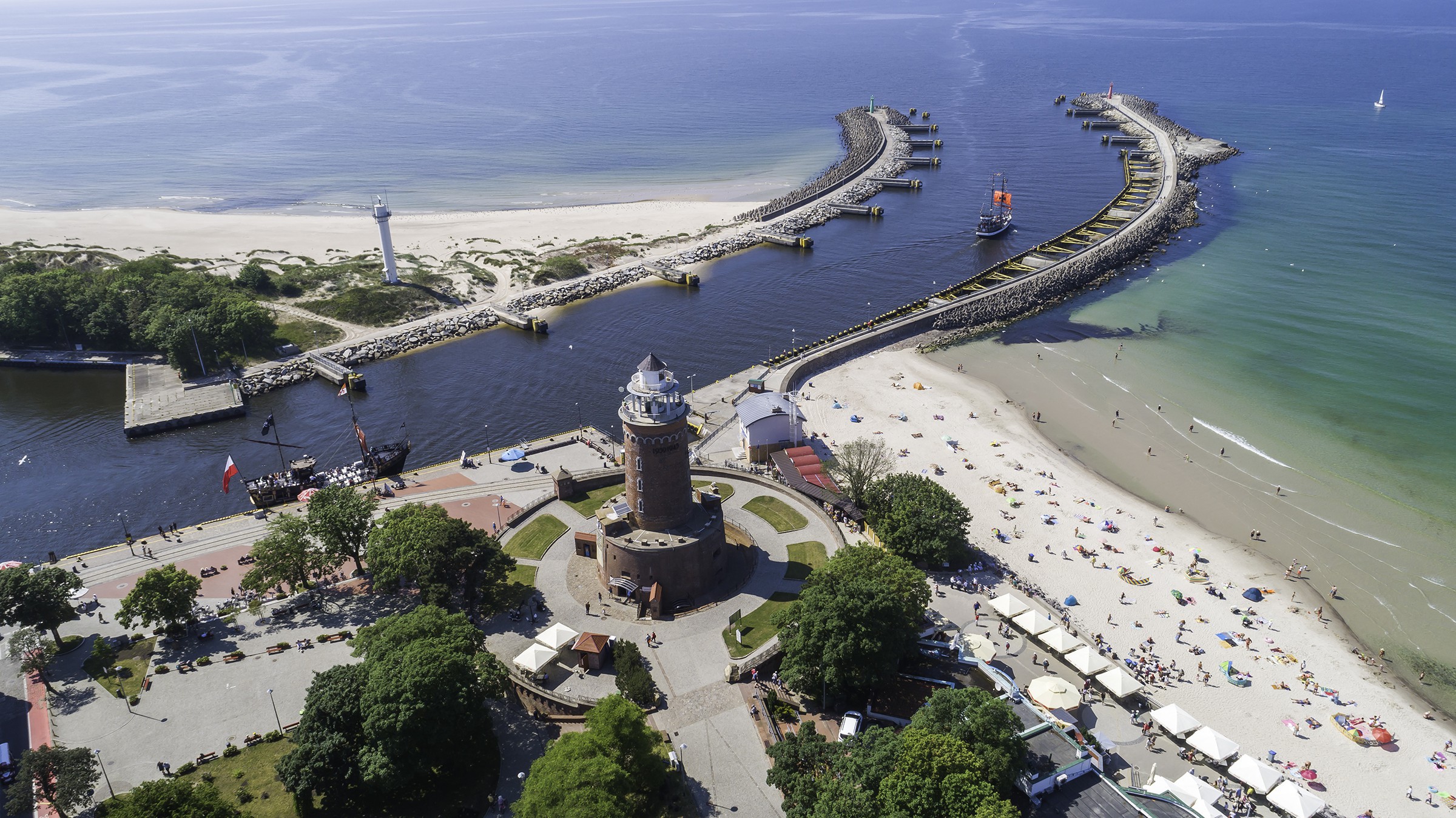
The region is renowned for its numerous sandy beaches and popular seaside resorts, including Kołobrzeg, Międzyzdroje, Świnoujście, and Dziwnów, which have long attracted crowds of visitors seeking fresh sea air and a wide range of spa services. The presence of two national parks – Wolin National Park, with its unique cliffs and rich wildlife, and Drawa National Park, encompassing vast forests and picturesque rivers – highlights the region’s ecological potential, encouraging active tourism such as kayaking, hiking, cycling, and birdwatching. Numerous nature reserves and protected landscape areas further enhance West Pomerania’s appeal, aligning it with the global trend toward sustainable tourism and an environmentally conscious approach to nature conservation.
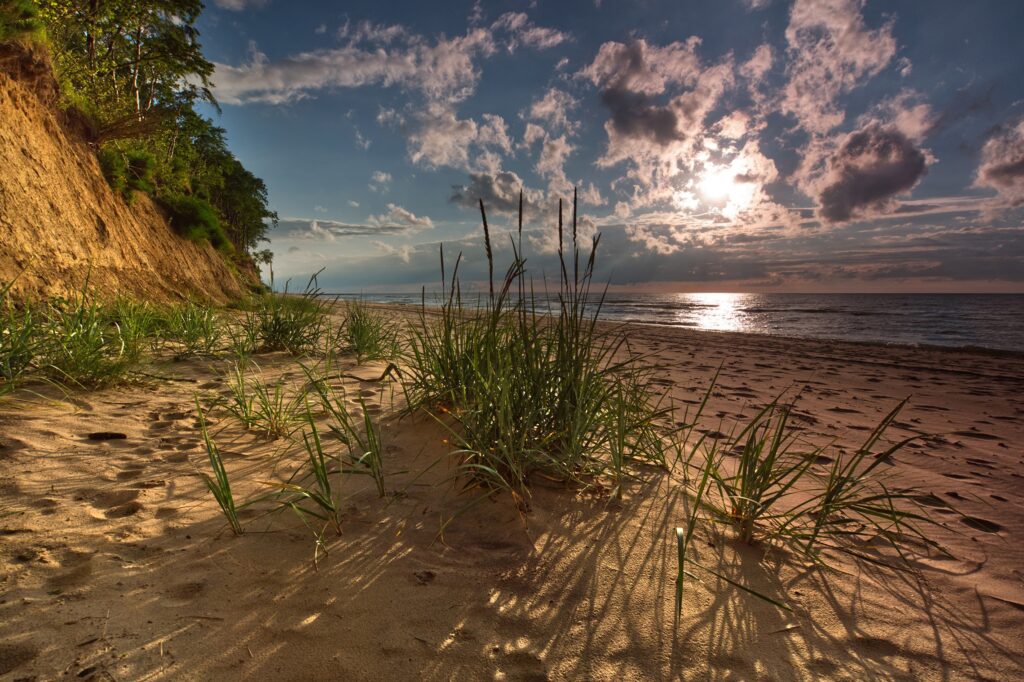
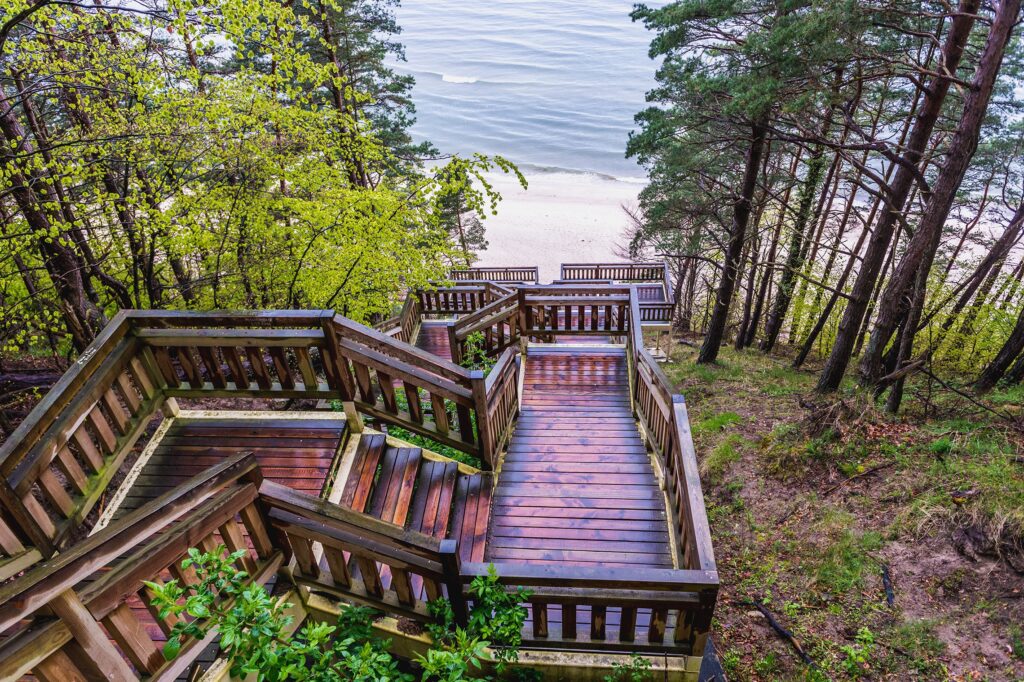
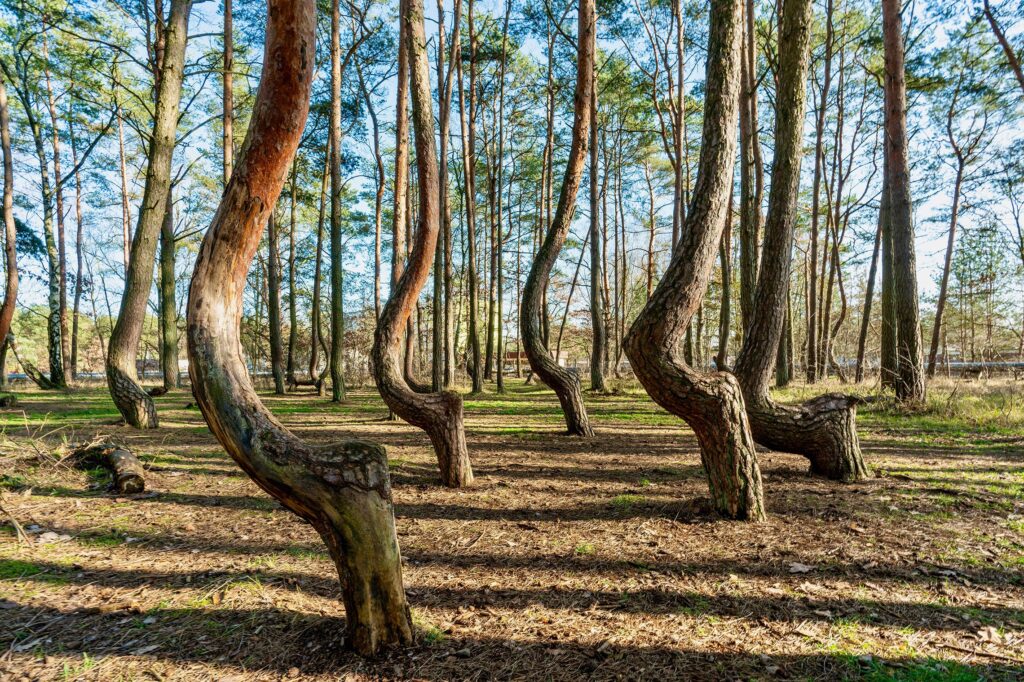
The voivodship also boasts a rich historical and cultural offer. Szczecin, with its impressive Philharmonic Hall, historic townhouses, and seaport, as well as Stargard, with its Gothic churches and well-preserved defensive walls, are ideal places to explore the heritage of West Pomerania. Unique attractions on a national scale – such as the Slavs and Vikings Centre in Wolin, where festivals bring early medieval history and culture to life, or the Pomeranian Wall Bunker Trail with its military remnants from World War II – add extra value for visitors seeking not only relaxation but also inspiring educational experiences. Combined with extraordinary natural phenomena such as the Crooked Forest or the largest yew cluster in Poland, the region offers remarkable opportunities for thematic and sightseeing tourism.
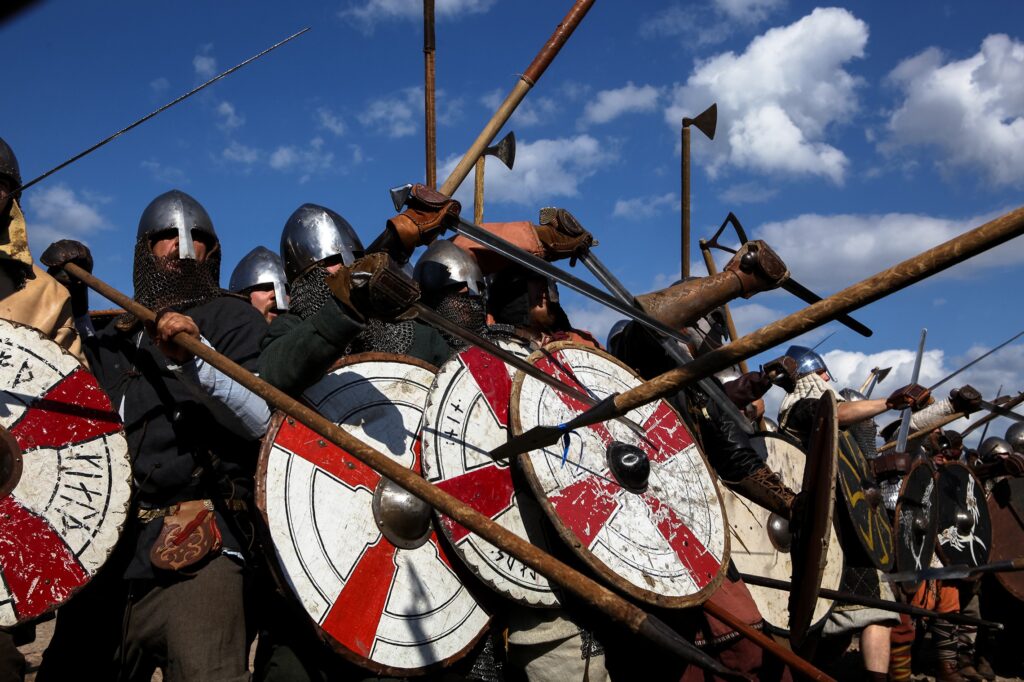
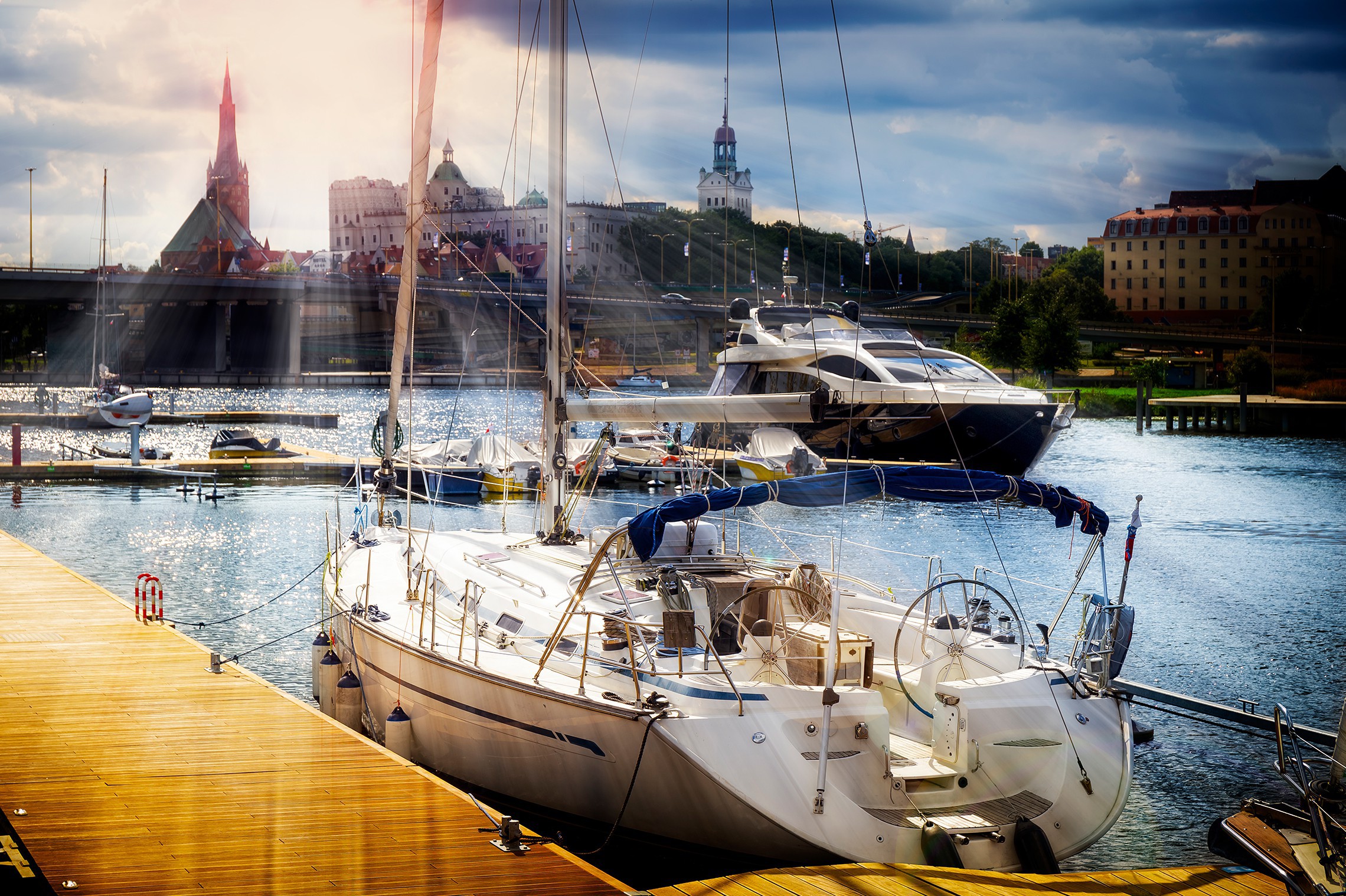
The region’s tourist infrastructure is highly developed. Modern ports and marinas along the West Pomeranian Sailing Route support the growth of water and sailing tourism, connecting Szczecin with cities in Germany and Sweden. High-quality golf courses, numerous cycling trails, and opportunities for active leisure on the rivers and lakes further enhance the region’s appeal for visitors seeking diverse forms of recreation. The voivodship is also actively expanding its cultural and event offerings, with festivals, historical reenactments, culinary events, and sporting competitions providing excellent attractions for visitors throughout the year.
The Zachodniopomorskie Voivodship is becoming an increasingly recognised wine region in Poland. The combination of wine tourism with the region’s scenic landscapes and culinary traditions makes its vineyards an ever more popular attraction. Visitors have the opportunity to learn about local winemaking traditions, take part in workshops, and enjoy agritourism offerings. This makes the Zachodniopomorskie Voivodship stand out as a region where wine tourism perfectly complements its coastal and natural tourist potential.
Regional capital
Szczecin, the capital of the Zachodniopomorskie Voivodship, is a unique city with a rich history and distinctive character, often referred to as the “Green Paris of the North”. Its unique urban layout is based on three star-shaped squares, inspired by the design of Parisian squares, which immediately captivates lovers of art and history. Although Szczecin is not located directly on the sea, its proximity to 185 kilometres of Baltic coastline and its picturesque setting along the Odra River make it an ideal gateway to exploring the natural and cultural attractions of West Pomerania.
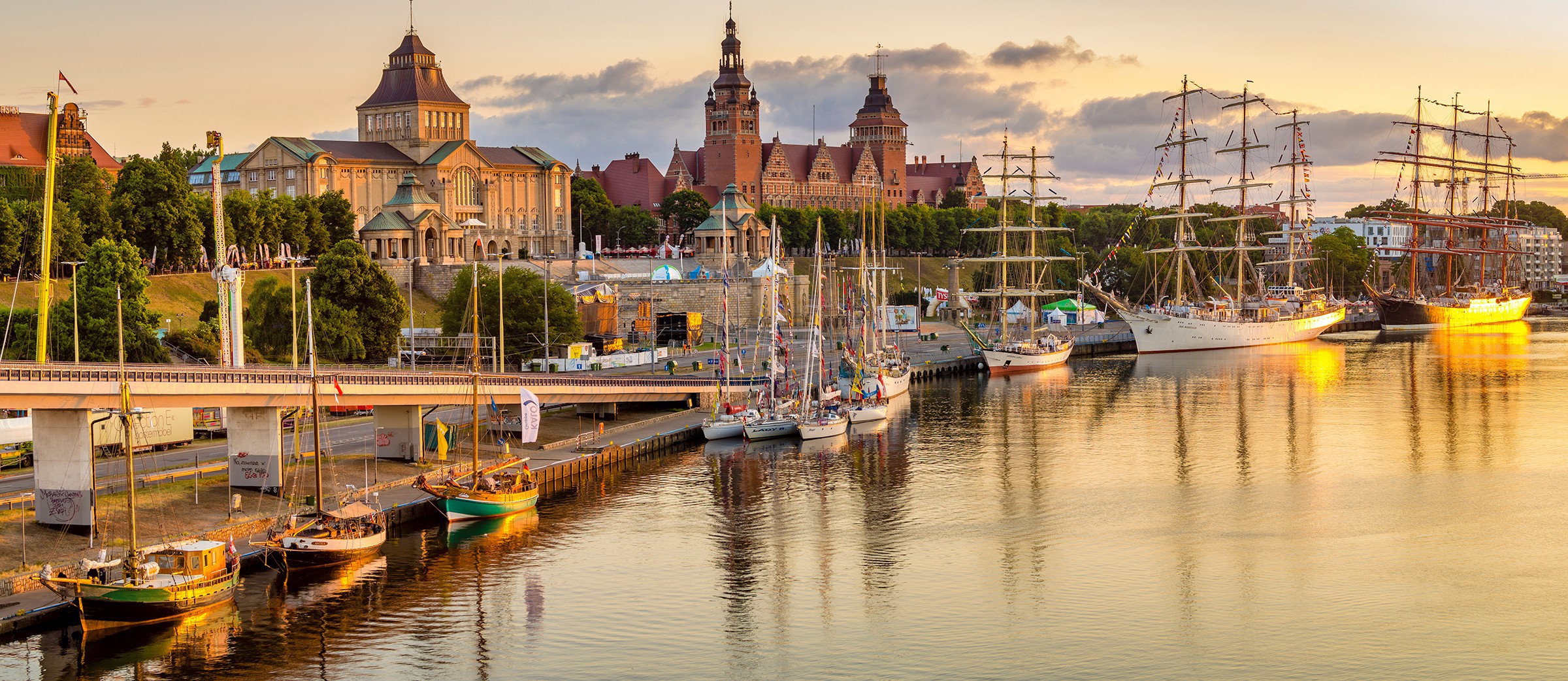
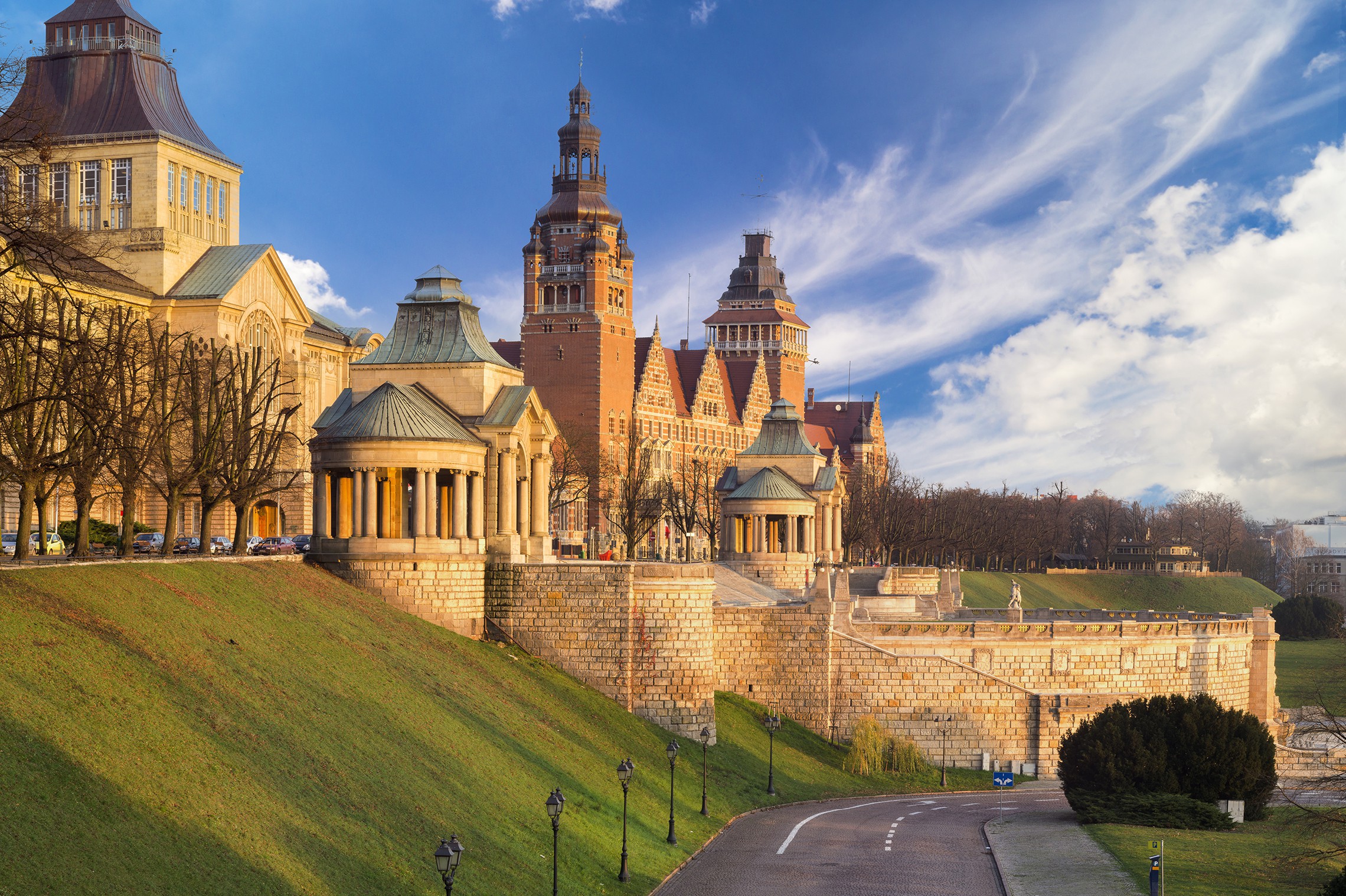
One of the best places to admire Szczecin’s panorama is from the terraces of the Chrobry Embankment – a monumental promenade overlooking the Odra River and Lake Dąbie, one of the largest inland water reservoirs in Poland. It is a place where history meets nature, and where visitors can begin their sightseeing with a river cruise. Water enthusiasts will also appreciate Lake Głębokie, Lake Dziewoklicz, and Lake Miedwie, natural havens for relaxation and recreation within the city’s surroundings.
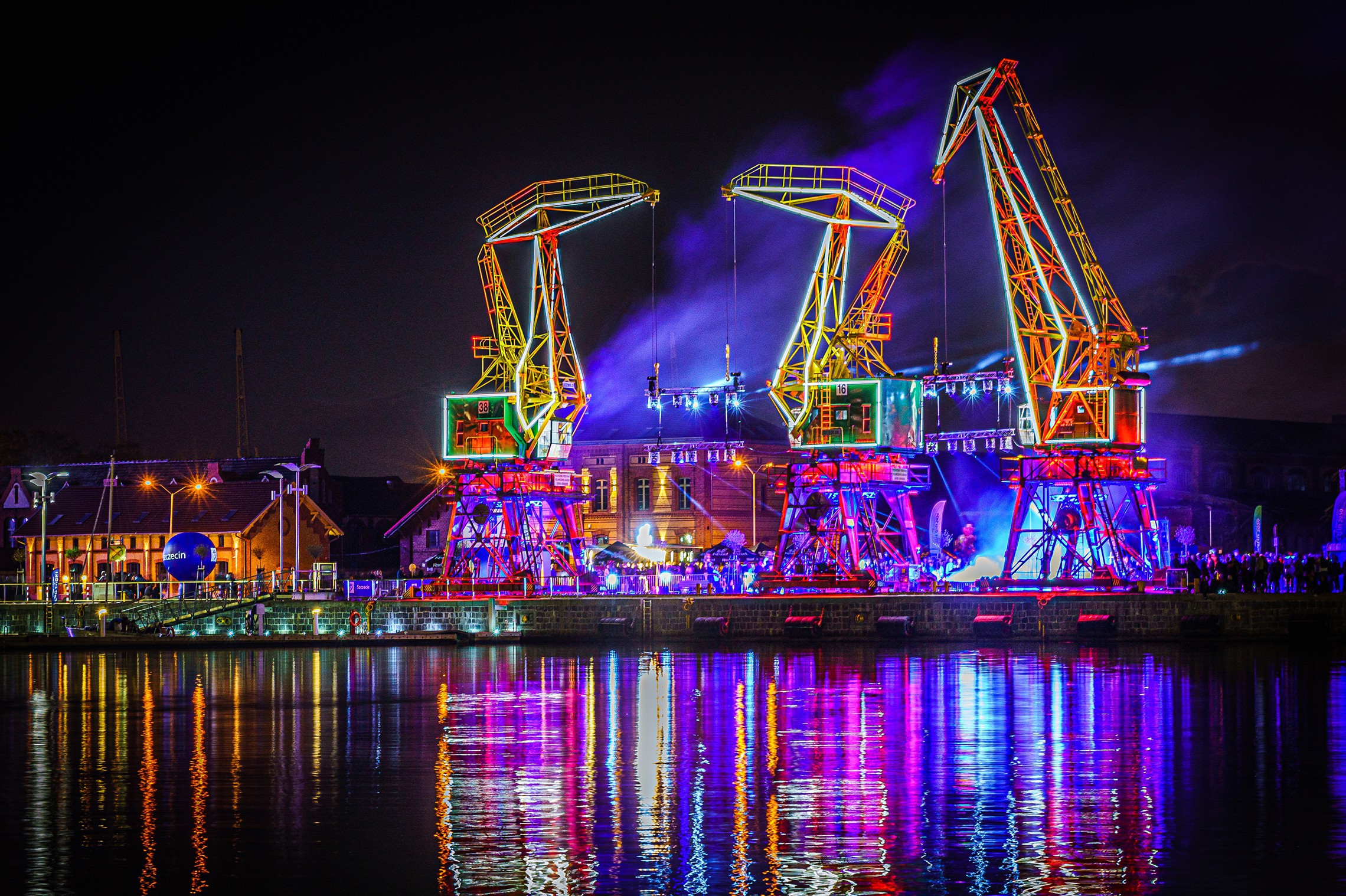
Szczecin is also known for its so-called “Szczecin Venice” – a charming part of the city where the river flows between brick townhouses and 19th-century industrial buildings, creating an atmosphere reminiscent of the Italian town on the water. Łasztownia, a river island and former port district, has been revitalised and now delights visitors with its promenades, cafés, and historic port cranes.
Nature enthusiasts will find Lake Szmaragdowe, located in the Bukowa Forest Landscape Park, a true oasis of tranquillity and a sanctuary for protected wildlife. This historic site offers the chance to explore the secrets of former chalk mines and to observe rare species of bats that hibernate in nearby bunkers and tunnels.
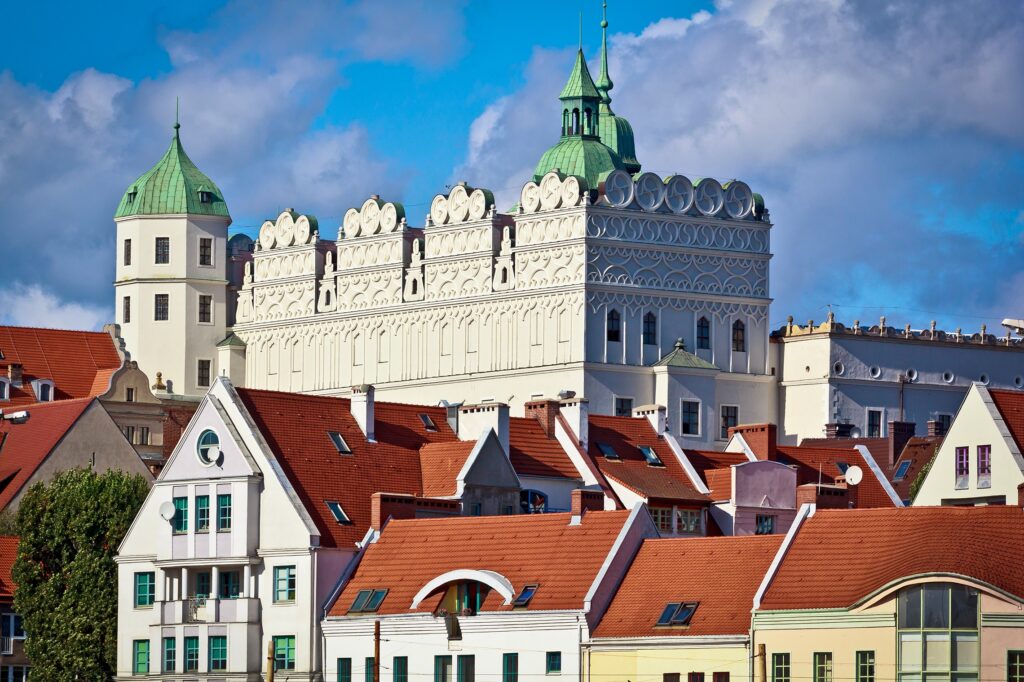
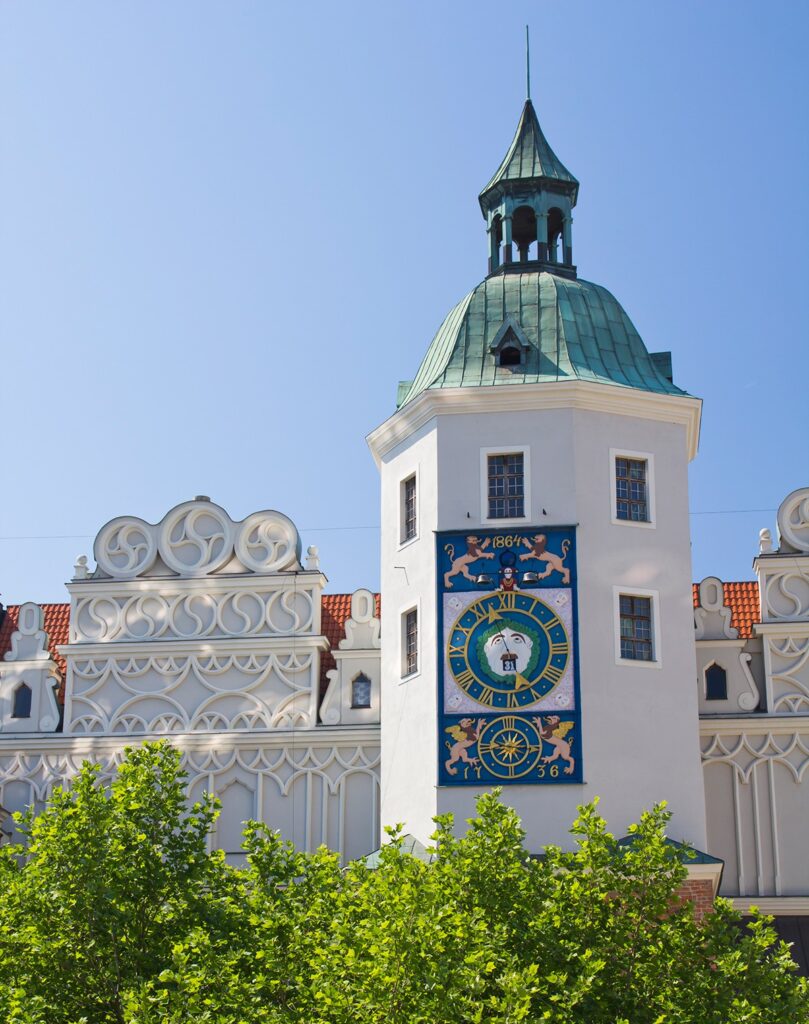
Szczecin’s historical side is revealed through numerous monuments and tourist trails. The City Tourist Trail highlights the city’s most important sites – from the modern Mieczysław Karłowicz Philharmonic, whose architecture evokes icebergs, to the Pomeranian Dukes’ Castle, the former heart of ducal power, and Solidarność Square, symbolic for the history of the Solidarity movement, where the first August Agreements of 1980 were signed. Visitors should also explore the National Museum – The Dialogue Centre Upheavals, offering insight into the city’s post-war history, as well as St. James Cathedral and the Royal and Port Gates – testaments to Szczecin’s turbulent and multicultural past.
Szczecin is also a city of greenery, boasting over 500 hectares of parks and green spaces. The most notable parks include Jasne Błonia, the largest city park, Kasprowicz Park, and “Różanka” – a botanical garden featuring a collection of 9,000 roses in nearly 100 varieties. These are perfect places to relax after a day of sightseeing.
Thanks to its unique location, rich history, beautiful green spaces, and vibrant cultural life, Szczecin is an attractive tourist destination in West Pomerania. The city successfully combines tradition with modernity, inviting visitors to explore and discover its many charms, attracting an ever-growing number of tourists each year.