The Świętokrzyskie Voivodeship is a charming region that features the Świętokrzyskie Mountains and the Świętokrzyski National Park, as well as the Krzemionki Prehistoric Striped Flint Mining Region, which is listed as a UNESCO World Heritage Site. The area is known for its picturesque towns, numerous historic monuments, and popular spa resorts. The regional capital is Kielce.
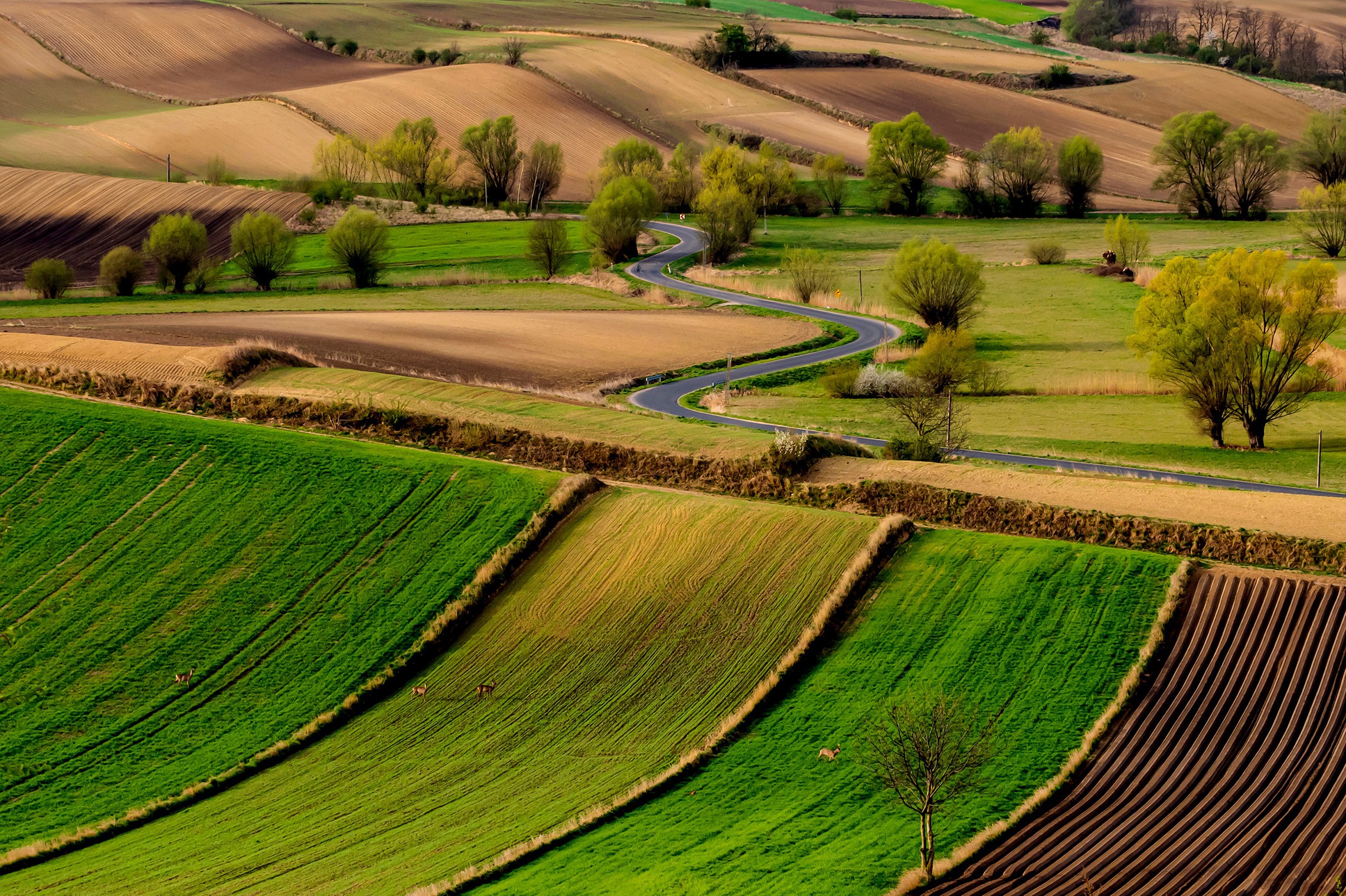
The Świętokrzyskie Voivodship, situated in southeastern Poland, boasts exceptional tourism potential due to its unique natural, historical, and cultural attributes. One of the region’s standout features is the Świętokrzyskie Mountains, which are among the oldest mountain ranges in Poland. These mountains, along with the surrounding forests, create a distinctive landscape of high ecological and recreational value. At the heart of this region lies the Świętokrzyski National Park, which protects remarkable natural features, including the well-known rocky outcrops (gołoborza) and extensive forest areas.
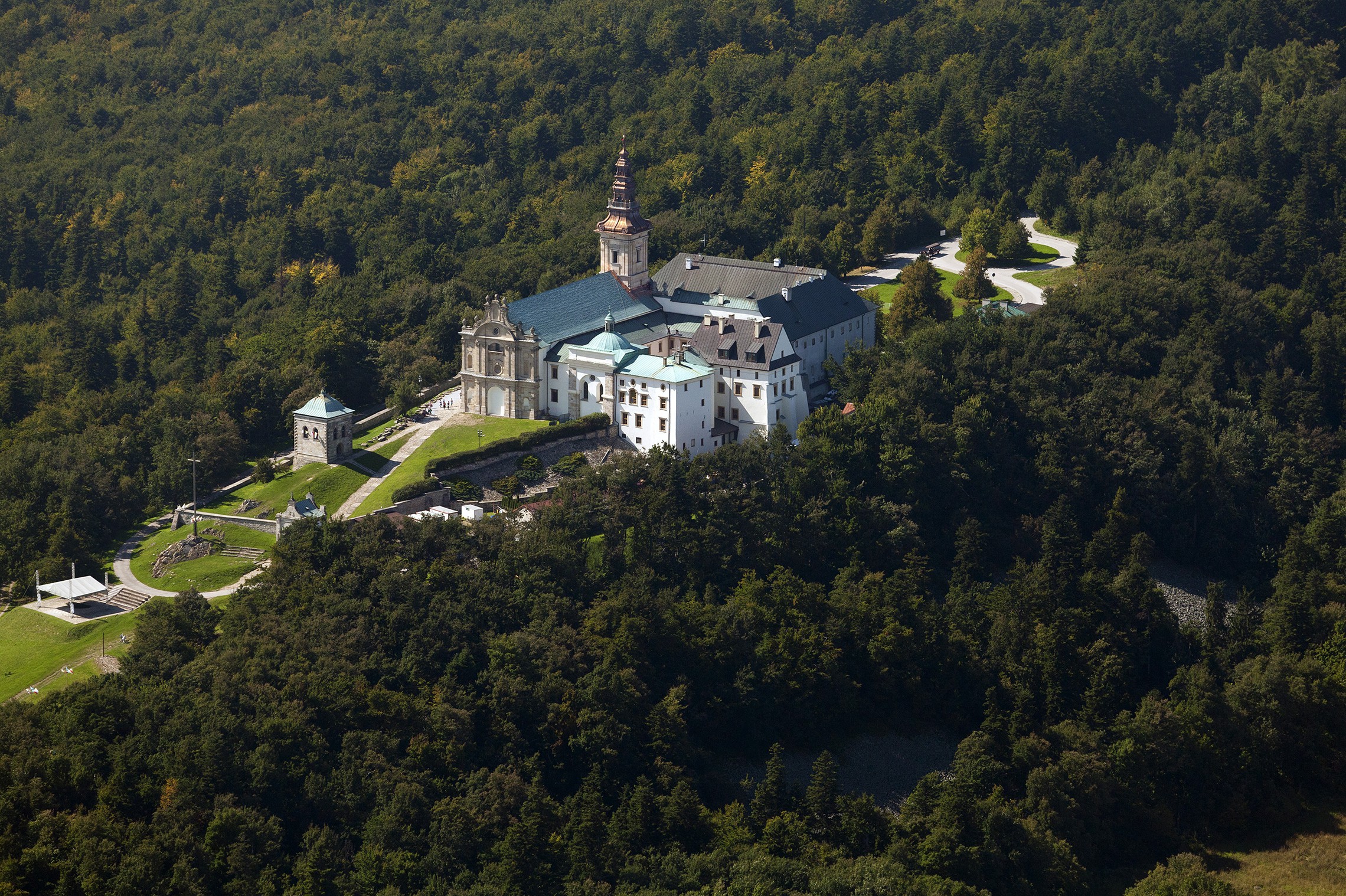
This region is rich in deep historical and spiritual traditions. The Świętokrzyskie Mountains are a special place where history intertwines with legends and ancient beliefs. Here lies the Holy Cross (Święty Krzyż) – the oldest Polish sanctuary, attracting both pilgrims and enthusiasts of history and sacred architecture. The voivodship is also renowned for its rich cultural heritage, rooted in the legacy of former monks, hermits, and folk beliefs, which lends the area a unique mystical character and offers tourists a wealth of cultural and educational experiences.
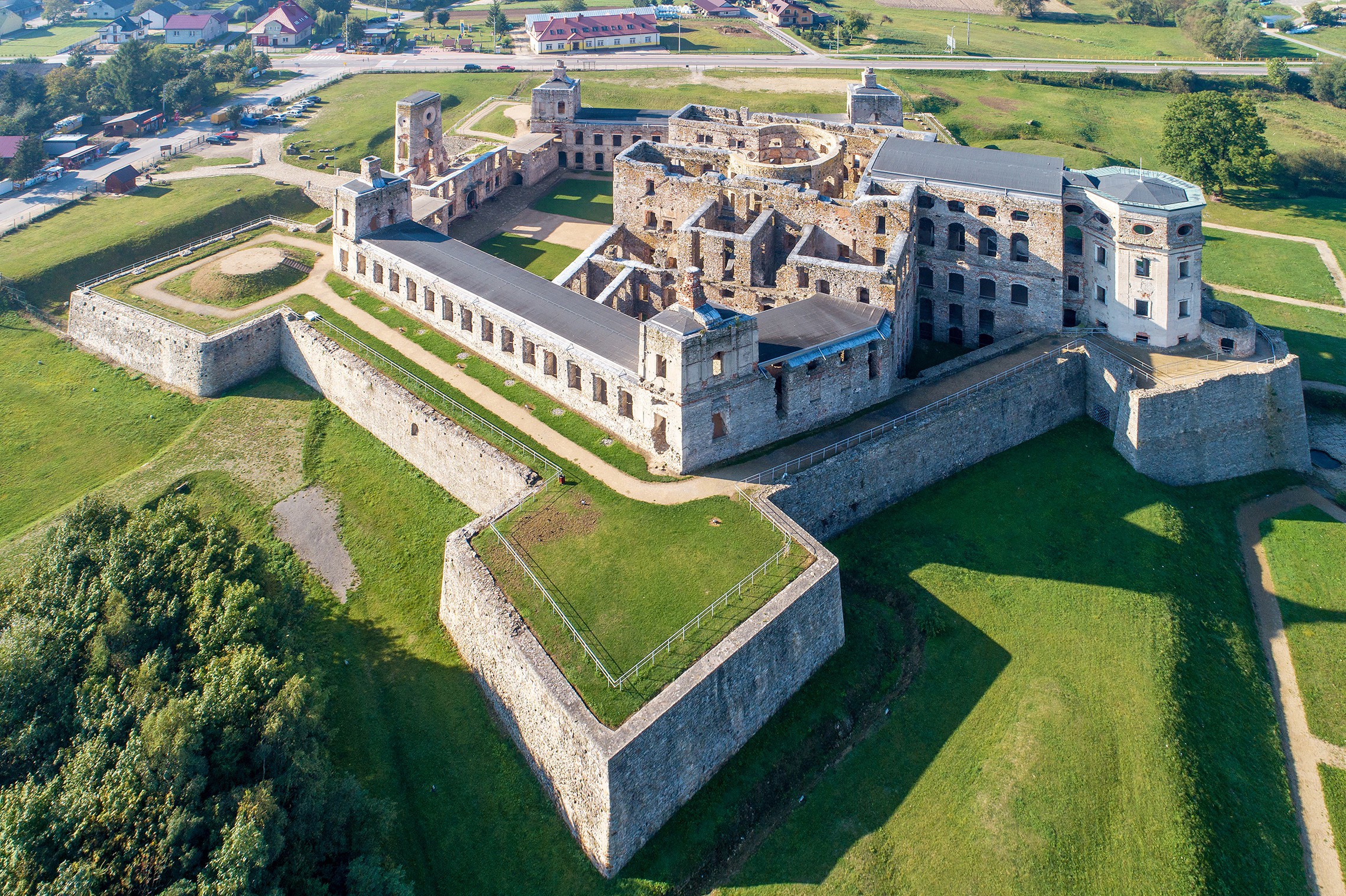
The wealth of the region’s archaeological and historical heritage is evident in places such as Wiślica, considered one of the oldest centres of Polish statehood, where unique medieval sacred monuments have been preserved, and in Nagłowice, associated with Mikołaj Rej, one of the fathers of Polish literature. The region also boasts a rich array of castles and residences, the most notable being the ruins of Krzyżtopór Castle in Ujazd, impressive for its monumental scale and intriguing architectural symbolism. Additionally, the castle in Szydłów comes alive each year during knightly tournaments and medieval festivals, attracting tourists interested in history and the recreation of ancient customs.
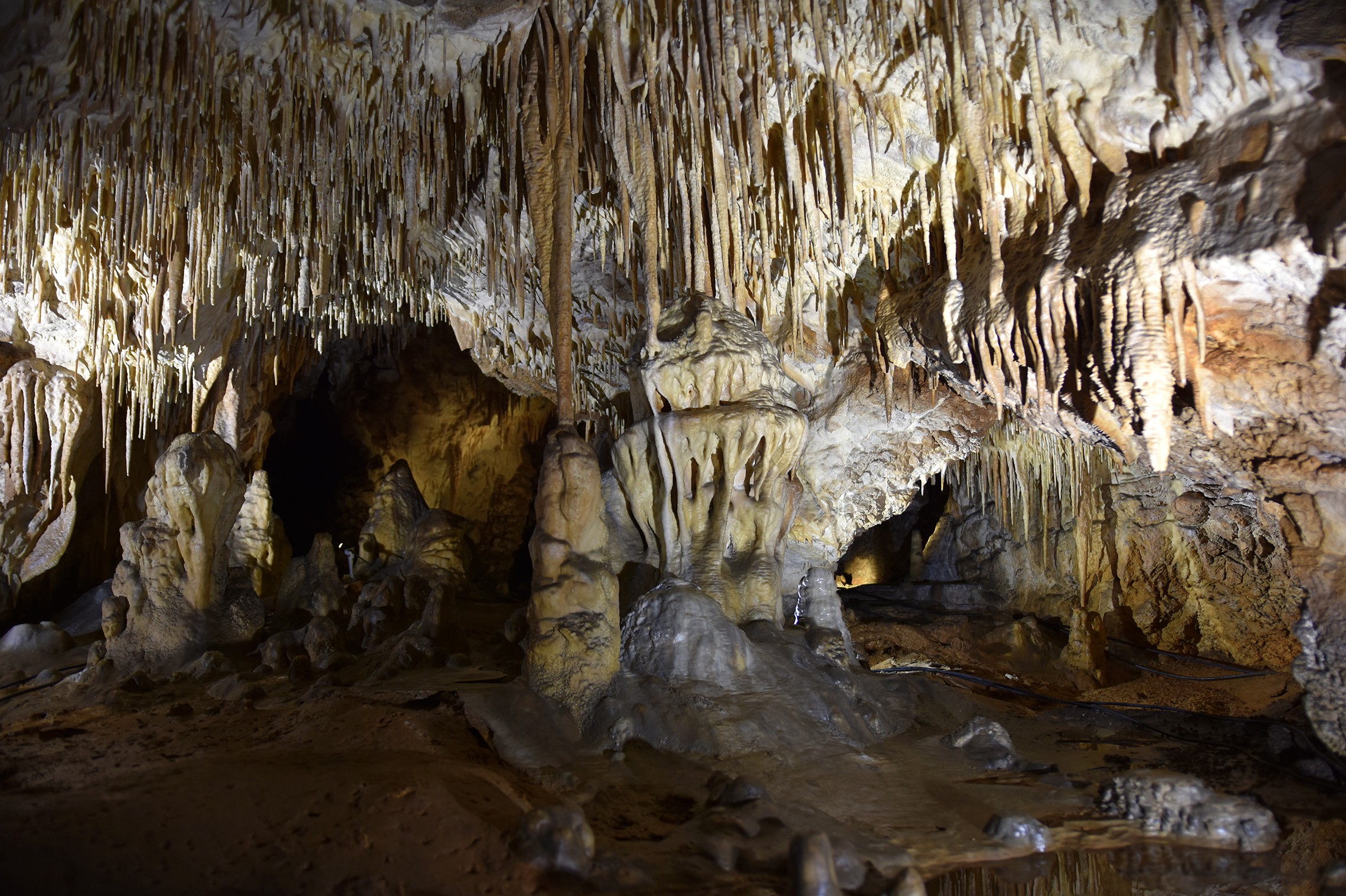
The Świętokrzyskie region is abundant in natural resources and offers numerous opportunities for outdoor tourism. The Świętokrzyskie Mountains feature a variety of hiking and cycling trails, as well as specialised tourism activities, such as climbing Łysica and visiting the unique Paradise Cave (Jaskinia Raj), where visitors can admire some of the most stunning cave formations in Poland. Another highlight is the Bałtów Tourist Complex, the country’s first Jurassic Park, which combines education and entertainment. Here, guests can walk among dinosaur models, explore a prehistoric oceanarium, and enjoy a variety of family-friendly attractions.
The region’s importance as a spa destination is significant, with towns like Solec-Zdrój and Busko-Zdrój drawing visitors and health seekers for many years, offering relaxation and therapeutic treatments. Additionally, various cultural and musical events, including international organ and chamber music festivals, enhance the cultural offerings and promote the region both nationally and internationally.
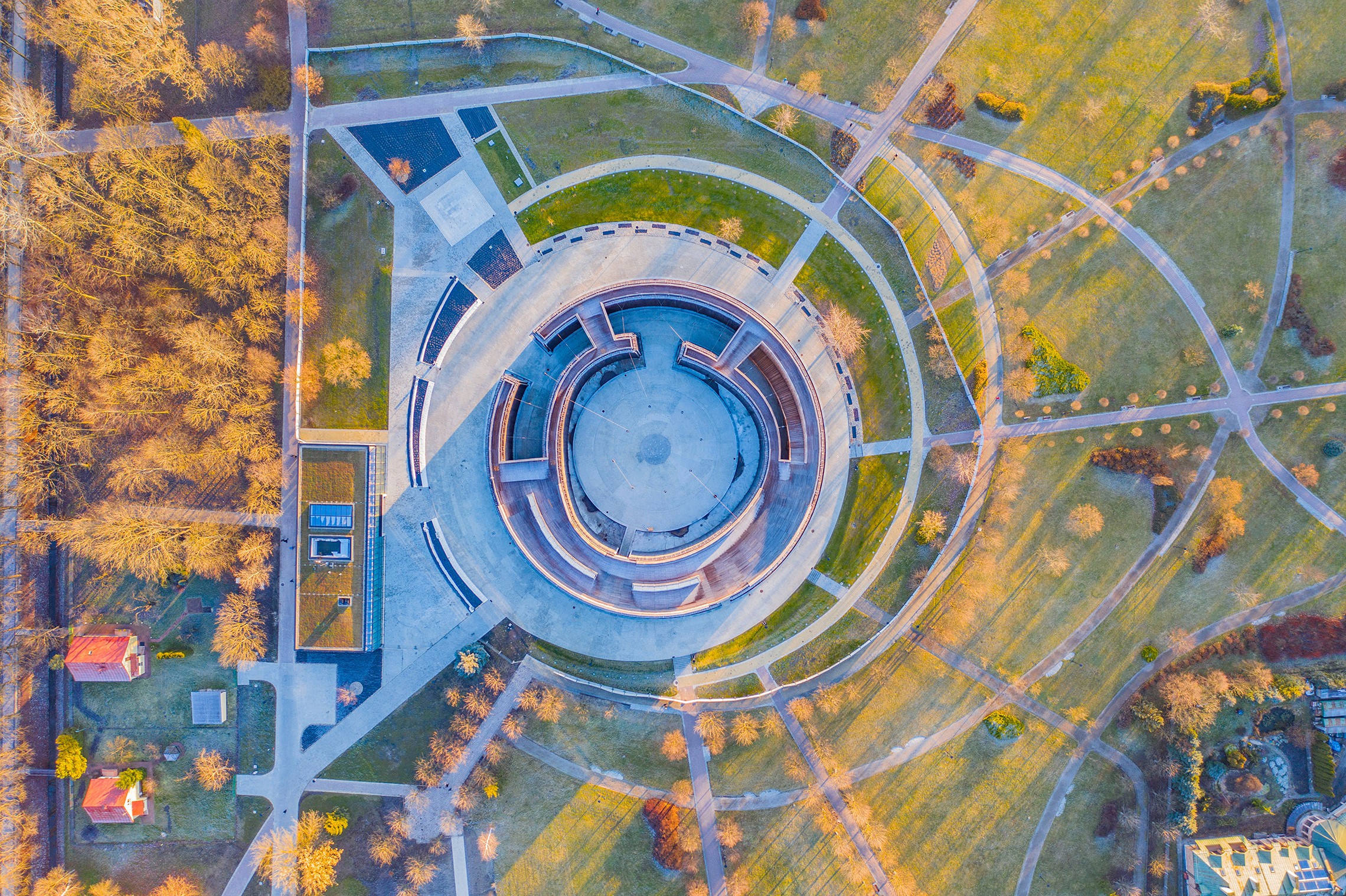
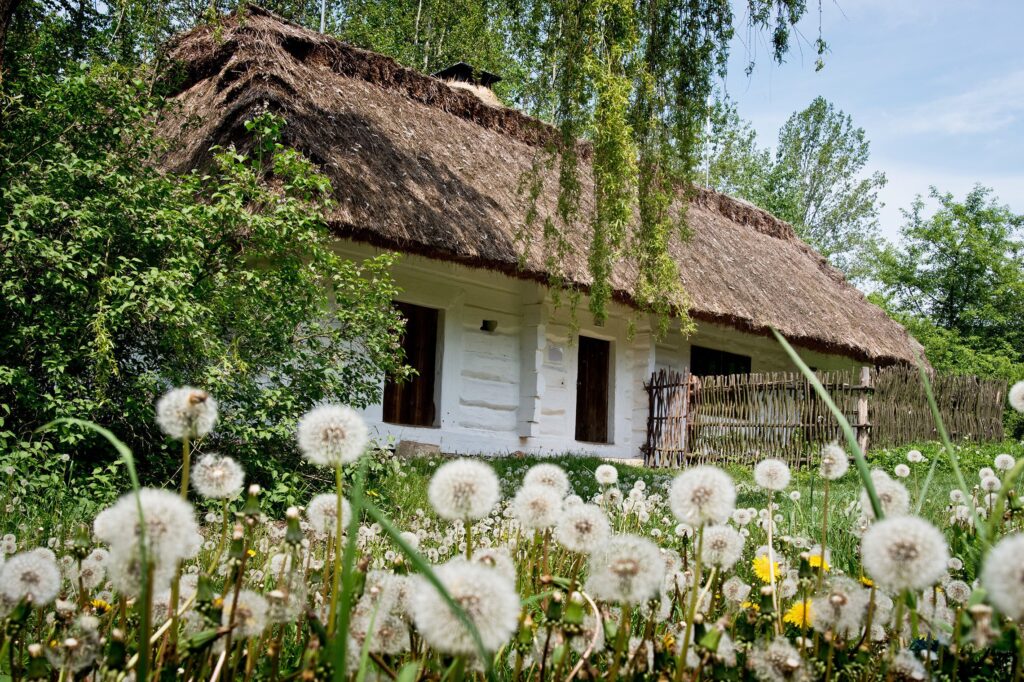
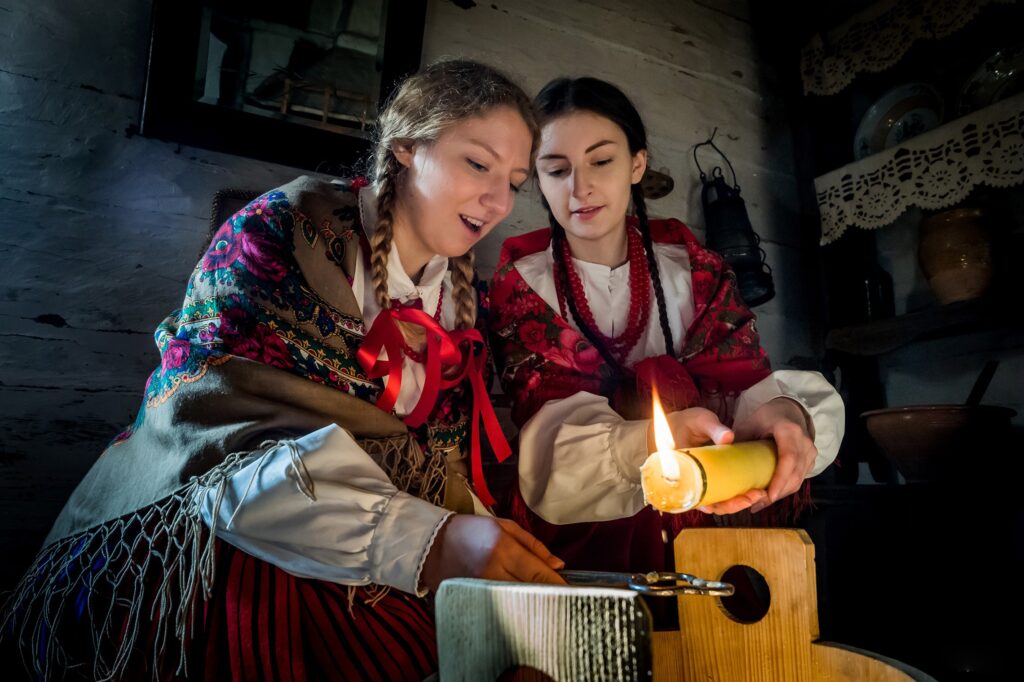
The Kielce Countryside Museum in Tokarnia offers a glimpse into traditional rural life and regional crafts, reflecting the increasing popularity of cultural and educational tourism. In addition, the Krzemionki Region of Prehistoric Flint Mining, which is recognised as a UNESCO World Heritage Site, allows visitors to explore a unique Neolithic industrial landscape characterised by ancient flint mines, thereby endowing the region with exceptional scientific and tourist significance.
In summary, the Świętokrzyskie Voivodship is a fascinating region that blends natural beauty with cultural, historical, and spa attractions.
Regional capital
Kielce, the capital of the Świętokrzyskie Voivodship, is a rapidly developing city distinguished by its unique location in the heart of the Świętokrzyskie Mountains, making it a key destination on Poland’s map for tourists seeking both nature and history.
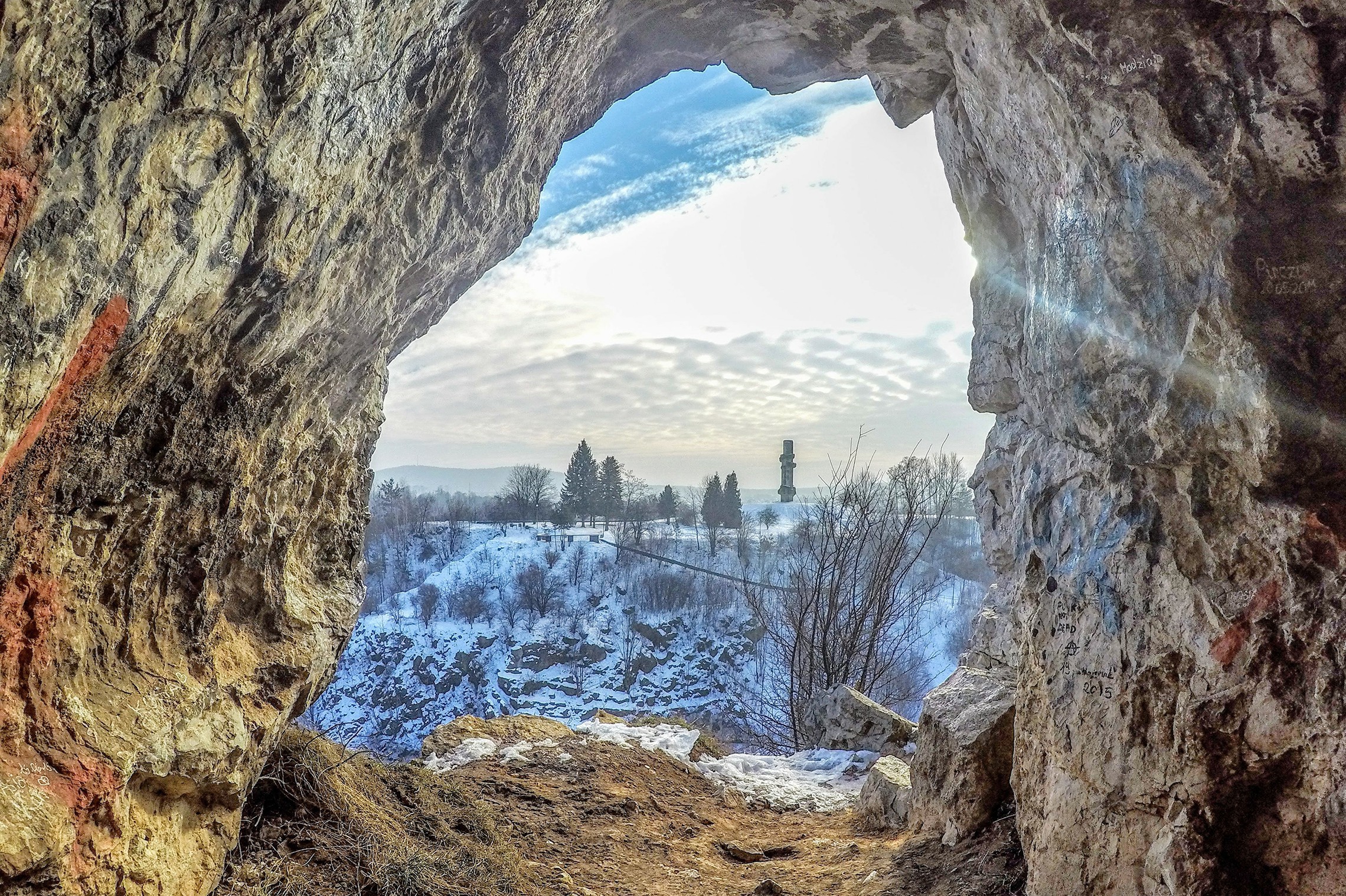
The uniqueness of Kielce stems primarily from its location among the diverse rock formations of the Świętokrzyskie Mountains, which give the city a distinctive character. The town, situated at elevations ranging from 231 m to 406 m above sea level, boasts five geologically protected reserves and a landscape reserve, attracting enthusiasts of geology, climbing, and outdoor recreation. A particularly notable site is the Kadzielnia reserve, featuring a unique system of karst caves and a modern amphitheatre, one of the largest open-air venues in Poland, hosting numerous cultural and sporting events. It is also worth highlighting the Underground Tourist Route in Kadzielnia, which displays fascinating fossils dating back millions of years, combining education with extraordinary aesthetic experiences.
For tourists interested in history and culture, Kielce boasts a rich architectural heritage. In the city centre, you’ll find the well-preserved Palace of the Kraków Bishops, a residence from the Vasa era that now functions as the National Museum. Nearby, the Cathedral Basilica of the Assumption of the Blessed Virgin Mary stands prominently, along with the historic Laszczyk Manor, a larch-built structure that is part of the Kielce Countryside Museum. This ensemble is complemented by the picturesque City Park, a recreational area featuring centuries-old trees. The park hosts numerous cultural events and provides a serene setting for relaxation for both residents and visitors.
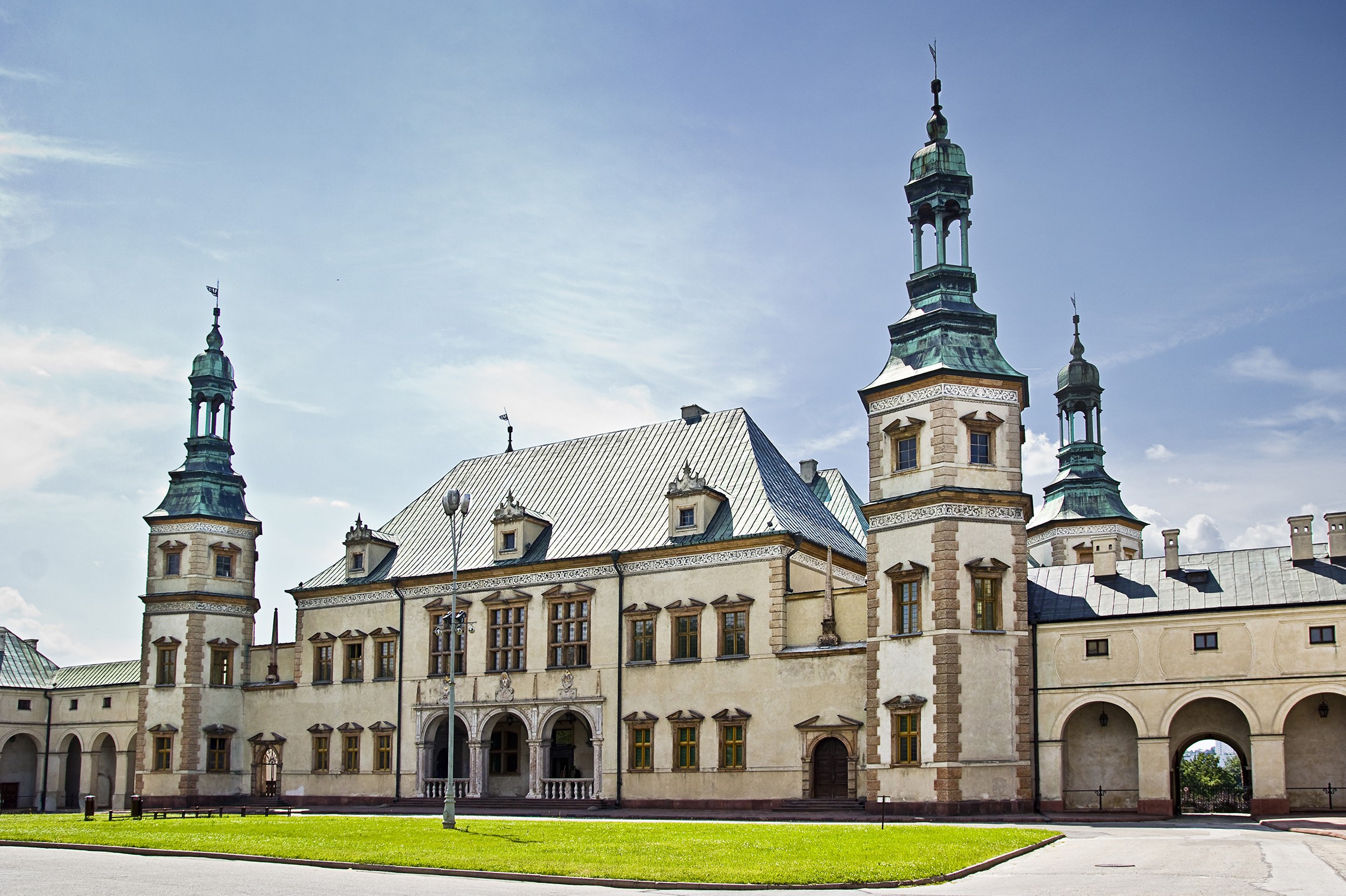
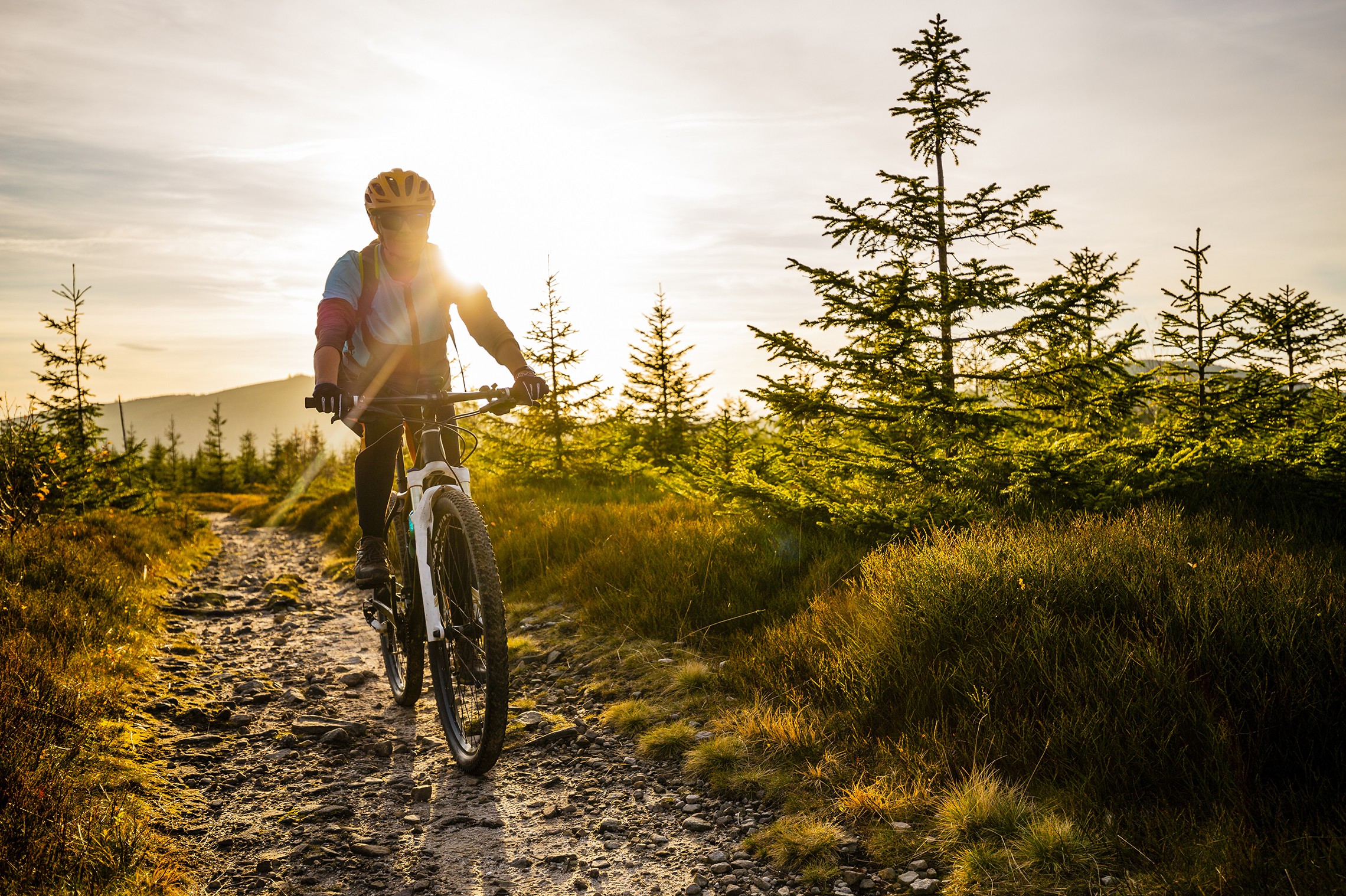
Kielce is an ideal destination for those who enjoy physical activity. Its network of cycling paths, including a section of Poland’s longest trail, the Green Velo, as well as equestrian routes, makes Kielce an attractive starting point for outdoor sports and recreation enthusiasts. With hiking, cycling, and horseback trails set against a stunning landscape, visitors can fully appreciate the region’s natural beauty.
Kielce boasts a rich natural, historical, and cultural heritage, offering visitors a diverse range of experiences – from encounters with unique natural and geological features to exploring its rich history and traditions.