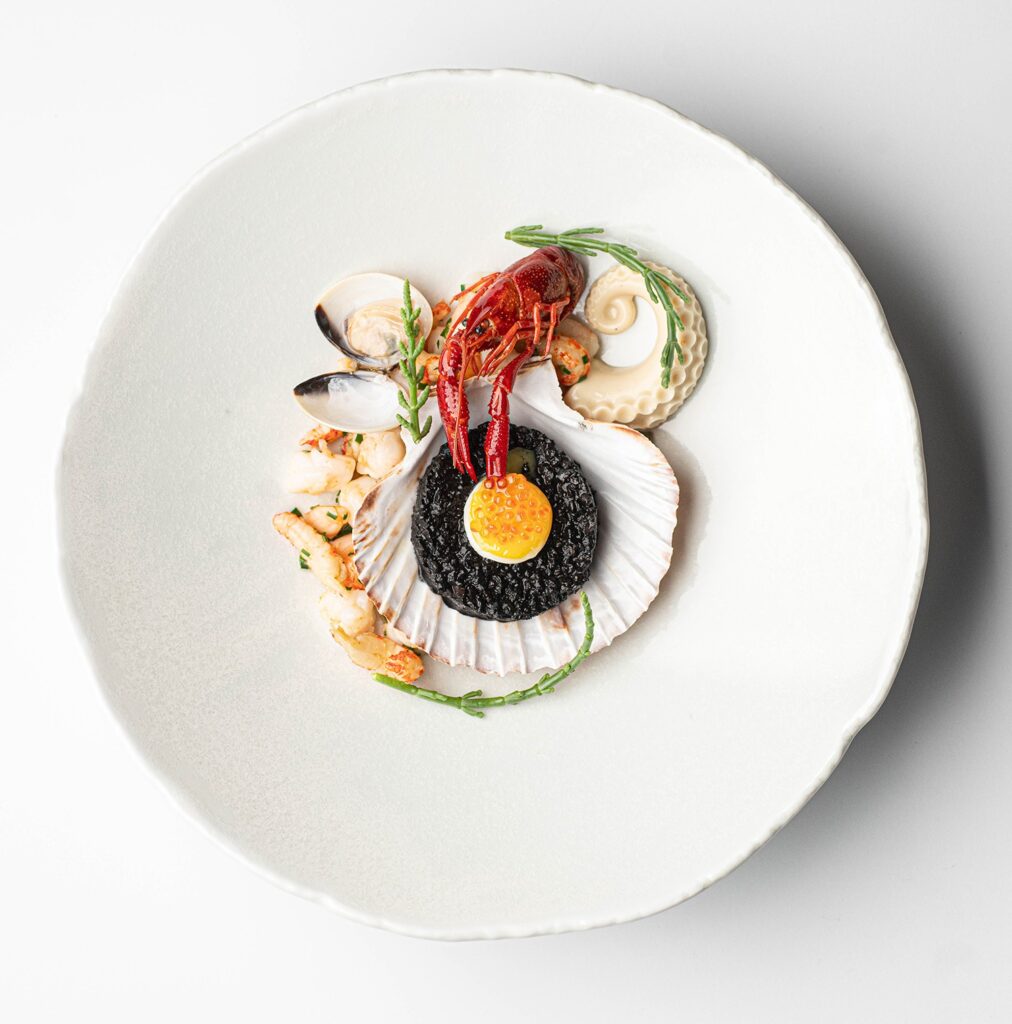
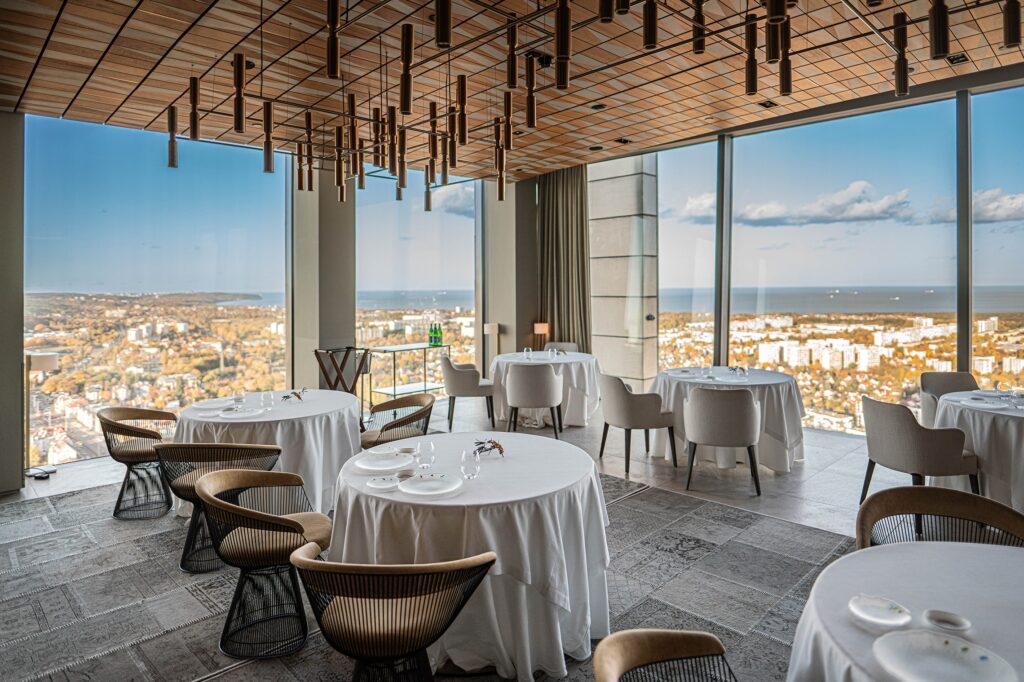
Pomorskie Voivodship is a region known for its beautiful seaside resorts and rejuvenating spas along the Baltic Sea. It features remarkable historical landmarks, including the Teutonic Castle in Malbork, which is a UNESCO World Heritage Site. Nature enthusiasts can explore two national parks: Słowiński and Bory Tucholskie. The region’s stunning capital, Gdańsk, provides a rich cultural experience.
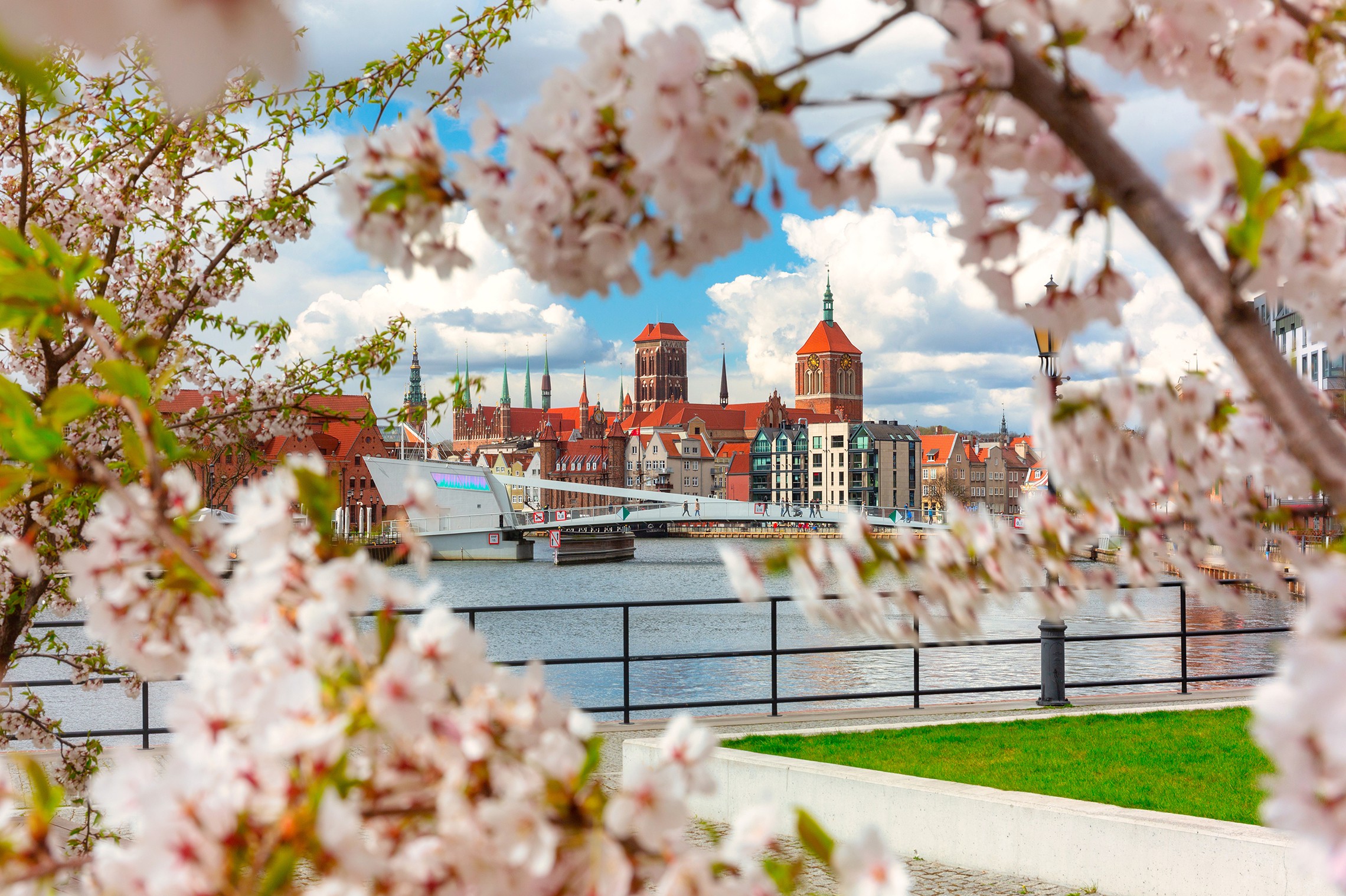
The Pomorskie Voivodship, located in the northernmost part of Poland, is one of the country’s most fascinating and attractive tourist regions. It offers a diverse range of experiences for history enthusiasts, nature lovers, and those seeking active seaside recreation along the Baltic Sea. This northern region of Poland combines cultural richness, numerous historical monuments, and unique landscapes, creating a remarkable mosaic of attractions that makes Pomerania an ideal destination for families, solo travellers, and lovers of culture and nature alike.
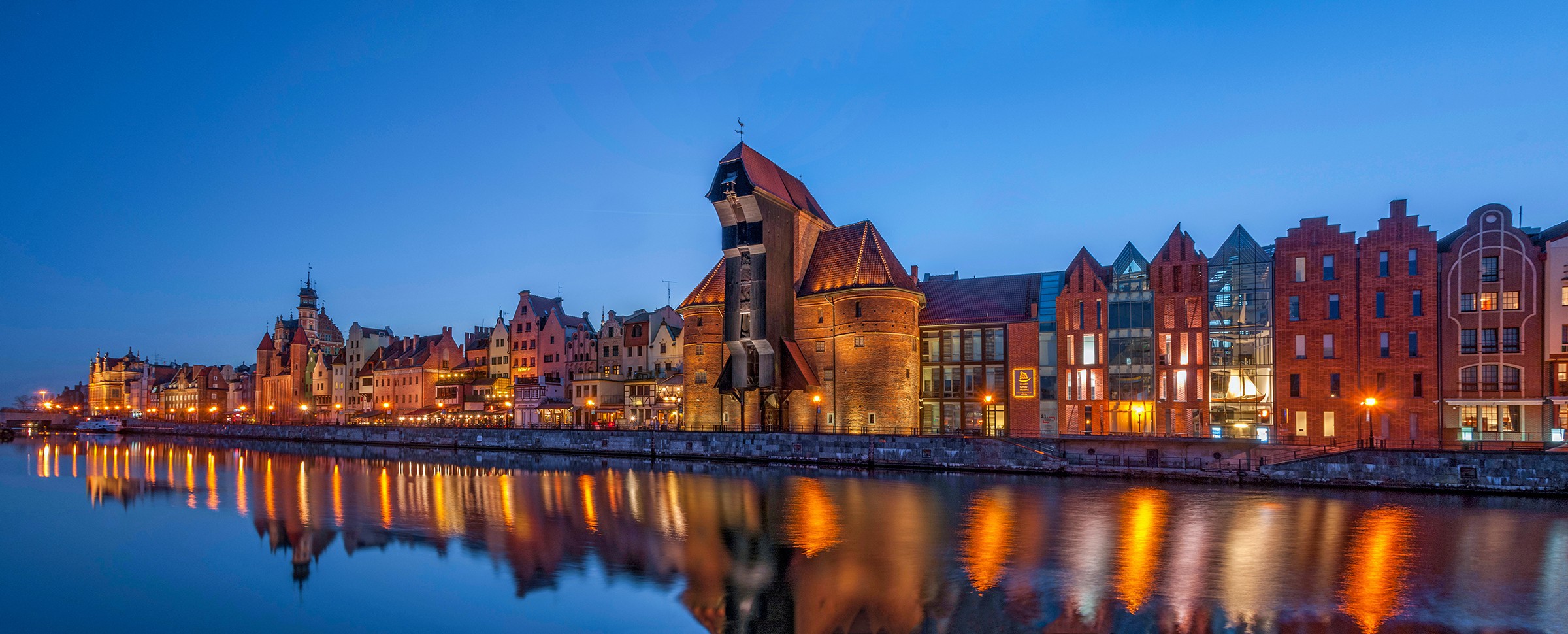
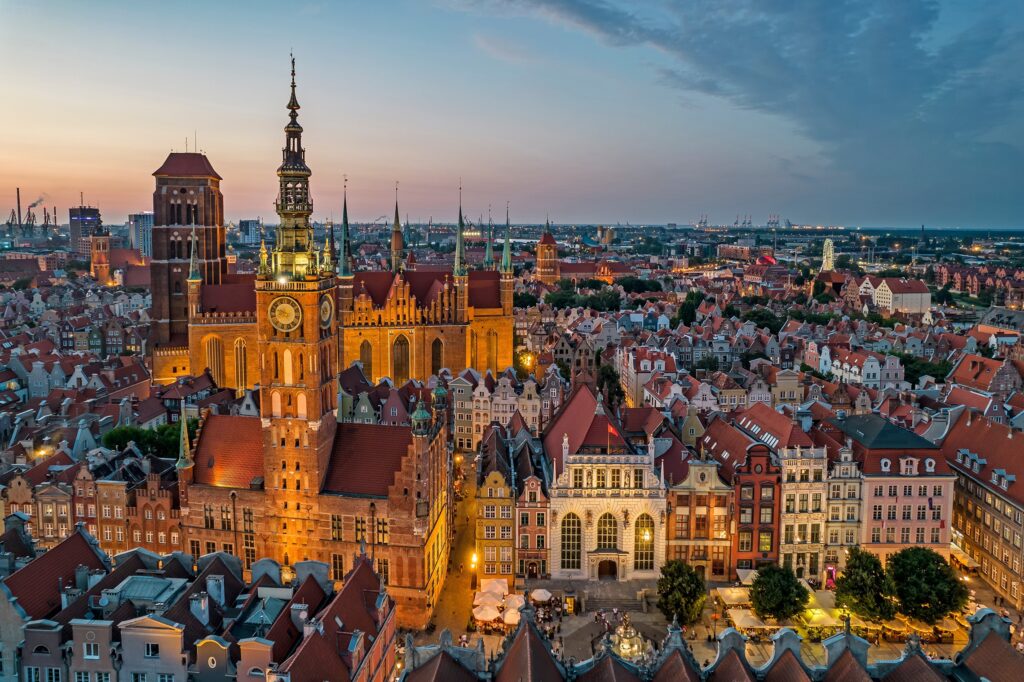
The capital of the region, Gdańsk, along with the nearby cities of Gdynia and Sopot, forms the Tricity – one of the most significant and modern urban centres in northern Poland. Gdańsk enchants visitors with its rich history, which dates back to the Middle Ages, as well as its charming historic streets and impressive architecture. Notable highlights include the stunning Main Town, the monumental Long Embankment, and the iconic Crane on the Motława River.
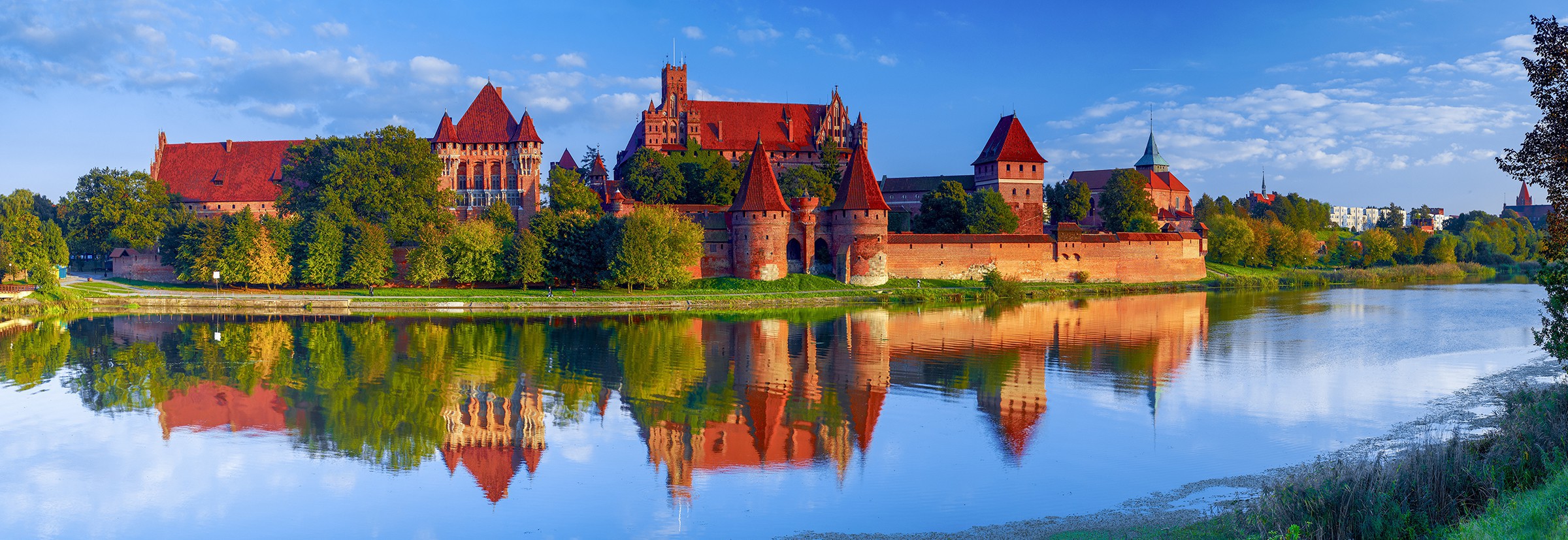
The Pomorskie Voivodship is also a destination of global significance, thanks to the Teutonic Castle in Malbork – the largest brick fortress in Europe and a UNESCO World Heritage Site. It draws thousands of visitors eager to explore the history of the Teutonic Order and the fascinating stories of the Middle Ages. Malbork is also a hub for historical reenactments and educational events, making every visit both exciting and enriching.
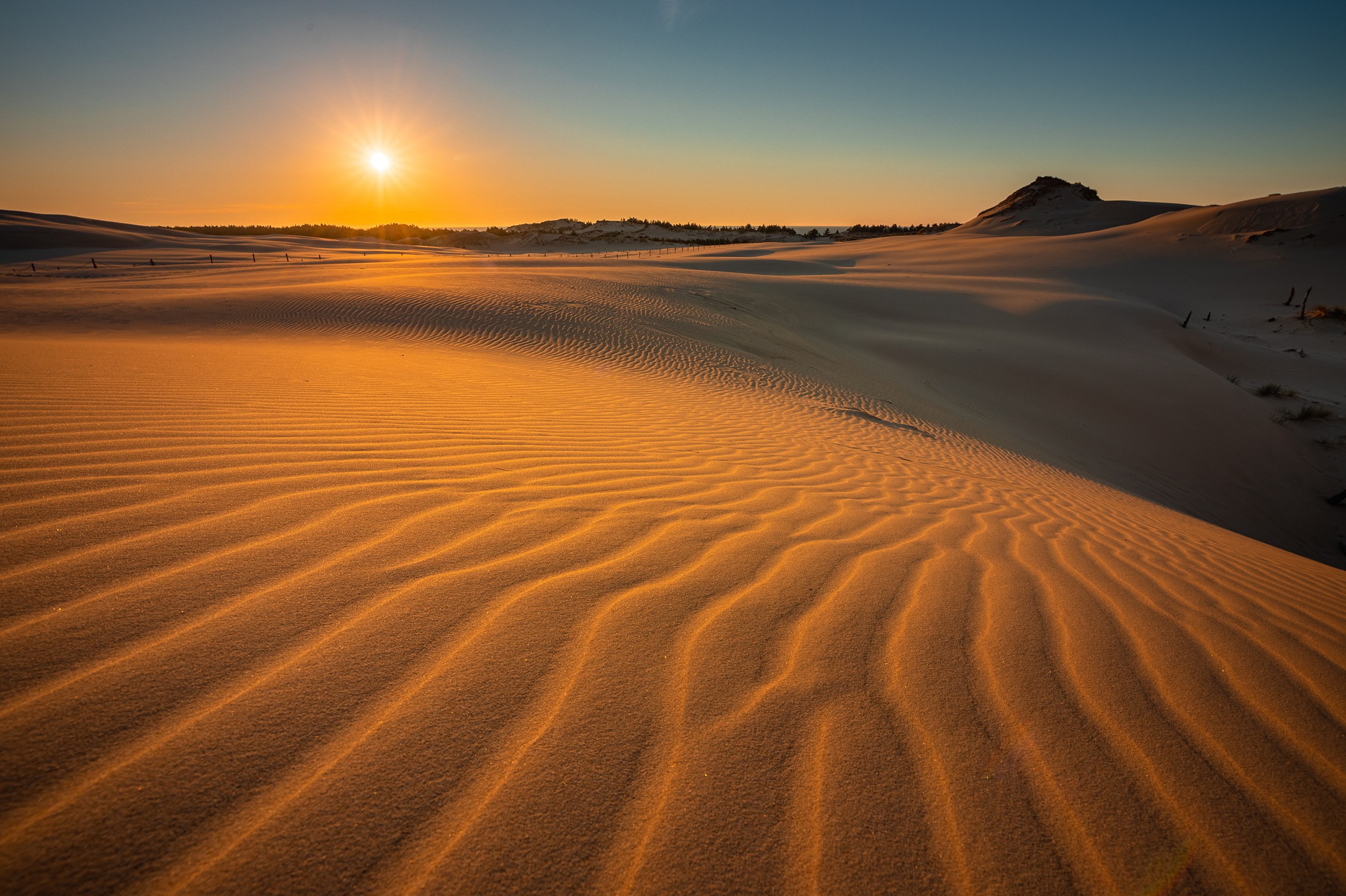
For nature lovers and outdoor enthusiasts, the Pomorskie Voivodship is a true paradise. Approximately one-third of the region is covered in green spaces, including two national parks: Słowiński and Bory Tucholskie. The Słowiński National Park is renowned for its moving dunes, which create a landscape reminiscent of a desert – a rare geological phenomenon in Europe. In addition to the dunes, the park offers hiking trails, nature paths, and excellent opportunities for birdwatching and nature photography. Meanwhile, the Bory Tucholskie National Park, one of Poland’s largest UNESCO biosphere reserves, captivates with vast forests, lakes, and peat bogs. Visitors can explore this natural wonder on foot, by kayak, or by bike. It’s the perfect place to unwind, reconnect with nature, and enjoy peace far from the hustle and bustle of city life.
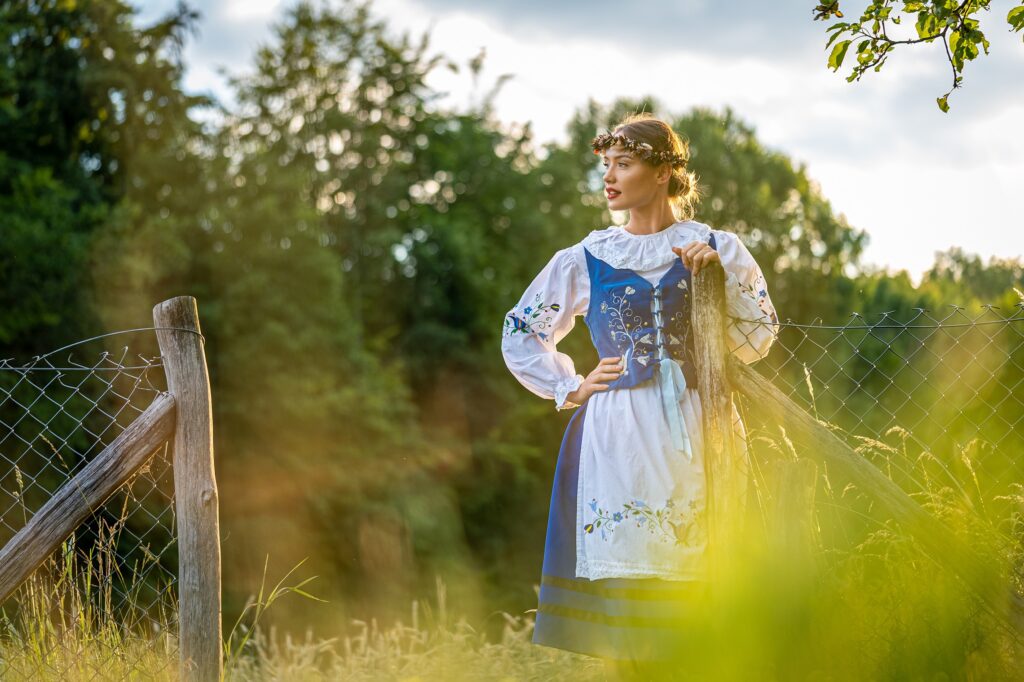
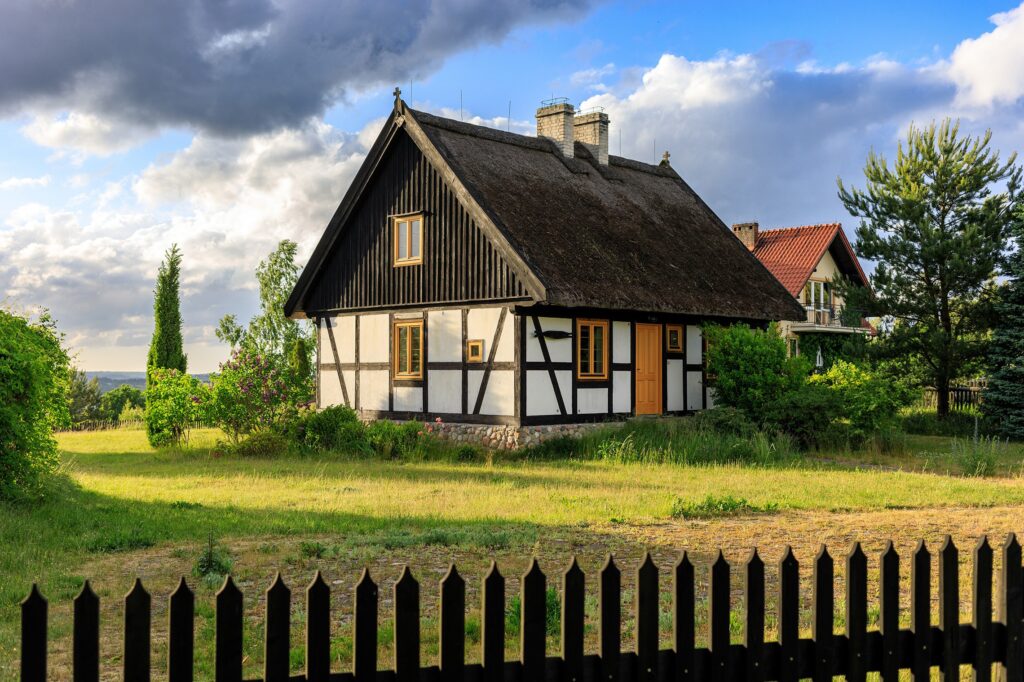
The Pomorskie Voivodship is a region known for its rich local culture and traditions, particularly in Kashubia, one of Poland’s most distinctive cultural areas. The Kashubians are renowned for their distinctive language, traditional crafts, music, and delectable cuisine. Local specialities include Kashubian strawberries, various goose dishes, and Baltic herring.
The region is also home to many sites of exceptional historical and cultural significance. In Pelplin, visitors can admire one of Poland’s most treasured artefacts – a copy of the Gutenberg Bible. In Słupsk, the White Granary, part of the Central Pomerania Museum complex, features a unique exhibition of works by Stanisław Ignacy Witkacy.
Pomerania, situated along the Baltic Sea, provides visitors with the opportunity to unwind on its expansive sandy beaches, soak up the sun, and stroll along scenic seaside promenades. Popular attractions include the famous pier in Sopot and the coastal boulevard in Gdynia. The region is also known for its vibrant calendar of cultural and music events.
The Pomorskie Voivodship is an excellent example of a harmonious blend of nature, history, culture, and recreation, making it one of Poland’s key tourist destinations. Its rich offerings cater to both history and culture enthusiasts as well as nature lovers and fans of active leisure, highlighting the region’s unique appeal.
Regional capital
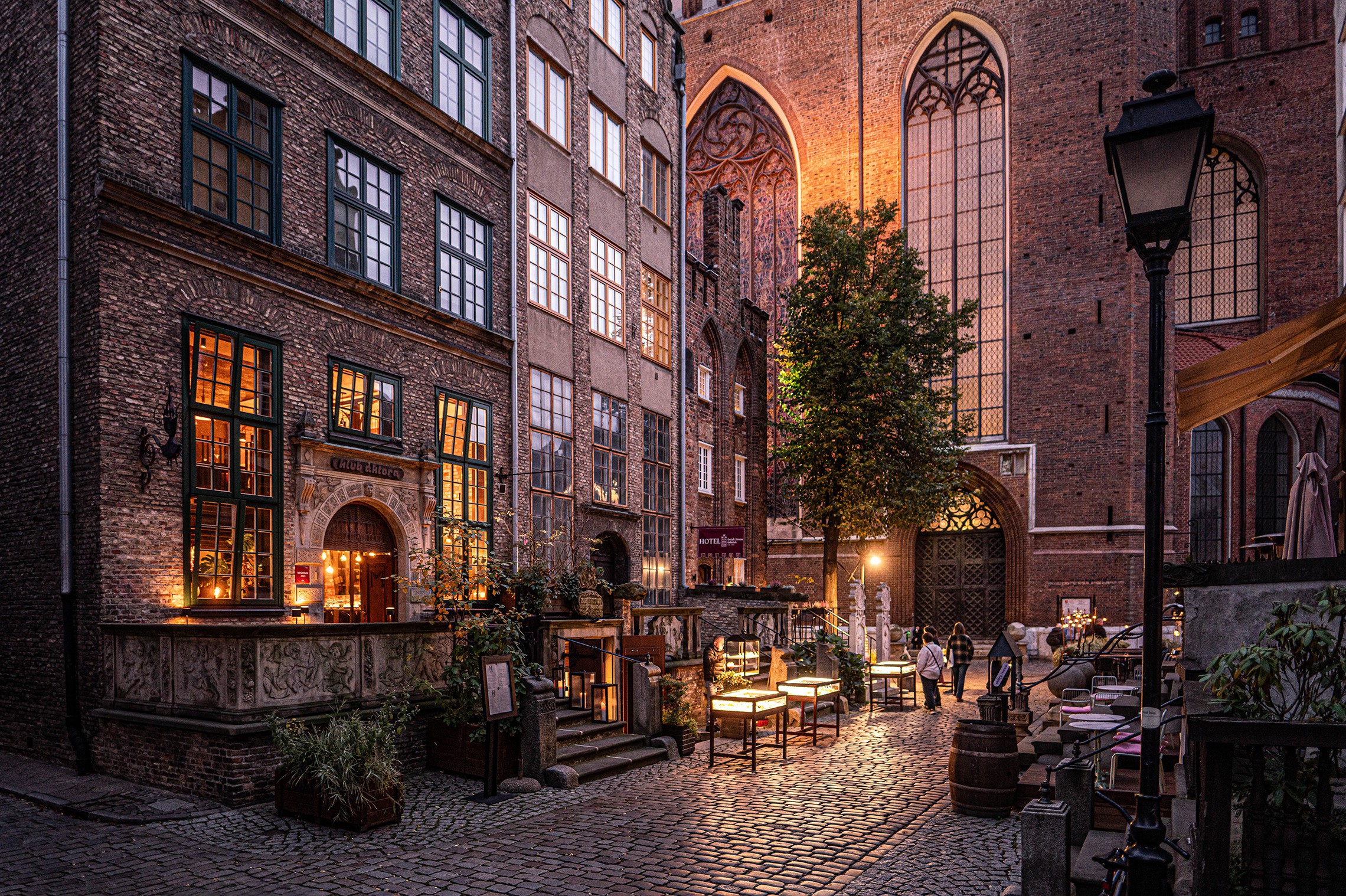
Gdańsk, the capital of the Pomorskie Voivodship, is a key destination on Poland’s tourist map, offering a unique blend of rich history, cultural heritage, and modern infrastructure. Together with Gdynia and Sopot, it forms the dynamic Tricity, attracting visitors from around the world. Situated on the Gulf of Gdańsk, the city is not only one of Poland’s largest seaports but also a place that has symbolised freedom and bold social change for centuries. Its more than a thousand-year-old history, dating back to the Middle Ages and the Hanseatic period, is evident today in the carefully restored Old Town, which is a true gem of architecture and culture.
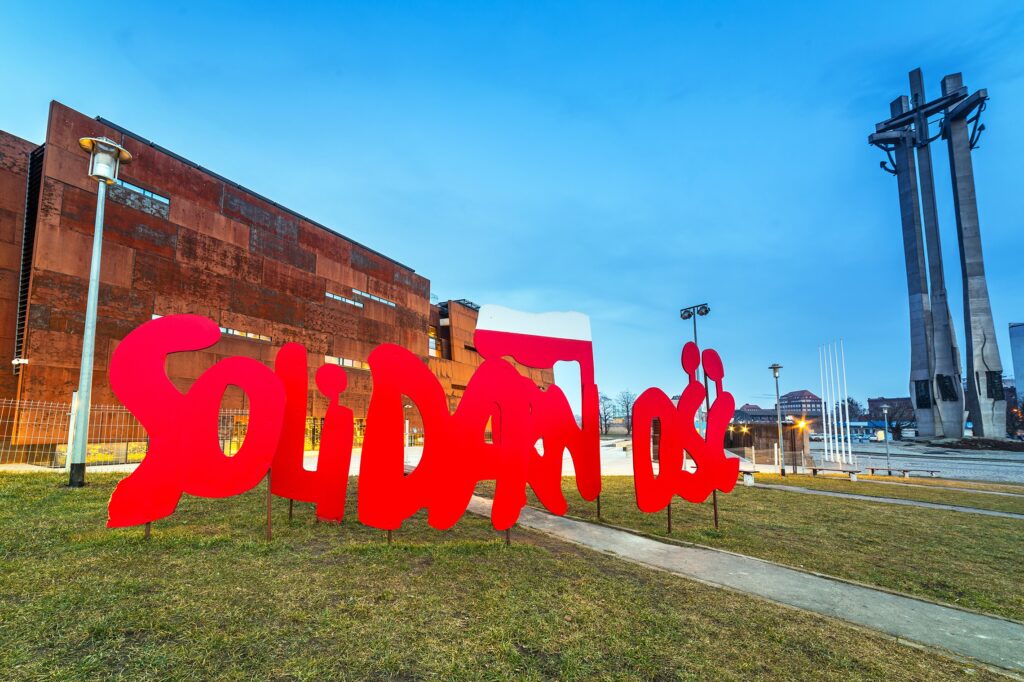
Gdańsk is a city that has had a profound impact not only on Polish history but also on the history of Europe as a whole. Its role as the birthplace of the Solidarity movement, which sparked political transformations in Poland and across Central and Eastern Europe, is commemorated at the European Solidarity Centre and the Monument to the Fallen Shipyard Workers of 1970. These sites attract thousands of visitors eager to learn about the struggle for freedom and democracy. With such cultural and educational institutions, Gdańsk stands out as a city that blends remembrance with inspiration and dialogue.
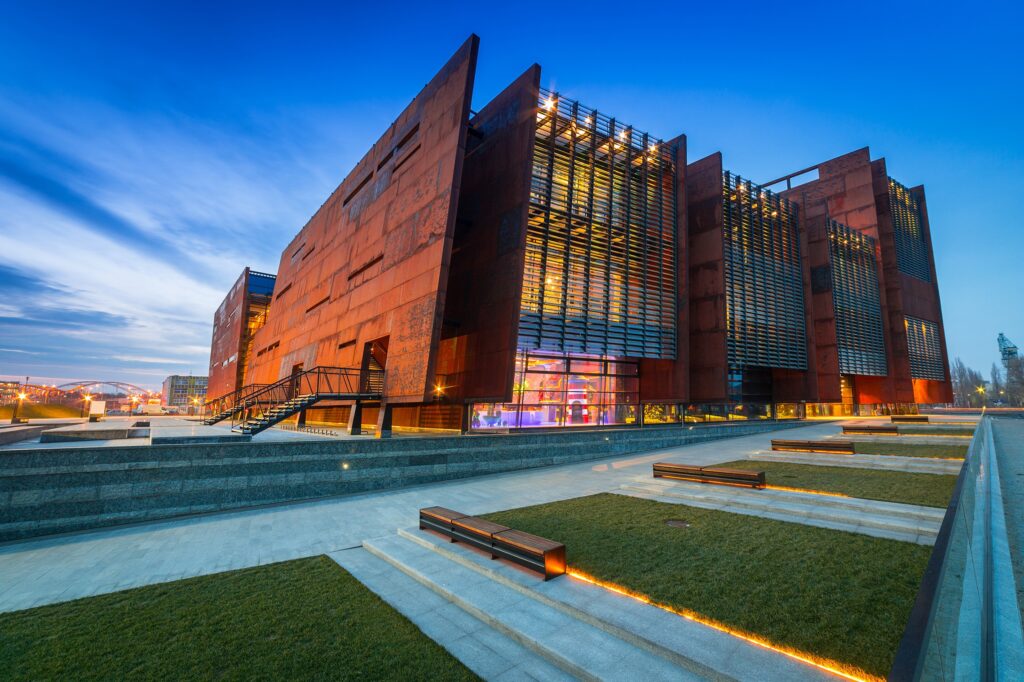
Another highlight of the city’s tourism offering is the Museum of the Second World War, one of the most modern and comprehensive museums of its kind in the world. Its interactive exhibits provide an in-depth understanding of the war’s tragedy, particularly from the perspective of Poland and the Baltic Sea region.
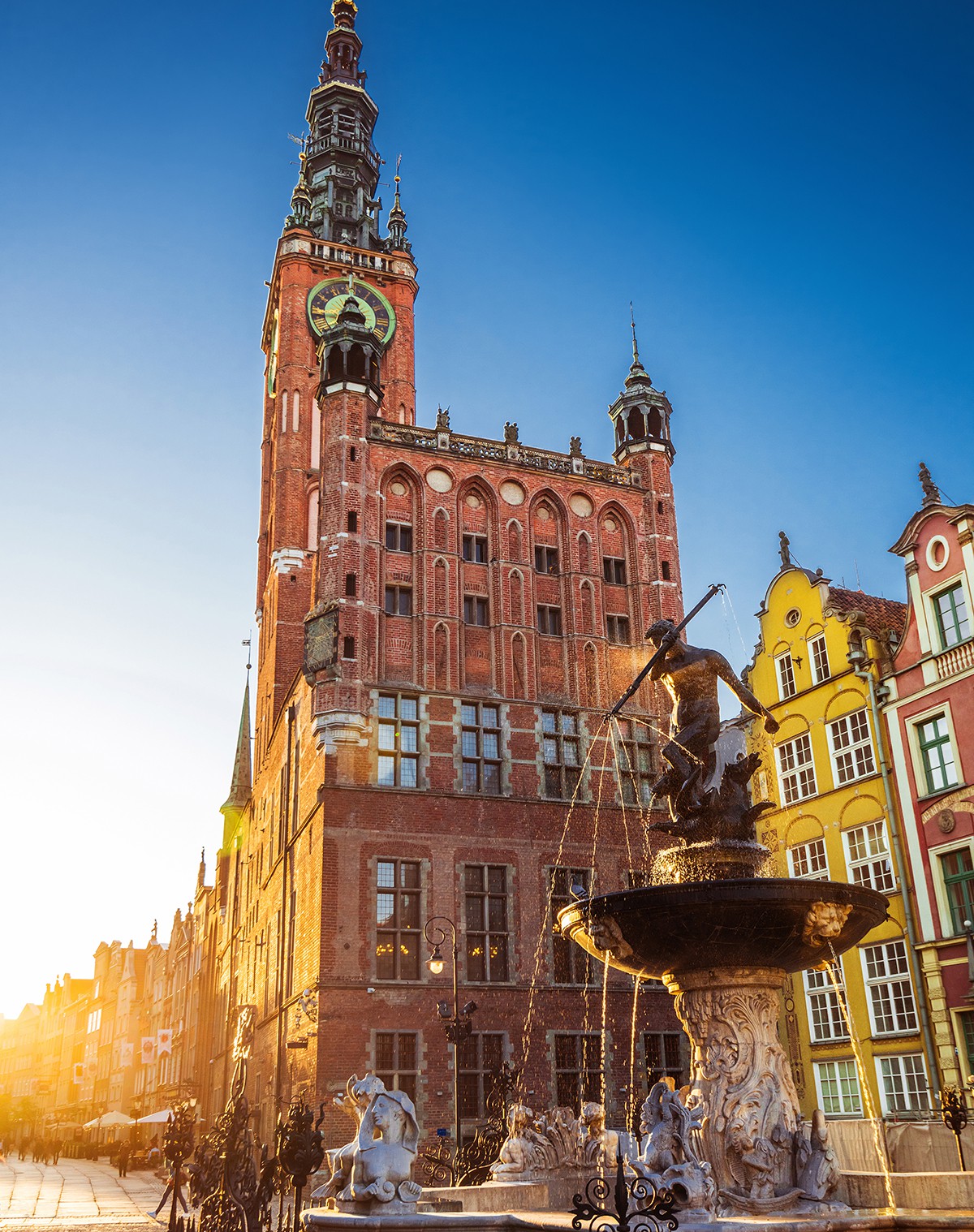
For history and architecture enthusiasts, the Royal Route is an unmissable attraction – a stretch of historic townhouses and landmarks in the Dutch Mannerist style, including the Neptune Fountain, the Crane, and Artus Court. Together, they form one of the most iconic and recognisable urban spaces in Poland. This place is bustling with life, combining cultural, commercial, and gastronomic functions, which makes it attractive to tourists and locals alike.
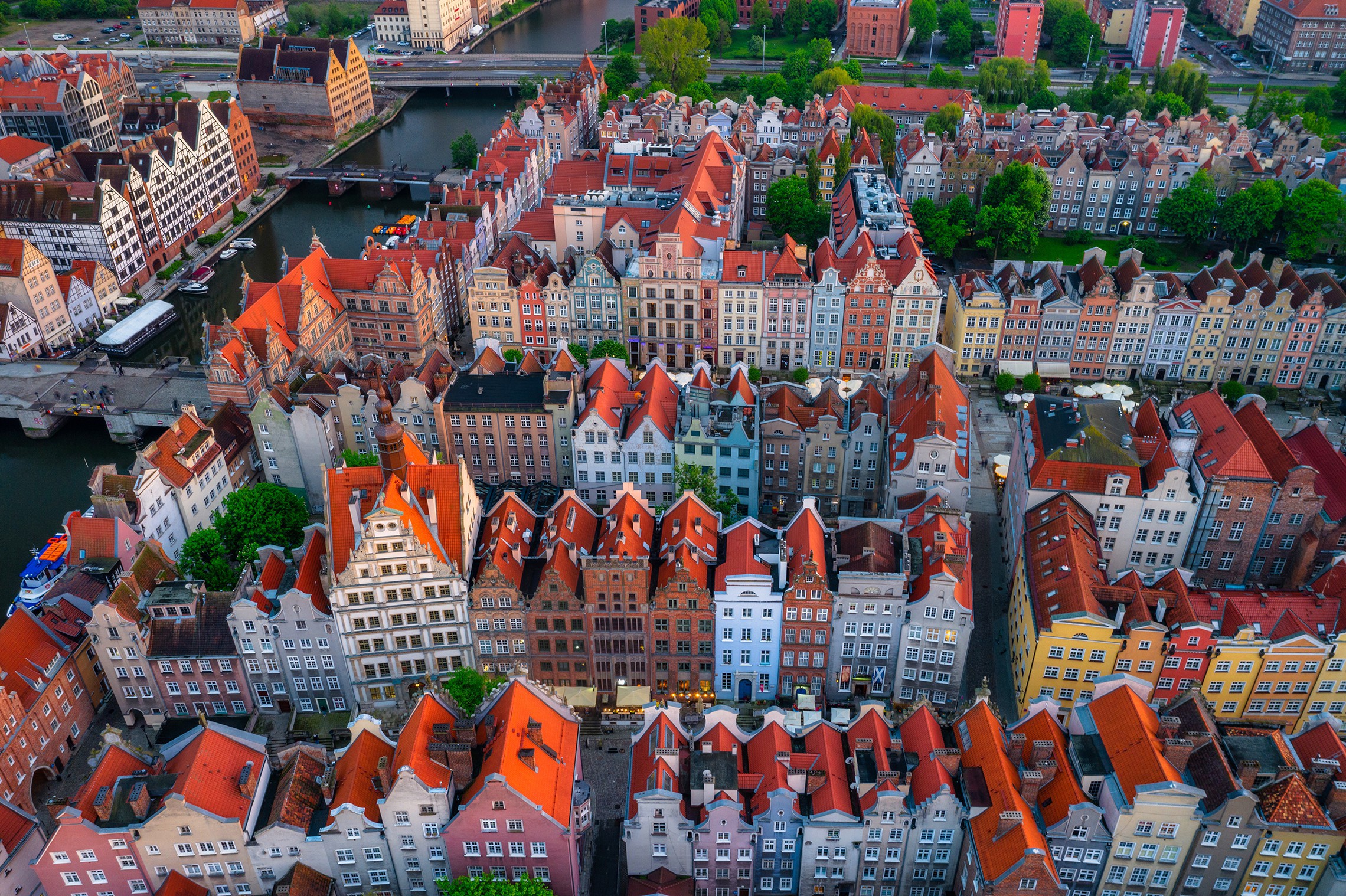
Beyond the historic centre, Gdańsk offers numerous natural and recreational attractions. The charming Oliwa Park offers a peaceful escape into nature, with renowned organ concerts adding to the experience. Sobieszewo Island, home to the Ptasi Raj and Mewia Łacha nature reserves, is perfect for birdwatchers and ecotourism enthusiasts. The city’s wide, sandy beaches – with facilities supporting relaxation and outdoor activities – become a favourite spot in the summer for families, water sports lovers, and cyclists.
Gdańsk is not only a destination for visitors interested in history and culture but also a vibrant hub for active recreation, education, and world-class events, making it one of the most important stops on the tourist map of Poland and the Baltic Sea region.
Culinary tourism in Gdańsk and the wider Tricity is increasingly recognised as a key part of the visitor experience, attracting food lovers and connoisseurs from Poland and abroad. The region boasts a rich gastronomic scene that combines traditional Pomeranian flavours – centred on fresh fish and seasonal products – with innovative cuisine. The presence of Michelin-recognised restaurants confirms the high culinary standards. These establishments not only serve dishes crafted with utmost care and finesse but also promote local products and regional recipes, playing a crucial role in shaping Gdańsk’s culinary identity. This combination of cultural heritage and modern gastronomy has helped the Tricity earn a reputation as a destination that embraces the global trend of culinary tourism, making it a noteworthy stop on Europe’s gastronomic map. Notably, Gdańsk is home to a restaurant awarded a Michelin Green Star, whose owners run the Poland Taste at the Polish Pavilion during EXPO 2025 in Osaka.