Nestled among numerous rivers and lakes, the Podlaskie Voivodship is the least urbanised region in Poland. Its idyllic landscapes and charming towns, along with four national parks – Białowieża, Biebrza, Narew, and Wigry – draw in many visitors. This area is home to the Białowieża Forest, which is listed as a UNESCO World Heritage Site; the Podlaskie Voivodship offers multicultural attractions, with its capital in the welcoming city of Białystok.
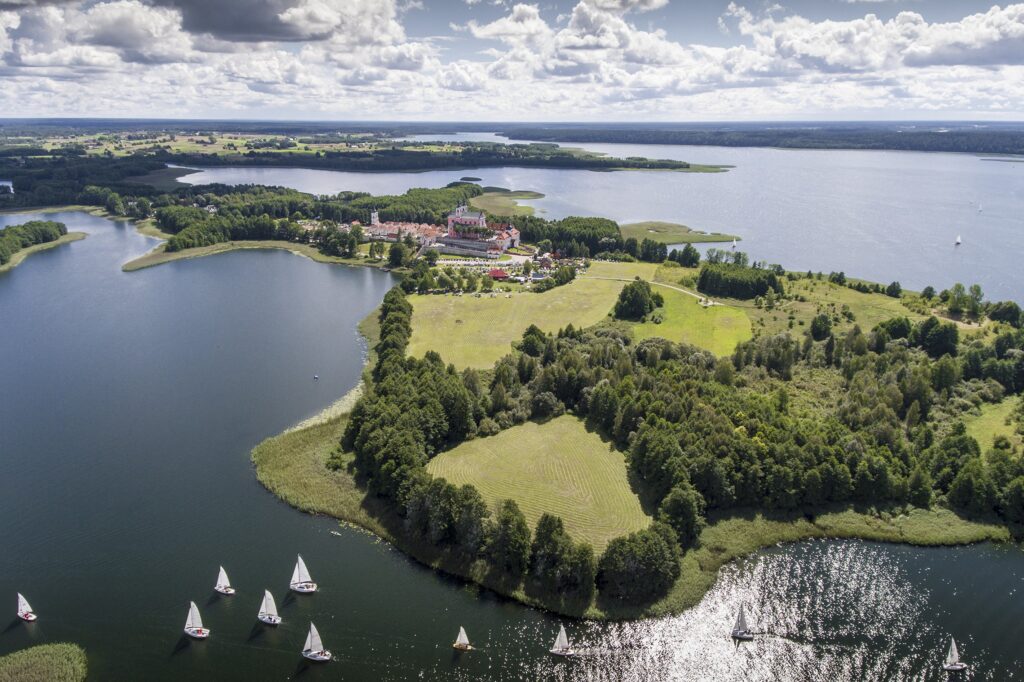
The Podlaskie Voivodship is one of Poland’s most valuable regions, renowned for its natural beauty and rich cultural heritage. It offers a unique experience for travellers seeking authenticity, a connection to nature, and a rich multicultural heritage. Located in the northeast of the country, Podlaskie lies at the crossroads of Polish, Lithuanian, Belarusian, and Tatar influences. For centuries, it has been a place where traditions, languages, and customs have intertwined. This diversity, combined with the region’s exceptional natural environment, gives Podlaskie its distinctive character. Symbols of the region include vast forests, picturesque river valleys, and small towns where time seems to flow more slowly, and every detail tells the story of its inhabitants.
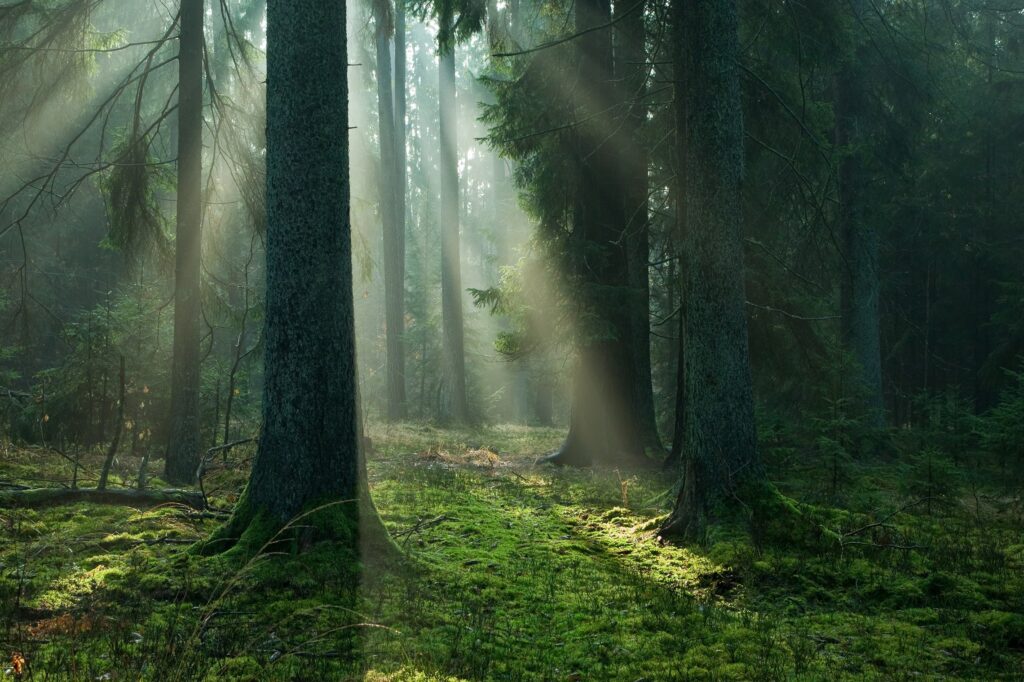
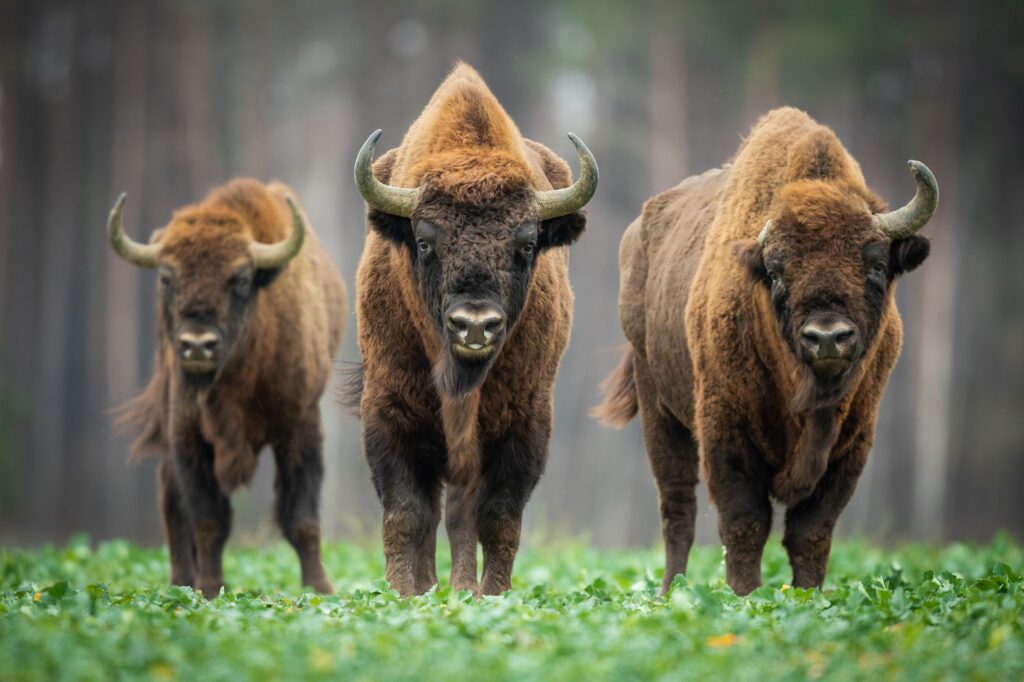
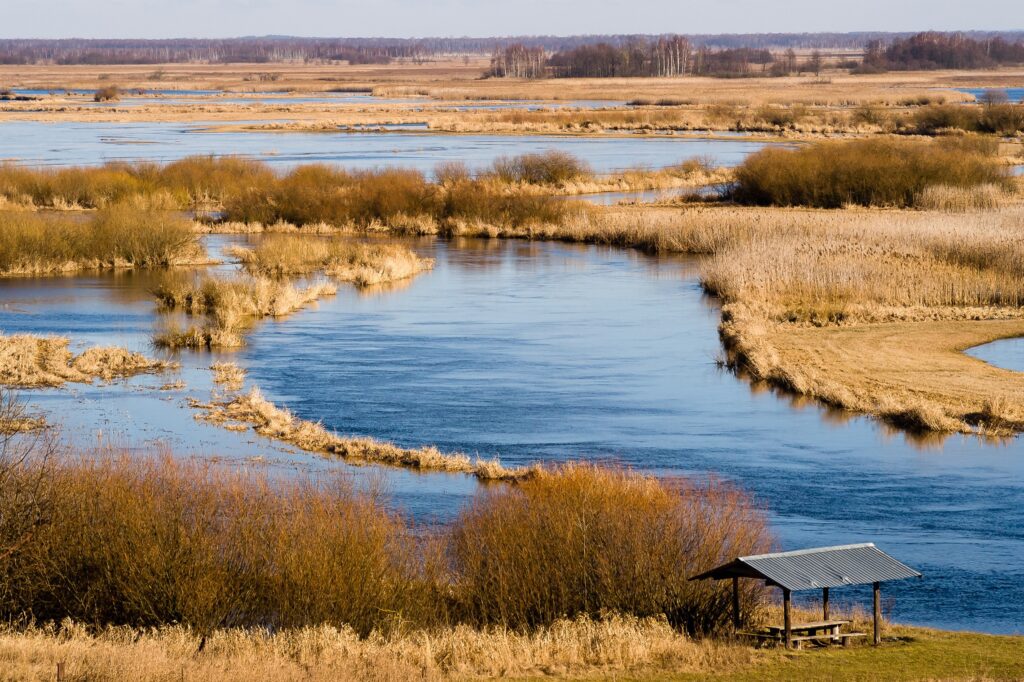
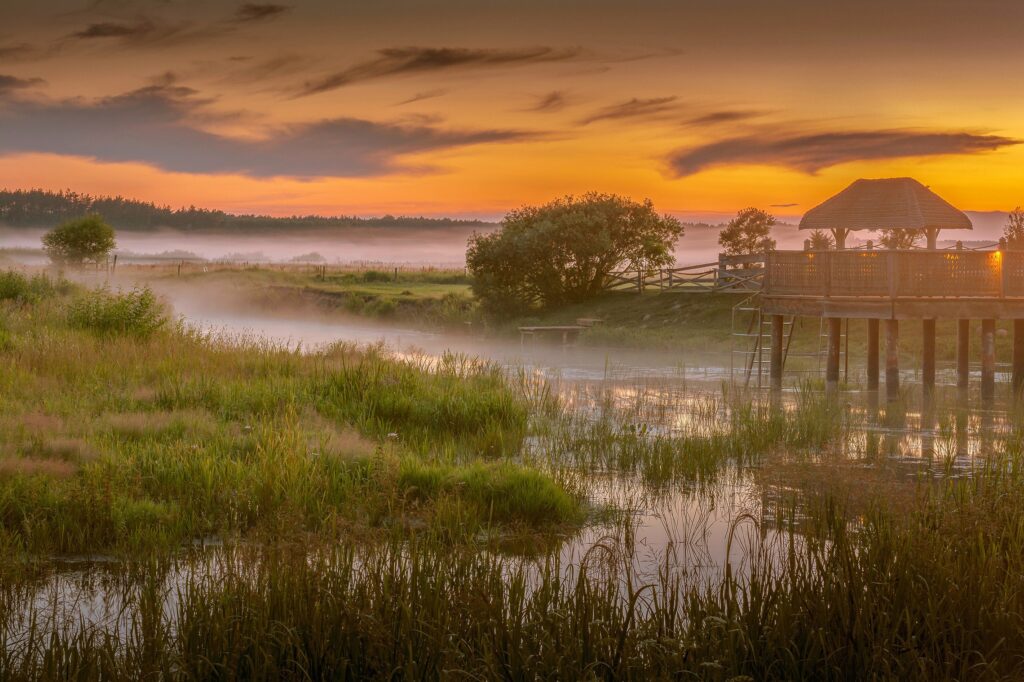
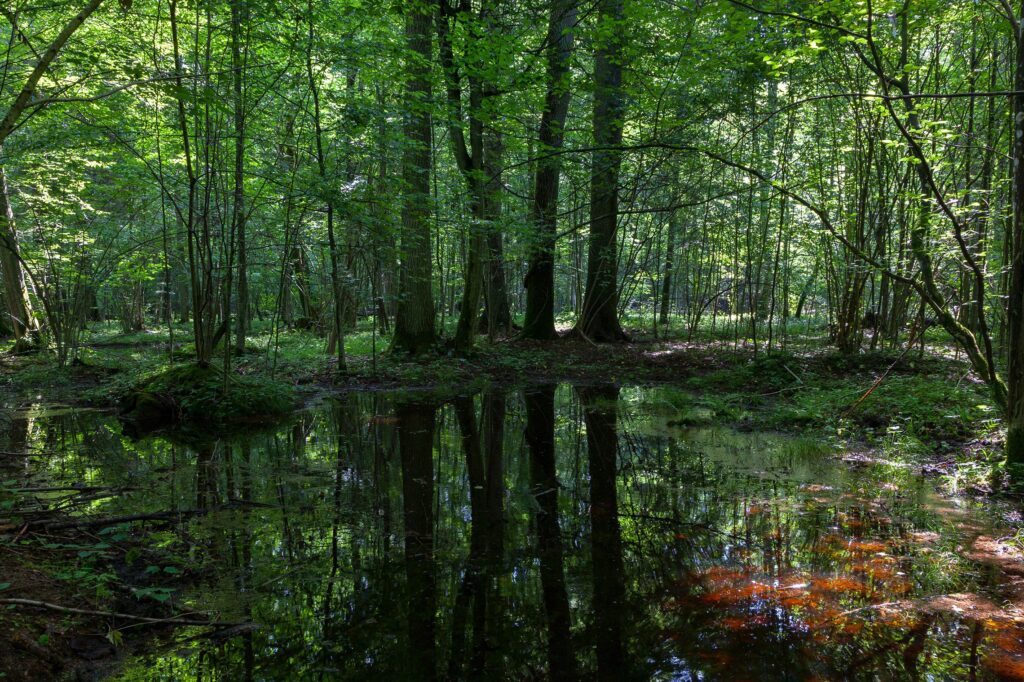
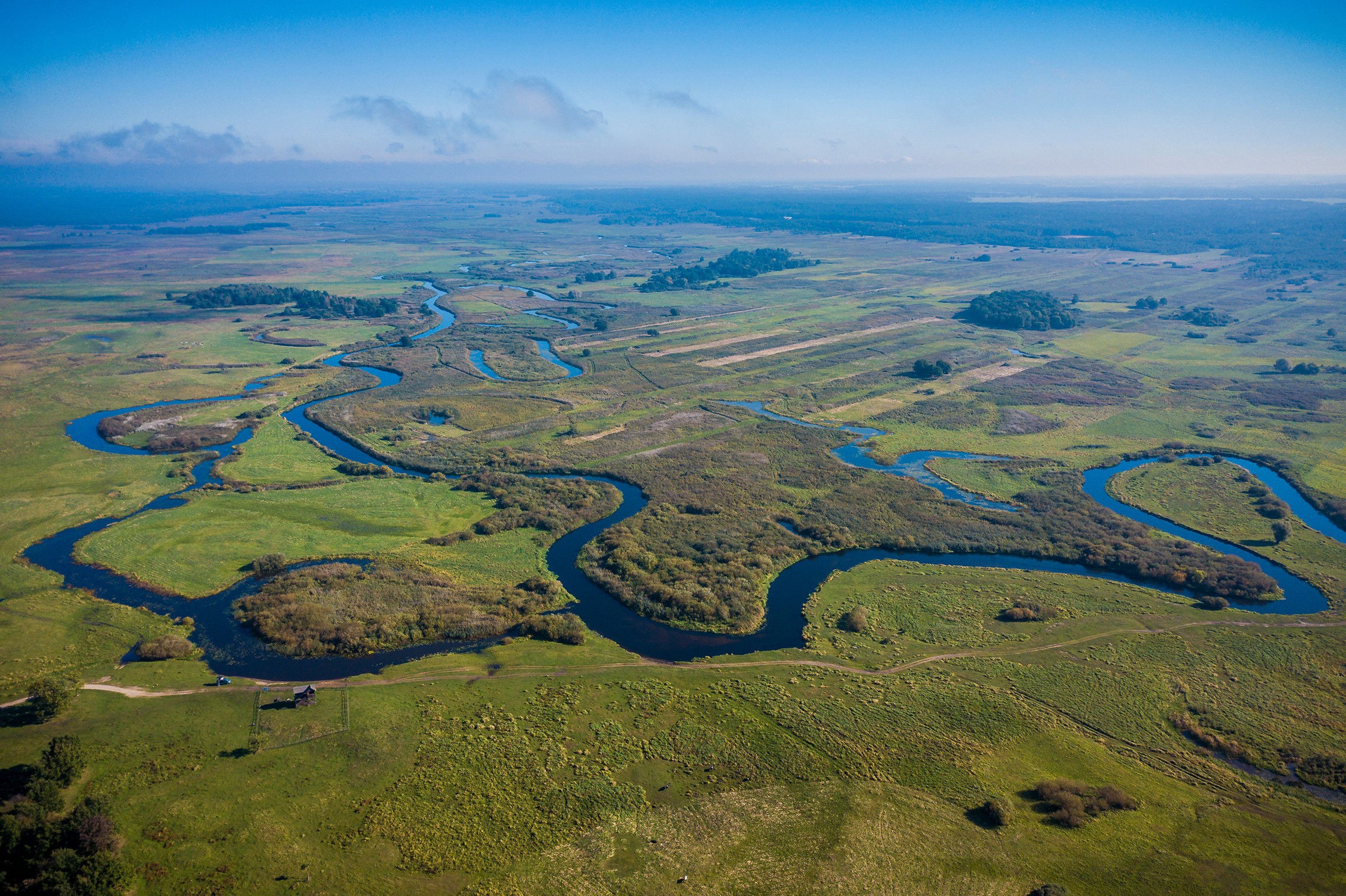
Podlasie’s greatest treasure is its natural environment, much of which is protected within national parks and nature reserves. The Białowieża Forest, a UNESCO World Heritage Site, is one of the last places in Europe where you can experience a primaeval lowland forest and encounter the European bison in its natural habitat. Equally captivating are Biebrza National Park, with its endless peat bogs and abundant birdlife; Wigry National Park, with its crystal-clear lakes; and Narew National Park, often called the “Polish Amazon” for the river’s vast network of channels and oxbow lakes. The region is a paradise for lovers of active tourism – kayakers, cyclists, and hikers alike – offering a wealth of trails and routes to suit all levels of adventure.
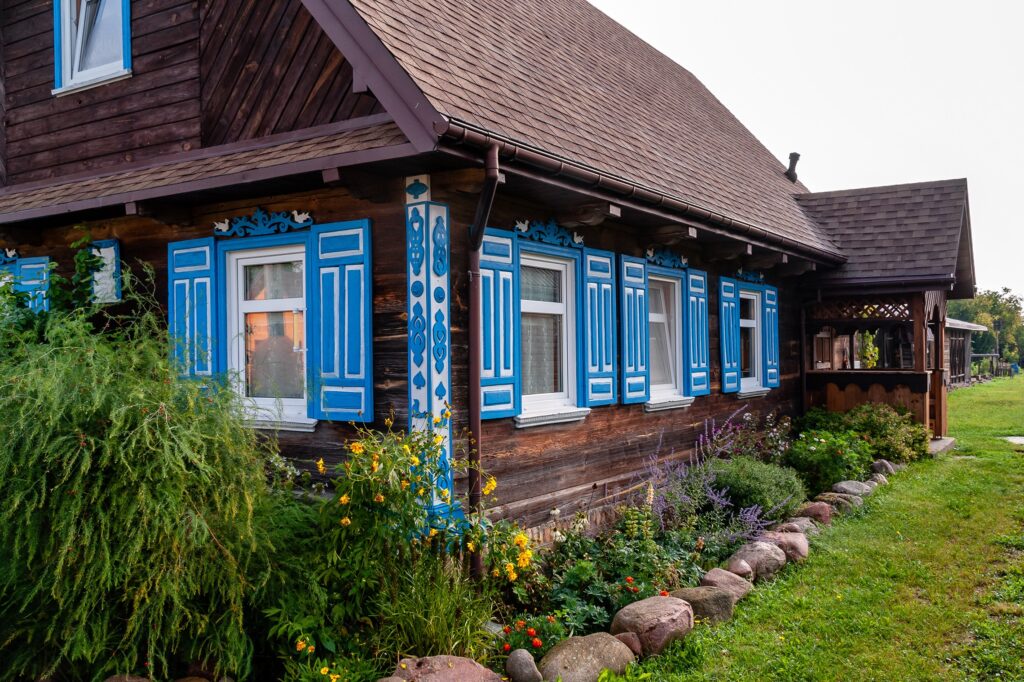
The Podlaskie Voivodship is also a treasure trove of cultural heritage, shaped by centuries of coexistence between different nations and religions. In the region’s landscape, Orthodox temples with beautiful domes stand alongside wooden Catholic churches, Jewish cemeteries, and Tatar mosques – such as those in Kruszyniany and Bohoniki, where the culinary and ceremonial traditions of Poland’s Tatars are still cherished. Białystok, the region’s largest city, blends modern infrastructure with a rich historical legacy. It is home to the Branicki Palace, surrounded by stunning Baroque gardens, as well as numerous cultural institutions and academic centres. Charming towns like Tykocin, boasting a historic synagogue, and Supraśl, known for its monastery and Museum of Icons, offer visitors a unique glimpse into the atmosphere of Poland’s former eastern borderlands.
For years, the Podlaskie Voivodship has been steadily building its reputation as a destination for travellers seeking peace, authenticity, and a close connection with nature, as well as inspiring cultural events. The Jewish Culture Festival in Tykocin, the Muslim Kurban Bayram celebration in Kruszyniany, and the Podlaskie Octave of Cultures in Białystok draw visitors from across Poland and abroad, showcasing the region’s rich traditions in a way that resonates with the modern audience. With its outstanding landscapes and cultural heritage, Podlaskie is a place where you can be active and adventurous or relax and unwind. It is a region where the harmony of nature and multiculturalism tells a story of a diverse, open, and beautiful Poland – a story worth discovering step by step.
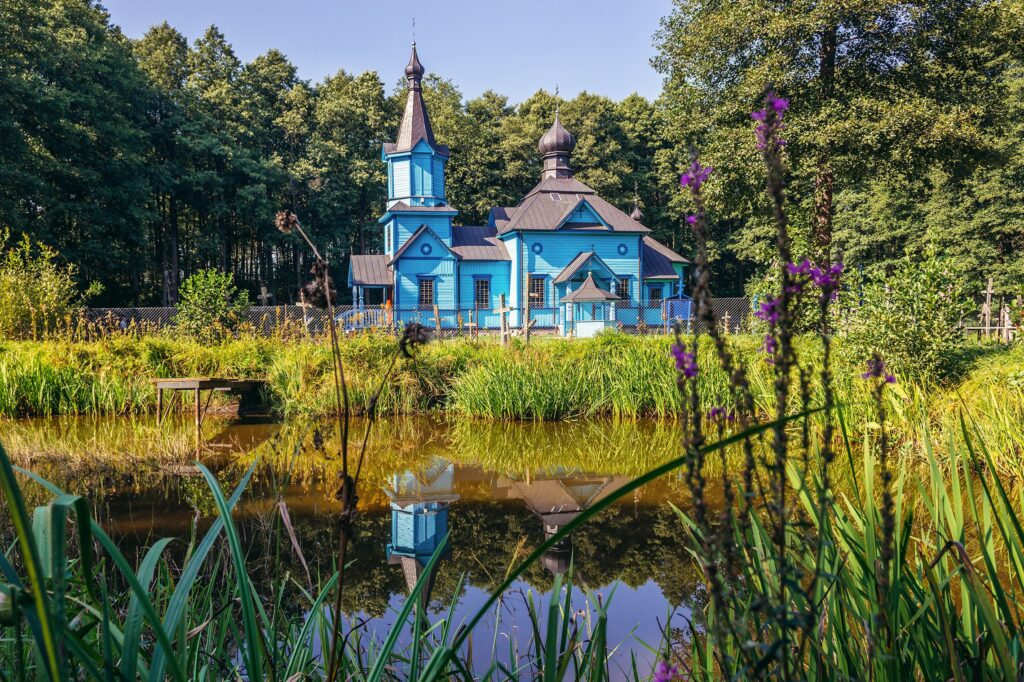
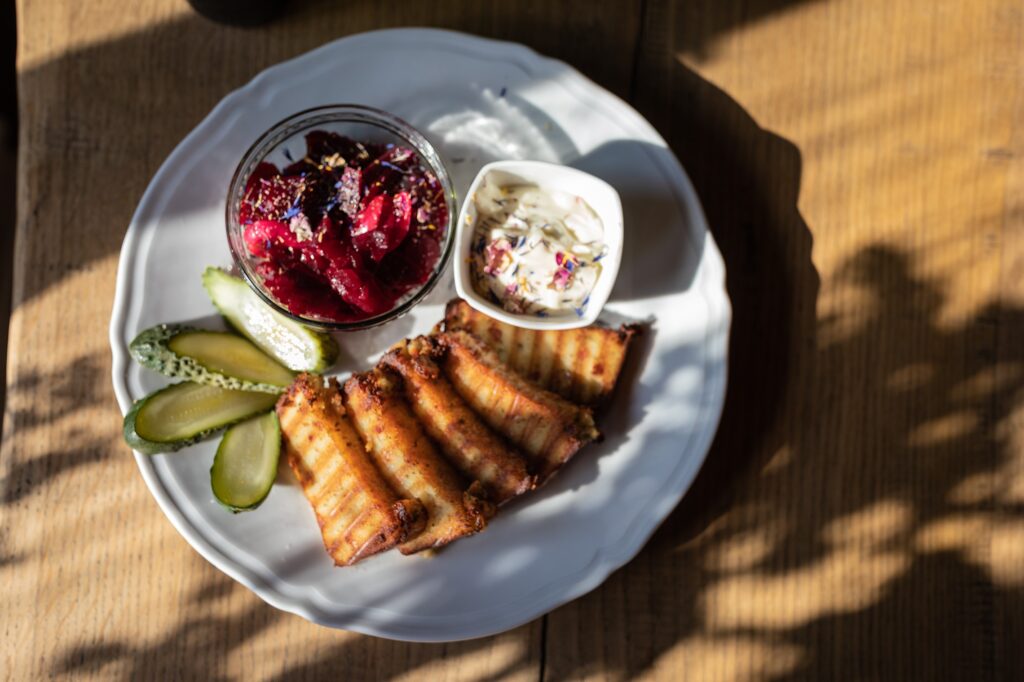
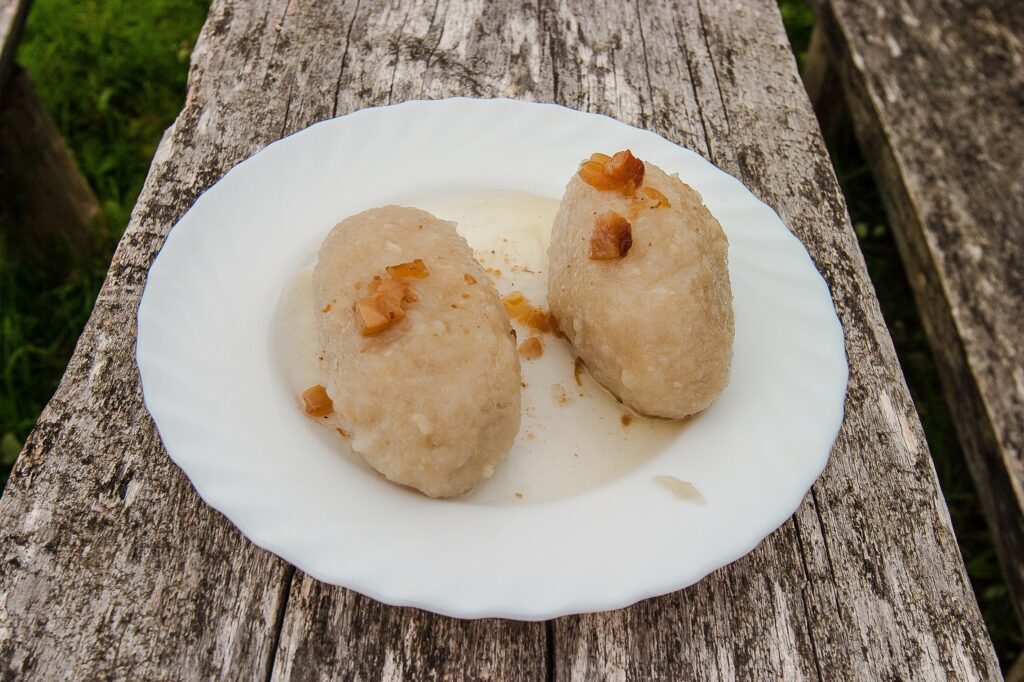
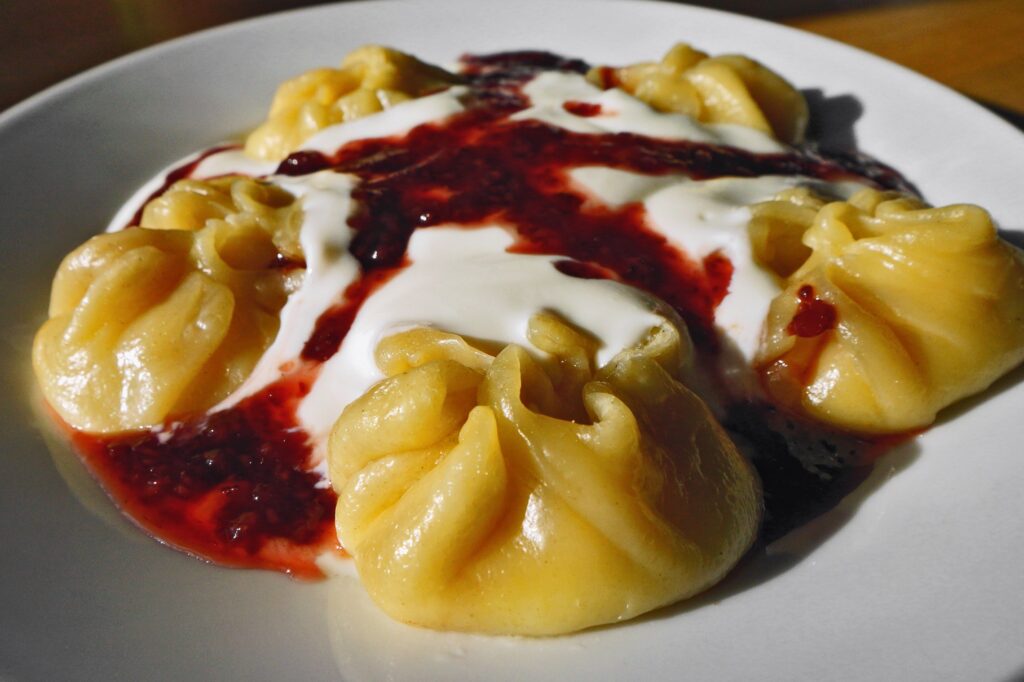
The Podlaskie Voivodship is also a true paradise for lovers of regional cuisine, where Polish, Lithuanian, Belarusian, and Tatar influences blend seamlessly. Local dishes are known for their simplicity, natural ingredients, and rich flavours, often based on centuries-old recipes passed down through generations. Among the specialities gracing the tables are kartacze (potato dumplings with a meat filling), babka and kiszka ziemniaczana (traditional baked potato dishes), as well as fragrant kołduny (meat-filled dumplings). A culinary highlight is Tatar cuisine – pierekaczewnik (layered pastry with meat), czebureki (fried meat pies), and manty (steamed dumplings) – served in Kruszyniany and Bohoniki in an authentic, welcoming atmosphere. The region is also renowned for its high-quality local products, including koryciński cheese, honey from the Białowieża Forest, traditional cured meats, and bread baked according to time-honoured methods. The flavours of Podlasie are an inseparable part of any journey through the region, with numerous food festivals and regional markets giving visitors the chance to discover its culinary heritage right at the source.

Regional capital
Białystok, the capital of the Podlaskie Voivodship, is a remarkable city where history, culture, and unique natural surroundings come together, making it a key destination on the tourist map of eastern Poland. Offering visitors a wide range of attractions, Białystok stands out as a dynamic academic and cultural centre, where tradition meets modernity and cultural diversity creates a distinctive atmosphere, fostering exploration of history and art in an authentic setting.
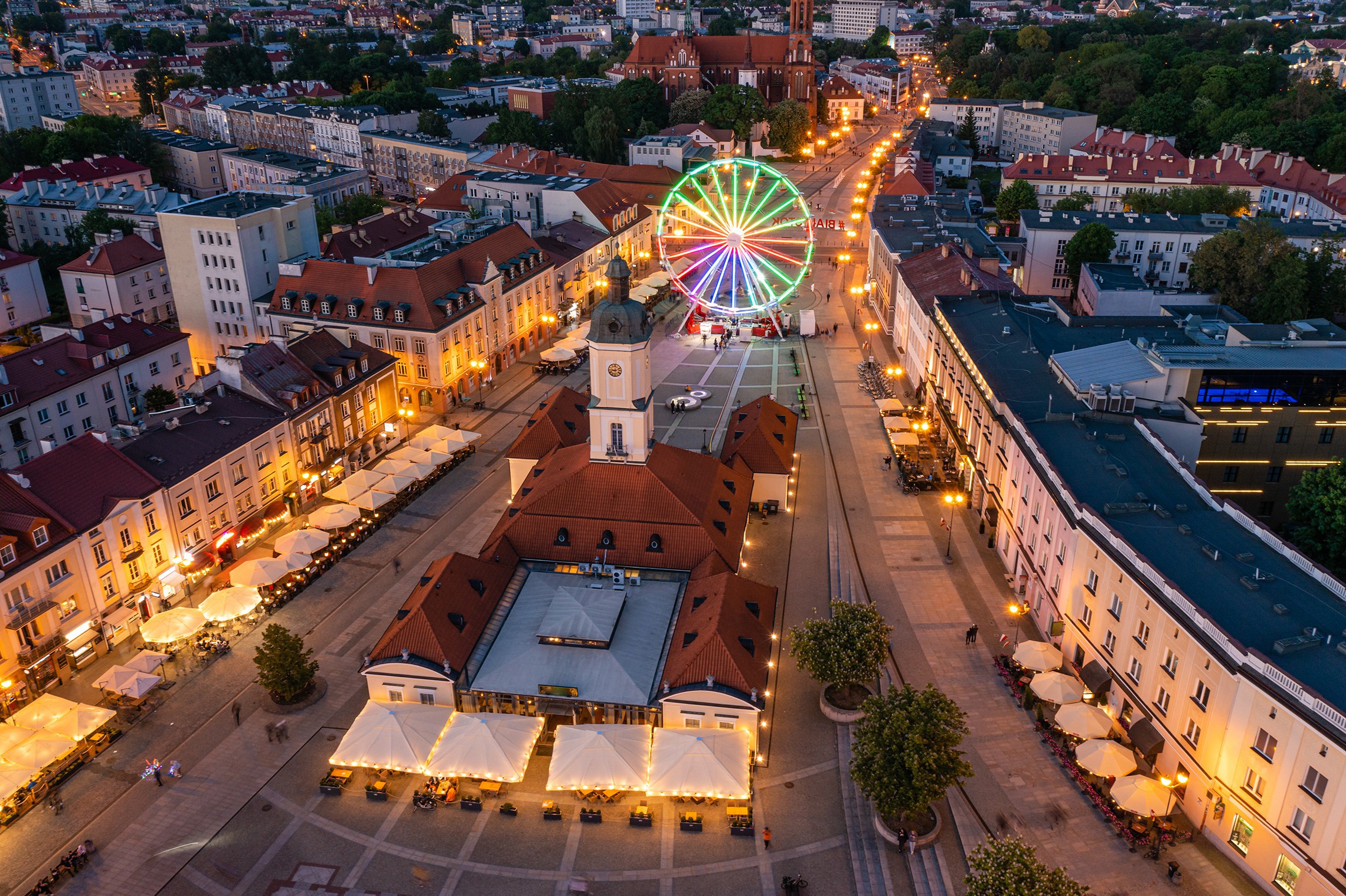
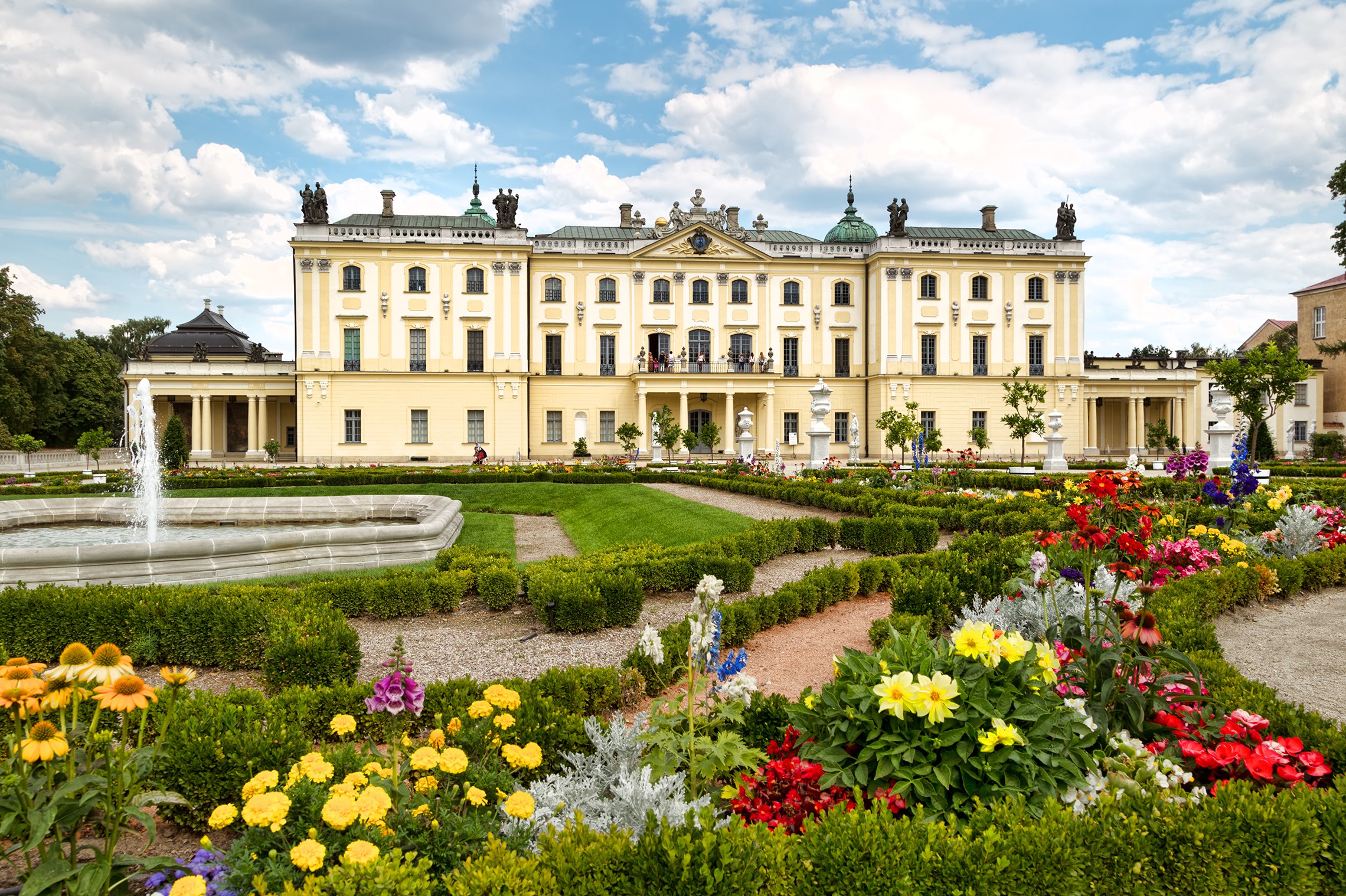
At the heart of the city lies the extraordinary Branicki Palace and garden ensemble, often called the “Versailles of the North” or the “Polish Versailles.” This Baroque complex, the city’s signature landmark, not only impresses with its monumental beauty but also reflects the rich history and influence of the magnate family that shaped Białystok’s development.
Białystok is also a city of religious diversity, as highlighted by the Trail of Orthodox Temples and the extensive Białystok Temples Trail. Its crowning jewel is the Church of the Holy Spirit – the largest Orthodox church in Poland – famous for its impressive iconostasis and the monumental panikadilo chandelier, whose size and weight make it unique in Europe.
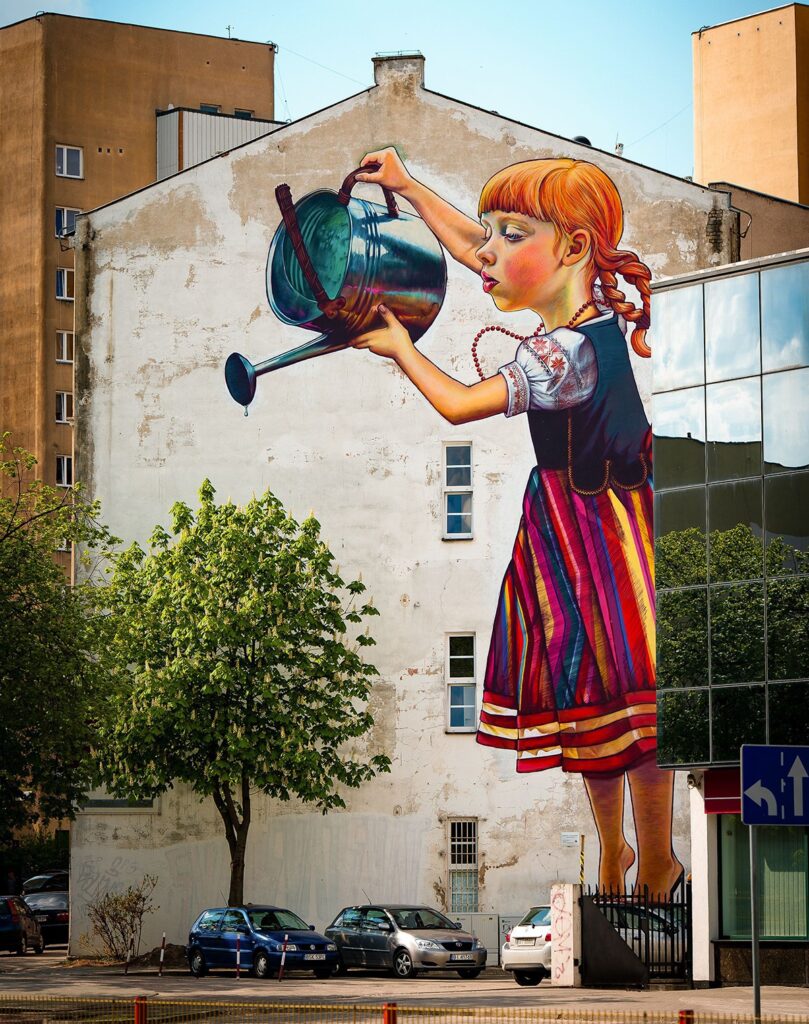
Another distinctive feature of Białystok is its multicultural heritage, evident not only in its historic monuments but also throughout the urban landscape, which is adorned with numerous murals featuring historical, social, and natural themes. Among them stand out Natalia Rak’s “Girl with a Watering Can” and works by the renowned Italian artist Millo. This contemporary art brings a fresh vibrancy to the city, highlighting how Białystok seamlessly blends tradition with modernity, making it an appealing destination for a broad audience.
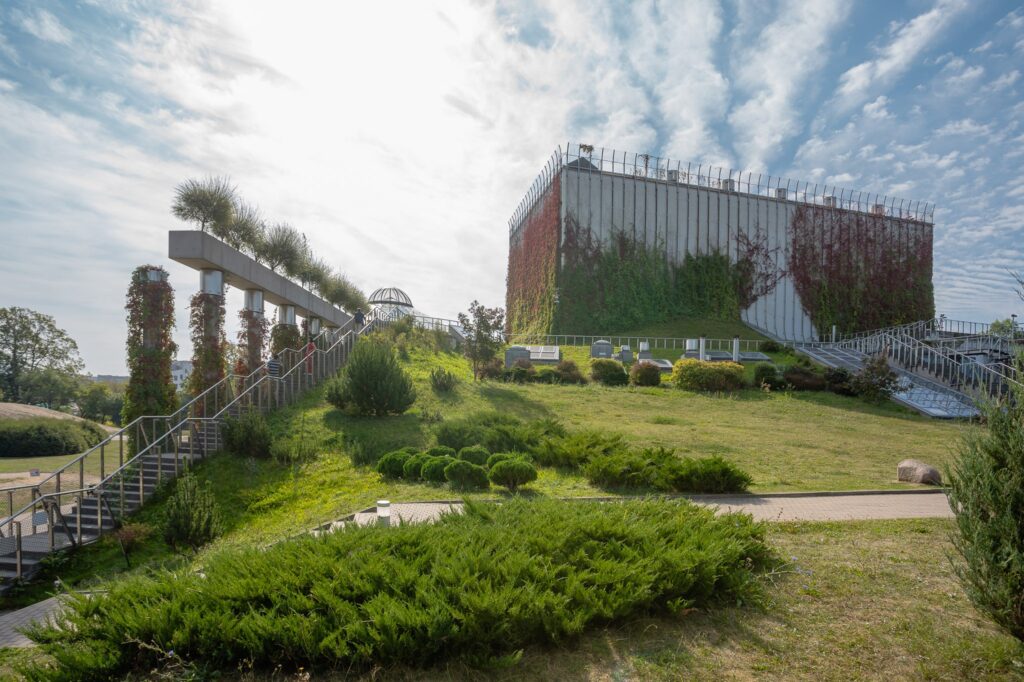
The city is bustling with cultural life all year round, hosting numerous festivals and events that attract both the local community and visitors from across Poland and abroad.
Thanks to its location at the edge of the Białowieża Forest and its proximity to other unique green areas, such as Białowieża National Park, Białystok serves as a perfect base for travellers looking to combine city exploration with encounters with wild nature. In a commitment to the comfort of residents and visitors alike, the city has implemented numerous ecological projects, including green bus stops and flowering meadows, which enhance the quality of life and reinforce Białystok’s image as a friendly, modern metropolis.
Białystok is not only a testament to rich history and multiculturalism but also a vibrant, evolving city that forms an integral part of Poland’s tourism mosaic. Its unique character – blending architectural gems, art, culture, and nature – makes it an appealing destination for tourists who appreciate both heritage exploration and active recreation.