The Podkarpackie Voivodship is one of Poland’s most scenic regions, with stunning natural landscapes including the Bieszczady National Park, historic castles and palaces, and numerous spa towns. The region also offers excellent opportunities for active and specialised tourism. Its unique cultural heritage is highlighted by the wooden Orthodox churches, which are recognised as UNESCO World Heritage Sites.
The Podkarpackie Voivodship, situated in southeastern Poland, is a region with remarkable tourism potential. It offers beautiful landscapes, a rich cultural heritage, and a well-developed infrastructure for outdoor activities. The regional capital, Rzeszów, serves as a lively administrative, cultural, and economic centre, offering an ideal base for further exploration.
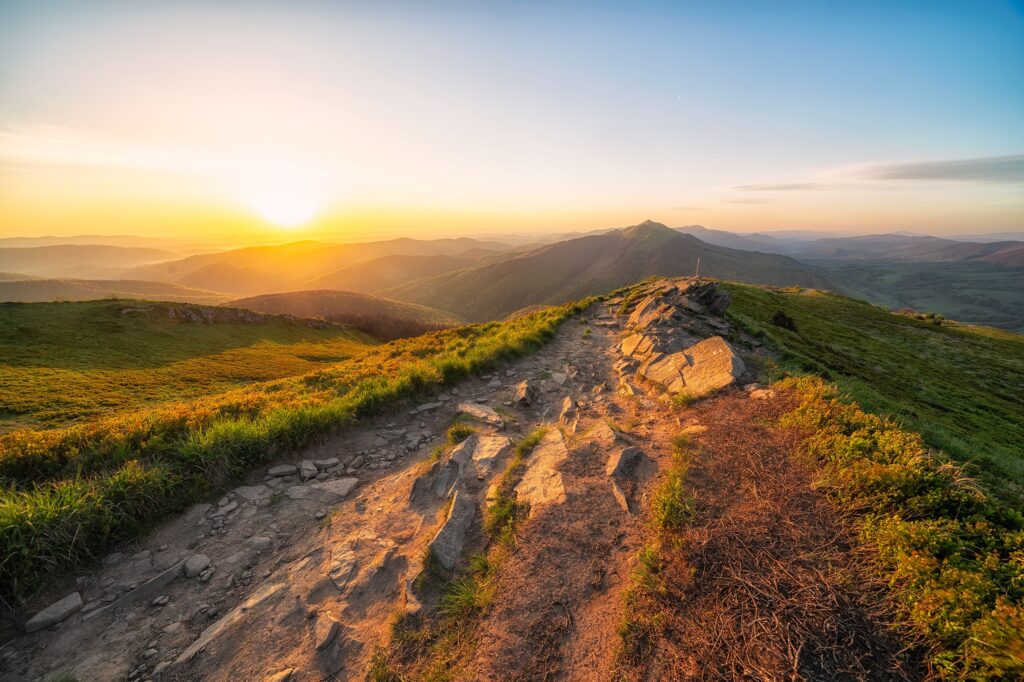
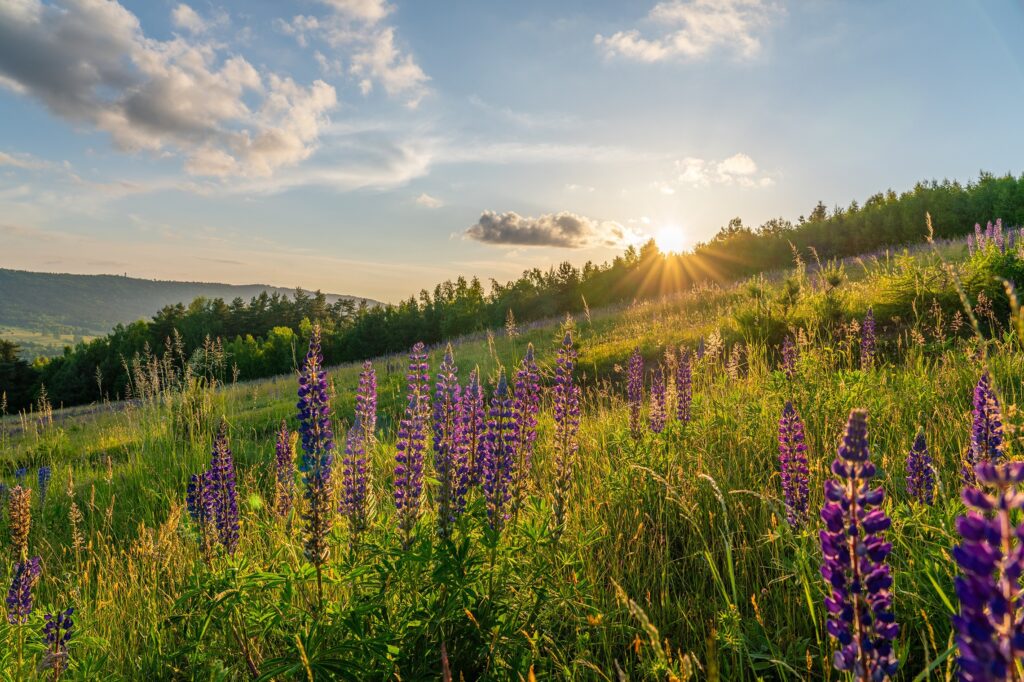
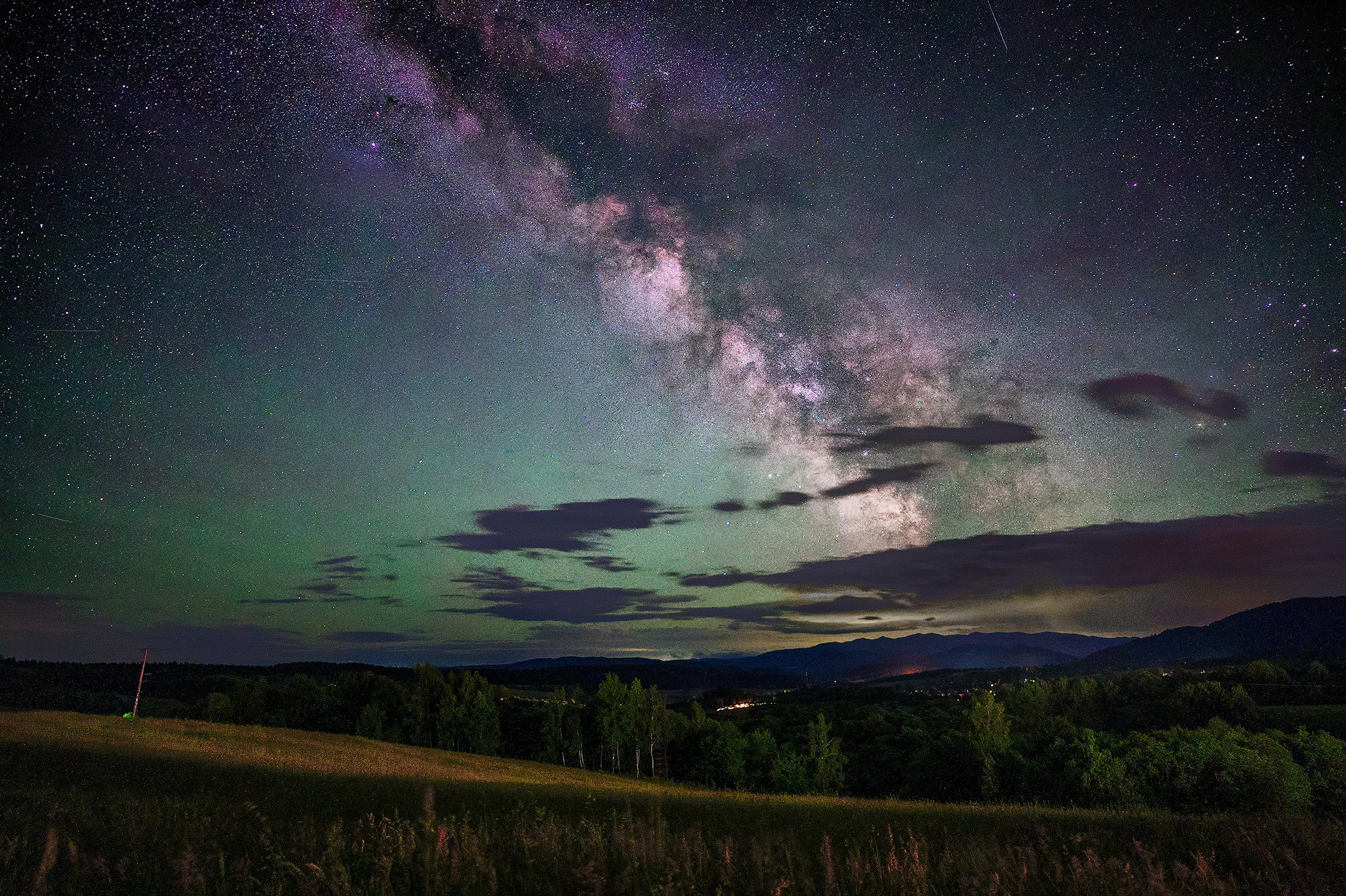
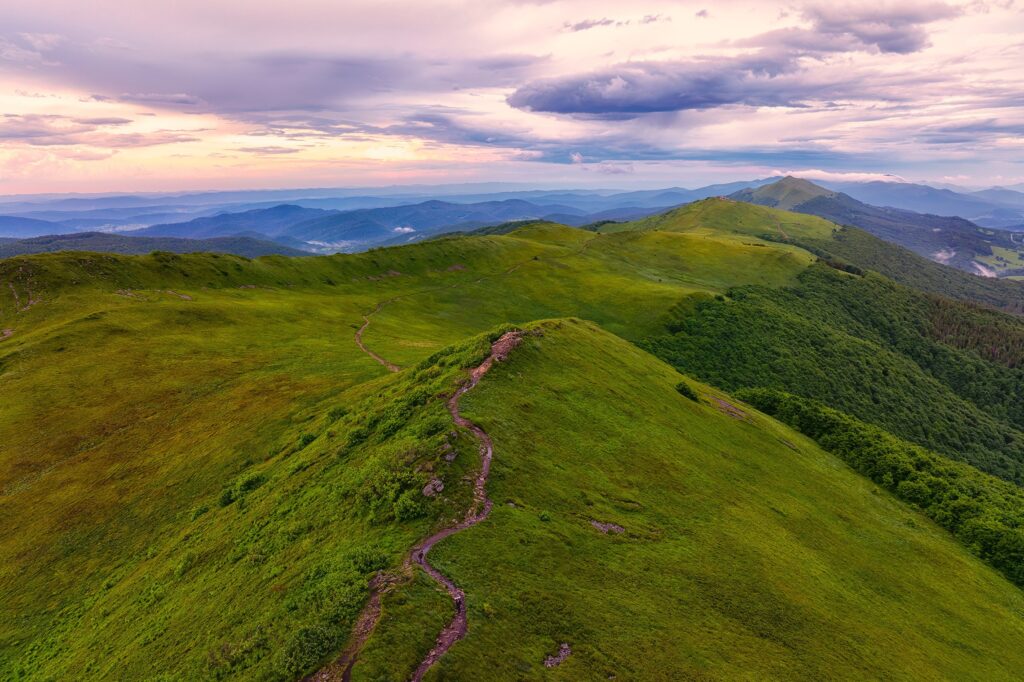
Podkarpackie stands out among other voivodships for its unique landscape, particularly the Bieszczady Mountains, one of the most unspoiled and verdant areas in Poland. The Bieszczady National Park is a natural treasure, offering numerous hiking and horseback trails that allow visitors to connect with pristine nature and admire sweeping views of the montane meadows. The region is also known for unique attractions such as the Milky Way Shows at the Bieszczady Starry Sky Park, where under exceptional weather conditions visitors can witness spectacular astronomical phenomena, with souvenir photos under the stars making for unforgettable keepsakes. The variety of recreational opportunities is further enriched by the chance to explore the area on bicycle-powered rail carts, travelling along the scenic routes of the former Bieszczady railway.
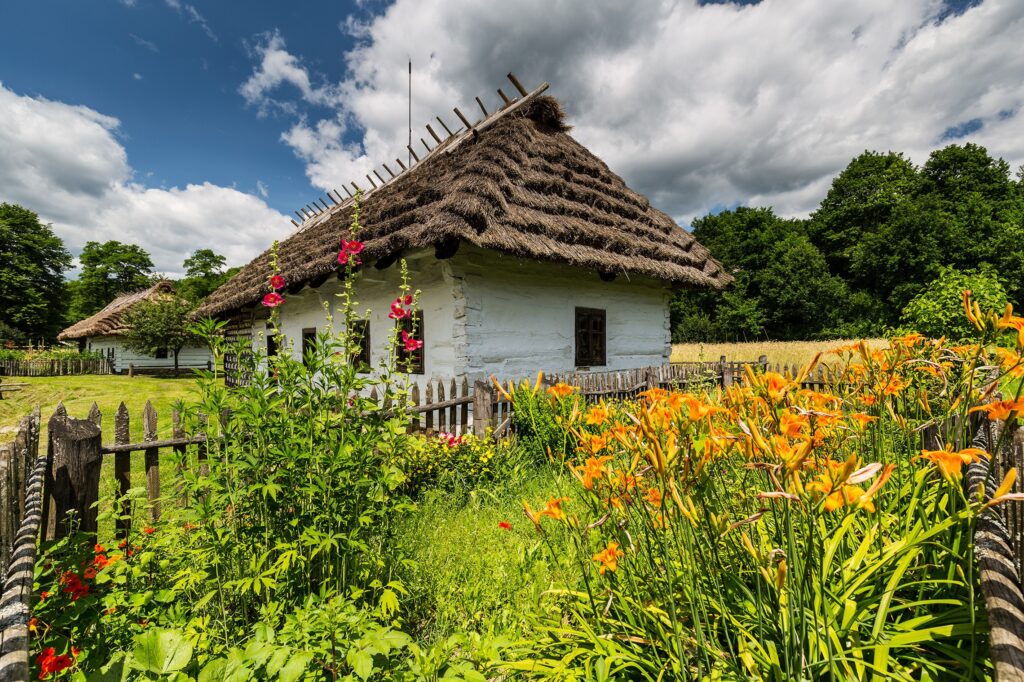
This voivodship is also a place of rich cultural and historical heritage, which naturally enhances its appeal to tourists. Sanok, known as the “Gateway to the Bieszczady Mountains”, charms visitors with its historic Old Town perched on a slope above the San River and its impressive collections of Orthodox art housed in the Royal Castle, including icons and works by Zdzisław Beksiński. The Sanok Museum of Folk Architecture, the first open-air museum in Poland, is particularly noteworthy. It features authentic religious and secular buildings that highlight the lives of historic ethnic groups such as the Boykos, Lemkos, and Polish Uplanders (Pogórzanie). These sites provide visitors with a deeper understanding of the region’s multicultural history and traditions.
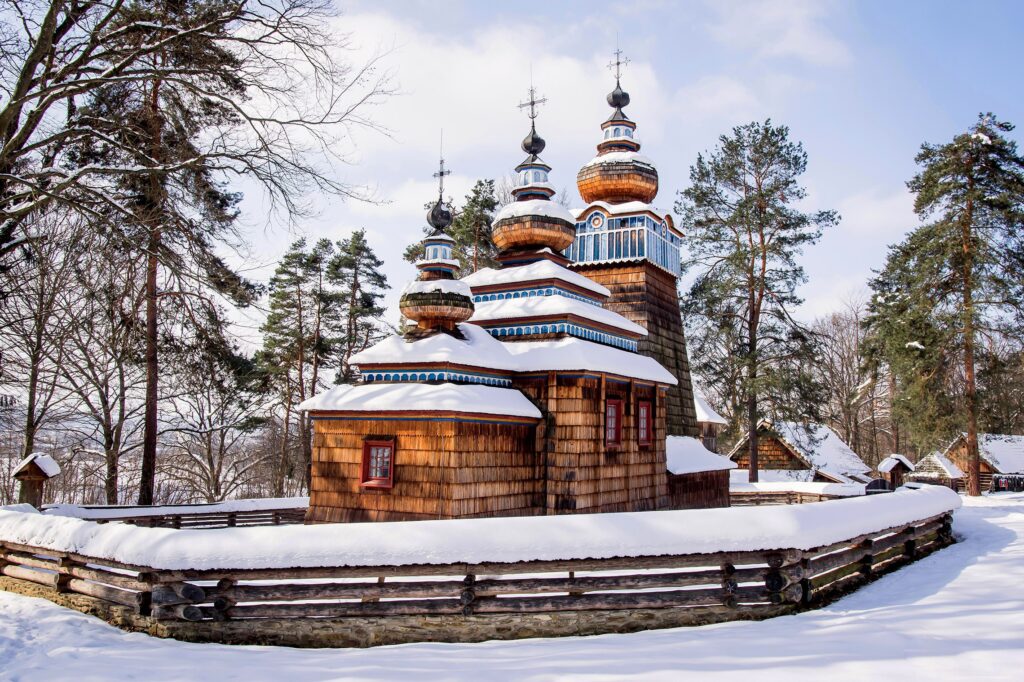
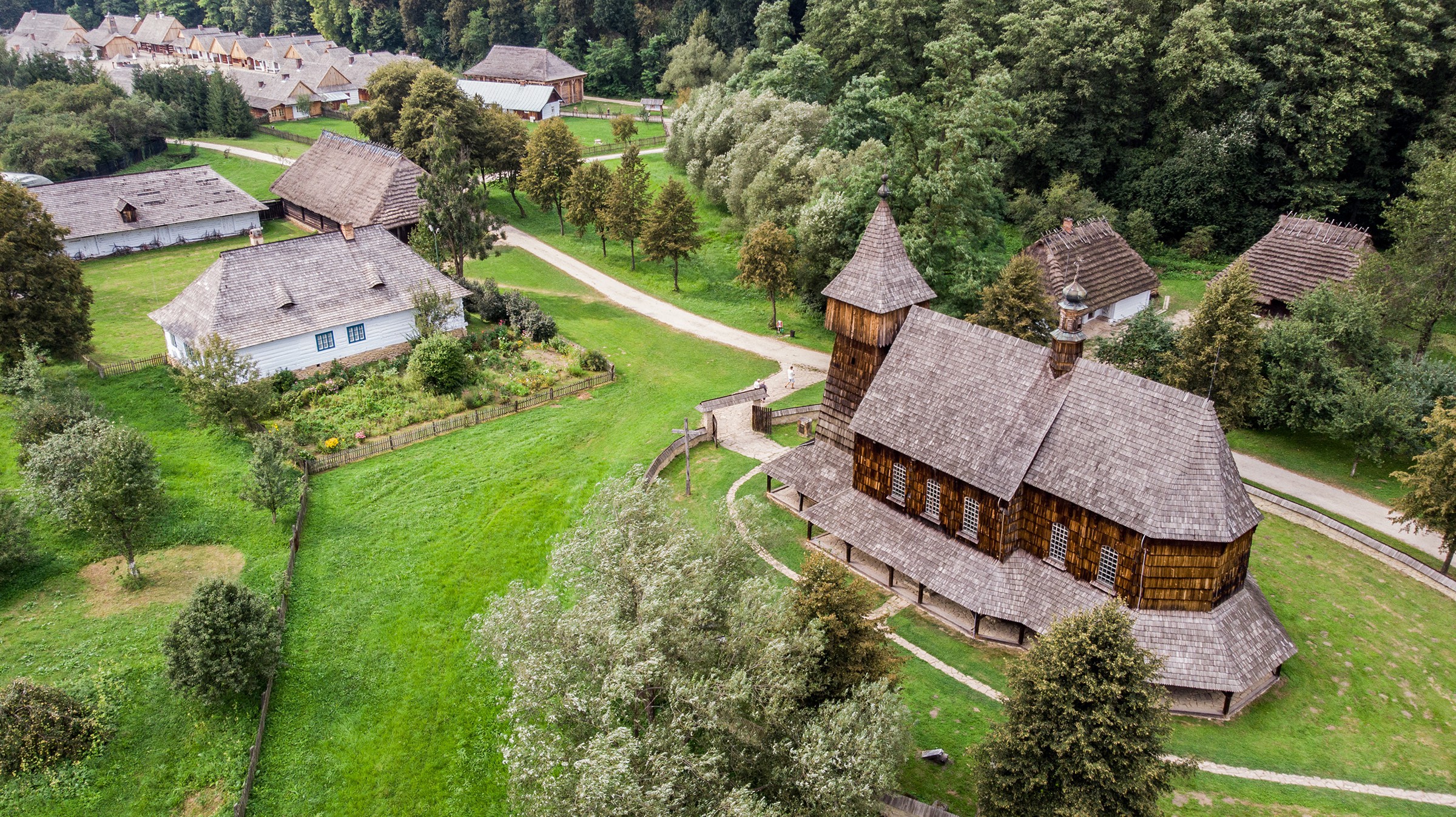
Podkarpackie is also the birthplace of Poland’s glassmaking industry. The city of Krosno, known for over 500 years of glass production, along with its Glass Heritage Centre, attracts enthusiasts of applied arts and craftsmanship. Another notable stop on the region’s tourist map is Bóbrka, home to a museum commemorating the world’s first oil well and Ignacy Łukasiewicz, a pioneer of the petroleum industry, making Podkarpackie an important destination for those interested in the history of technology and industry.
In terms of both landscape and history, the region is exceptionally diverse – the Low Beskids and the Roztocze area offer numerous hiking trails and unique examples of wooden architecture, including the wooden Orthodox churches inscribed on the UNESCO World Heritage List. The area is also home to nature reserves with distinctive rock formations and historic castle ruins, such as Kamieniec in Korczyna-Odrzykoń, which stand as witnesses to the region’s rich past and inspire numerous legends.
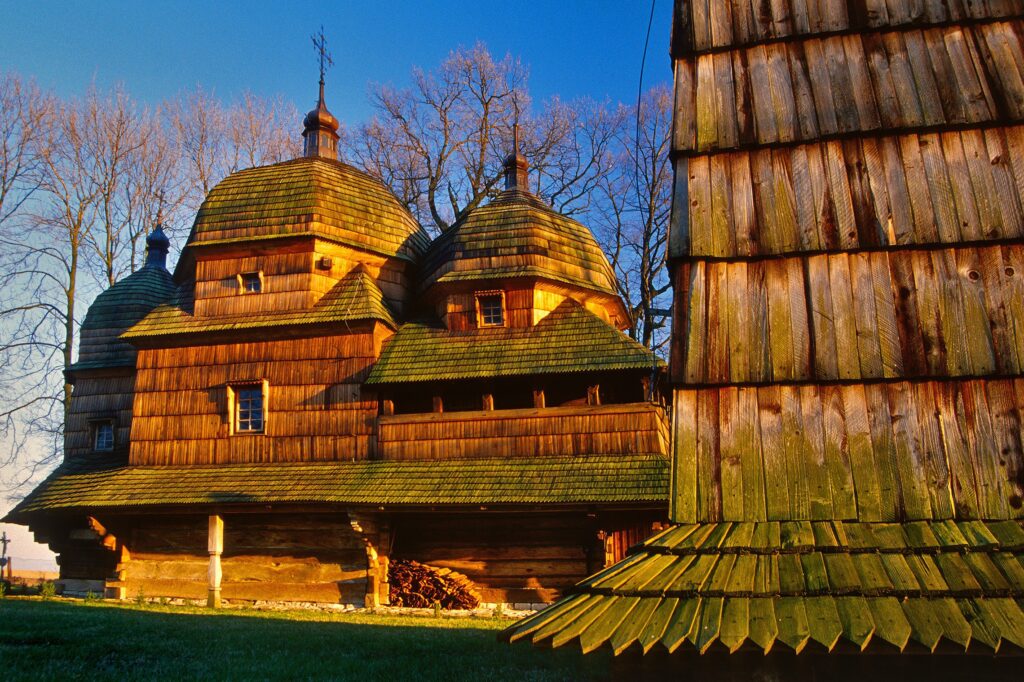
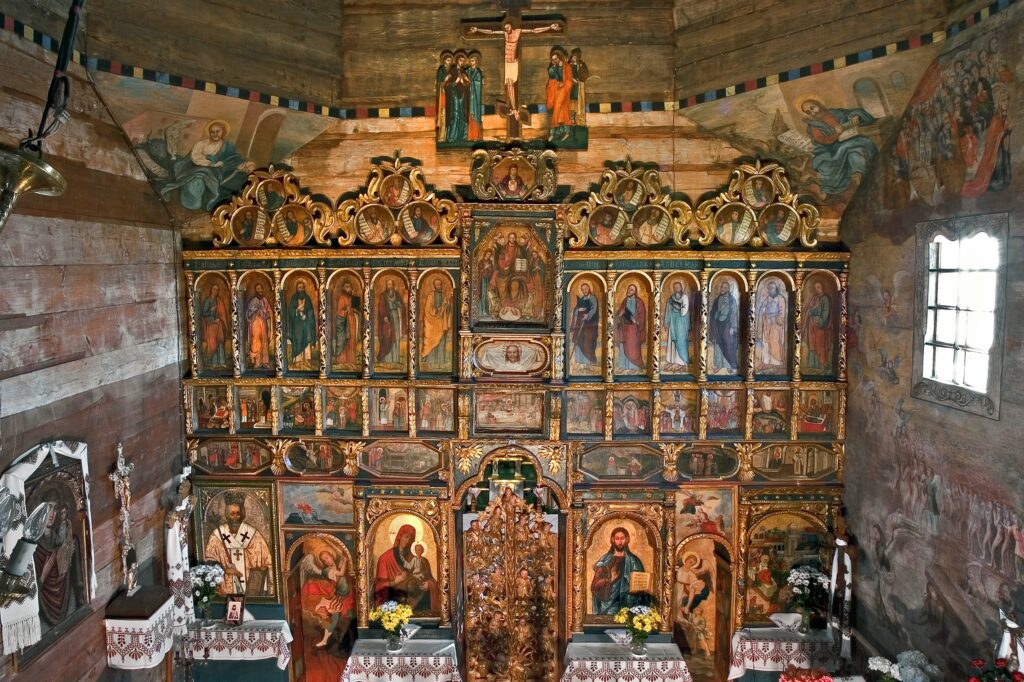
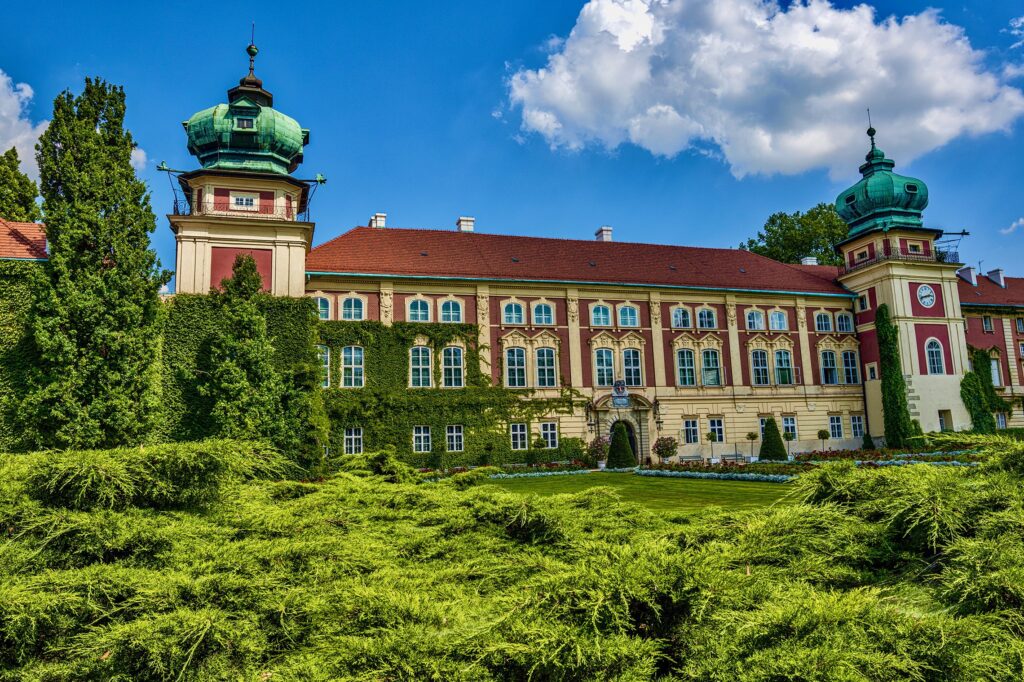
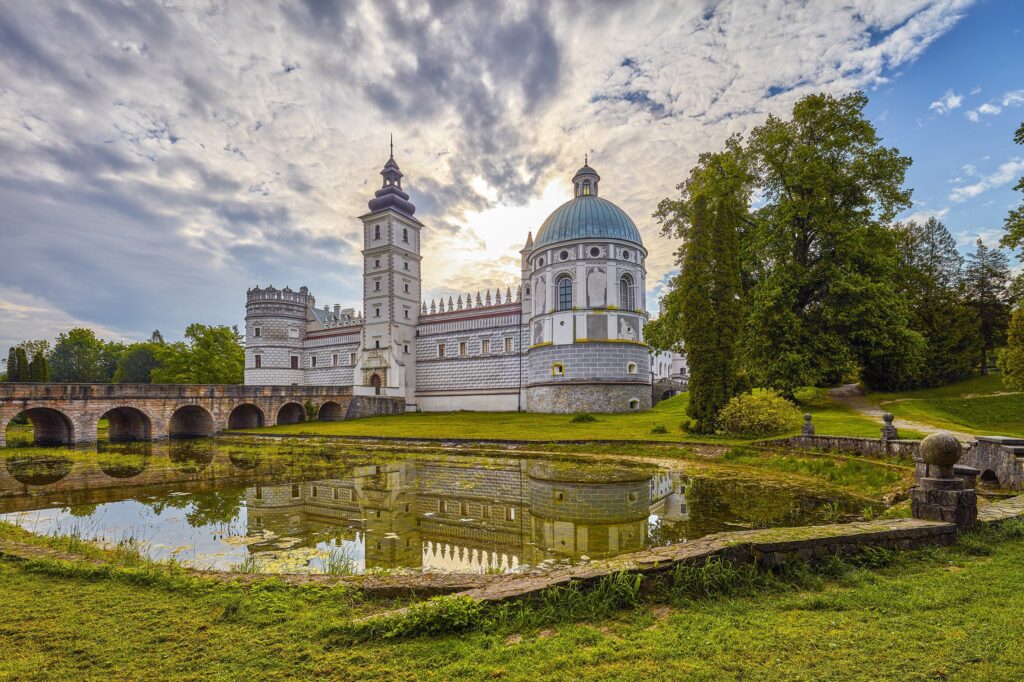
Podkarpackie is renowned for its exceptional architectural heritage, symbolised by the Wooden Architecture Route, which spans over 1,200 km and features 127 historic religious and secular buildings. Among these are some of the oldest wooden churches, such as the one in Haczów, and the unique polychrome paintings in Blizne, both of which showcase the richness of local artistic and religious traditions. Another attraction is the Carpathian Route of Gardens and Historic Houses, which offers visitors the chance to explore aristocratic residences, most notably the castles in Łańcut and Krasiczyn – jewels of Polish Renaissance architecture that captivate with their history, interiors, and surrounding parklands.
An integral and important element of the region is its growing winemaking culture, which has become a key part of the local offering. The Podkarpackie Wine Route brings together dozens of wine producers, continuing traditions that date back to the Middle Ages. Local wines pair perfectly with the traditional dishes of the region’s cuisine. This diversity of flavours includes both well-known and unique specialities, such as proziak, hartacze, and kugiel, offering authentic culinary experiences and highlighting the multicultural character of the region.
Podkarpackie is also home to numerous cultural events and festivals of both regional and supraregional importance, strengthening the voivodship’s image as a dynamic centre of artistic life.
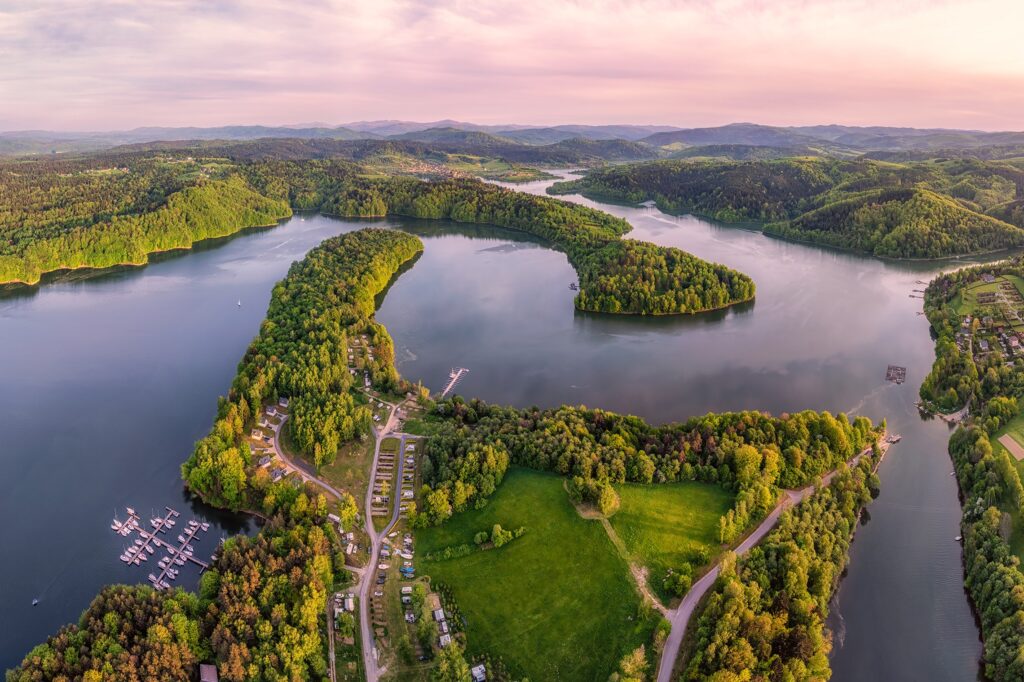
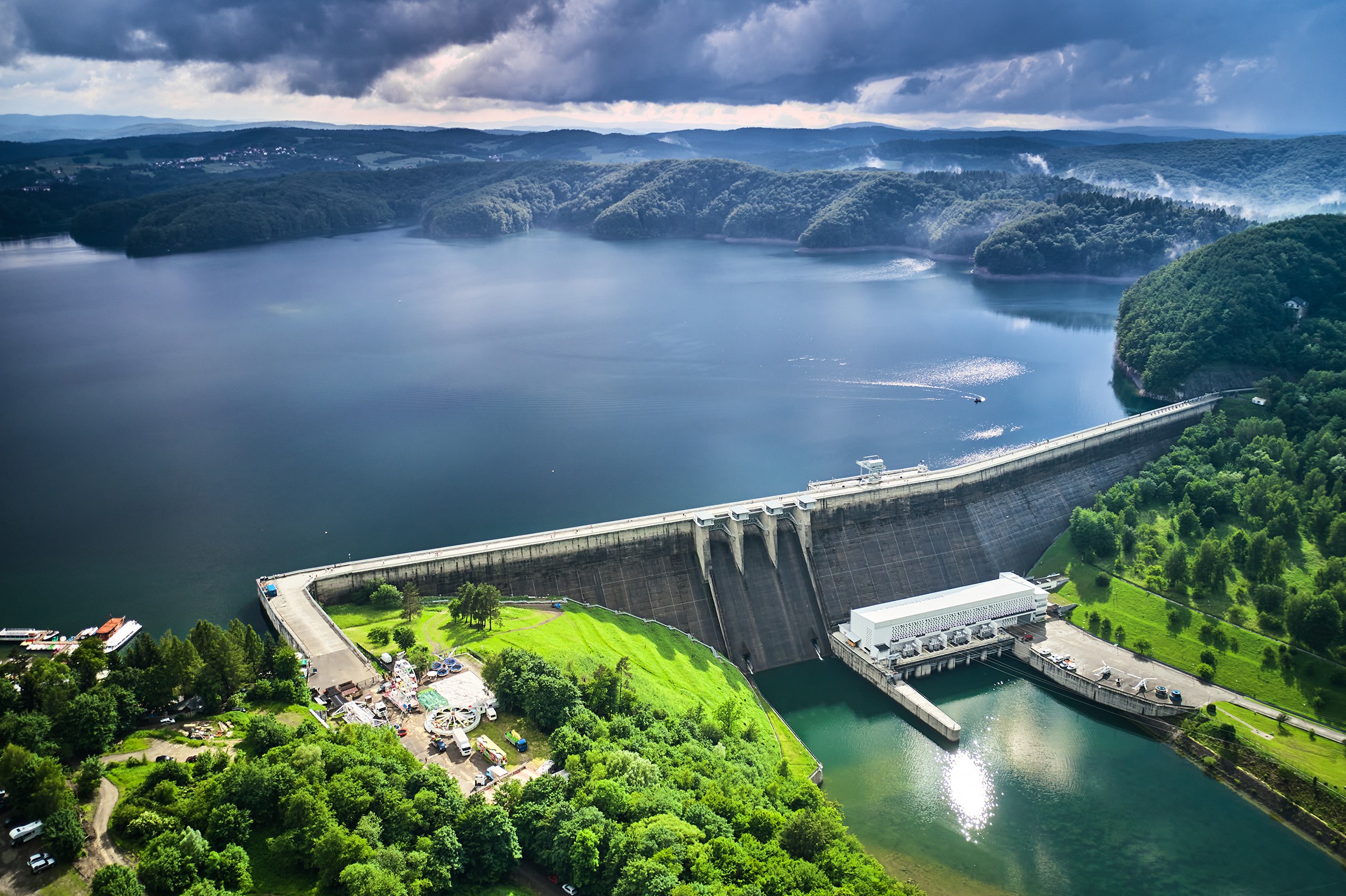
The Podkarpackie Voivodship is a destination of unique character, where nature and history coexist in harmony with modern tourism. Its wealth of natural beauty, remarkable monuments, multicultural heritage, and developing tourist infrastructure make Podkarpackie attractive to a wide range of visitors – from enthusiasts of active and specialised tourism, lovers of history and culture, to fans of fine food and winemaking. It is well worth planning a trip to Podkarpackie to discover its many treasures and experience genuine Polish hospitality amid beautiful landscapes and a rich cultural heritage.
Regional capital
Rzeszów, the capital of the Podkarpackie Voivodship, is a dynamically developing economic, academic, and cultural centre in southeastern Poland, blending rich history, modernity, and authentic regional character.
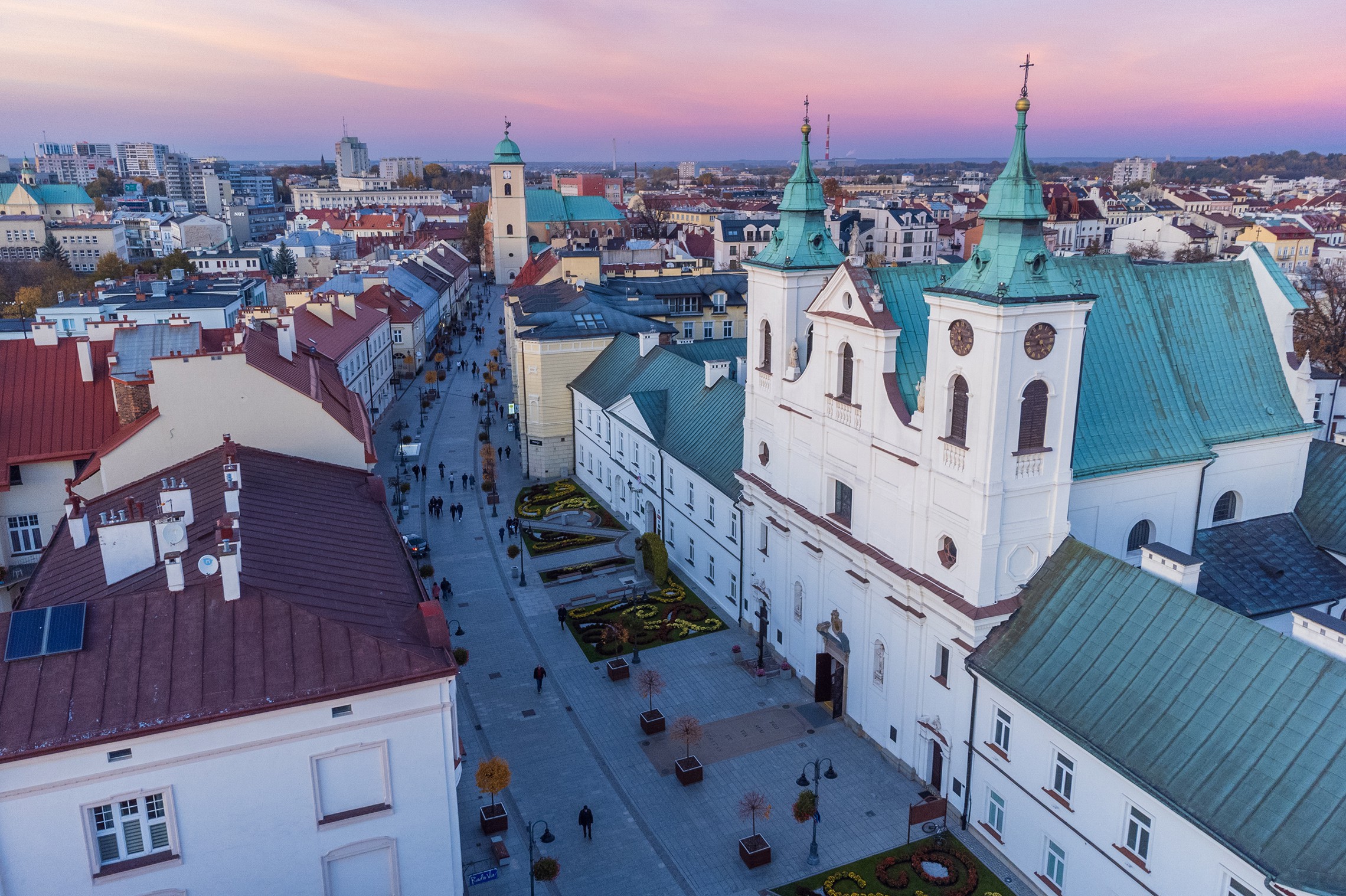
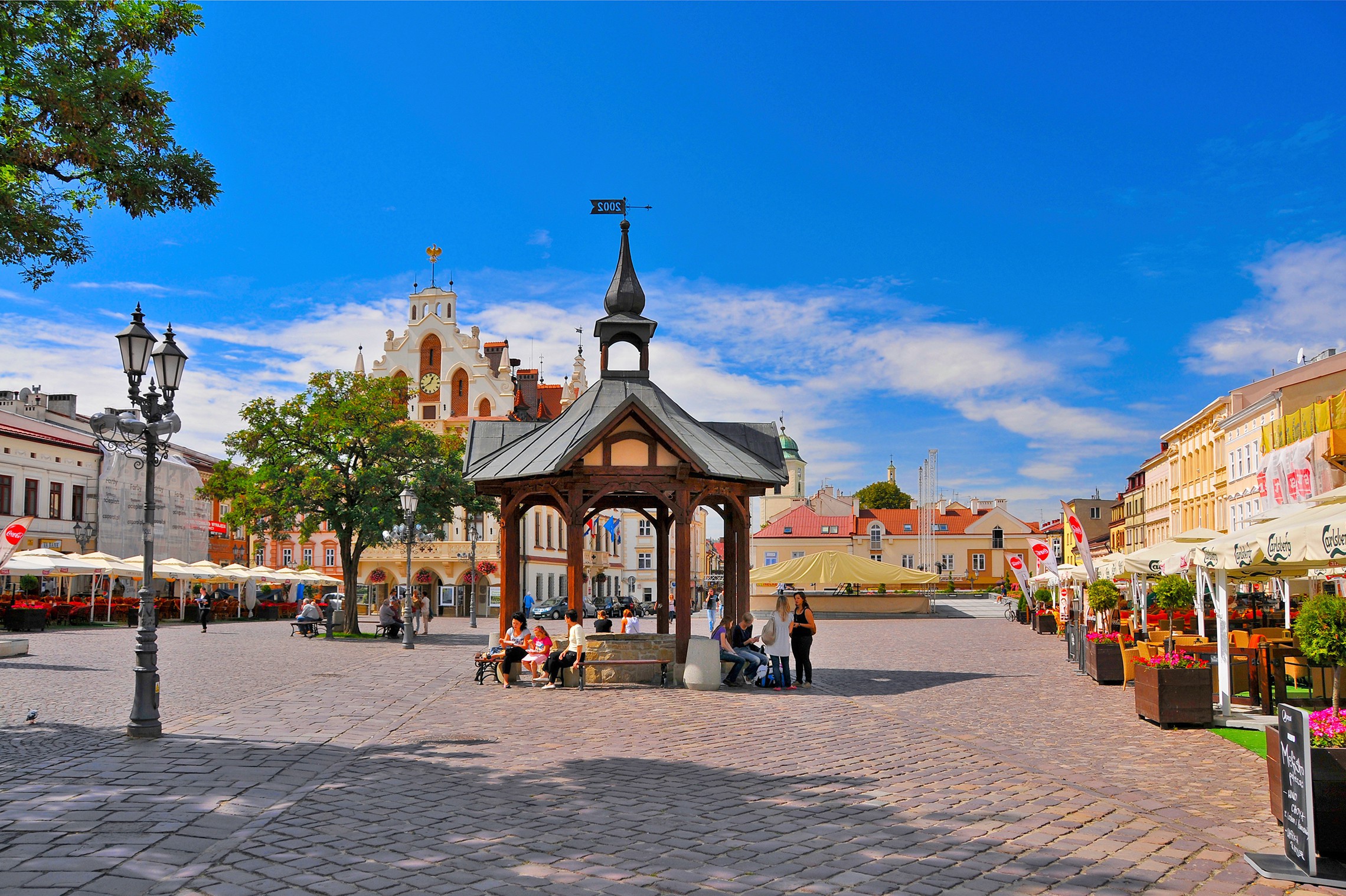
The city on the Wisłok River fascinates with its centuries-old history, which can be discovered both above ground and underground. The Rzeszów Cellars Underground Tourist Route offers a unique opportunity to travel in time back to the Middle Ages, leading visitors through 25 interconnected cellars and 15 corridors with a total length of nearly 370 meters. Historical artefacts on display – such as a bullet revolver with a snuff container and a 17th-century bottle of Tokaj wine – together with the distinctive brick interiors and cross-ribbed vaults, create a remarkable atmosphere that attracts those interested in the city’s history and mysteries. The Market Square, the heart of Rzeszów, with its impressive 16th-century Town Hall, is a lively meeting place that has preserved its historical charm.
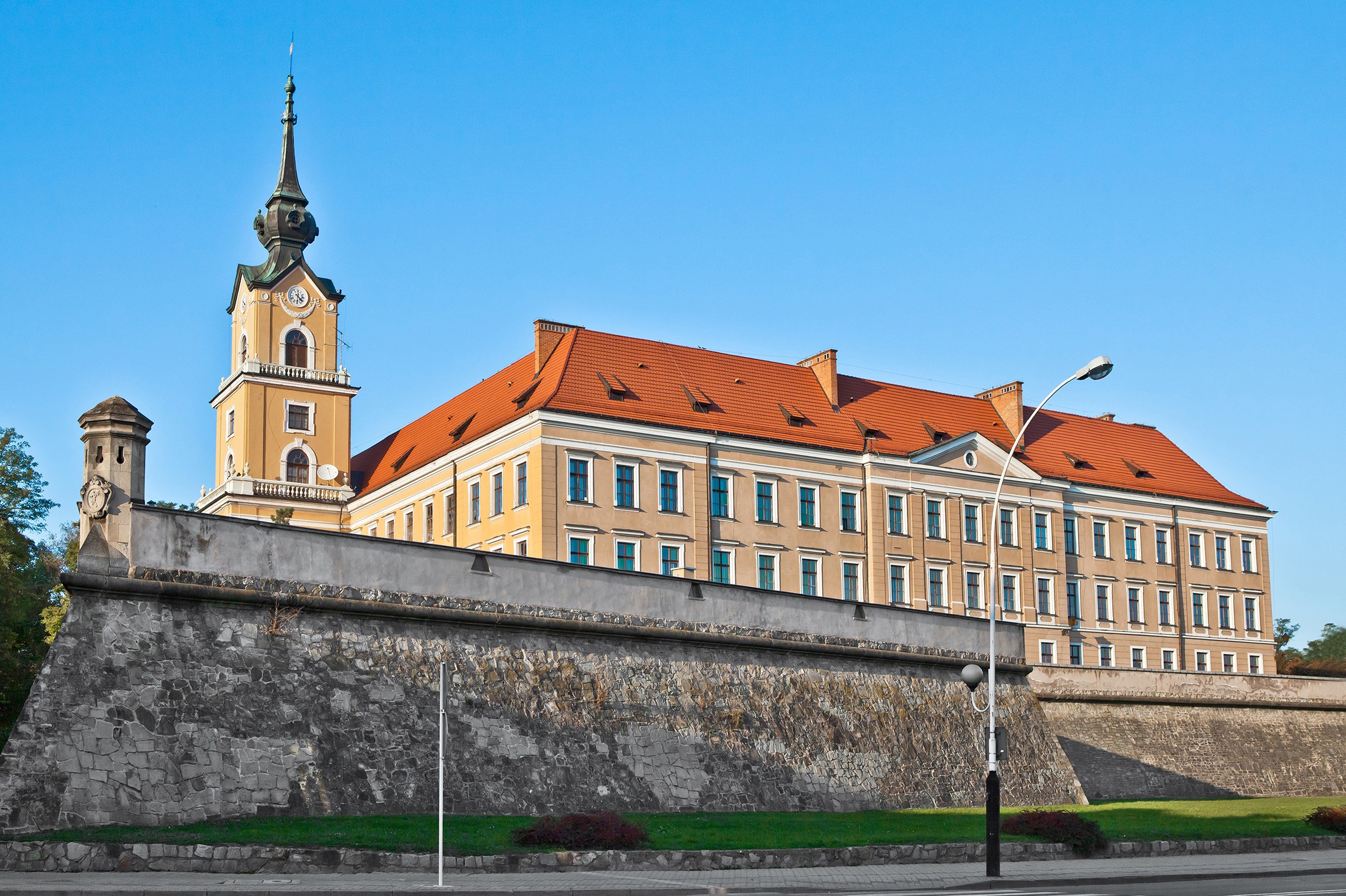
Rzeszów is also a city of monuments with exceptional artistic and historical value. The Lubomirski Castle, an impressive fortification with bastions, stands as a testament to Renaissance architecture and local history, where legend and fact intertwine. Nearby, eclectic Art Nouveau villas delight visitors, bearing witness to the city’s former wealth and prestige. An important part of the city’s religious heritage is its churches, particularly the parish churches of St. Stanislaus and St. Adalbert, which house the only Renaissance knights’ tombs with busts in Poland, as well as the Sanctuary of Our Lady of Rzeszów in the Bernardine Monastery, a site of pilgrimage and spiritual reflection.
Rzeszów is also a vibrant centre of cultural life. The Wanda Siemaszkowa Theatre, with its centuries-long artistic tradition, hosts prestigious theatre festivals and an international poster biennial. The Bedtime Stories Museum charmingly recalls Polish animation culture, engaging young visitors and family tourists alike.
The city is also ideal for recreation. The picturesque boulevards along the Wisłok River invite leisurely walks and relaxation amidst the natural surroundings. At the same time, the Lisia Góra reserve offers an excellent setting for active pursuits, such as cycling trips. Every year, 3 Maja Street, formerly known as Paniaga, comes alive during the popular Paniaga Festival, which blends tradition with contemporary cultural events, including craft fairs, concerts, and dance parades, providing an excellent opportunity to showcase local culture and creativity.
Rzeszów, with its rich historical, cultural, and natural heritage, stands as a modern, welcoming, and attractive destination.