Picturesquely situated between the Vistula and Bug rivers, at the crossroads of the cultures of the East and West, the Lubelskie region is rich in natural beauty and cultural heritage. The region boasts two national parks – Roztocze and Polesie – as well as numerous historic landmarks, and it is crowned by the Old Town of Zamość, a UNESCO World Heritage Site. The region entices visitors with Vistula River cruises in the charming town of Kazimierz Dolny, scenic walks along the Vistula’s ancient river valley, rejuvenating spa treatments, and the historic treasures of its capital city, Lublin.
Located in the eastern part of Poland, the Lubelskie Voivodship is a region of extraordinary natural, cultural, and historical richness. Serving as an important eastern gateway to the European Union, it is also a crossroads of diverse cultures, religions, and traditions. Spanning over 25,000 km², Lubelskie is a land where travellers can admire wooden Orthodox churches, monumental Catholic cathedrals, synagogues, and Tatar cemeteries, also known as mizars, in a single day, and explore the wild peat bogs of Polesie or the picturesque hills of Roztocze the next.
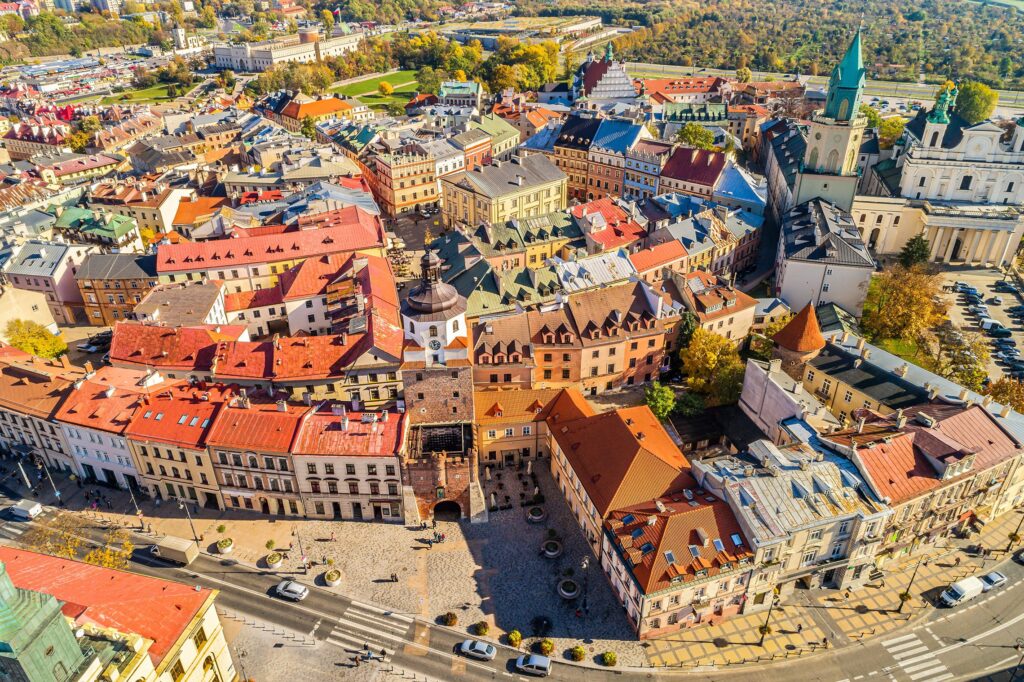
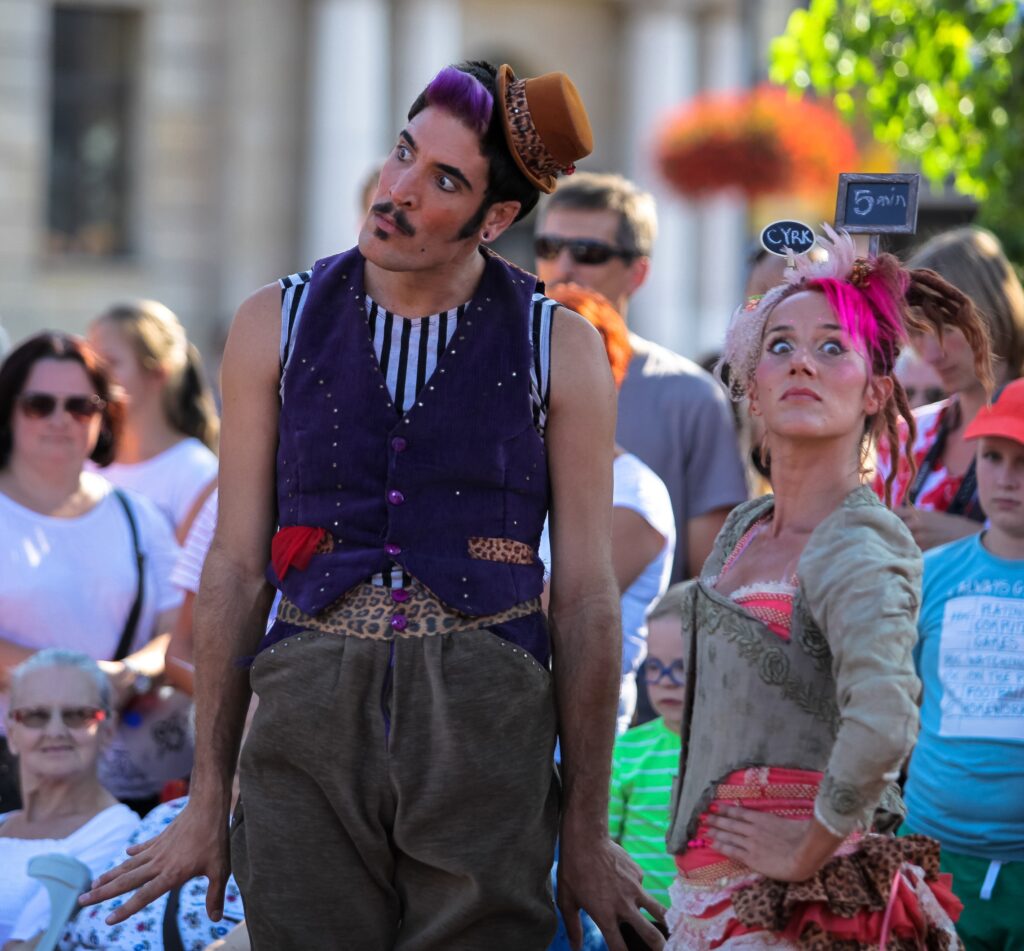
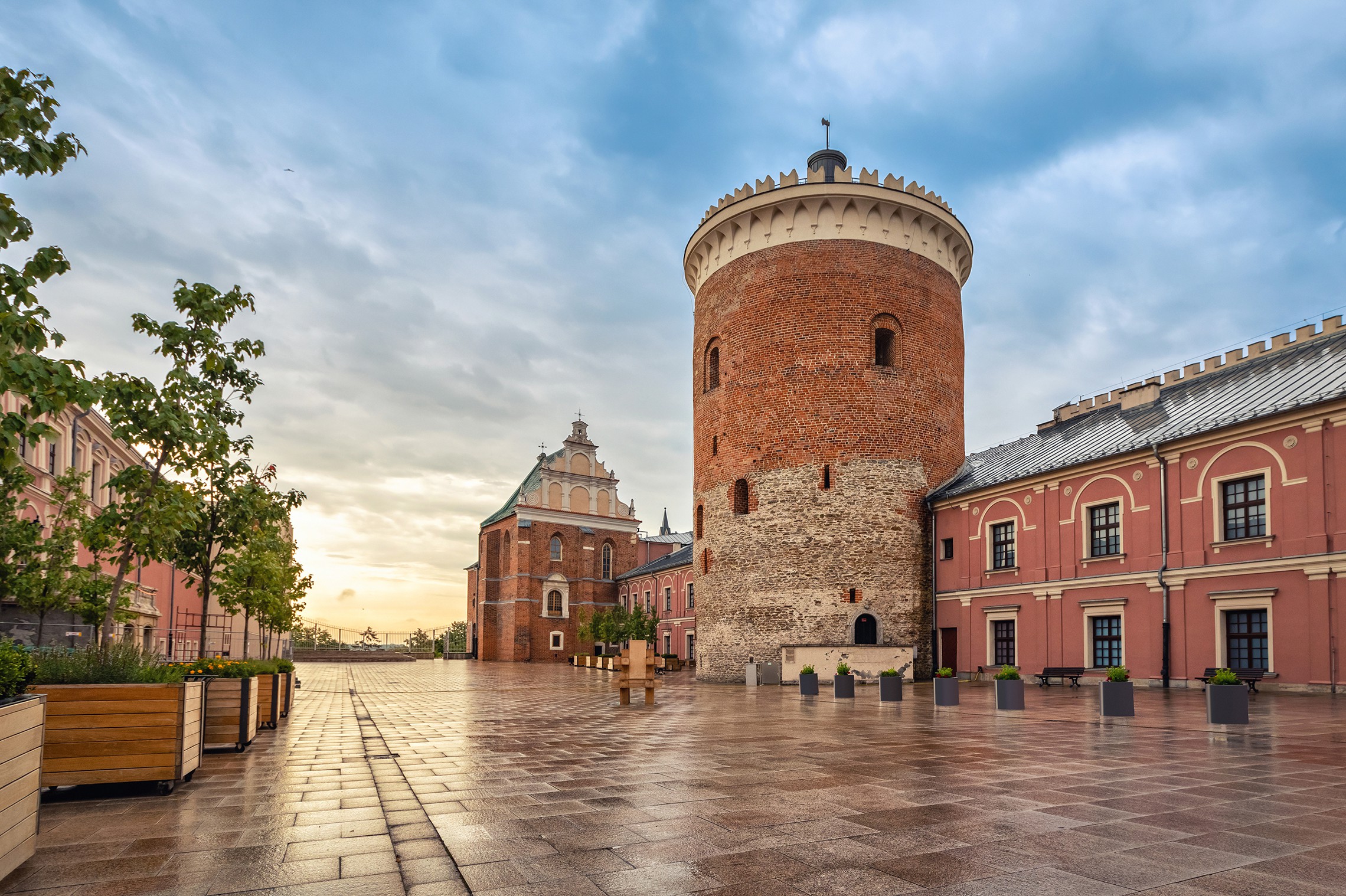
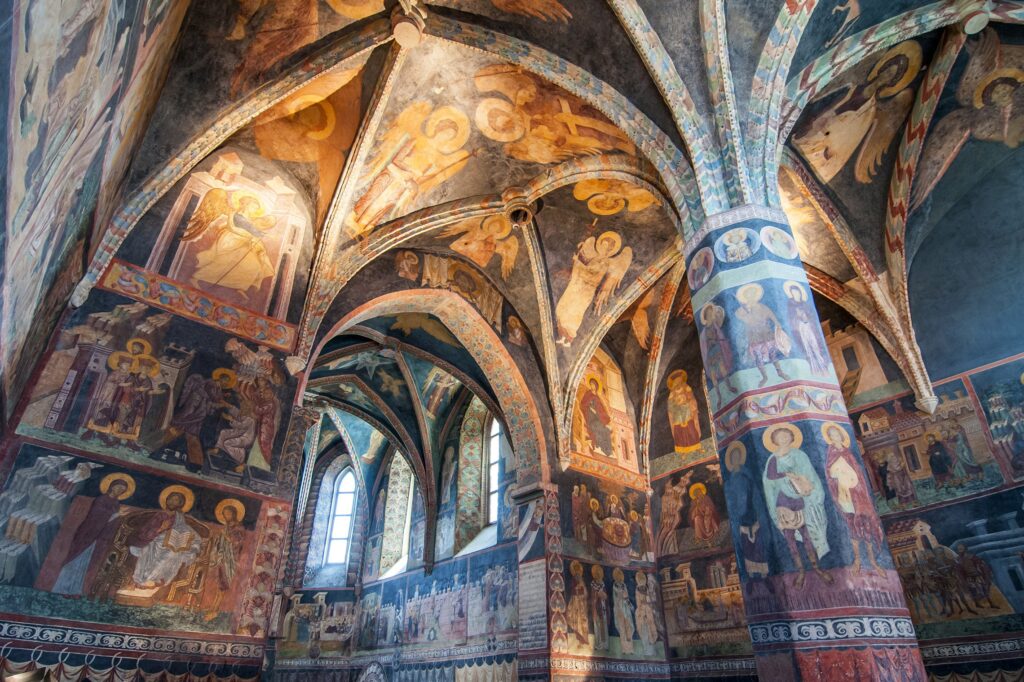
The regional capital, Lublin, is a city of inspiration that delights visitors not only with its wealth of historic sites, including the Old Town with its preserved medieval layout and Lublin Castle, featuring the Gothic Holy Trinity Chapel. The city hosts vibrant cultural events such as the Carnaval Sztukmistrzów and the Festival of Lublin Legends, attracting visitors from around the world. Lublin also serves as an excellent base for exploring the region, where natural beauty, architectural treasures, and culinary delights come together harmoniously.
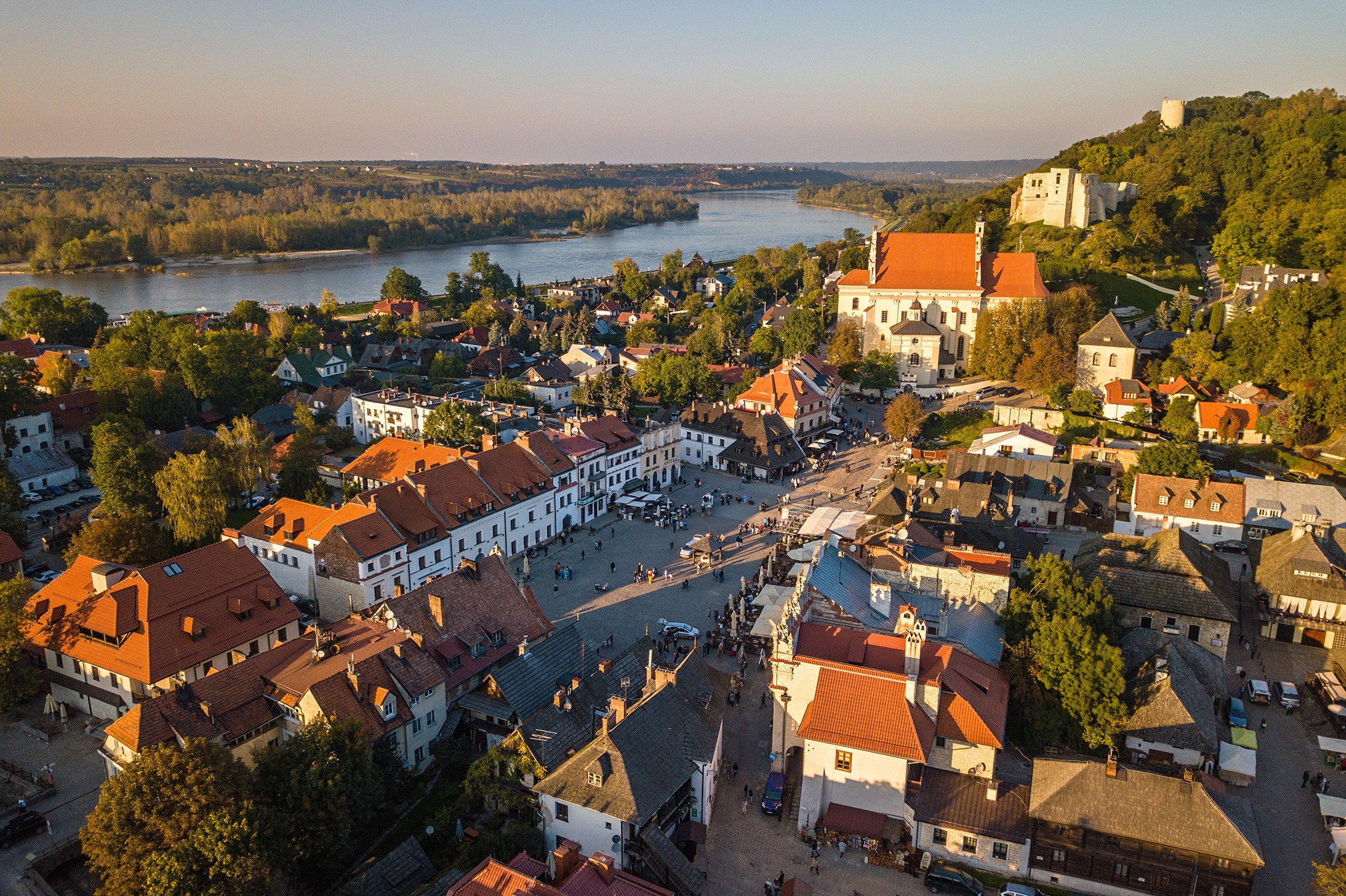
One of the region’s most distinctive areas is the Land of Loess Gorges – a European rarity boasting the highest concentration of loess gorges on the continent. Here lies Kazimierz Dolny, a Renaissance gem and a magnet for artists and tourists alike, celebrated for its enchanting atmosphere, charming market square, and panoramic views of the Vistula River valley. Nearby, Nałęczów offers a restorative spa experience, renowned for its healing microclimate, spa parks, museums, and wellness treatments. Meanwhile, Puławy not only impresses with its magnificent Czartoryski Palace and park ensemble but also offers opportunities for active recreation, ranging from nature reserve walks to sailing along the Vistula.
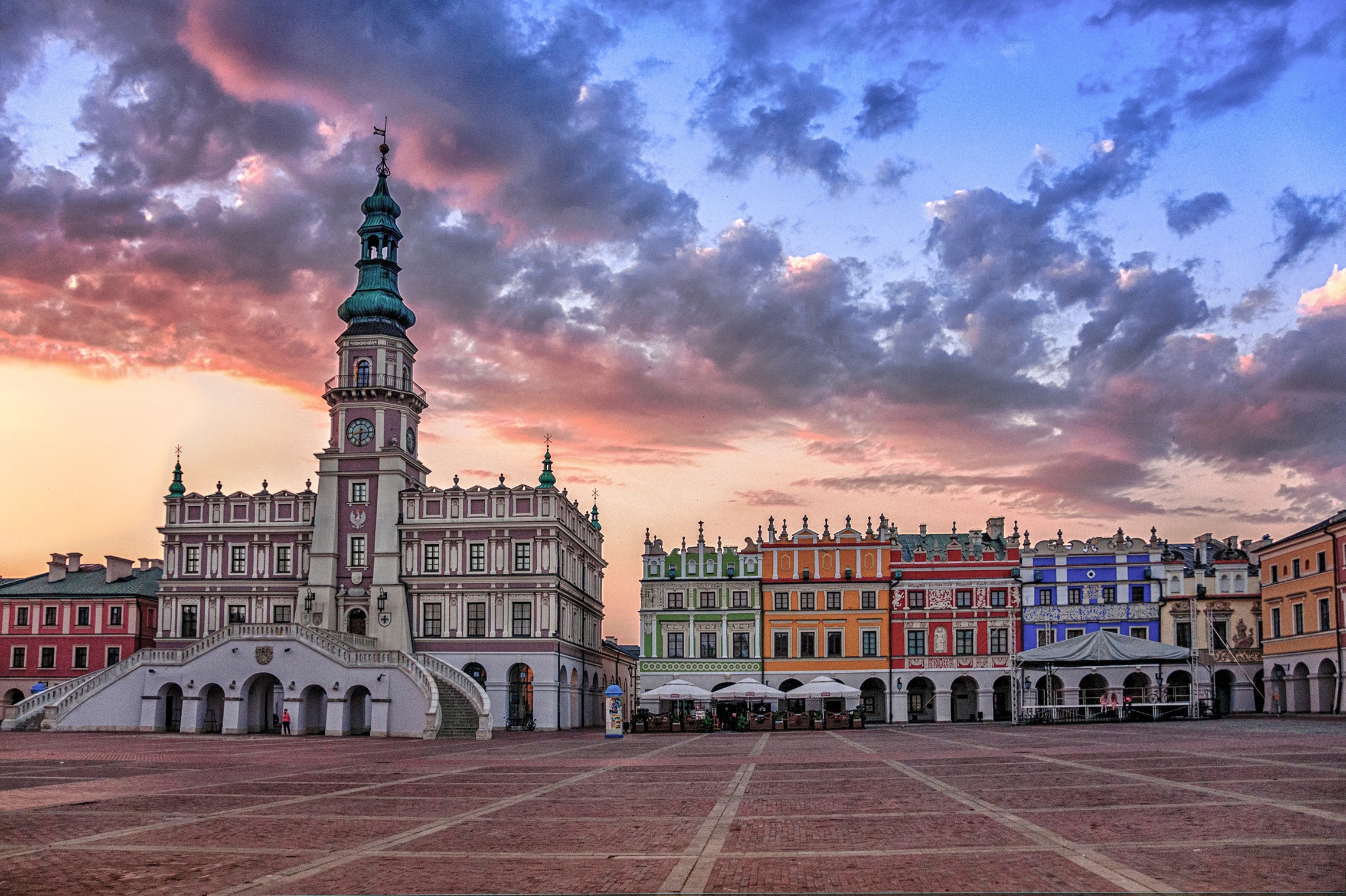
The region’s tourism appeal is further enhanced by Zamość, a Renaissance “ideal city” listed as a UNESCO World Heritage Site. Its harmonious urban layout, impressive market square, and vibrant cultural offer make it one of Poland’s iconic destinations. Lubelskie also features remarkable natural treasures. Polesie National Park protects some of Europe’s last remaining raised peat bogs, wild marshes, and habitats of rare birds. Wooden walkways and educational trails allow for safe exploration of this unique ecosystem. The “Multicultural Bug River Trail” highlights attractions along the Bug River, such as the open-air museum Uroczysko Zaborek and the legendary Janów Podlaski Horse Stud. Meanwhile, Roztocze National Park captivates visitors with scenic forests, pristine rivers, and the native Polish Konik horse breed – descendants of the Tarpan and a symbol of the region. Zwierzyniec, known as the gateway to the park, enchants with its “church on the water” and the historical heritage of the Zamoyski Estate.
Lubelskie is also a prime destination for active tourism. The region is traversed by over 350 km of the Green Velo Eastern Cycling Trail, along with numerous hiking, Nordic walking, horseback riding, and kayaking routes, as well as themed trails such as the Lublin Renaissance Trail. Kayaking on the Bug and Wieprz rivers, horseback riding across Polesie, and winter skiing are just a few highlights of the region’s rich outdoor offer.
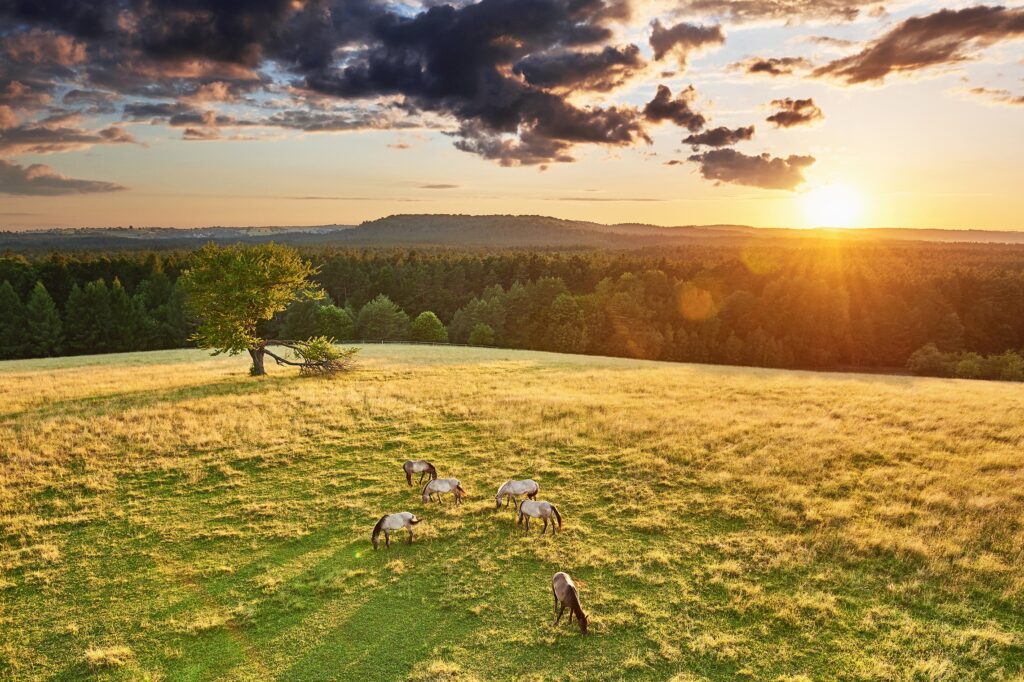
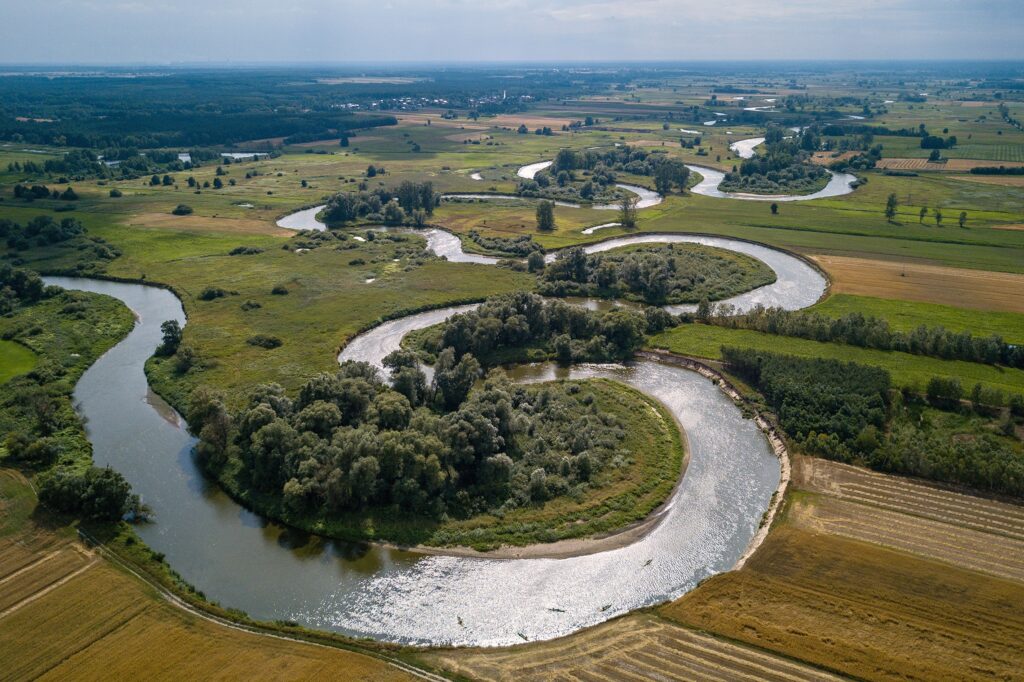
The landscape is further shaped by the vast Janów Forests, scenic loess hills, river valleys, and smaller lakes, all of which are ideal for nature tourism and peaceful retreats away from the city’s bustle. The region is also renowned for its vibrant events calendar, featuring film festivals in Kazimierz Dolny and Zwierzyniec, as well as the International Balloon Competition in Nałęczów.
The Lubelskie Voivodship presents a unique mosaic of cultures, landscapes, and experiences, perfectly aligned with global trends for authentic encounters, immersion in nature, and connection with local heritage.
Regional capital
Lublin, the capital of the Lubelskie Voivodship, is one of the most important urban tourism centres in eastern Poland, distinguished by its exceptional historical heritage, multicultural character, and dynamically evolving cultural offerings. Situated at the crossroads of historic trade routes, the city has long served as a meeting point for Eastern and Western cultures, with a history spanning more than 700 years. Today, Lublin is a modern and vibrant city where historic architecture harmoniously blends with contemporary public spaces, and tradition seamlessly intertwines with innovation. It is the richness of this mosaic that has helped the city gain increasing popularity among both domestic and international visitors. In 2029, Lublin will proudly hold the prestigious title of European Capital of Culture.
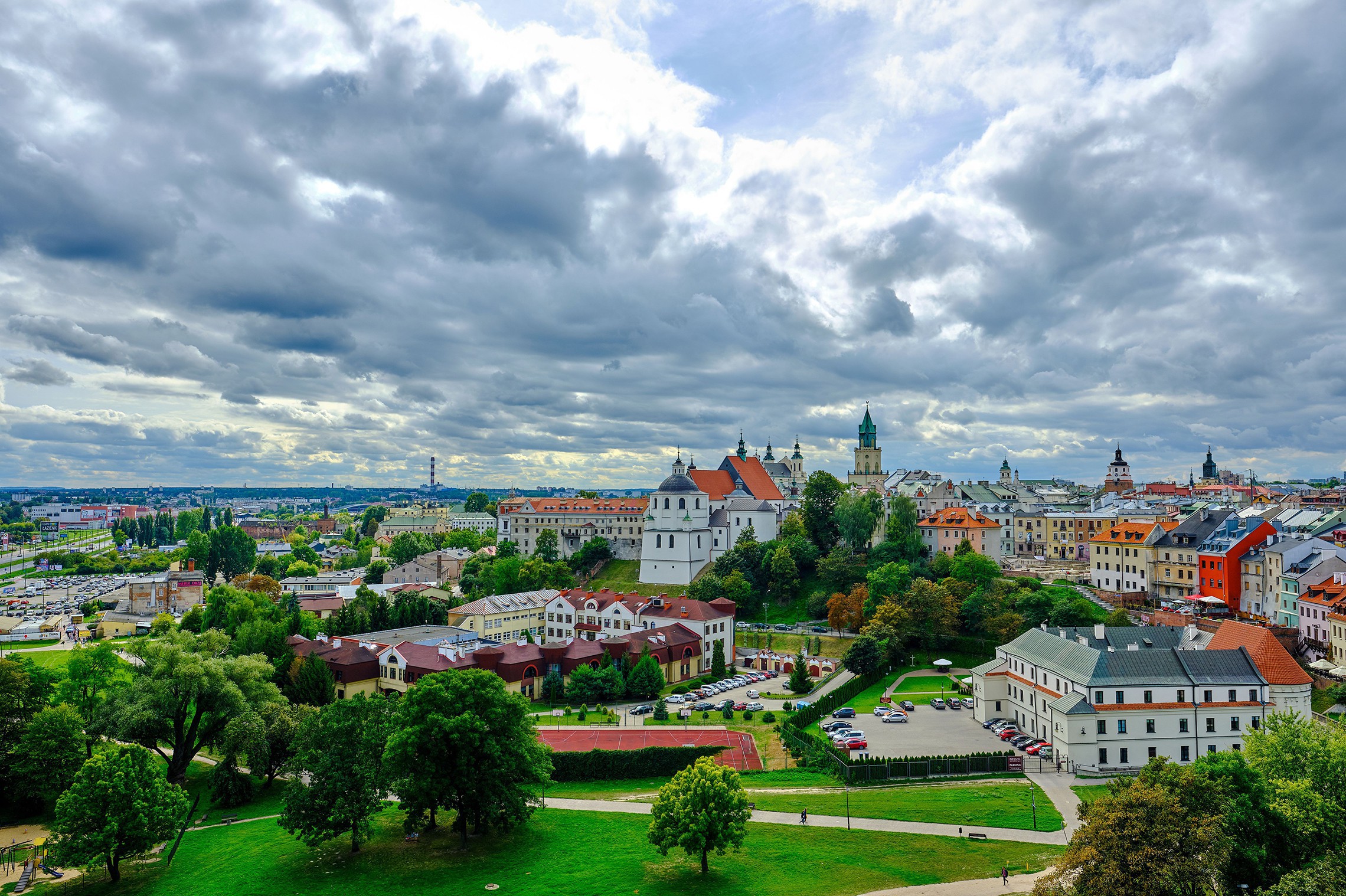
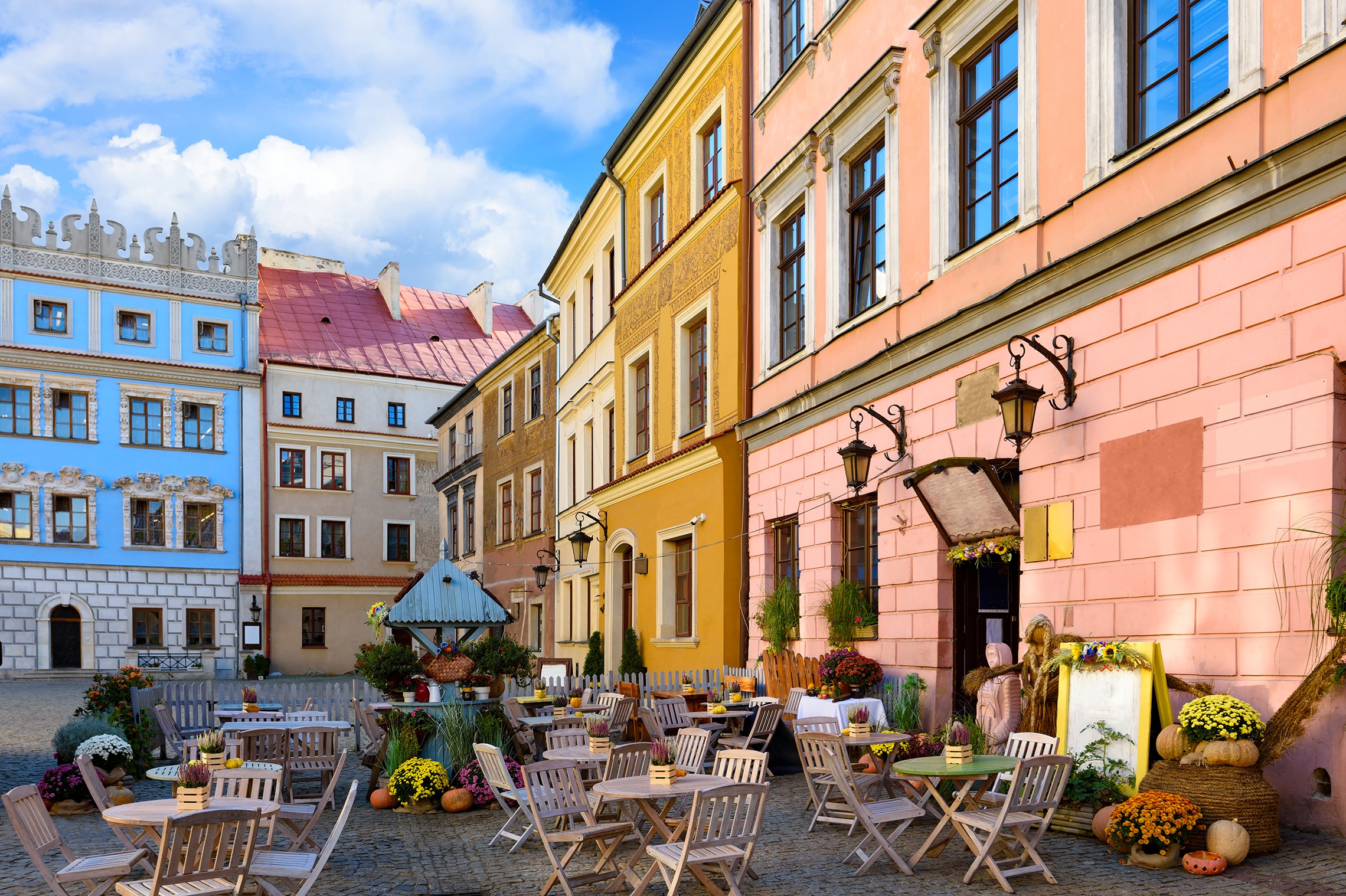
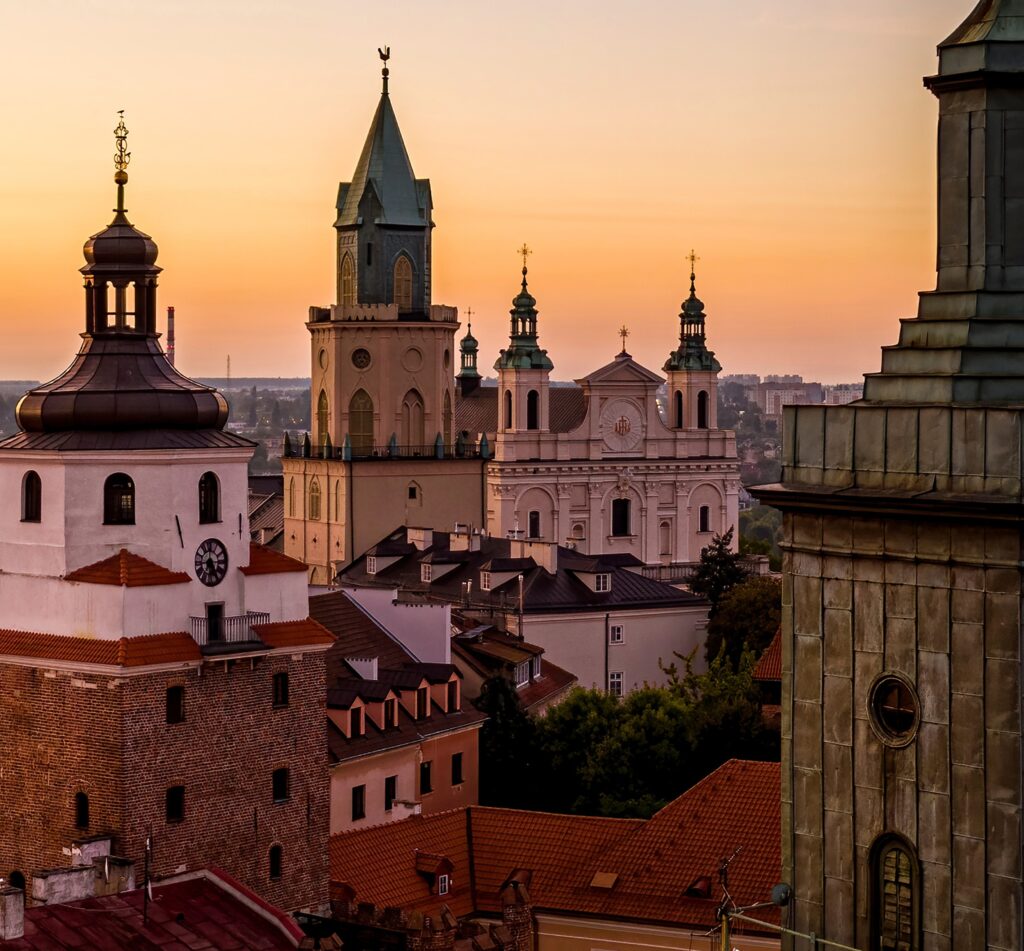
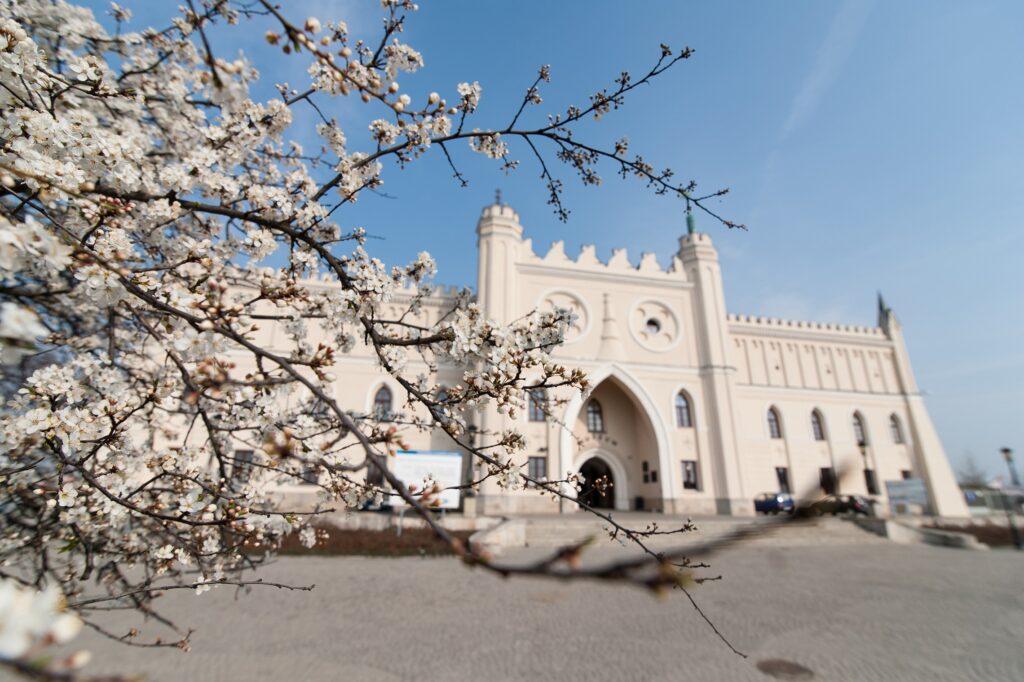
At the heart of Lublin lies the Old Town – one of the best-preserved historic ensembles in Poland, enchanting visitors with its medieval street layout and numerous examples of Renaissance architecture. Passing through the Kraków Gate, visitors step into a world of history and legend, hidden within the walls of townhouses and cobbled alleys. The city’s central attraction is Lublin Castle – once a seat of power, later a prison, and now home to the National Museum. Inside, visitors can admire an impressive art collection, including works by Tamara Łempicka, as well as the Holy Trinity Chapel – a unique medieval treasure featuring frescoes that blend Byzantine and Gothic traditions. From the castle’s tower, panoramic views of the entire Old Town invite travellers to continue exploring.
Underground Lublin presents an equally fascinating side of the city. The Lublin Underground Route takes visitors through the cellars of former merchant warehouses and wine cellars, revealing the city’s history from an entirely new perspective. In the Cellar under Fortuna, guests can admire stunning Renaissance polychromes, while the Imaginarium Theatre brings the city’s legends to life with unique stage design and puppets that animate these captivating stories.
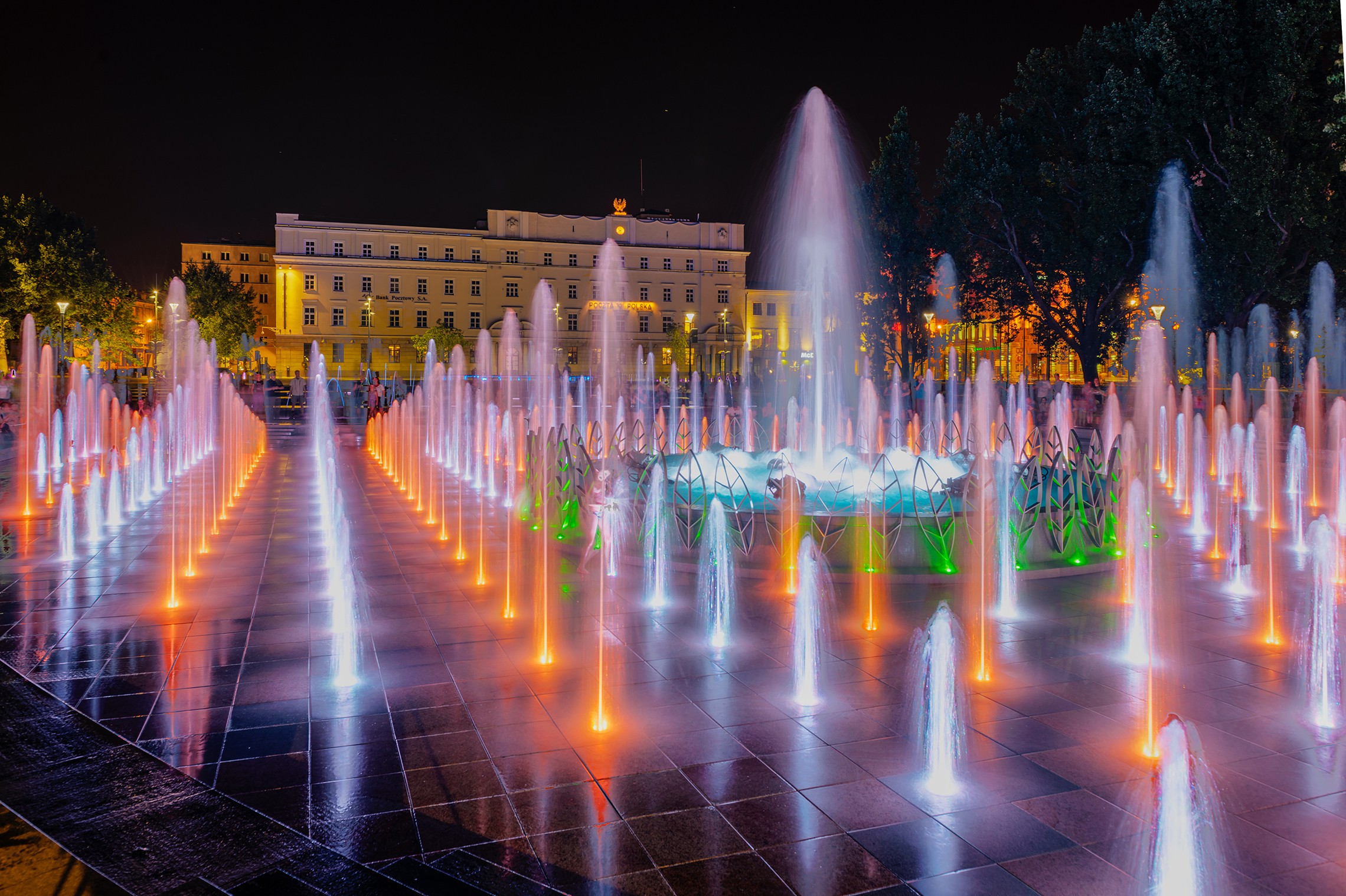
Beyond the Old Town, it is worth visiting the Lithuanian Square – a striking public square featuring a multimedia fountain whose light and sound shows draw crowds, as well as modern elements such as a portal allowing virtual “connections” with Vilnius, Dublin, and Philadelphia. Fans of industrial interiors will be intrigued by Perła Brewery – a former Reformed monastery transformed into a brewery, with cellars now open to the public. Meanwhile, the Lublin Open-Air Village Museum, one of the largest in Poland, transports visitors to the life of historic villages and towns in the region, displaying traditional architecture, rituals, and daily life. An important site of remembrance is the Majdanek State Museum – the former Nazi German concentration camp, documenting the tragic events of World War II and commemorating its victims.
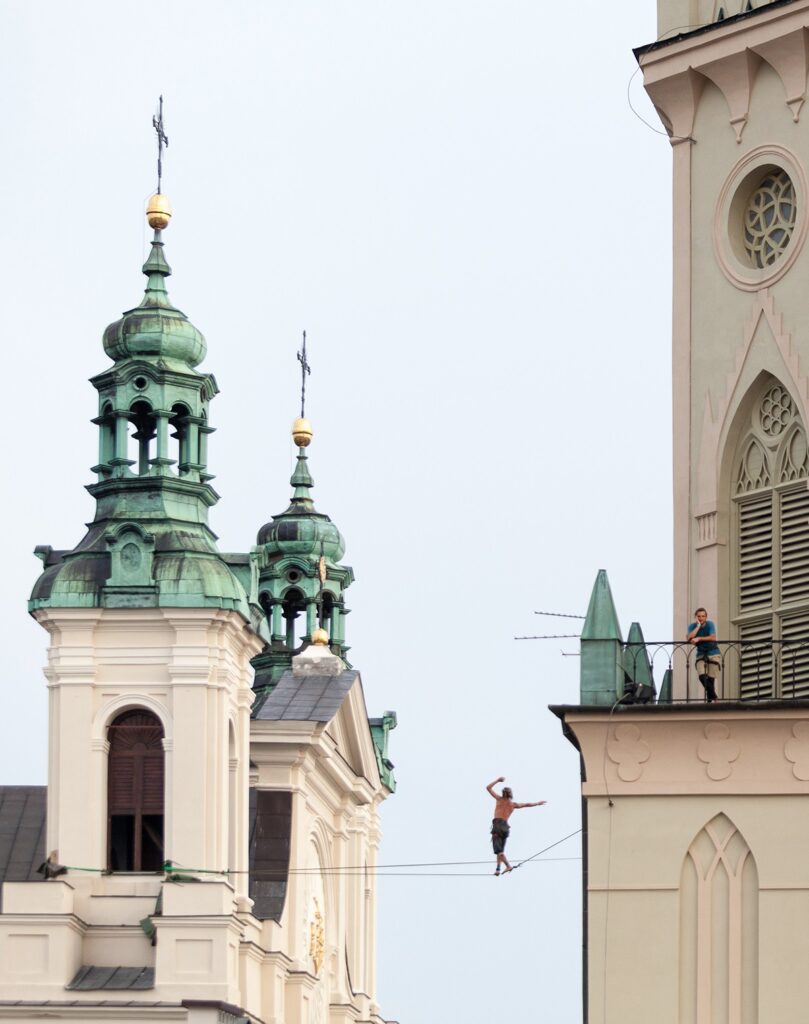
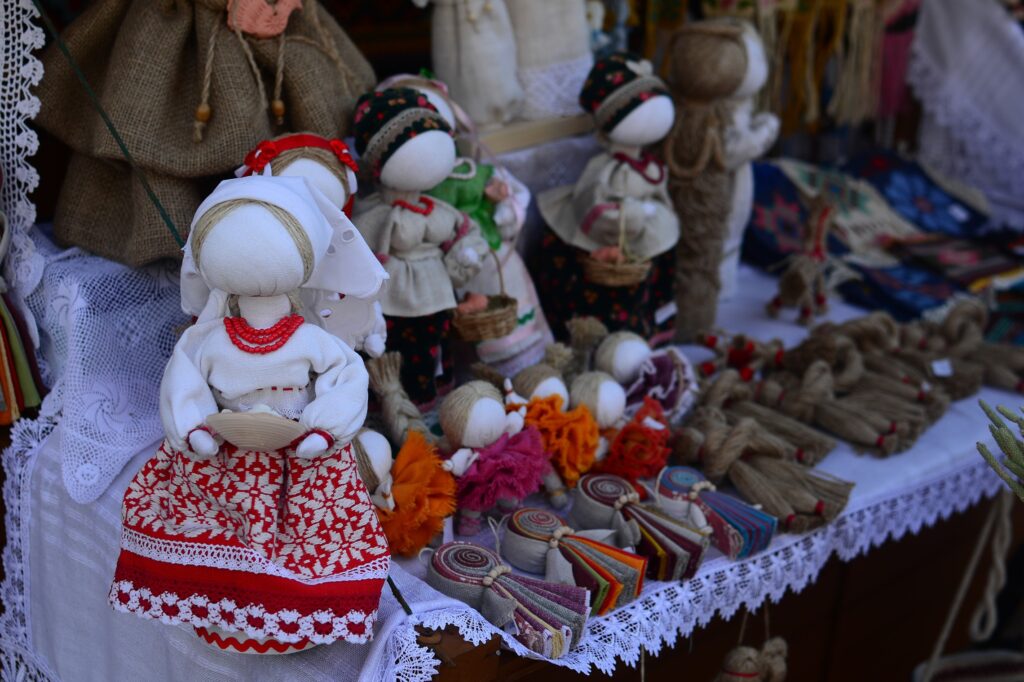
Lublin also stands out for its exceptional cultural offerings, which have made it one of the country’s leading festival centres. In June, the Night of Culture fills the Old Town with artistic installations and concerts, creating an interactive nighttime spectacle. July’s Carnaval Sztukmistrzów gathers new circus performers from around the world – jugglers, acrobats, illusionists, and fire-eaters. The Lubliner Festival in August showcases Jewish traditions and culture, while Re:tradition – The Jagiellonian Fair Festival, held simultaneously, transports participants back to the Renaissance, bringing historic crafts, music, and cuisine to life.
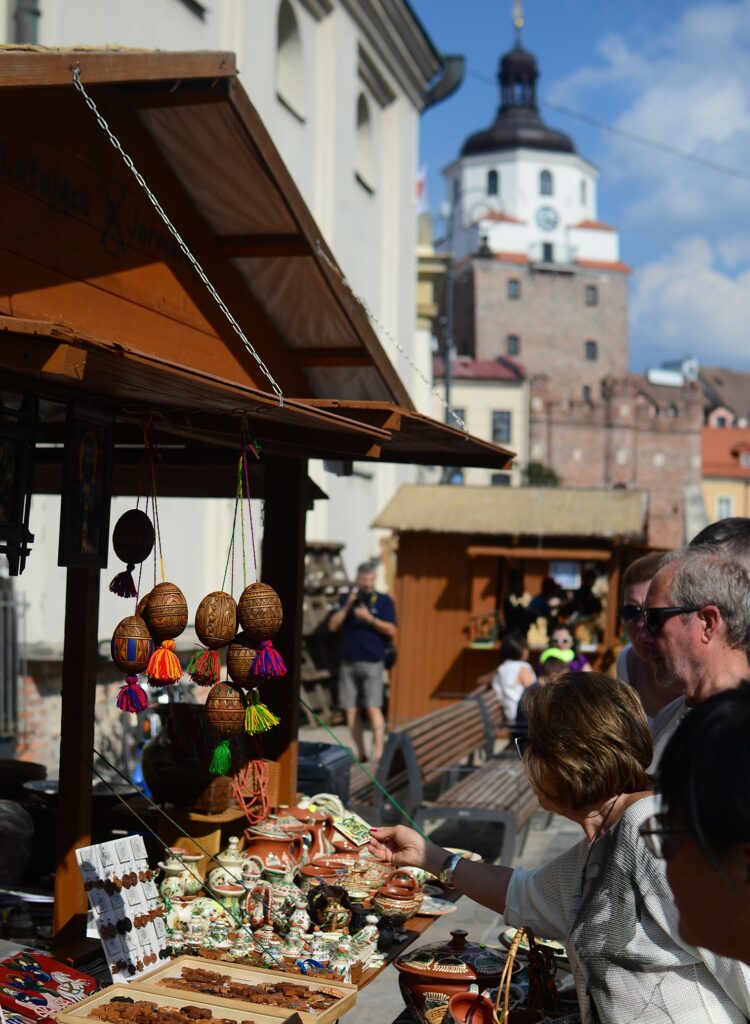
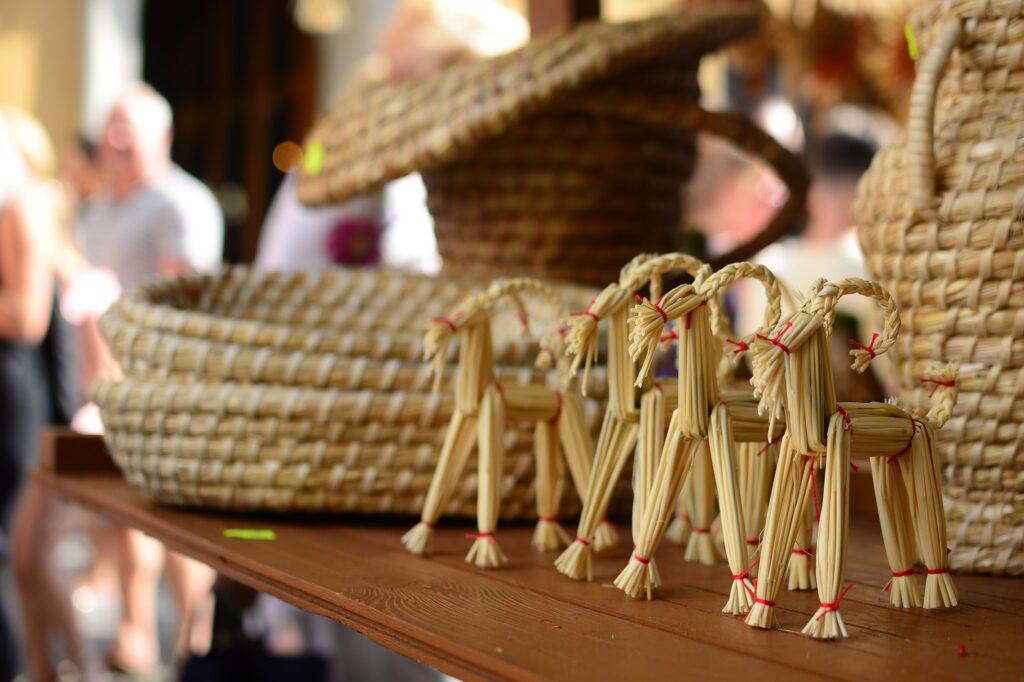
Thanks to the harmonious blend of rich historical heritage, a multicultural atmosphere, and vibrant modern energy, Lublin is a city that inspires visitors in every season. It offers an authentic experience for travellers – from exploring medieval streets to savouring the flavours of local cuisine and taking part in internationally acclaimed artistic events.