This region boasts tourist attractions such as the thermal spa in Uniejów and the ski facility in the centre of Poland – Góra Kamieńska, situated on the slope of the Bełchatów mine. In the Łódzkie Voivodship, in the village of Piątek, lies the geometric centre of Poland, and the capital of the region is the multicultural and modern city of Łódź.
The Łódzkie Voivodship, situated in the heart of Poland, is a captivating region for tourism, boasting a rich history, well-developed cultural infrastructure, and unique natural attractions. Covering over 18,000 square kilometres and home to more than 2.4 million residents, the voivodship exemplifies the harmonious coexistence of tradition and modernity, making it a key destination on Poland’s tourist map.
The region’s capital, Łódź, is a metropolis of unique character, where the industrial heritage of the 19th and 20th centuries has been transformed into modern cultural and entertainment spaces. The city’s focal point is Manufaktura – a former factory complex converted into a modern shopping and entertainment centre that attracts both residents and visitors from across Poland and abroad. The presence of contemporary museums, such as MS2, listed as a Historic Monument of the Polish Nation, reflects the city’s commitment to preserving cultural heritage and promoting historical education – a key element in creating an attractive tourism offer.
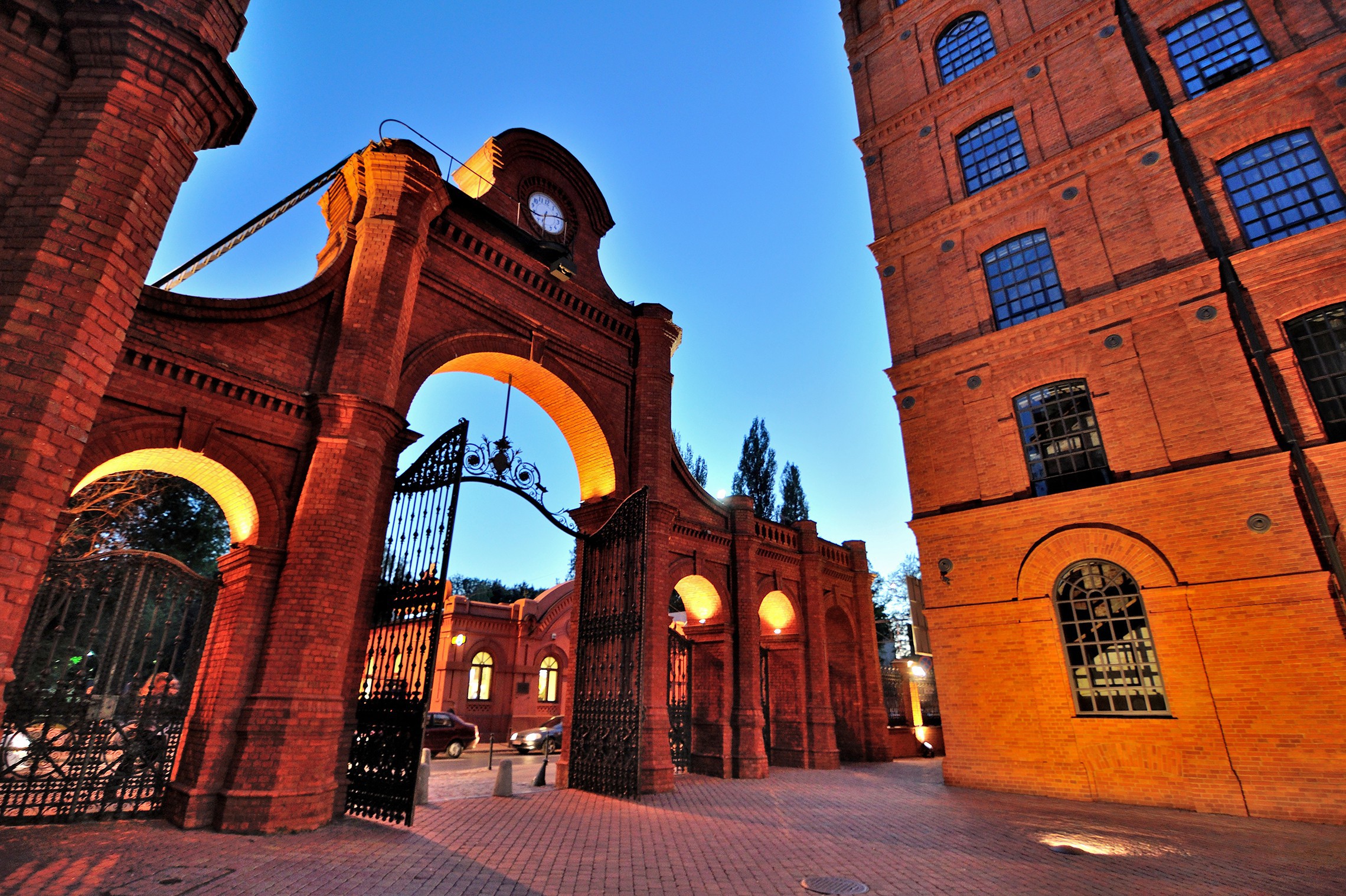
The Łódź region is notable for its unique natural and technical attractions that distinguish it from other areas of Poland. Uniejów, the only thermal spa in the country, offers a range of health and recreational services, making it an ideal destination for relaxation throughout the year. Additionally, Góra Kamieńska, situated on the slope of the Bełchatów lignite mine, is the only ski lift in Poland located in the central part of the country, making the region appealing to winter sports enthusiasts as well.
Educational and ecological tourism is flourishing, partly due to attractions like the PGE “Giants of Power” Museum in Bełchatów. This museum offers an innovative presentation of the process of generating electricity from lignite. Its interactive exhibitions and animations are specifically designed for families with children, providing a unique educational experience on energy and environmental protection. This positions the region in line with modern trends in educational tourism. In Tomaszów Mazowiecki, tourists are drawn to the “Blue Springs” – a nature reserve with turquoise waters – as well as the “Nagórzyckie Grottoes” Underground Tourist Route, which offer a unique atmosphere and serve as an outstanding example of the region’s natural assets. The Pilica River Open-Air Museum, the first river museum in Poland, complements this offer by providing knowledge about the nature and history of local communities.
Kutno, a city renowned for its “Rose Festival,” and the gardens of the Arboretum in Rogów create unique natural spaces that delight not only botany enthusiasts but also a wide range of tourists seeking relaxation and a connection with nature. For lovers of folk culture, the Living Open-Air Museum in Nagawki and the Łowicz Ethnographic Park in Maurzyce offer opportunities to experience local folklore and traditional craftsmanship.
The region’s historical gems are equally noteworthy, such as the palaces and residences in Nieborów and Arkadia, featuring beautiful gardens and a rich history tied to the Radziwiłł family. In Nieborów – the birthplace of Napoleon’s son with Helena Walewska – history and legend intertwine, creating a unique atmosphere for visitors through its historic interiors and delightful landscapes. Equally fascinating are numerous sacred and architectural monuments, such as the Arch-collegiate Church in Tum or the Cistercian Abbey in Podklasztorze, which further enrich the voivodship’s tourism offer.
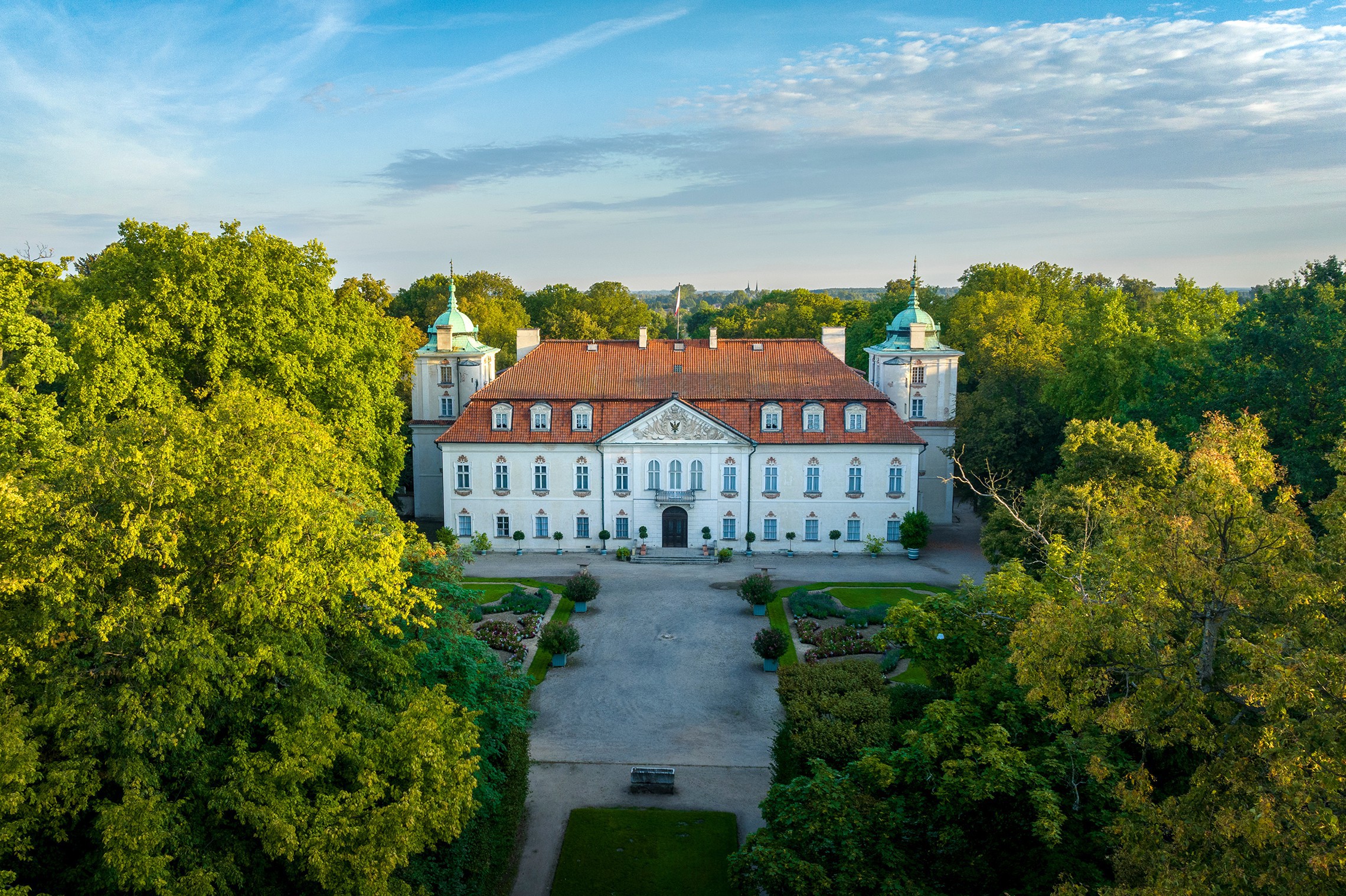
Due to its central location and well-developed transportation network, the Łódzkie Voivodship is an excellent base for further travel around Poland, while also being a destination in its own right with remarkable tourism potential.
Regional capital
Łódź, the capital of the Łódzkie Voivodship, is a unique destination on Poland’s tourist map, combining an extraordinary industrial history with dynamic cultural development and modernity. The city covers an area of 293.25 km² and has a population of around 665,000 residents.
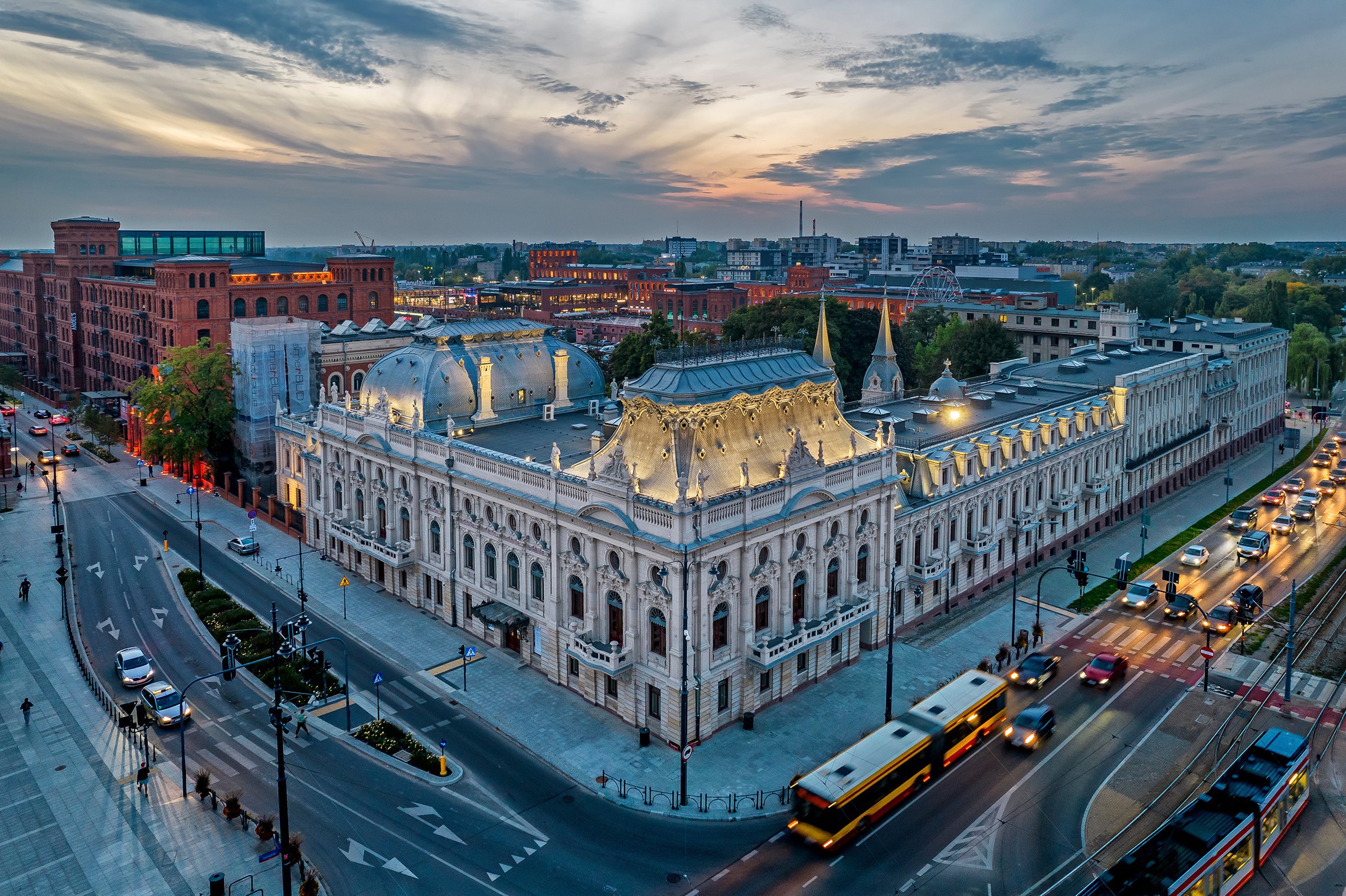
The history of Łódź is a fascinating story of transformation from a medieval settlement into one of the most important textile centres in Europe during the 19th and 20th centuries. This industrial character has left behind a unique architectural heritage – numerous factories, warehouses, and the palaces of former factory owners, which today create an unparalleled urban landscape. The best-known example is the Manufaktura complex – a revitalised site that combines commercial, cultural, and recreational functions. Here, visitors can not only shop or dine at numerous restaurants but also explore the Factory Museum and the ms² Museum of Art, participate in cultural events, or enjoy leisure activities such as bowling or climbing walls. A zip line over Manufaktura and a glass-roof swimming pool at a nearby hotel offer a unique perspective on the city’s skyline.
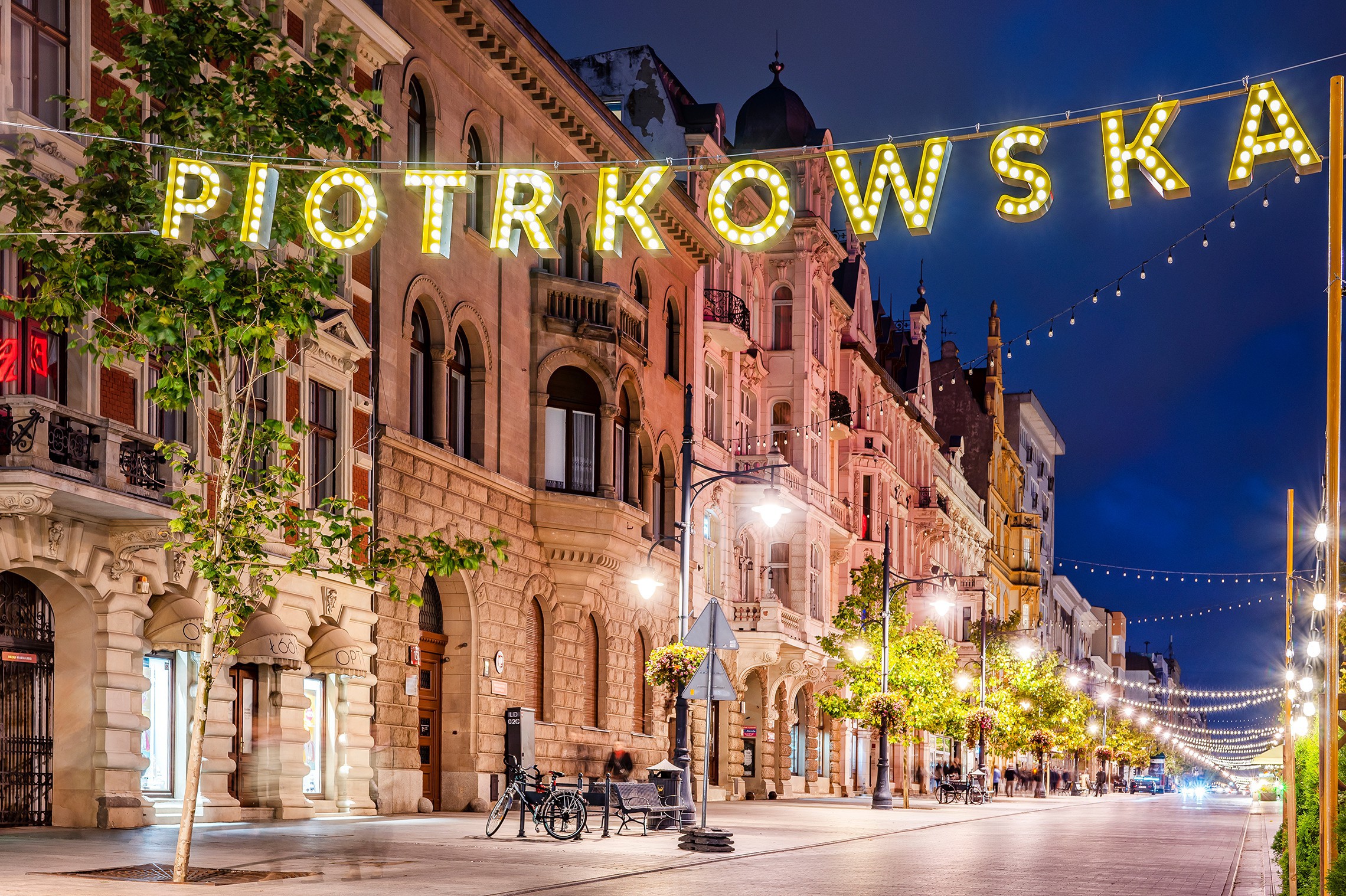
The central point of Łódź is Piotrkowska Street – one of the longest shopping thoroughfares in Europe and the heart of the city’s cultural and social life. Vibrant year-round, it offers numerous restaurants, clubs, galleries, and monuments of prominent figures of Polish culture, such as Artur Rubinstein. Piotrkowska is also the venue for internationally renowned festivals, such as the Light Move Festival and the Songwriter Festival, which further attract tourists and enrich the city’s cultural offerings. At the same time, Łódź nurtures its alternative, offbeat art scene, which can be explored, for example, at OFF Piotrkowska, making the city an attractive destination for lovers of independent art and modern trends.
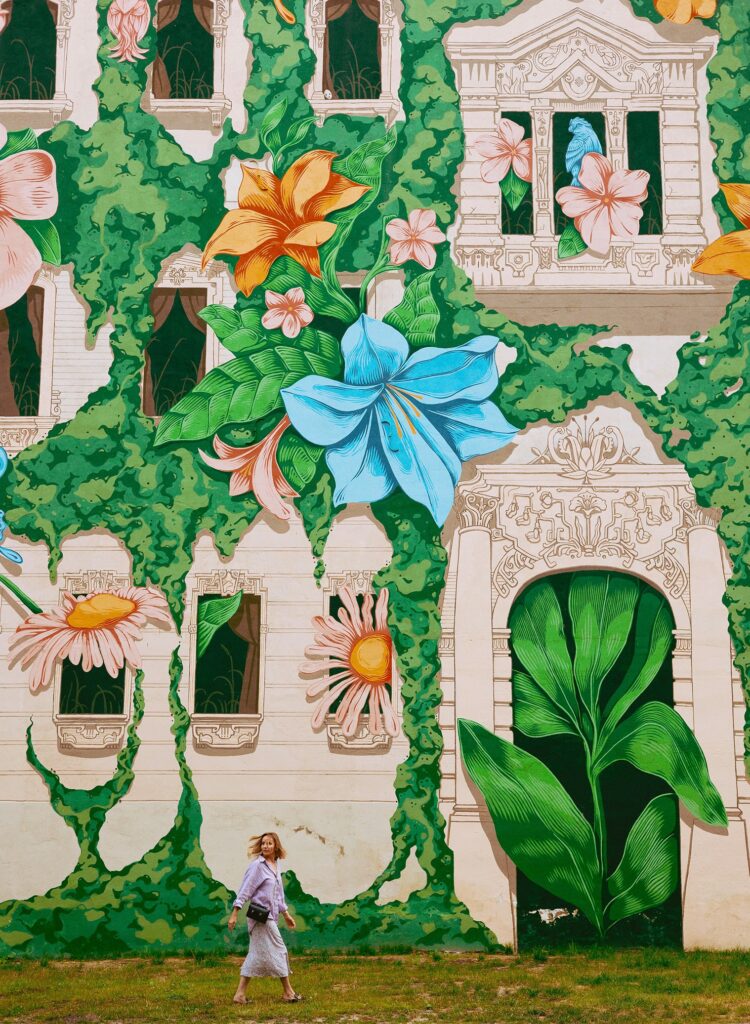
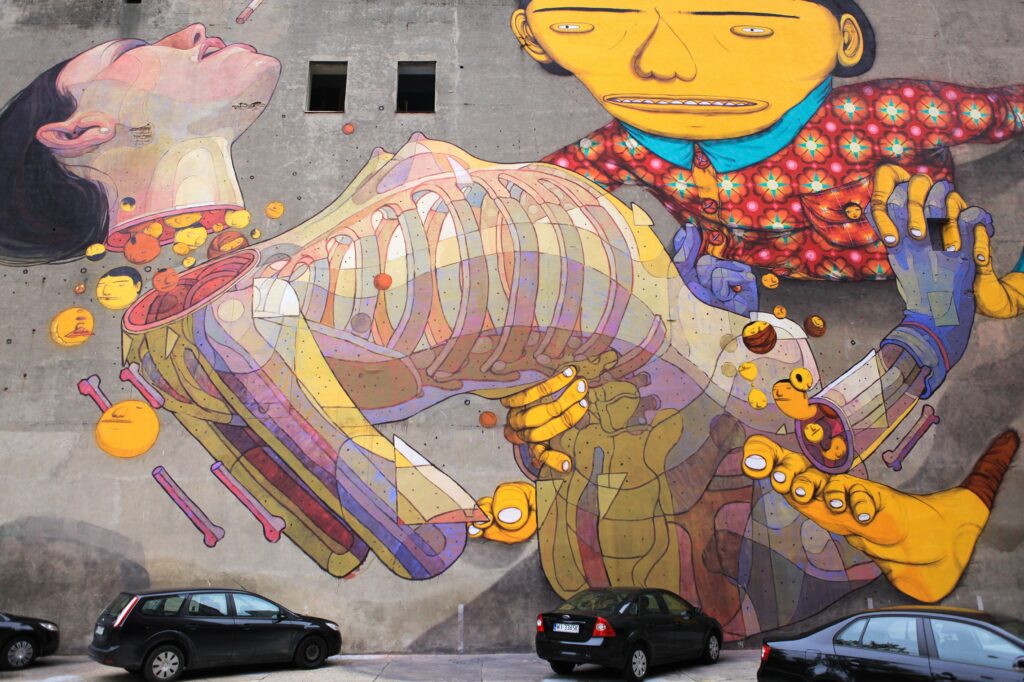
Łódź is also a city of film and animation, long established on the map of world cinematography. The renowned Leon Schiller National Film, Television and Theatre School – commonly referred to as the Łódź Film School – has educated notable stars such as Roman Polański, Andrzej Wajda, and Krzysztof Kieślowski. The National Centre for Film Culture at EC1 and the Museum of Cinematography showcase the history and achievements of this artistic community. A three-dimensional mural by Italian artist Awer is just one example of how the city promotes street art and modern forms of expression.

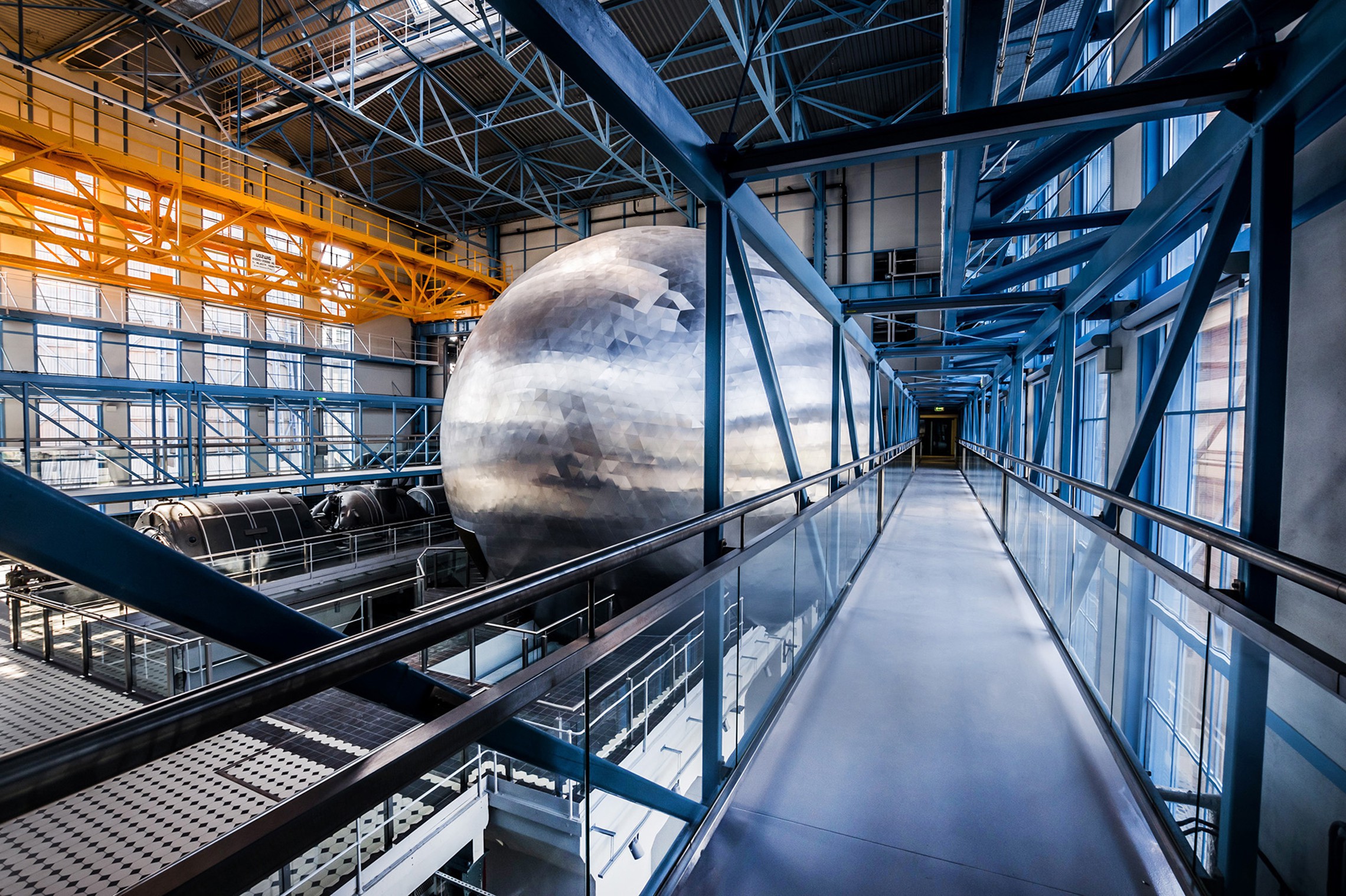
Historical memory holds a special place in Łódź – Radegast Station is a site of remembrance dedicated to the victims of the Holocaust, where visitors can learn about the tragic history of the city’s Jewish community and its ghetto. The Survivors’ Park, the Monument to Poles Who Rescued Jews, and the largest Jewish cemetery in Poland create a space for reflection and education. At the same time, the city takes pride in modern investments, such as the EC1 Science and Technology Centre, which, in addition to its educational and scientific functions, serves as an attraction for families and enthusiasts of new technologies.
Łódź also offers unique recreational experiences: a ride on the historic tram tourist line allows visitors to see the city from the perspective of local transport of the past, while the year-round toboggan run on Rudzka Góra provides thrills for both children and adults. For those seeking unconventional accommodation, transparent-tent glamping in the Łódź Hills Landscape Park (Park Krajobrazowy Wzniesień Łódzkich) combines closeness to nature with comfort and modern design.
Łódź is a city full of contrasts and multifaceted appeal, where industrial history intertwines with culture, art, and entertainment.