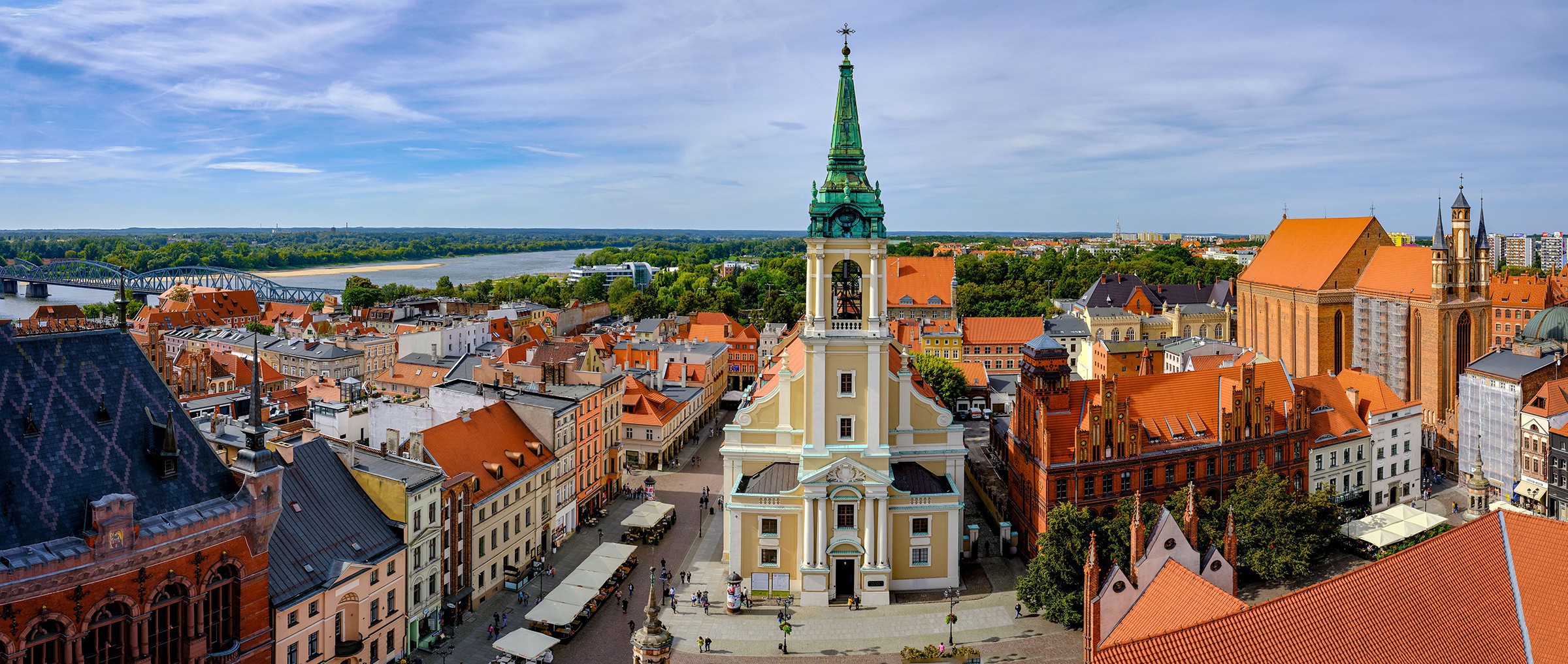
The Kujawsko-Pomorskie Voivodship abounds in ancient Slavic monuments, renowned health resorts, and natural attractions. It is home to a gem of Gothic architecture – Toruń, whose Old Town, together with its 14th-century Town Hall, charming townhouses, and remnants of castle walls, is listed as a UNESCO World Heritage Site.
The Kujawsko-Pomorskie Voivodship offers a vibrant and varied range of tourist attractions, seamlessly blending historical heritage, stunning natural beauty, and renowned spa resources, making it one of the most appealing destinations on Poland’s tourist map. Located in the north-central part of the country, bordered by five other voivodships, the region is distinguished by the dual character of its capitals – Toruń and Bydgoszcz – both jewels of architecture and culture, pulsating with vibrant contemporary city life.
Toruń, a city of international renown, attracts visitors from around the globe with its historic centre, which is listed as a UNESCO World Heritage Site. Among its treasures are the Gothic Town Hall, charming townhouses, fragments of castle walls, and the city’s iconic Leaning Tower, a landmark that uniquely weaves together fascinating history, legend, and architecture.
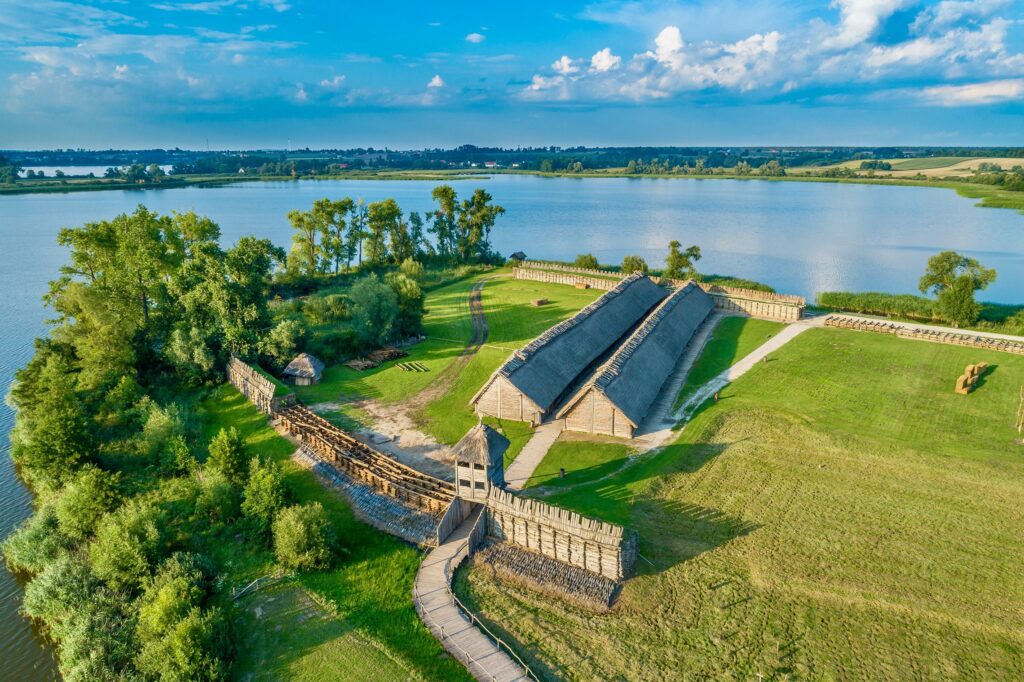
The Kujawsko-Pomorskie Voivodship is also a land rich in traces of the past, waiting to be explored in numerous open-air museums and ethnographic parks, such as those in Kłóbka, Wielka Nieszawka, and Toruń. The region is renowned for its countless Teutonic castles and Gothic structures, dating back to the Middle Ages, which offer visitors a deep journey into the history of Poland and Central Europe. A highlight is Biskupin, one of the most important archaeological sites in Central Europe. The Archaeological Museum there features reconstructions of settlements from millennia past, while the annual Archaeological Festival brings ancient customs and traditions vividly to life, giving visitors a unique insight into the lives of the area’s early inhabitants.

The region is also the cradle of Poland’s world-renowned health resorts – Ciechocinek, Inowrocław, and Wieniec Zdrój – which offer a wealth of natural mineral and therapeutic waters, attracting visitors seeking rejuvenation and relaxation in scenic surroundings. The location of Kuyavian-Pomeranian amid vast forest complexes, such as the Tuchola Forest – a UNESCO Biosphere Reserve – and lake districts, including the Brodnica Lake District, creates ideal conditions for enthusiasts of active tourism, fishing, kayaking, and birdwatching. Hiking, cycling, and horse-riding trails lead through pristine natural landscapes, providing opportunities to encounter unique flora and fauna, along with distinctive sites like the aqueduct in Fojutowo and the “Cisy Staropolskie” nature reserve.



A significant aspect of the region’s cultural landscape is its wealth of regional and historical traditions, rooted in Slavic settlement and influenced by the Mennonites, who left behind a rich material and cultural heritage, as documented, among other places, in the Olender Ethnographic Park in Wielka Nieszawka. Musical heritage is also significant – in Szafarnia, one can sense the spirit of Fryderyk Chopin, who, inspired by local folklore, composed his first mazurkas in this area.
Bydgoszcz, the region’s second capital, delights visitors with its unique TeH2O Water, Industry, and Craft Trail, which leads through post-industrial sites of great historical value, such as the Exploseum, a museum with interactive exhibitions, and the picturesque Granaries on the Brda River. Among the city’s attractions are also the European Money Centre, telling the story of coinage in Poland, and Mill Island (Wyspa Młyńska), a green oasis in the heart of the city that blends nature with industrial and cultural history.
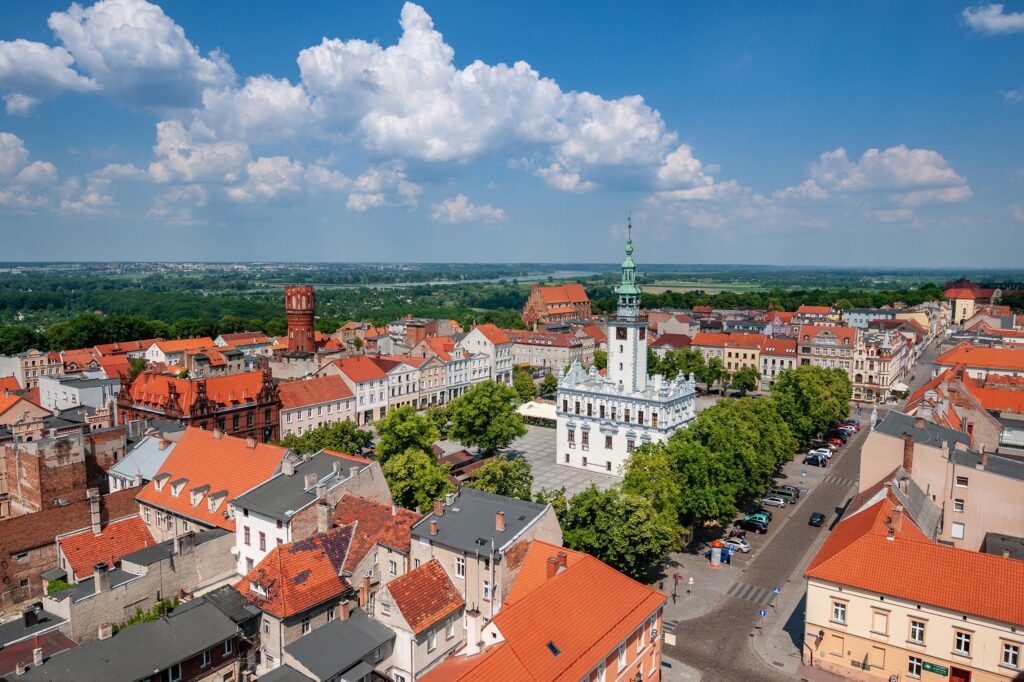
The region is renowned for its rich defensive traditions, as demonstrated by the impressive fortifications and monuments found in Chełmno and Grudziądz. Chełmno, often referred to as the “City of Lovers” due to its relics of St. Valentine, is captivating with its well-preserved city walls and Gothic urban layout, which is part of the European Route of Brick Gothic. Grudziądz, on the other hand, features monumental granaries and one of the largest 18th-century citadels in Europe, underscoring its historical significance as the capital of the Polish cavalry.
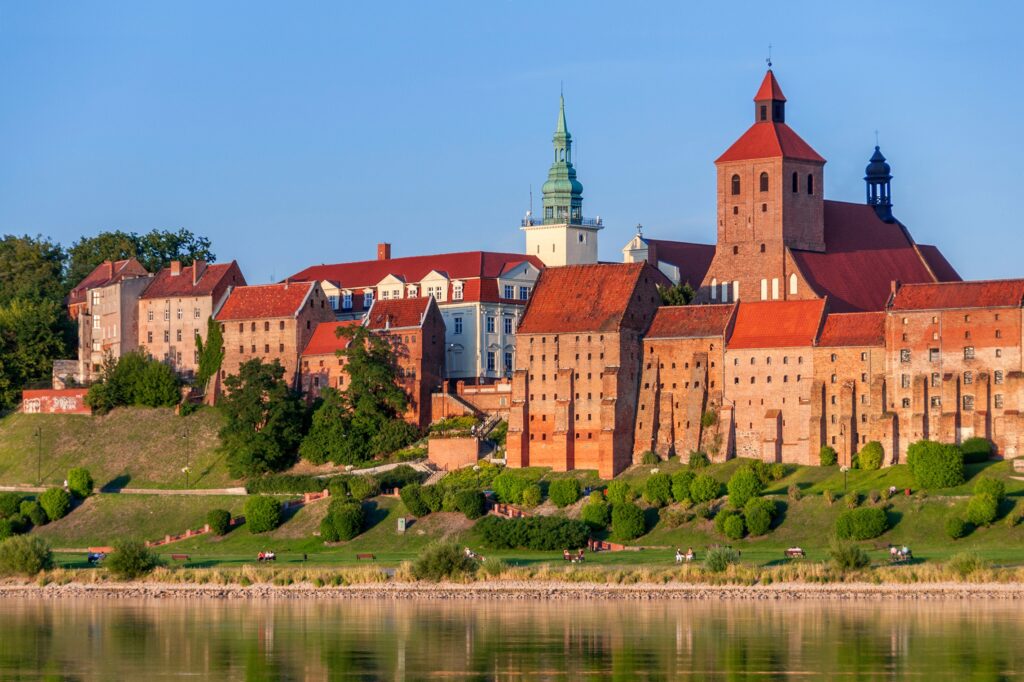
The Kujawsko-Pomorskie Voivodship is a significant centre for astronomy in Poland, characterised by its extensive network of observatories and astro-bases that promote space science. Its rich historical and cultural heritage, unique natural features, modern educational attractions, and renowned health resorts all contribute to making the Kuyavian-Pomeranian region an exceptionally appealing destination.
Regional capital
Toruń, alongside Bydgoszcz, is one of the two capitals of the Kujawsko-Pomorskie Voivodship and serves as a key cultural, historical, and tourist centre of the region. Situated on the banks of the Vistula River, Toruń stands out for its exceptionally well-preserved medieval Old Town, inscribed on the UNESCO World Heritage List, which is one of the city’s strongest assets on Poland’s cultural tourism map. The historical identity of Toruń is closely linked to its rich architectural heritage, featuring Gothic buildings, defensive walls, and distinctive townhouses that together create a cohesive and picturesque urban landscape. This living museum invites visitors to explore the history of both Poland and the Kuyavian-Pomeranian region.
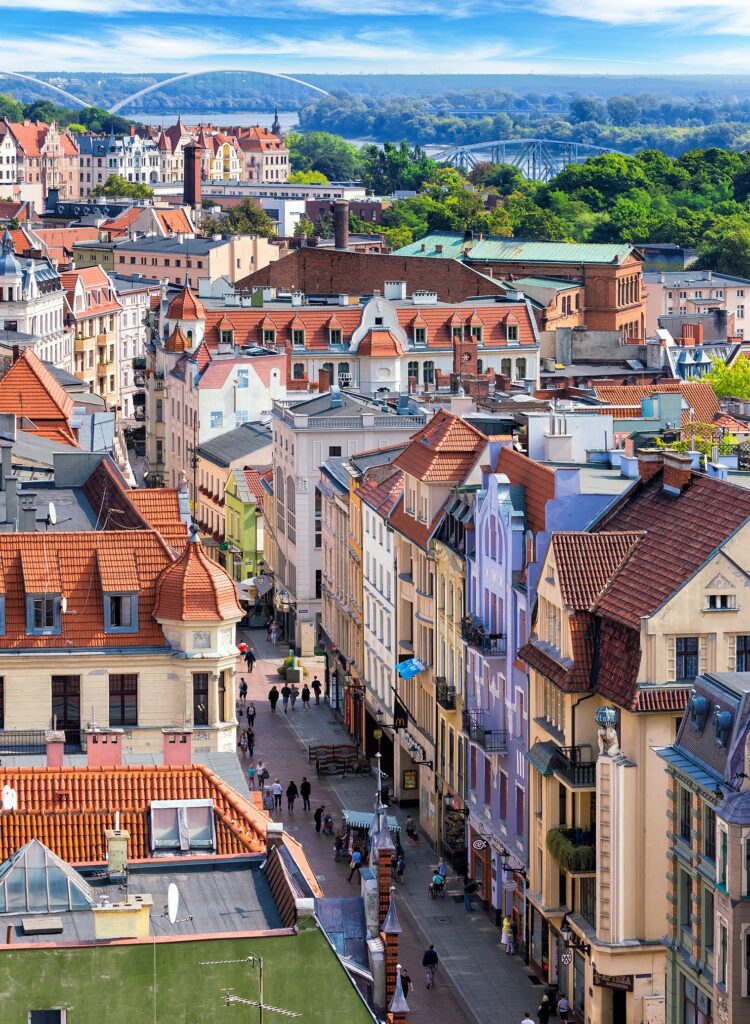
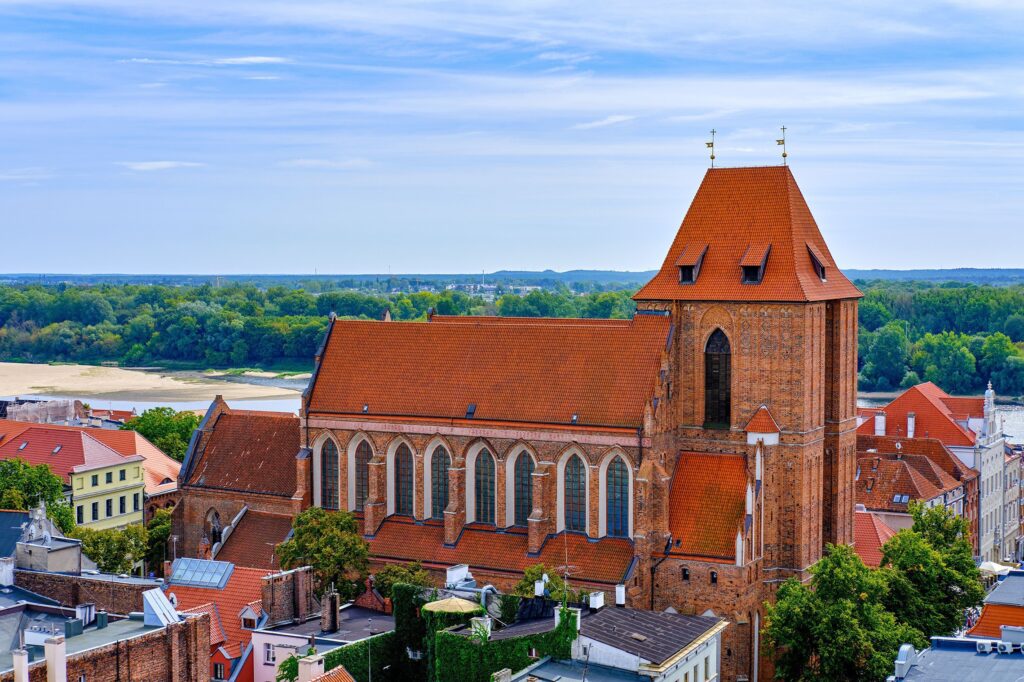
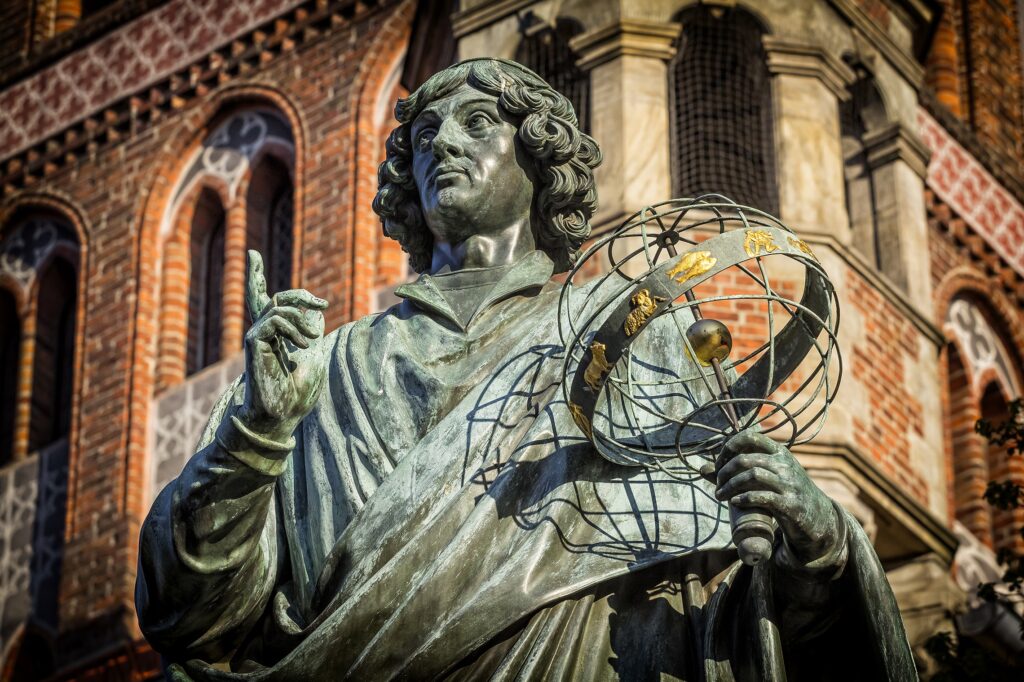
Toruń is also the city of Nicolaus Copernicus, which enhances its appeal for scientific and educational tourism. The museum dedicated to the astronomer, along with numerous cultural and scientific events, showcases the remarkable connection between historical legacy and the city’s modern dimension. Here, history meets innovation, attracting both history enthusiasts and science lovers, which sets Toruń apart from other destinations in Poland and abroad.
A significant element of Toruń’s identity is its long-standing gingerbread tradition, which has shaped the city’s reputation for centuries as a place of authentic culinary and cultural experiences. Gingerbread museums, interactive workshops, and themed events not only enhance the city’s appeal to tourists but also align with the global trend of culinary tourism and interest in local craftsmanship, further strengthening Toruń’s international position as a city with a unique character and rich history.
Equally important are Toruń’s fortifications and military monuments – from the Teutonic castle to the imposing city walls and towers – which attest to the city’s strategic significance in the region’s history.
Regional capital
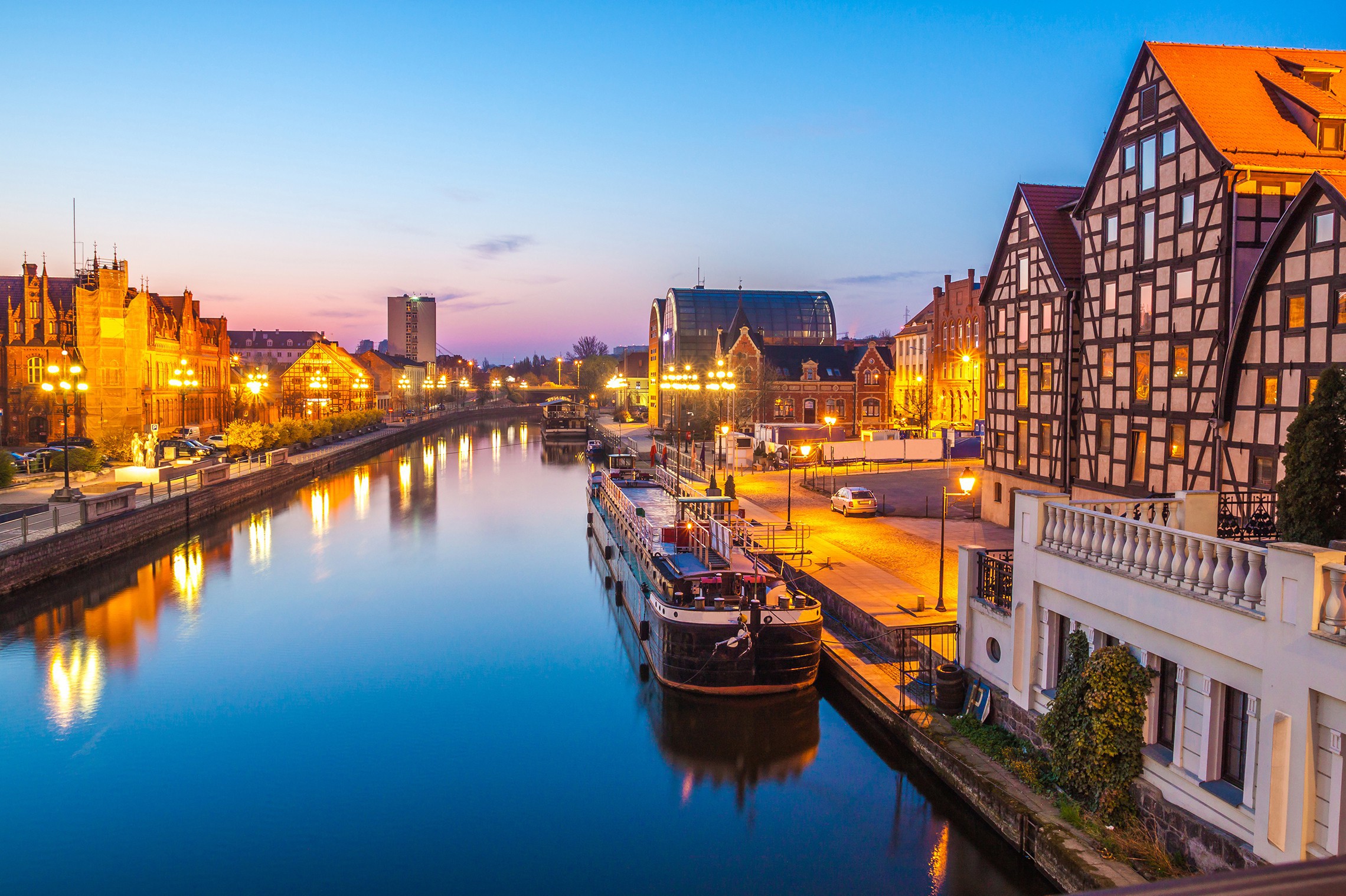
Bydgoszcz, one of the two capitals of the Kujawsko-Pomorskie Voivodship, is uniquely situated on the Brda River, which flows through the city centre, adding to its distinctive character. The river is beautifully integrated into the urban landscape, creating a unique atmosphere that fosters the growth of cultural, recreational, and business tourism. With a population of over 670,000, Bydgoszcz serves as a significant administrative centre.
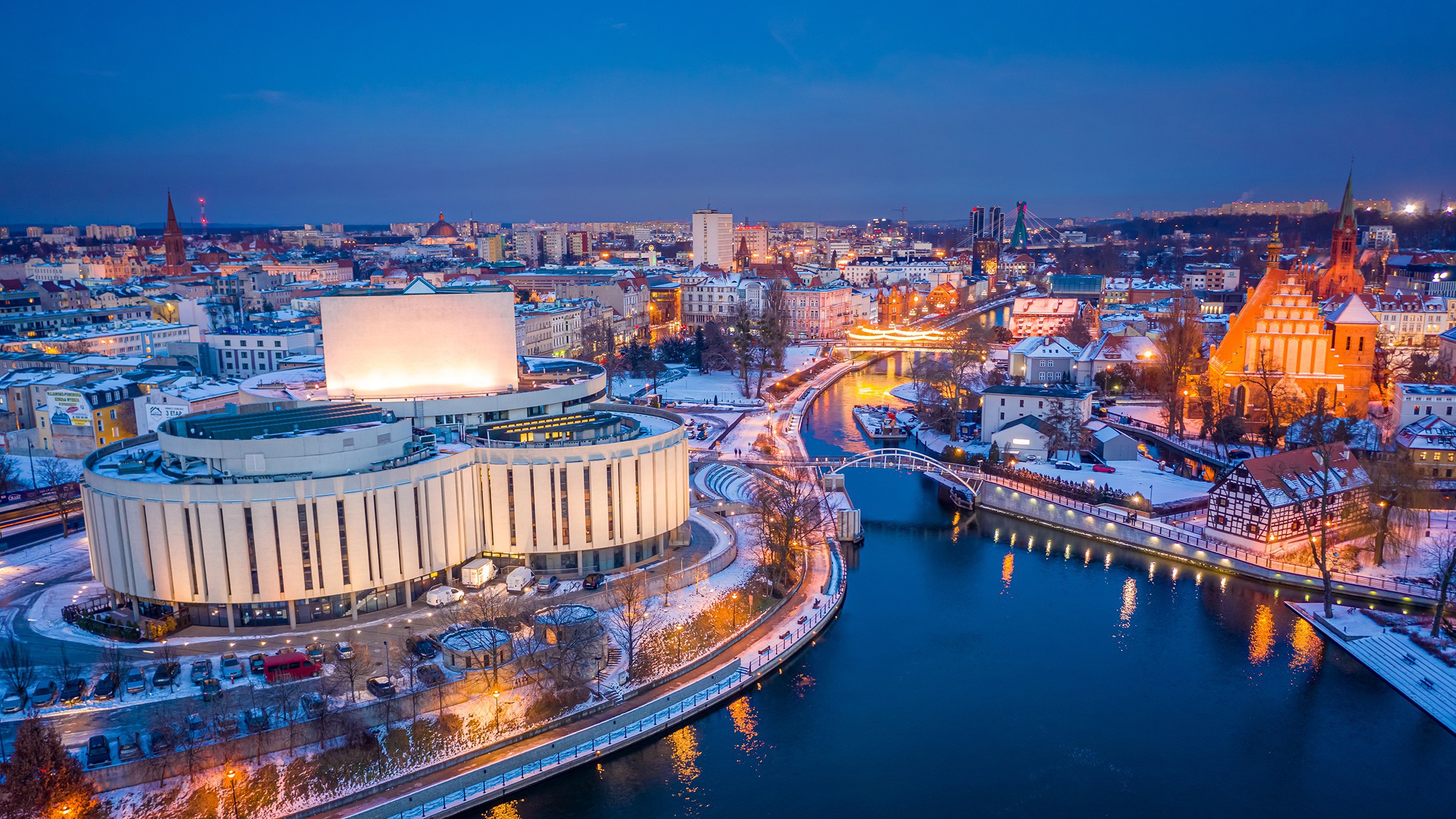
A key asset of Bydgoszcz is its “water” character, which has been harnessed to create innovative forms of urban tourism. Water tram cruises on the Brda River offer the opportunity to admire the city’s most important monuments and attractions from an unusual perspective, while also providing direct contact with the natural aquatic environment. Two routes – the Sunny Route and the Old Town Route – pass through the city’s most valuable historical and architectural sites, including the restored City Lock No. 2, making this offering highly attractive for both individual tourists and organised groups.
Bydgoszcz also impresses with the diversity of its monuments, reflecting its rich history and cultural identity. The Gothic St. Martin and St. Nicholas Cathedral, the oldest building in the city, is not only a place of worship but also a significant tourist destination due to its unique interior and exceptional artwork of outstanding artistic value.
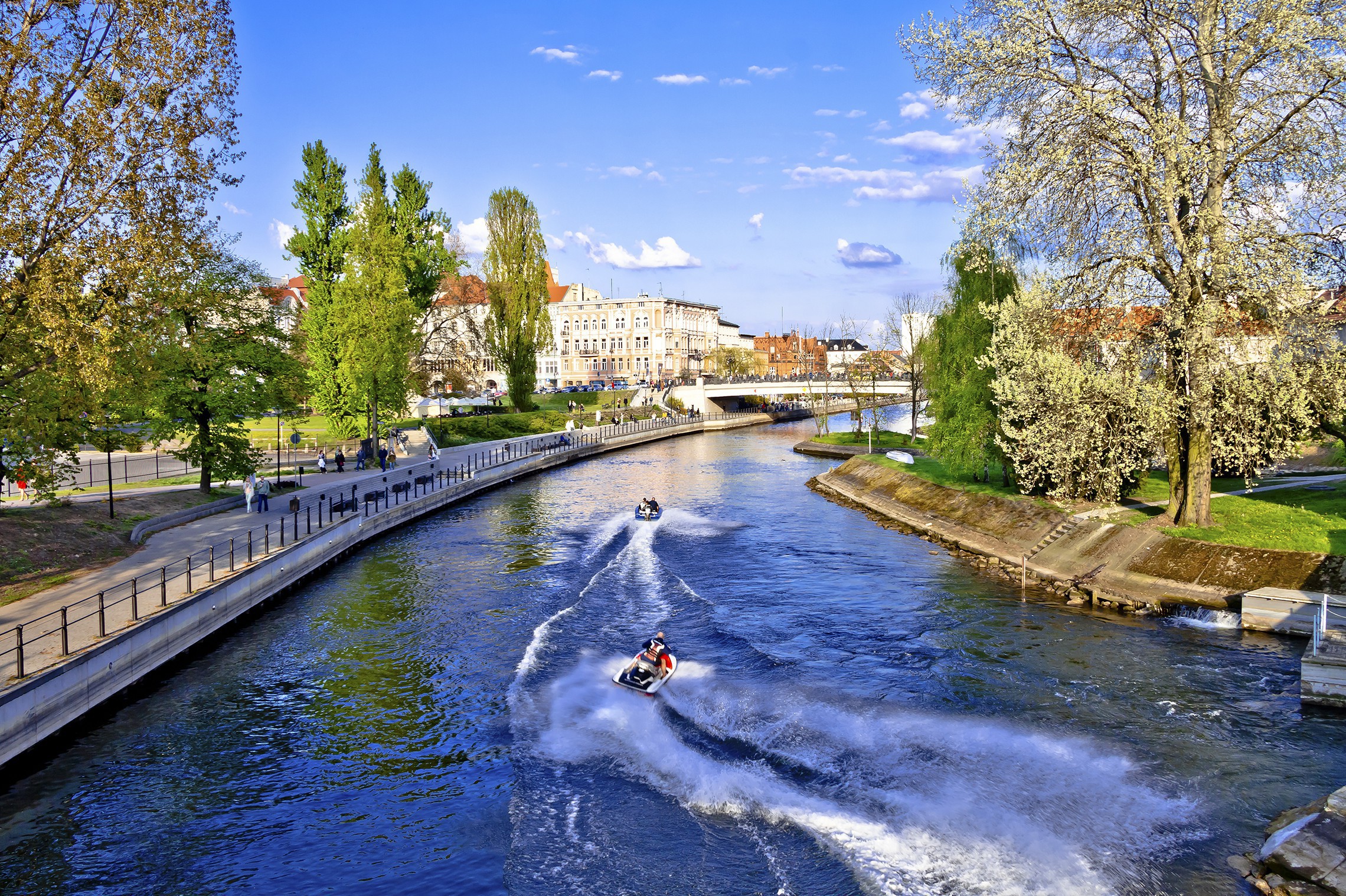
The city is also developing industrial heritage tourism, represented by the TeH2O Water, Industry, and Craft Trail, which connects more than fifteen key sites linked to the region’s industrial and historical legacy. Unique attractions include the Exploseum, a museum documenting the history of armaments; the European Money Centre; and the Museum of Soap and the History of Dirt, which combine education with interactive entertainment. The Water Tower, featuring a gallery and panoramic views of the city, and the Bydgoszcz Canal Museum highlight the city’s strategic location along European water and land routes, making it significant not only historically but also economically and as a tourist destination.
Bydgoszcz is home to numerous churches that display a variety of architectural styles, ranging from Gothic to Neo-Gothic and Modernist. The Minor Basilica of St. Vincent de Paul, inspired by the Roman Pantheon, stands as a prominent architectural highlight of the city. Close by, the Church of the Poor Clares features a stunning polychrome ceiling, while the Garrison Church of the Blessed Virgin Mary, Queen of Peace, adds to the city’s rich religious diversity. This diverse religious heritage is a significant part of the city’s broader cultural context, attracting enthusiasts of history, sacred art, and architecture.
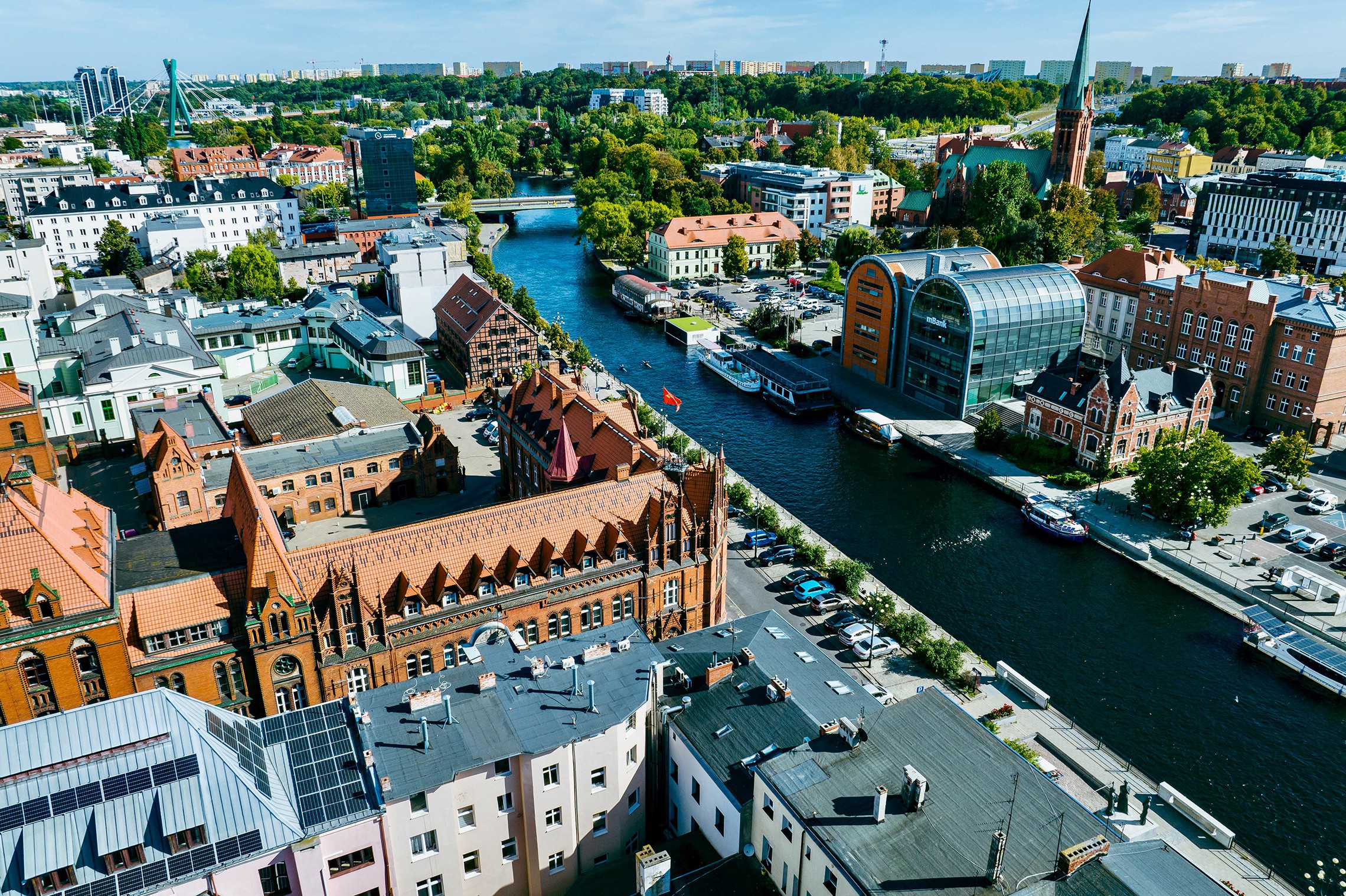
The recreational offer of Bydgoszcz includes extensive green areas, led by the city’s largest park, Myślęcinek, as well as numerous opportunities for active leisure, particularly water sports. The regatta course and events, such as Woda Bydgoska and the Bydgoszcz Triathlon, attract sports and recreation enthusiasts. Meanwhile, a rich calendar of cultural events, including music and theatre festivals along the Brda River, enhances the city’s offerings for both residents and visitors.
As a city with a strong, unique character as a water-based industrial and cultural centre, Bydgoszcz provides tourists with a wide range of attractions that combine history, art, recreation, and modern forms of entertainment.