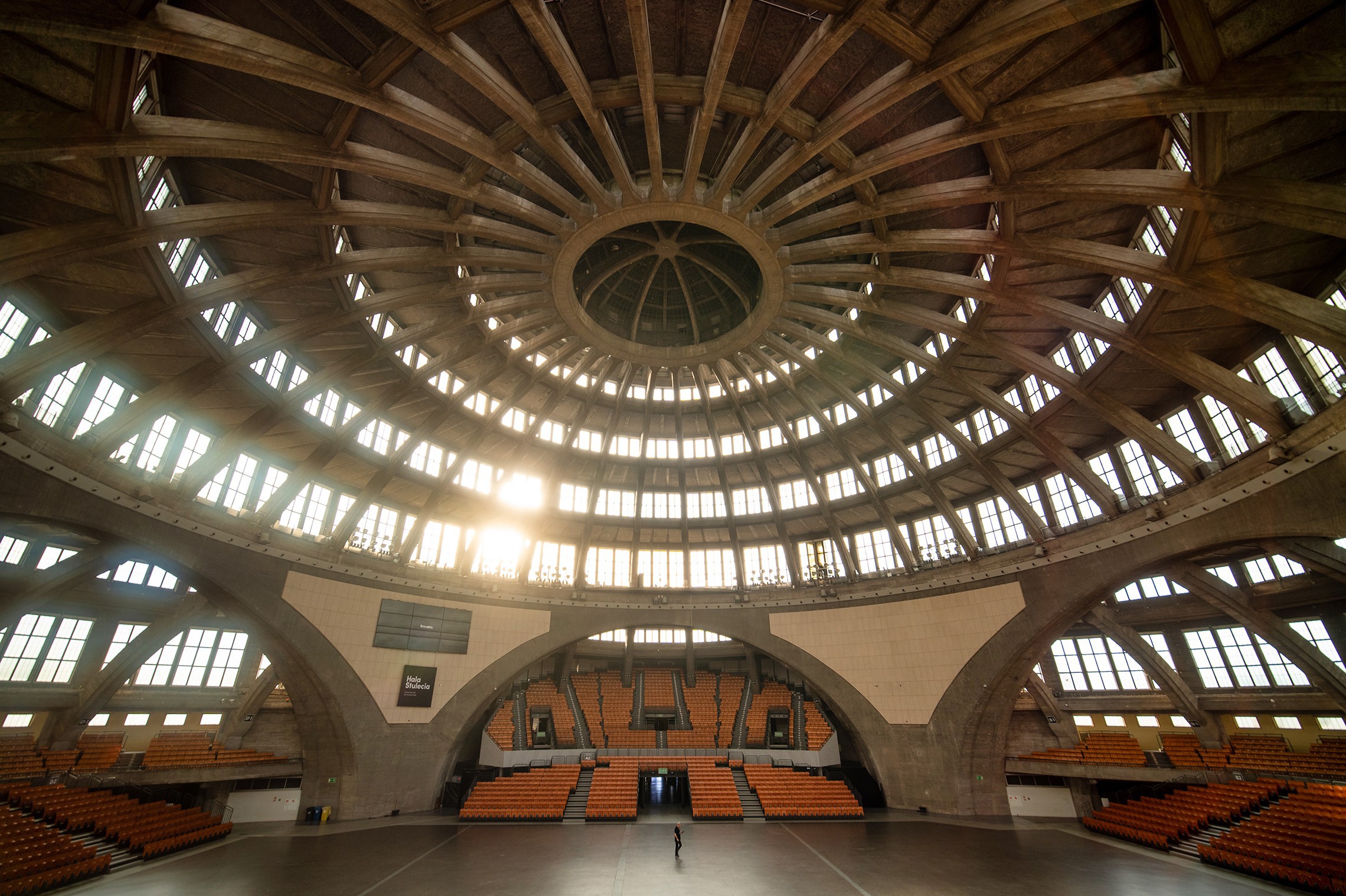
Dolnośląskie Voivodship, also known as Lower Silesia, is a region rich in treasures, with castles and palaces at the forefront, including Książ, which is the third-largest castle in Poland. The area is characterised by its beautiful mountains, two national parks – Karkonosze and Stołowe Mountains, numerous mountain resorts, and the highest concentration of spas in Poland. It also boasts three UNESCO World Heritage sites: the Churches of Peace in Jawor and Świdnica, and the Centennial Hall (Hala Stulecia) in Wrocław. The picturesque and beautiful city of Wrocław serves as the capital of this stunning region.
The Dolnośląskie Voivodship, situated in southwestern Poland, is one of the country’s most attractive regions, offering a diverse range of tourist attractions. Spanning nearly 20,000 square kilometres and home to almost 2.9 million residents, it serves as a gateway to a captivating world of history, nature, and culture. The region features historic cities, spectacular landscapes, and unique monuments that are recognised as UNESCO World Heritage sites. The capital, Wrocław, is one of Poland’s most beautiful and vibrant cities, serving as the cultural, scientific, and business centre of Lower Silesia. It attracts millions of visitors from Poland and around the world each year.
Lower Silesia is a region full of legends, mysteries, and extraordinary stories that come to life at every turn. It is home to Książ Castle, the third-largest castle in Poland and one of the most magnificent examples of medieval and Renaissance architecture, both defensive and residential. The castle is not only a symbol of the region but also a venue for numerous cultural events and historical reenactments.
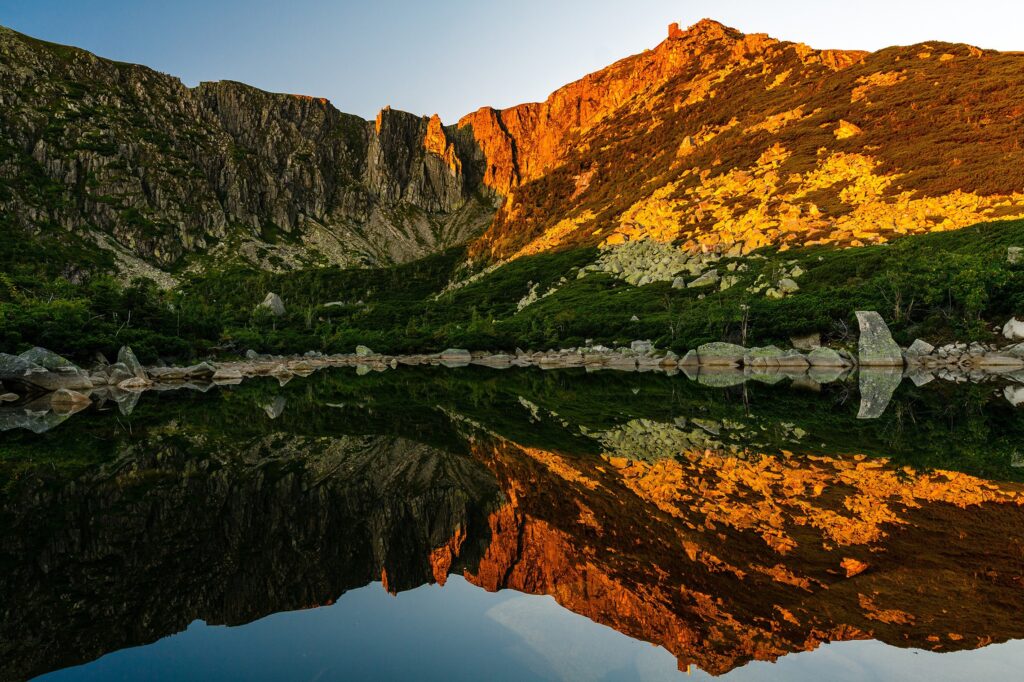
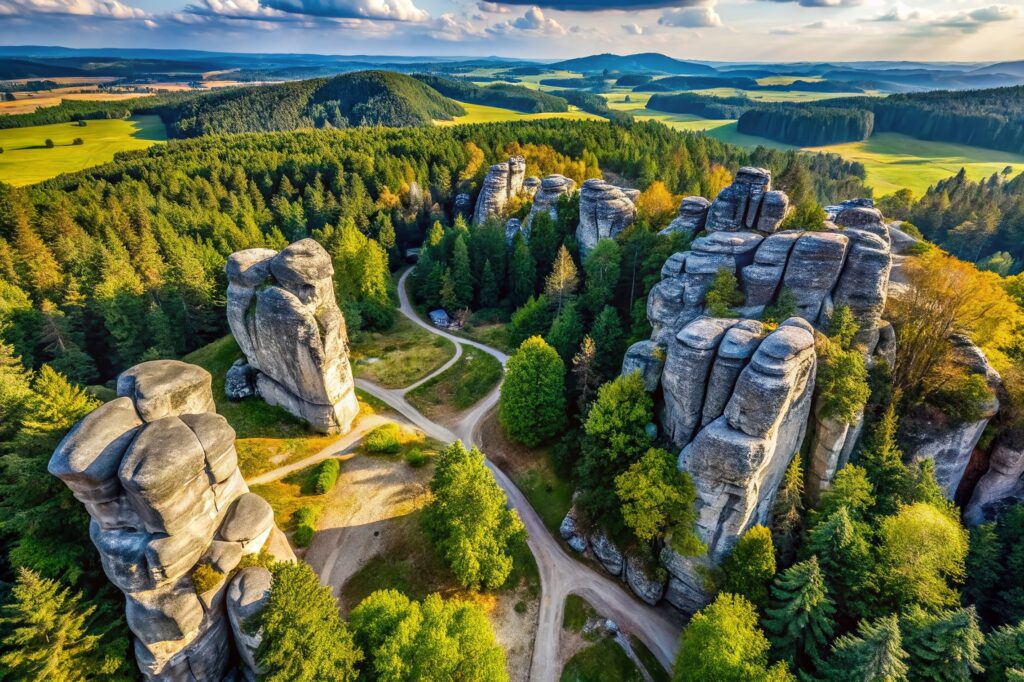
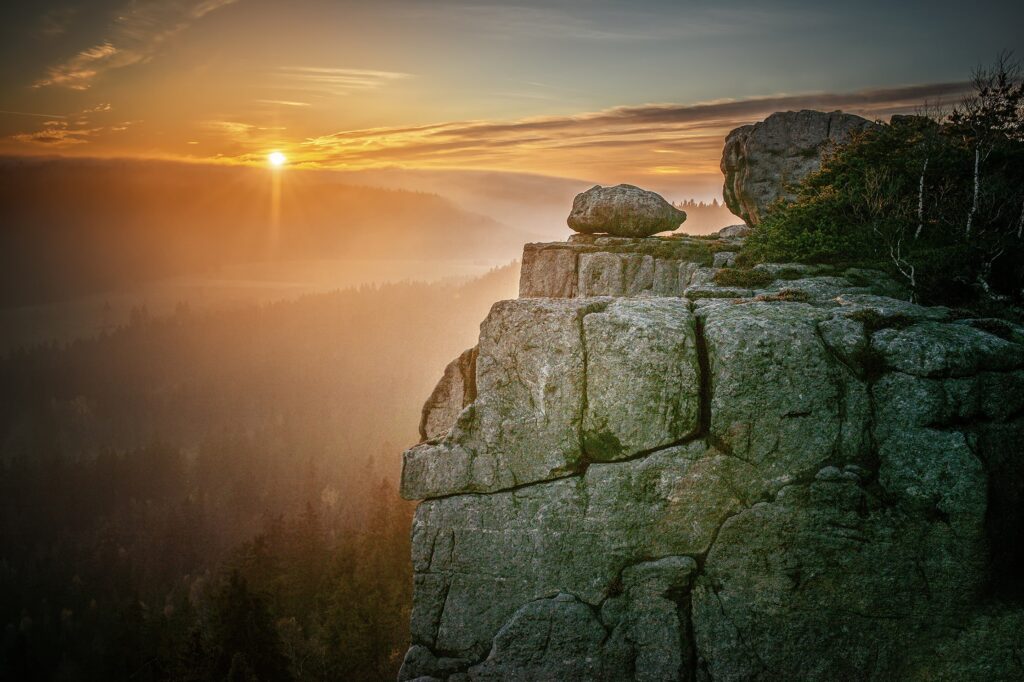
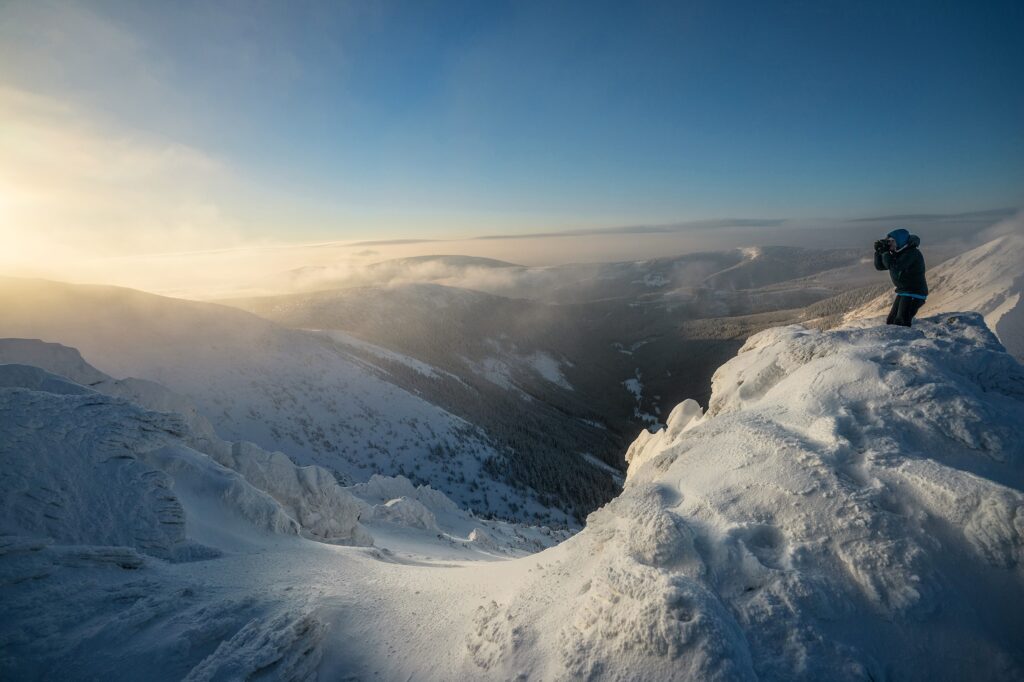
The voivodship is also home to two national parks – Karkonosze and Stołowe Mountains – offering exceptional opportunities for lovers of active mountain tourism, trekking, and nature. The Karkonosze Mountains, with their highest peak, Śnieżka, and an Alpine-like climate, are a haven for skiers and hikers. The Stołowe Mountains captivate with unique rock formations, such as Błędne Skały and Szczeliniec Wielki, which serve as natural parks for recreation and nature photography.
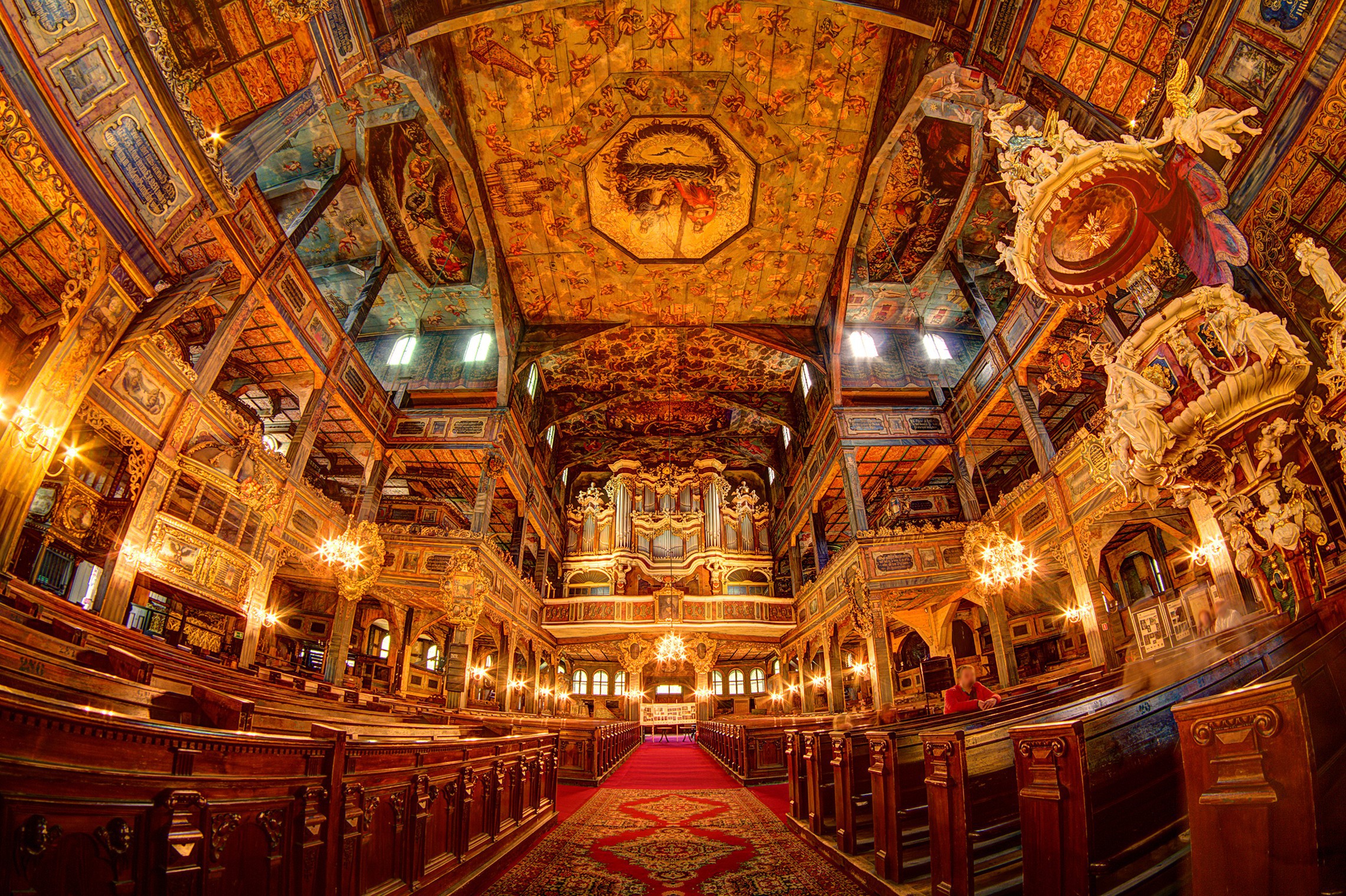
The region is renowned for its numerous spas, boasting the highest number of sanatoriums in Poland, which offer a wide range of therapeutic and relaxation treatments. Famous spa towns such as Polanica-Zdrój, Kudowa-Zdrój, and Duszniki-Zdrój have been attracting visitors from Poland and abroad for centuries, who come to benefit from the healing properties of mineral waters and the local climate. Lower Silesia also boasts a rich cultural heritage, with UNESCO gems such as the Churches of Peace in Jawor and Świdnica – the largest wooden sacral buildings in Europe – as well as the Centennial Hall in Wrocław, a masterpiece of modernist architecture and a UNESCO World Heritage site.
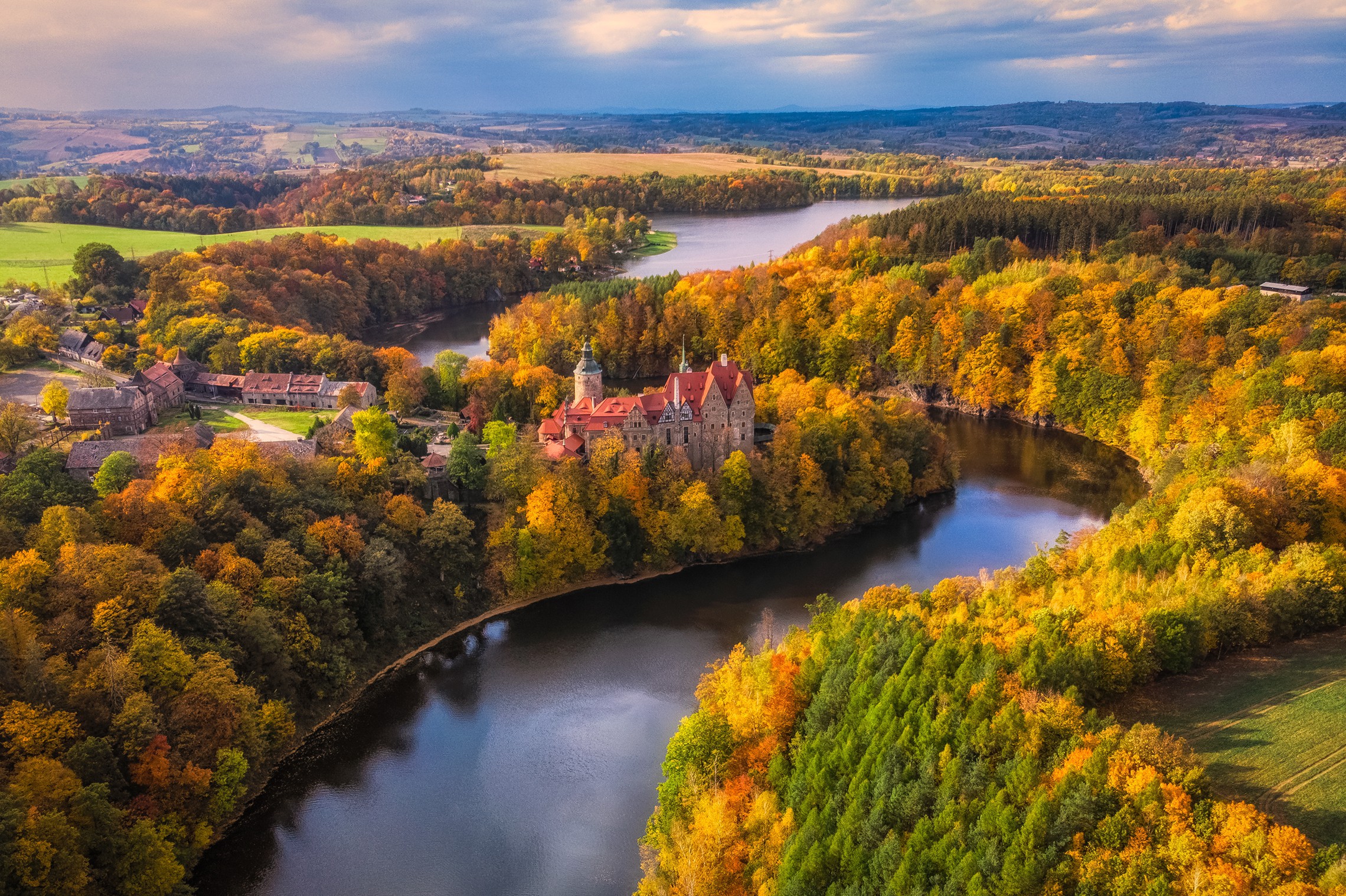
Lower Silesia is a region, where history blends with intriguing mysteries and legends. It features impressive castles and fortresses, such as Czocha Castle and the Srebrna Góra Fort, where visitors can enjoy unique experiences, from exploring medieval strongholds to participating in historical reenactments and attending themed festivals. The area is also renowned for its numerous underground attractions, such as the Gold Mine in Złoty Stok, where visitors can admire an underground waterfall along a subterranean route filled with historical anecdotes and tales of adventure. The Riese complex in the Sowie Mountains, combining mysterious underground fortifications and forts, is a perfect example of the wartime history of the region, which still attracts researchers and history enthusiasts.
The Dolnośląskie Voivodship also offers numerous cycling routes, suitable for both amateurs and experienced mountain bikers. The MTB Sudety Zone and Singletrack Glacensis provide opportunities for active recreation across more than 200 kilometres of specialised trails. Meanwhile, less mountainous areas, such as the surroundings of Wrocław or the Milicz Ponds, are ideal for families and nature lovers. In the forests and parks of Lower Silesia, visitors can encounter unique flora and fauna and participate in eco-tourism excursions and wildlife observation activities.
The Dolnośląskie Voivodship is a region that offers a vibrant and diverse tourism experience, blending history, culture, and nature. It is a destination where every visitor, regardless of age or interests, can find something appealing. Activities range from relaxing in spa towns to enjoying active recreation in the mountains and national parks, as well as exploring captivating tours of castles and underground passages.
Regional capital
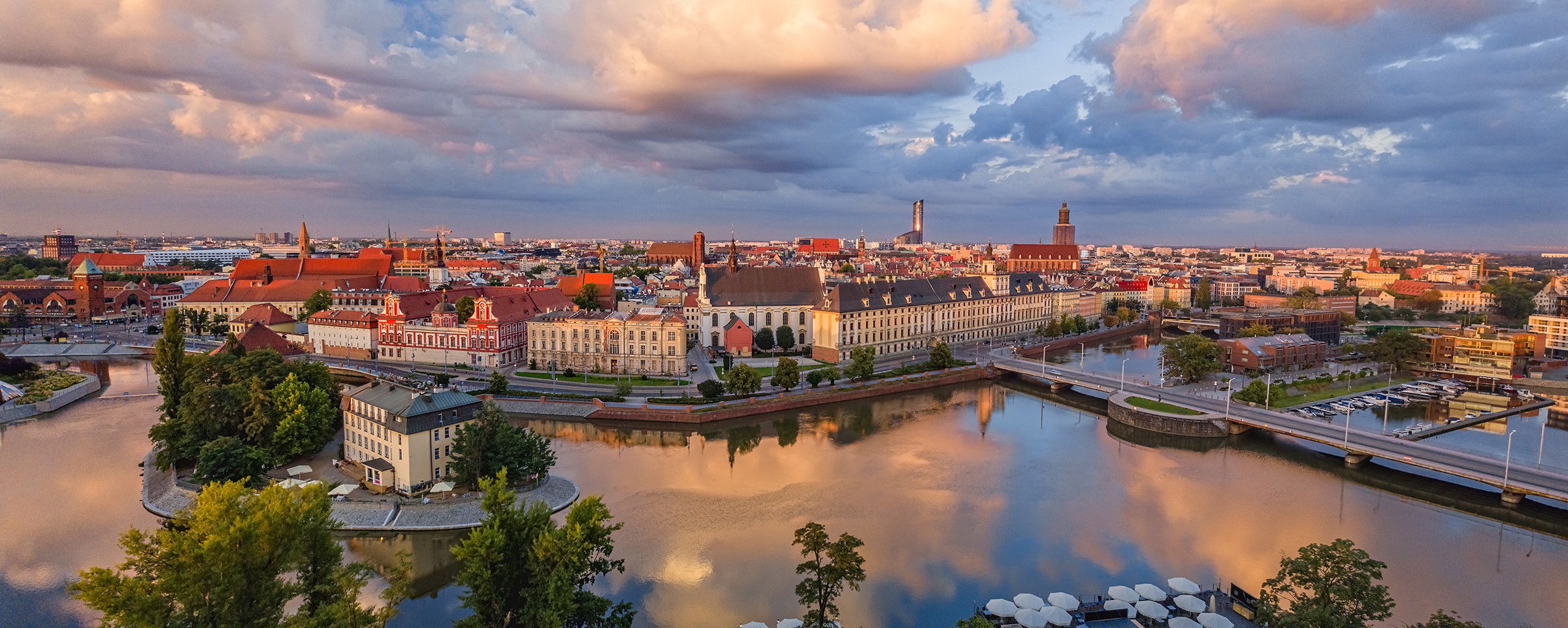
Wrocław, the capital of the Dolnośląskie Voivodship, is a city with a rich, centuries-long history, standing out on Poland’s map as an exceptional cultural, academic, economic, and tourist centre in the country’s southwestern region. Its strategic location on the Odra River and unique architecture – shaped by complex Czech, German, and Polish influences – create a space that attracts tourists from all over the world. Wrocław is a place where history harmoniously blends with modernity, offering a wide range of attractions for both lovers of historical monuments and enthusiasts of contemporary culture.
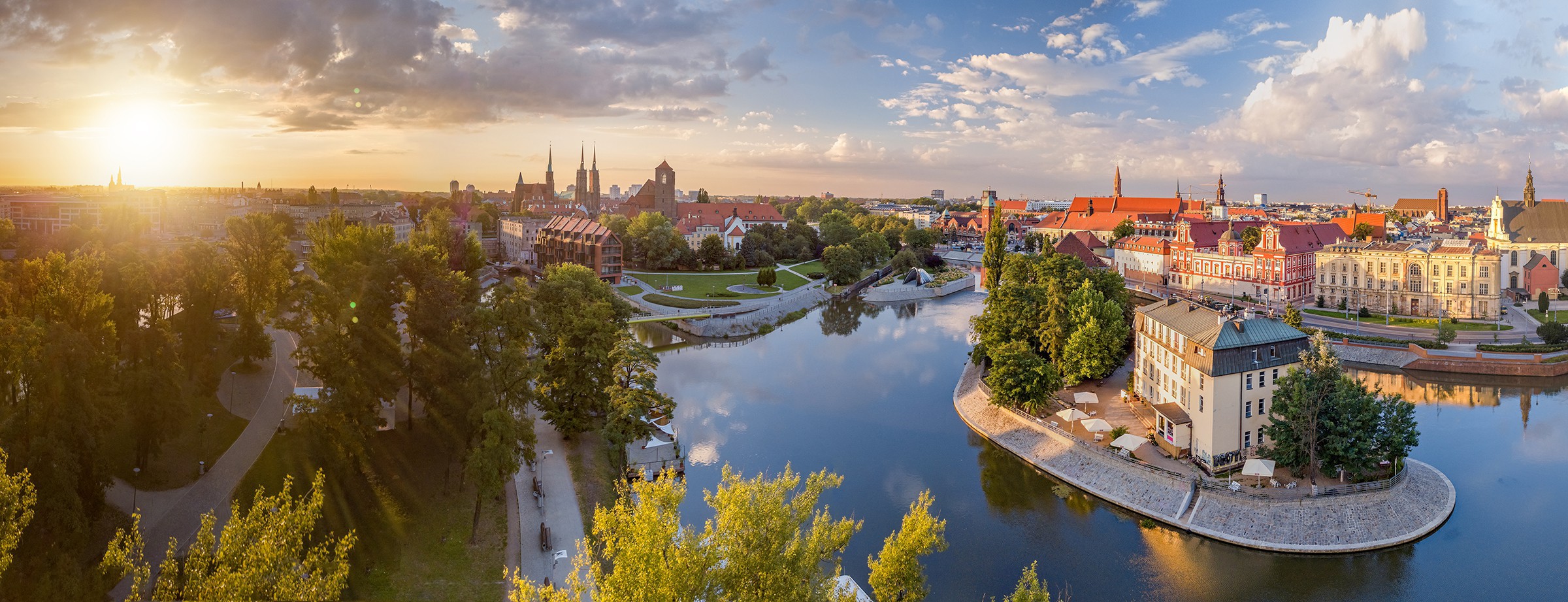
The city covers nearly 293 km² and is home to over 670,000 residents. Its urban and cultural value is recognised internationally. Known as the “City of Bridges,” Wrocław has more than one hundred bridges, placing it among the leading European cities in terms of the number of such structures, alongside Venice and Amsterdam. The symbolic Tumski and Grunwaldzki Bridges are not only part of the city’s infrastructure but also major tourist attractions – the former is famous for romantic love locks, while the latter is an impressive engineering feat that draws attention with its evening illuminations and serves as one of the city’s most recognisable landmarks.
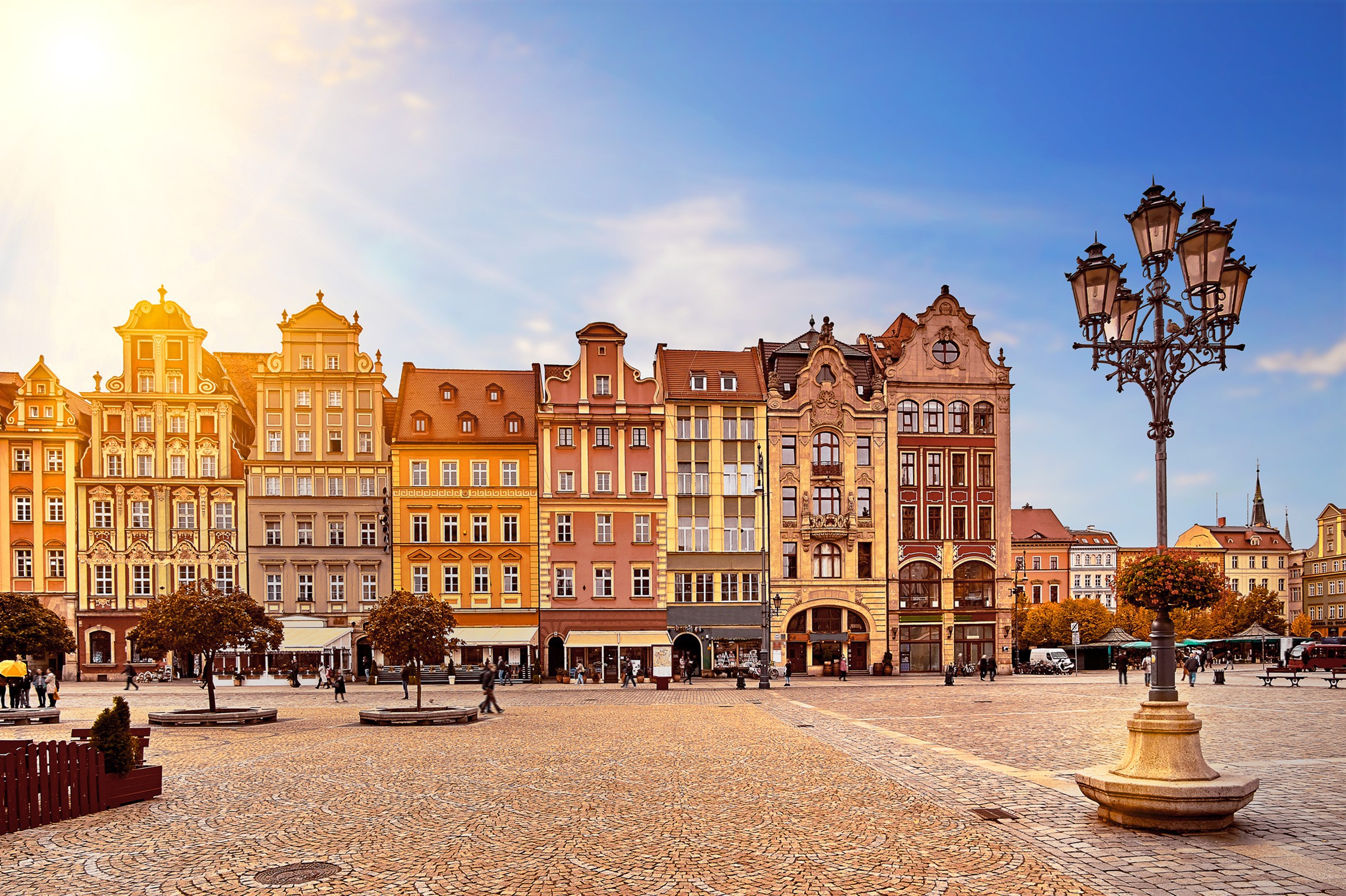
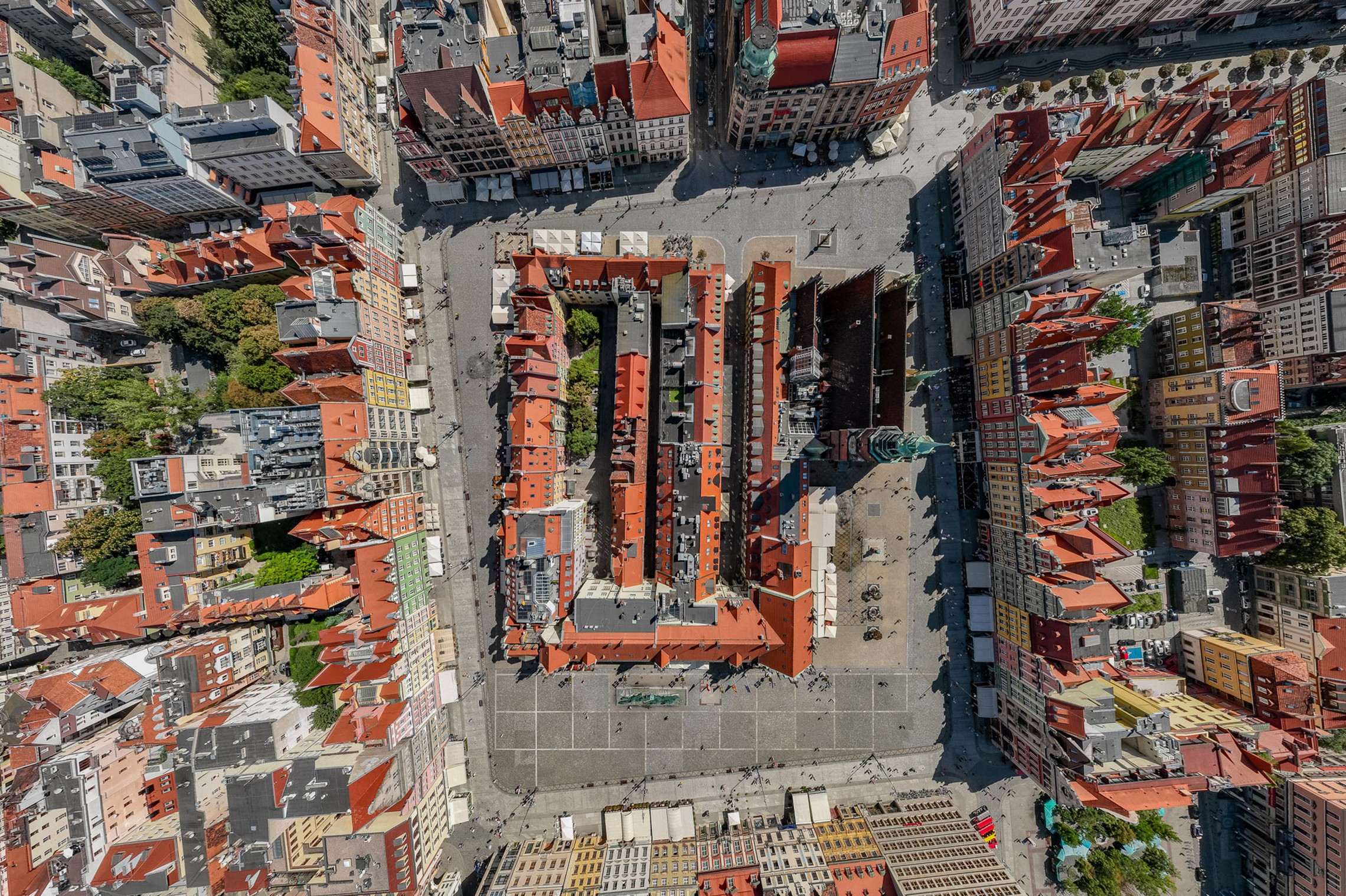
The historic heart of Wrocław is Ostrów Tumski, the city’s cradle dating back to the 10th century, featuring top-tier sacral monuments, including the Gothic St. John the Baptist Cathedral and the Collegiate Church of the Holy Cross and St. Bartholomew. Equally significant is the Market Square – one of the largest in Europe, surrounded by Renaissance and Baroque townhouses, among which the Old Town Hall stands out as the seat of the Museum of Bourgeois Art and a remarkable architectural monument in its own right. Wrocław’s Market Square pulses with life throughout the day and evening, offering a wide array of dining, artistic, and entertainment venues. Nearby is the Four Denominations District, a unique area where different religious traditions converge, also serving as a cultural and nightlife centre.
Wrocław also enjoys international recognition thanks to landmarks such as the Centennial Hall, a UNESCO World Heritage site. This venue, along with the largest multimedia fountain in Poland surrounding it, serves as a base for cultural events, concerts, and exhibitions. Additionally, the Racławice Panorama – a monumental painting depicting the Battle of Racławice – attracts history and art enthusiasts, offering a unique visual experience within its dedicated rotunda.
The city also impresses with its natural and educational offerings. Wrocław Zoo, featuring the Afrykarium – the largest facility of its kind in Poland – presents extraordinary ecosystems and diverse wildlife, including stingrays, sharks, and exotic birds. Szczytnicki Park and the Japanese Garden serve as the city’s green lungs, allowing visitors to connect with nature in the heart of the metropolis. The interactive Hydropolis centre offers modern education about water, emphasising its vital role in the planet’s future.

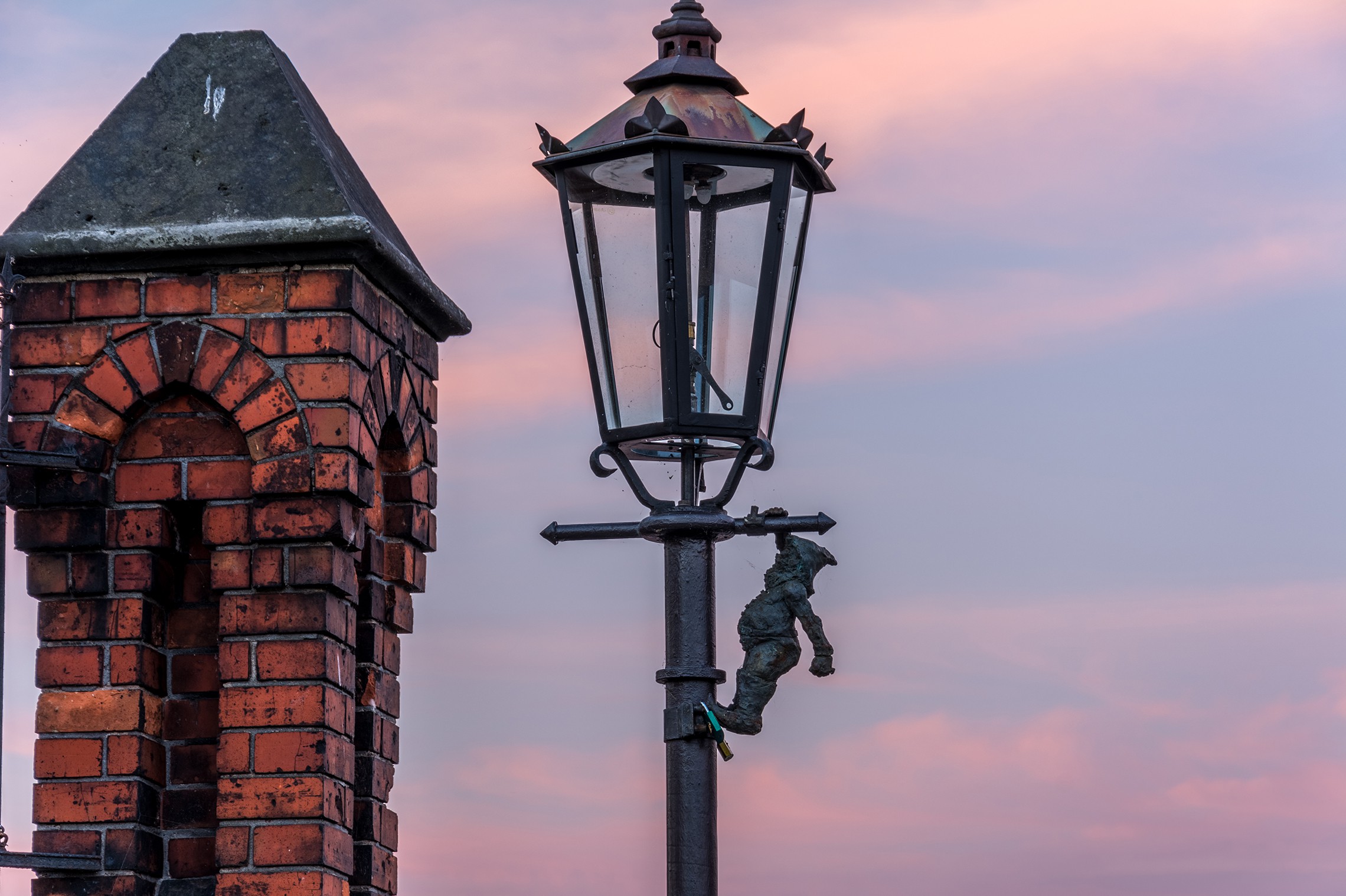
Wrocław’s tourism offer is further enriched by numerous themed trails – from historical and film routes to those focused on street art or the city’s legendary collection of dwarf statues, which have become an iconic symbol of the city and delight both residents and tourists alike. Opportunities for active exploration are complemented by water tourism on the Oder River and the unique Polinka cable car.
Wrocław is also a dynamic centre of cultural life, having earned the title of European Capital of Culture in 2016. The city hosts world-renowned festivals such as Wratislavia Cantans, New Horizons, and the Crime Festival, while its theatre, opera, and music scenes are of the highest calibre, attracting audiences from across the globe.
Wrocław is a place where history, culture, and nature coexist in harmony. Its diversity, openness, and unique atmosphere ensure that every visitor can find something for themselves – from fascinating monuments, to inspiring cultural events, to unparalleled natural and culinary experiences.
Wrocław’s inclusion in the Michelin Guide highlights the high standards of its local cuisine and attracts tourists in search of exceptional culinary experiences. The city’s restaurants offer a diverse array of flavours, serving everything from modern dishes to traditional recipes made with locally sourced ingredients. This variety showcases the richness of the culinary world and caters to even the most discerning palates. As a result, Wrocław has become a destination where every food lover can find something to delight in.