Warmińsko-Mazurskie Voivodship is an immensely popular region among tourists thanks to the Great Masurian Lakes. The area is rich in resorts and spa towns, and it is dotted with charming small towns set amidst beautiful forests and lakes.
Warmińsko-Mazurskie, located in northeastern Poland, is one of the country’s most picturesque and unique regions. It spans approximately 24,173 square kilometres and has a population of around 1.4 million people. The capital of the region, Olsztyn, serves as the heart of the area and is a significant centre for culture, science, and tourism.
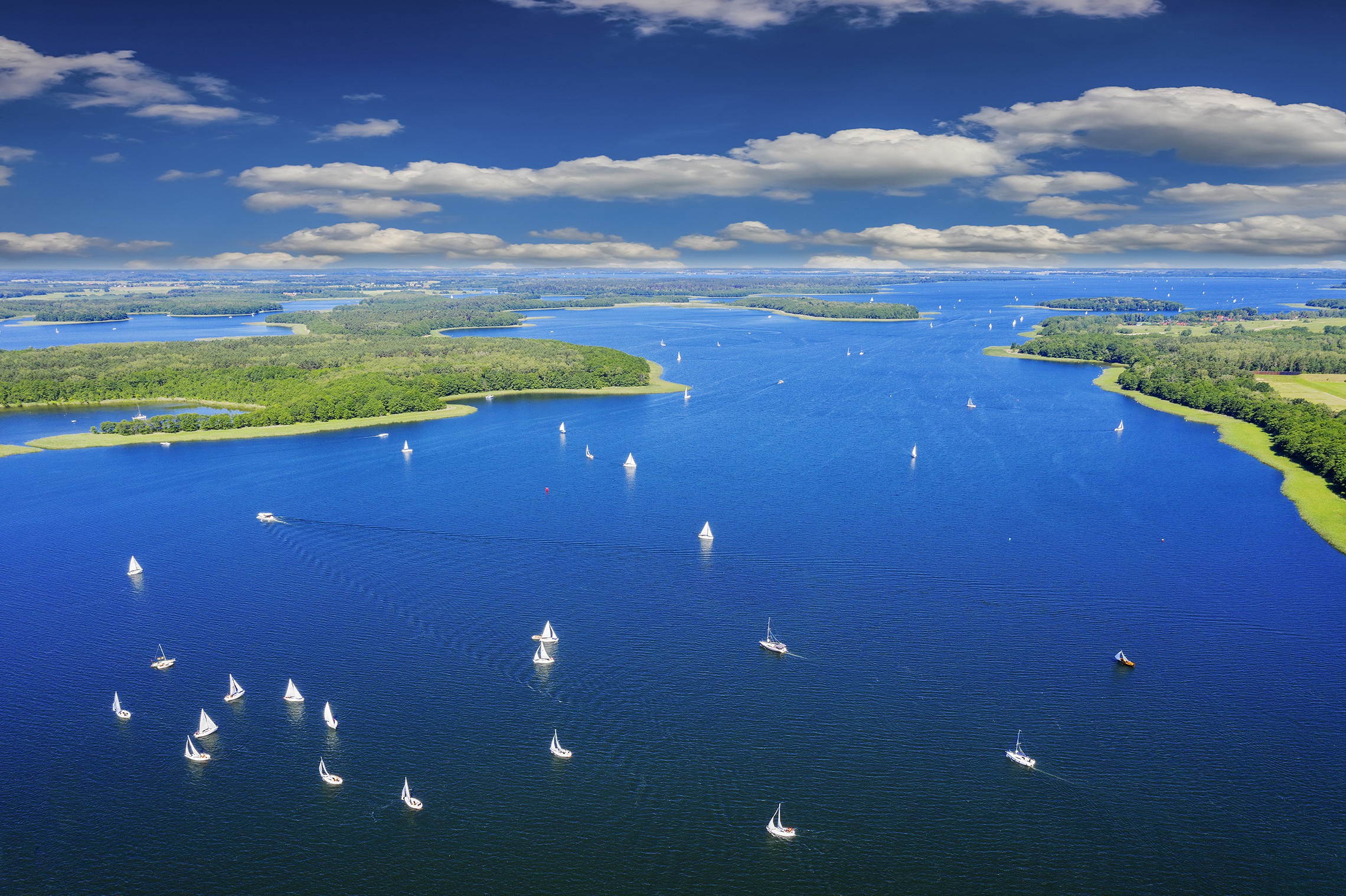
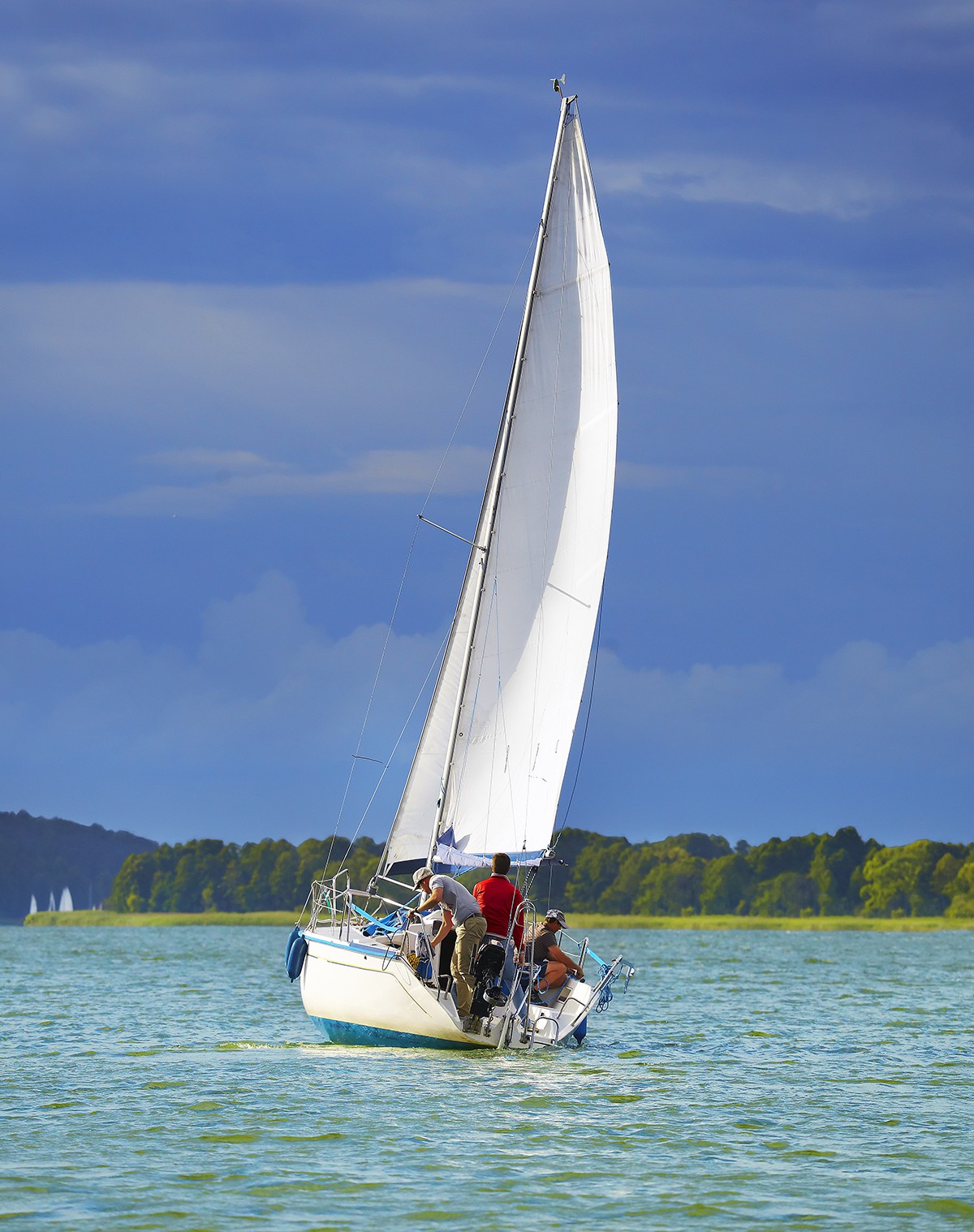
The region is best known for the Great Masurian Lakes, often referred to as the Land of a Thousand Lakes. This truly unique area in Poland and Europe features a stunning combination of water and forests, creating landscapes that are unlike anywhere else in the country. The Masurian Lakes attract sailors, kayakers, and nature enthusiasts from around the world, thanks to a well-developed tourist infrastructure and numerous waterways. The two largest lakes in the region, Śniardwy and Mamry, provide excellent conditions for sailing and enjoying the natural surroundings.
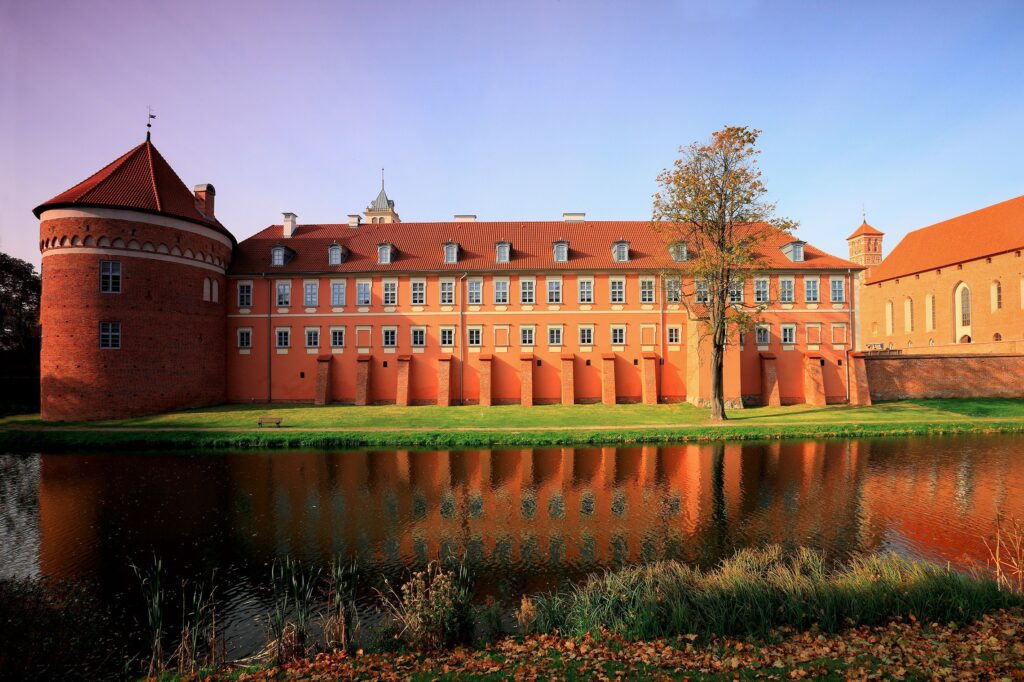
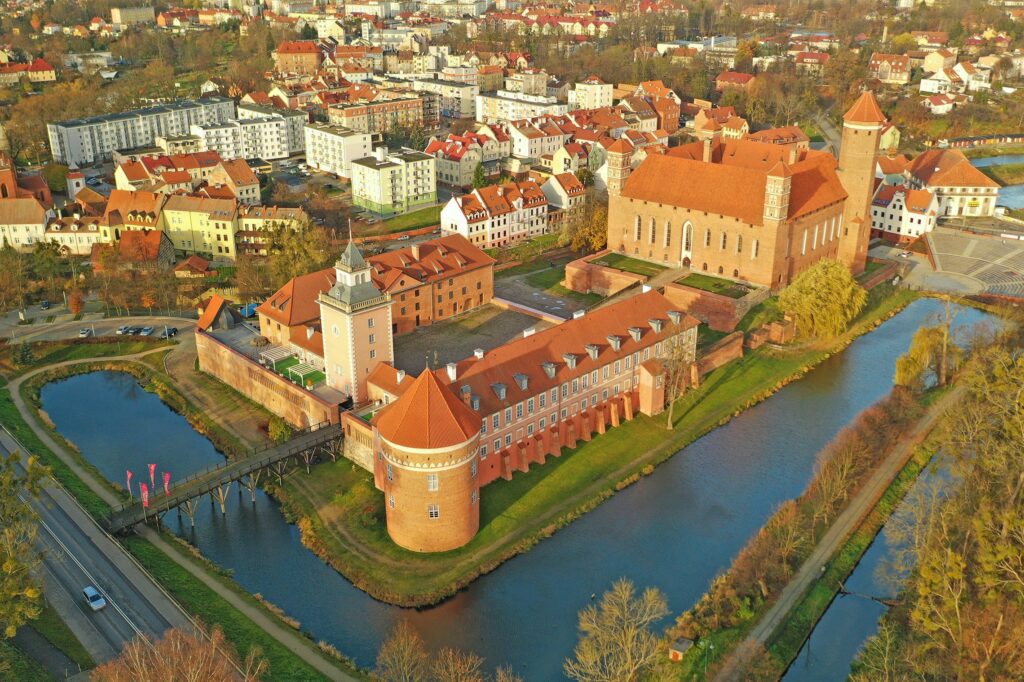
Warmińsko-Mazurskie is also a land of castles and fortresses. One of the most important historic sites is the Castle in Lidzbark Warmiński. This 14th-century Gothic fortress served as the residence of the Warmian bishops. It was here that Nicolaus Copernicus lived and worked, developing the early foundations of his heliocentric theory. The castle impresses not only with its architecture but also with its 14th-century polychromes preserved in the cloisters, which are unique on a global scale.
Another remarkable site is the Wolf’s Lair in Gierłoż, near Kętrzyn – a secret headquarters of Adolf Hitler during World War II. Although most of the structures were demolished at the end of the war, visitors can still explore the bunkers and remnants of the German fortifications that held strategic importance for the Nazi command.
The region also offers many attractions for those seeking wellness and active recreation. There are numerous spa towns and wellness centres, such as Gołdap, known for its clean air and Masurian brine graduation towers.
Cultural events and festivals keep the region vibrant throughout the year.
Nature lovers will appreciate the many landscape parks and nature reserves in the Warmińsko-Mazurskie Voivodship. Among them, Piska Forest stands out as the largest lowland forest complex in Poland, teeming with wildlife and crisscrossed with hiking and cycling trails. Kayaking along the Krutynia River is also a popular way to experience the region’s natural beauty.
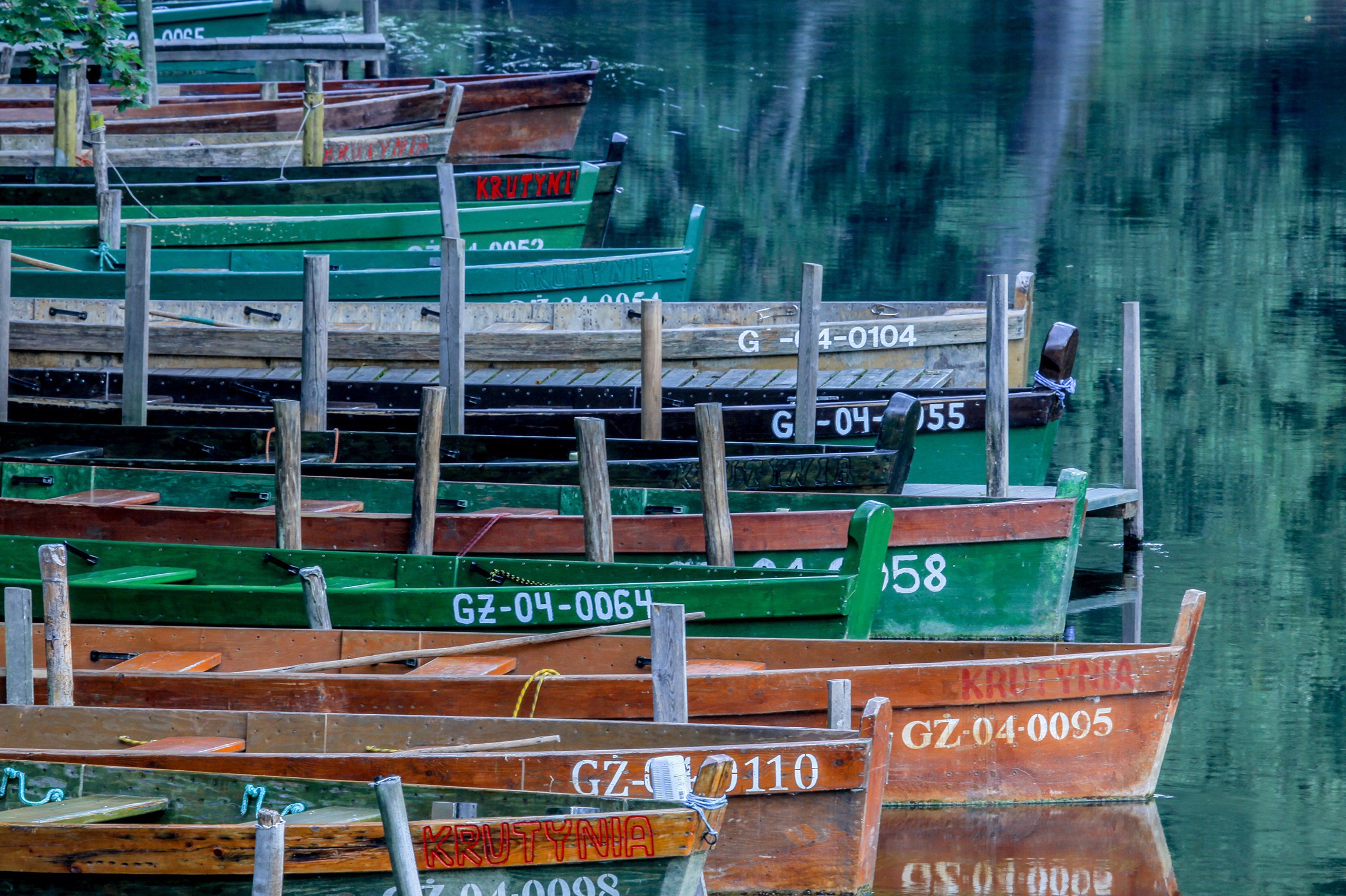
Warmińsko-Mazurskie is not only a paradise for tourists seeking peace and tranquillity, but also a region alive with cultural, historical, and sporting activities. The blend of rich history, stunning natural landscapes, and modern infrastructure makes it an ideal destination for those who value variety and unique experiences.
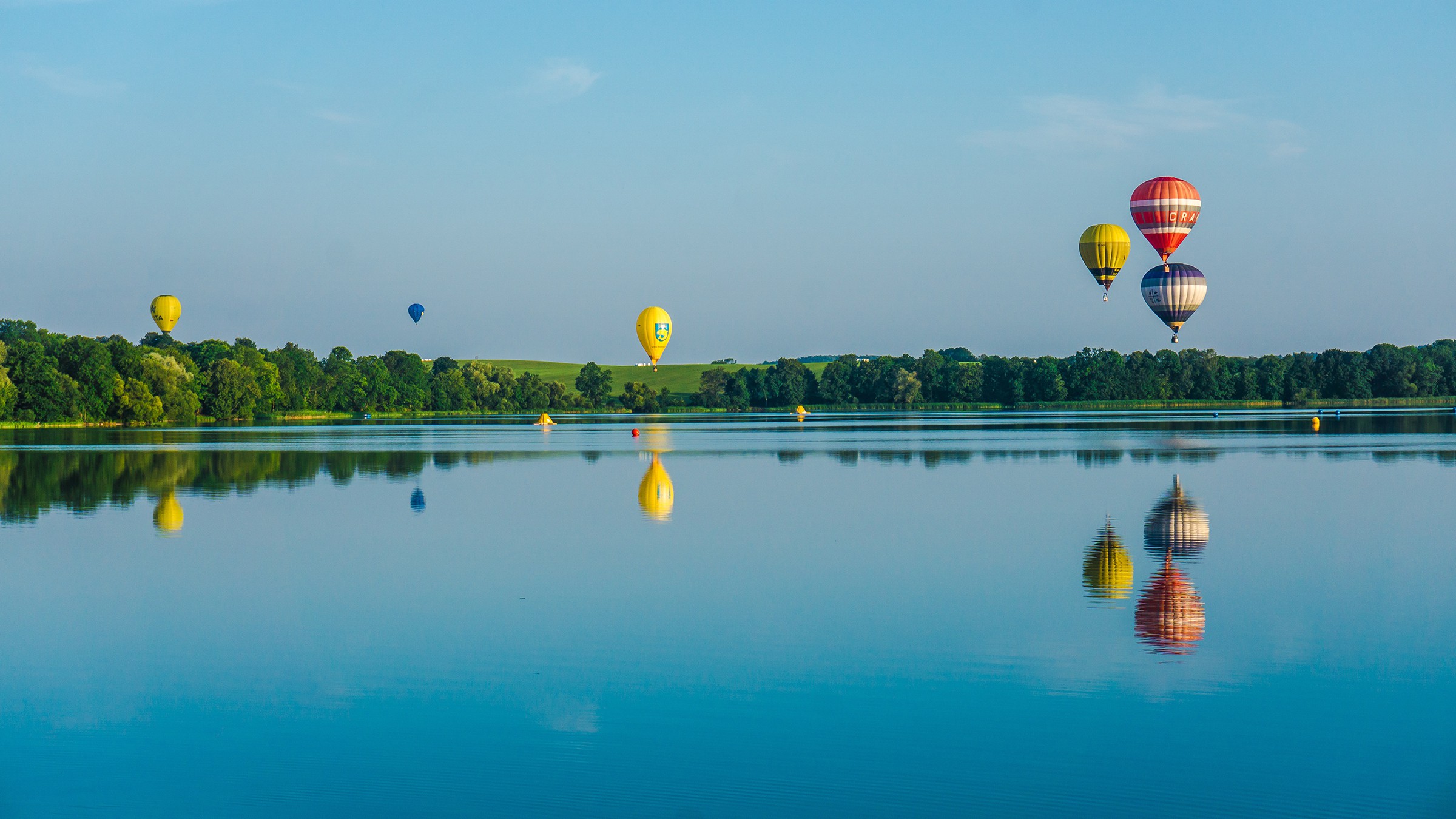
In summary, the Warmińsko-Mazurskie Voivodship successfully combines natural beauty with cultural heritage, offering countless opportunities for active recreation, historical exploration, and enjoyment of nature’s splendour. Whether for a summer holiday, a weekend getaway, or an extended sightseeing trip, this remarkable region has something to offer everyone.
Regional capital
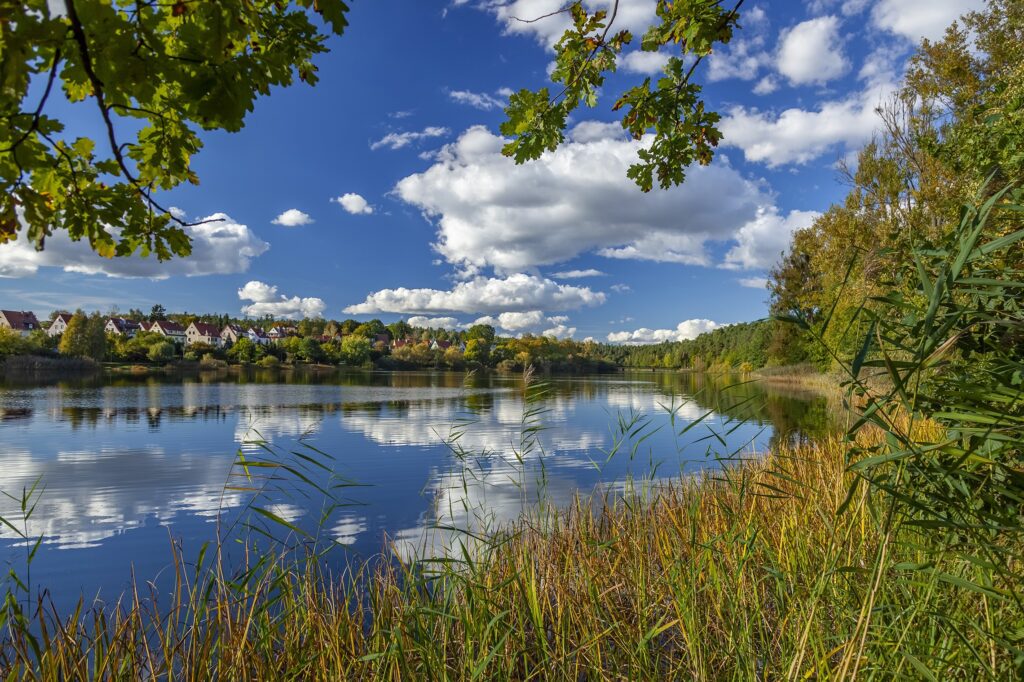
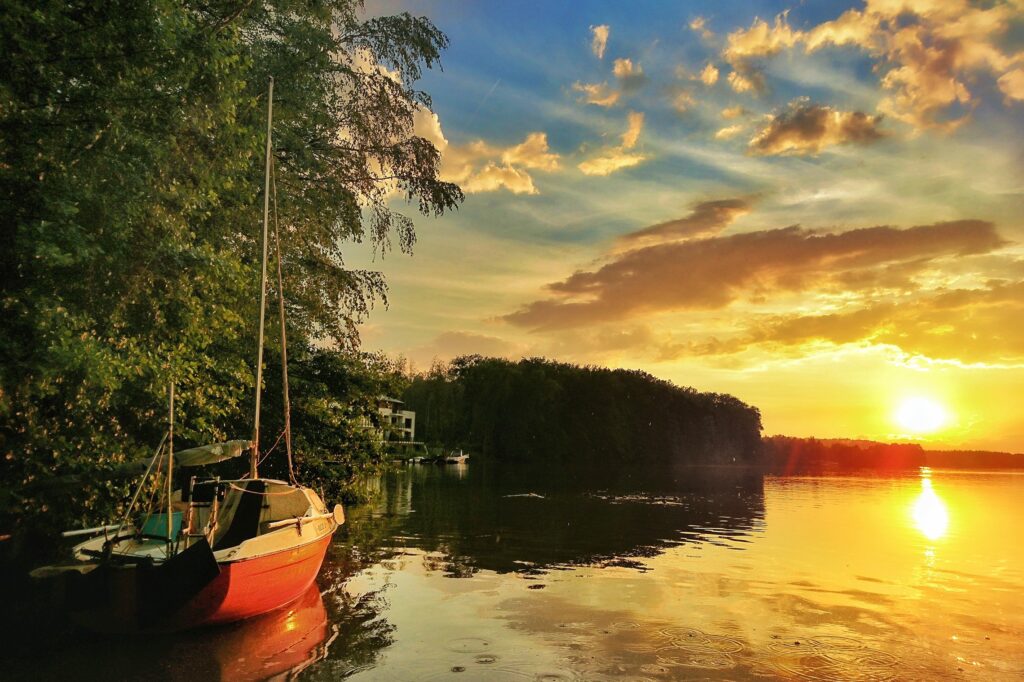
Olsztyn, the capital of the Warmińsko-Mazurskie Voivodship, is a city where nature and history intertwine, making it one of the most appealing destinations on Poland’s tourist map. Surrounded by beautiful forests and eleven lakes, Olsztyn offers visitors a unique experience that blends outdoor recreation with rich cultural heritage. The urban environment harmonises seamlessly with its natural surroundings, while modern infrastructure ensures a comfortable and enjoyable visit.
A visit to Olsztyn is best started in the Old Town, which has preserved its medieval street layout, creating the distinctive atmosphere of a historic city. The High Gate, the only remaining part of the old defensive walls, stands as a symbol of the city and a must-see landmark. The heart of the Old Town is the market square with its Gothic town hall, surrounded by charming townhouses that reflect both historical and contemporary character.
One of the city’s most important monuments is the Co-Cathedral Basilica of St. James the Apostle, which serves not only as a place of worship but also as a treasure trove of Warmia’s history. The basilica houses the relics of St. Adalbert and the episcopal throne of the Warmian bishops. Adjacent to it is the Archdiocesan Museum of Warmia, containing valuable sacred art and manuscripts of Polish literature, reflecting the region’s rich cultural heritage.
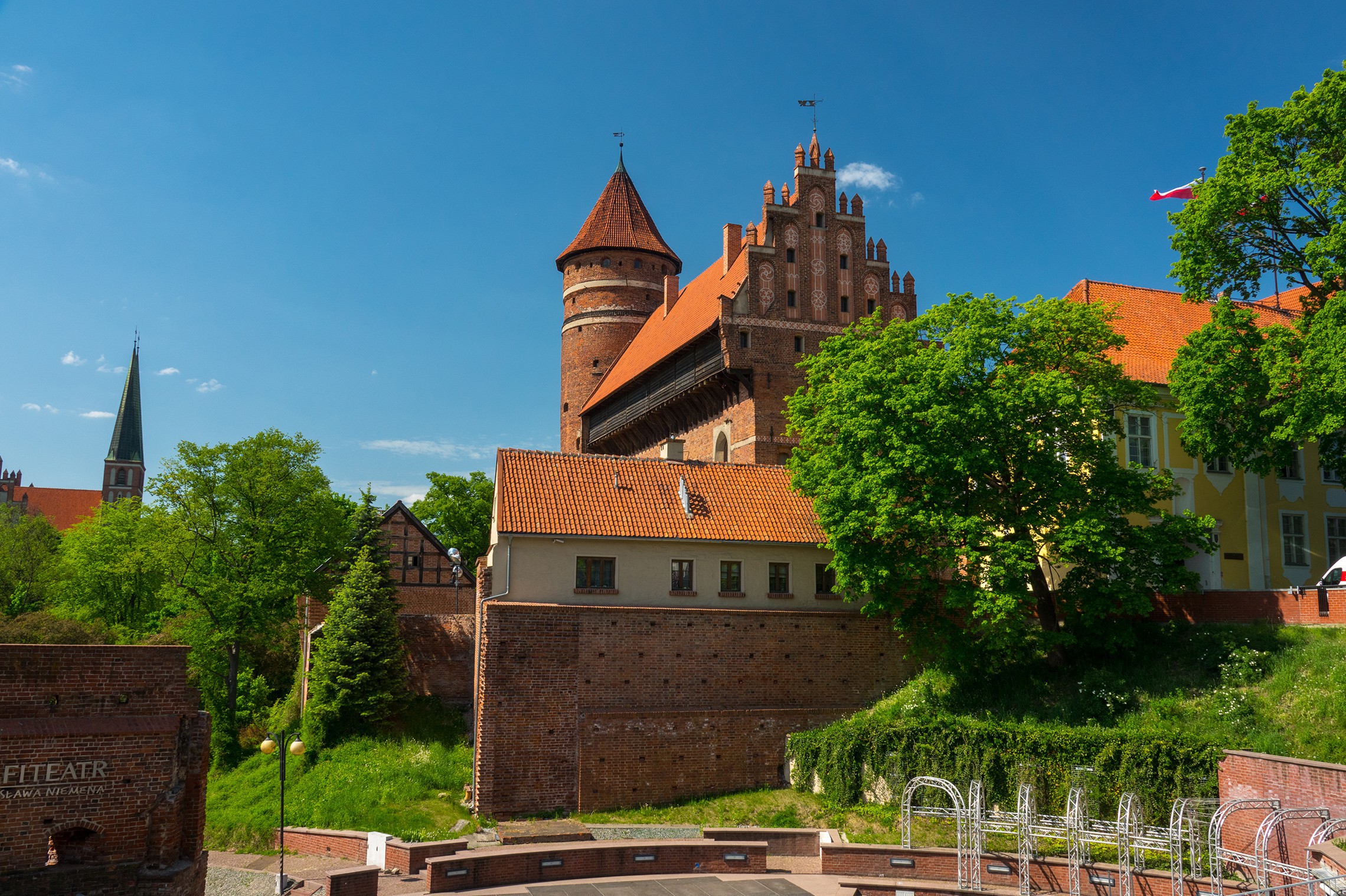
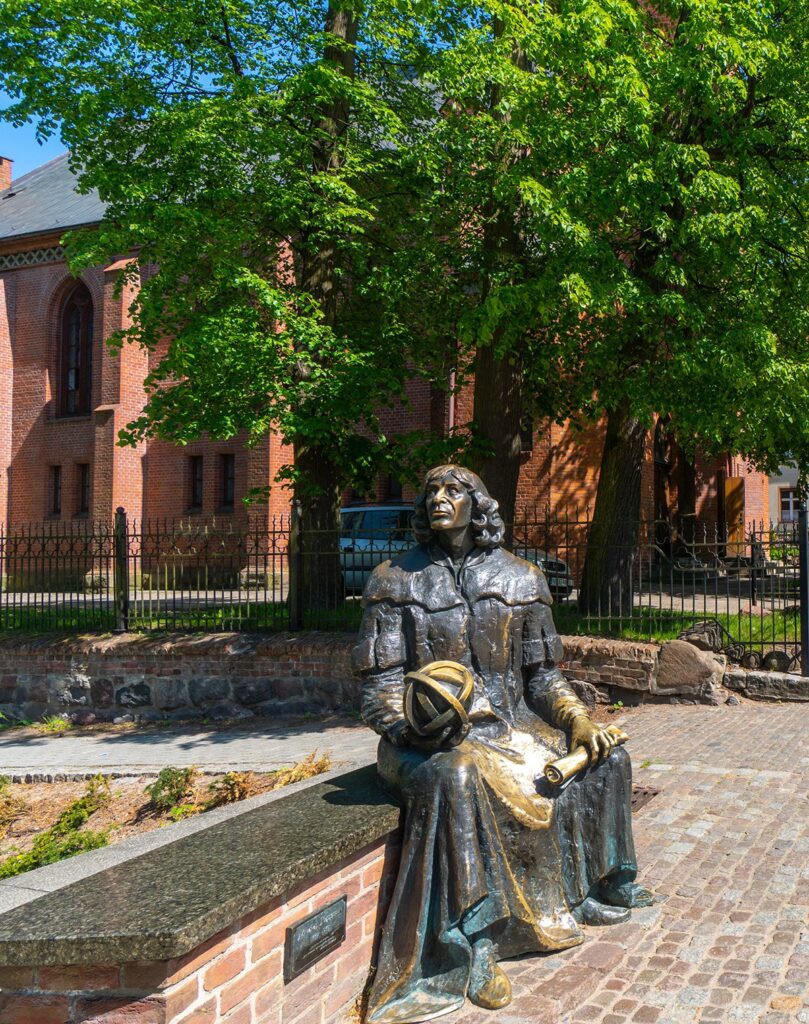
The historic heart of Olsztyn is the Gothic castle of the Warmian Chapter, where Nicolaus Copernicus lived and worked. It was within these walls that he laid the foundations of modern astronomy, using an astronomical table that is now a treasured artefact. Surrounded by the picturesque Podzamcze Park, the castle hosts numerous cultural and educational events and offers a scenic viewpoint over the city’s panorama.
Modernity and ecological awareness are clearly present in the city, with bike paths, eco-friendly buses, and modern trams making transportation both comfortable and environmentally friendly.
Complementing the tourist offer are other unique institutions and attractions, such as the Astronomical Observatory, which houses, among other treasures, fragments of lunar rock from the Apollo 11 mission, and the Centre for Technology and Regional Development “Museum of Modernity,” which highlights the city’s industrial history.
Olsztyn is a prime example of a Polish destination, perfect for history and culture enthusiasts, water sports lovers, and tourists seeking a peaceful connection with nature.