Every tourist can find something of interest in this region, which offers a variety of attractions, including stunning mountains and mountain resorts, health spas, vibrant urban centres with cultural and entertainment options, as well as industrial sites highlighted by the Industrial Monuments Route that runs throughout the area. Notably, the lead, silver, and zinc mine in Tarnowskie Góry is recognised as a UNESCO World Heritage Site. The Śląskie Voivodship, with its capital in Katowice, is rich in tourist attractions.
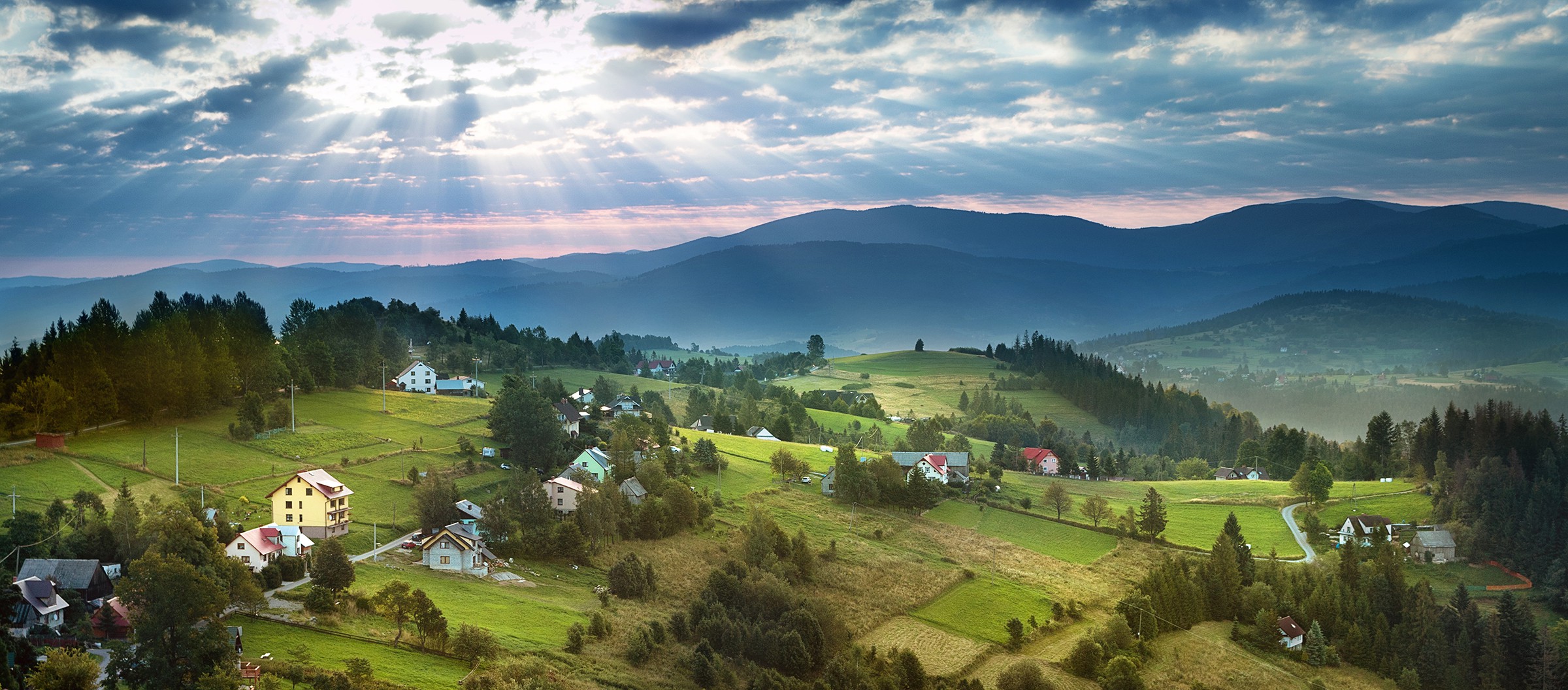
The Śląskie Voivodship is a dynamic and diverse region in southern Poland, boasting a wealth of natural, cultural, and industrial attractions that make it an excellent and universally appealing tourist destination.
The region’s attractiveness is based on its varied landscapes – from the scenic Beskids, through the vast areas of the Kraków-Częstochowa Upland, to the urban expanse of the Upper Silesian-Zagłębie Metropolis. Every visitor, regardless of their interests, will find something enjoyable here – whether they are avid mountain hikers, cyclists, skiers, or those interested in culture, history, and regional cuisine.
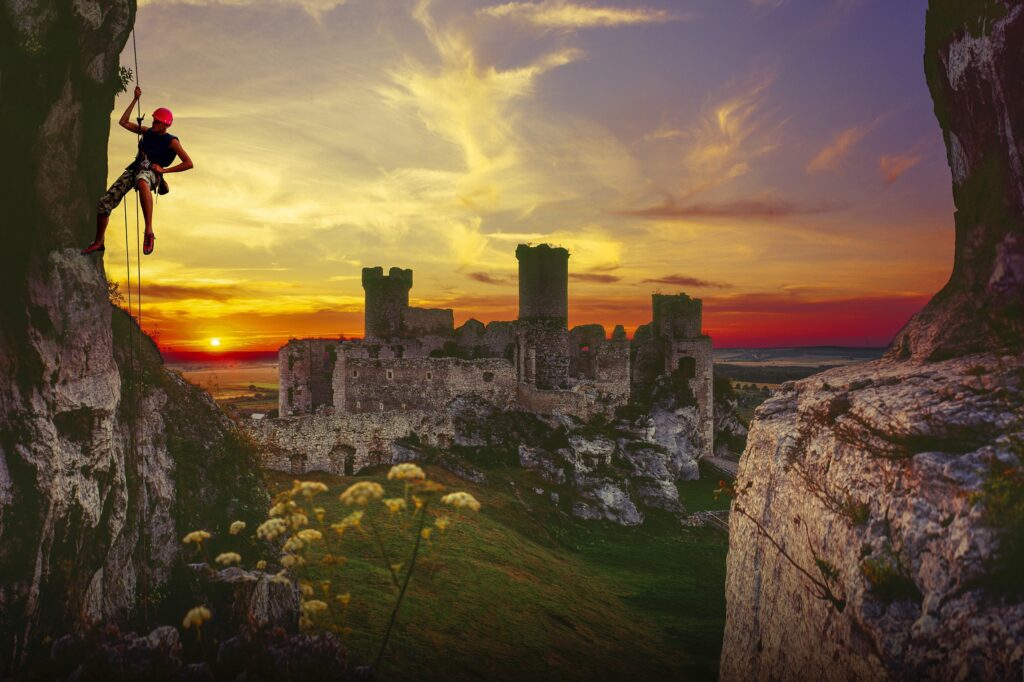
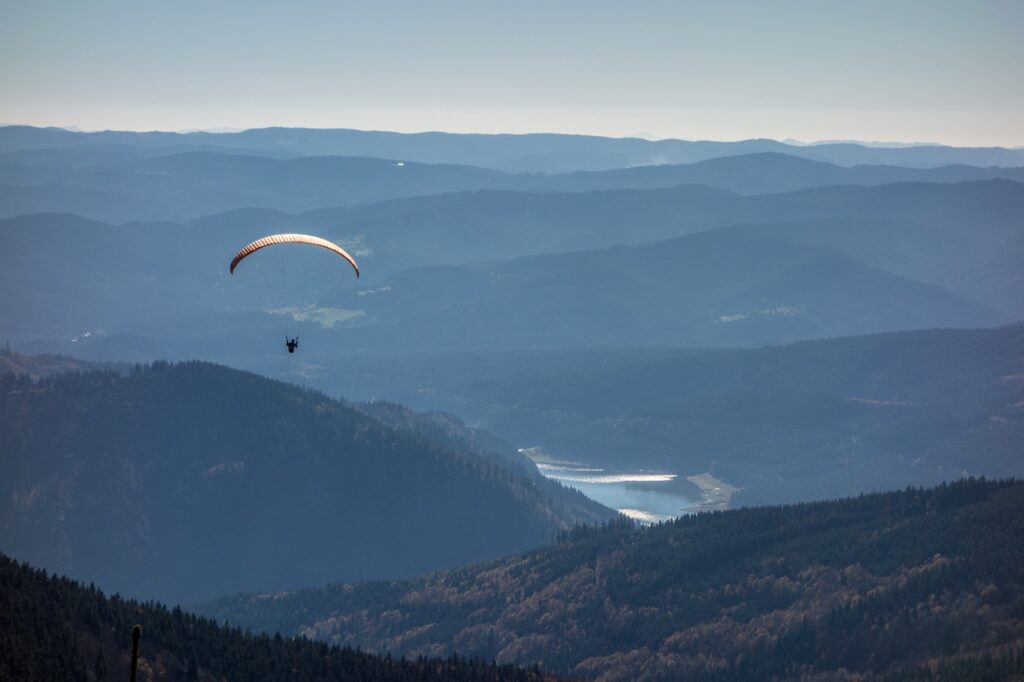
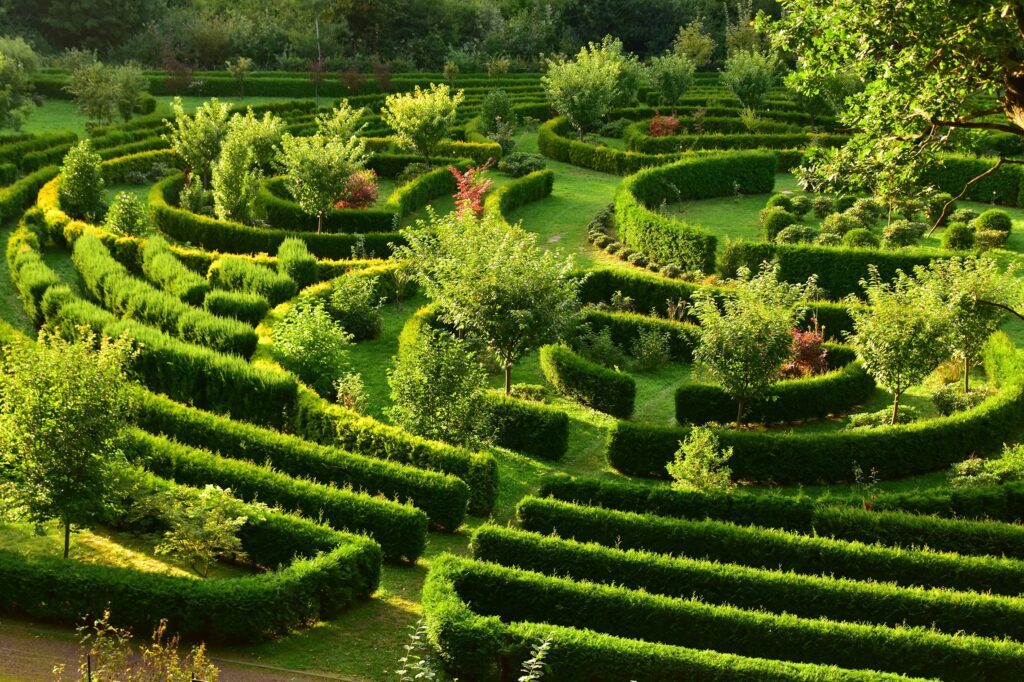

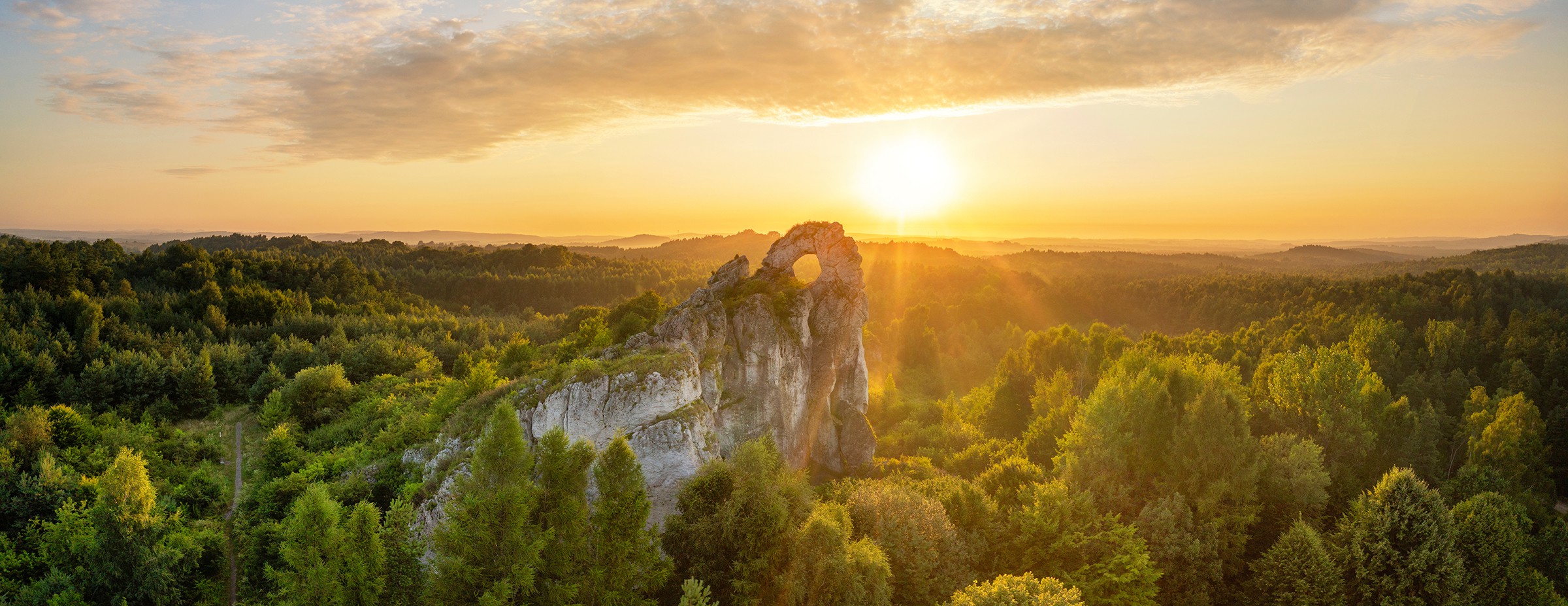
The Beskids offer a well-developed tourist infrastructure, including numerous hiking and cycling trails, as well as health resorts in Ustroń and Jaworze. In winter, modern ski resorts in Wisła and Szczyrk attract both amateur and professional winter sports enthusiasts. The Kraków-Częstochowa Upland, in turn, invites visitors to discover unique limestone rock formations, caves, and medieval castles along the Trail of the Eagles’ Nests, making it a remarkable destination for history enthusiasts and active travellers.
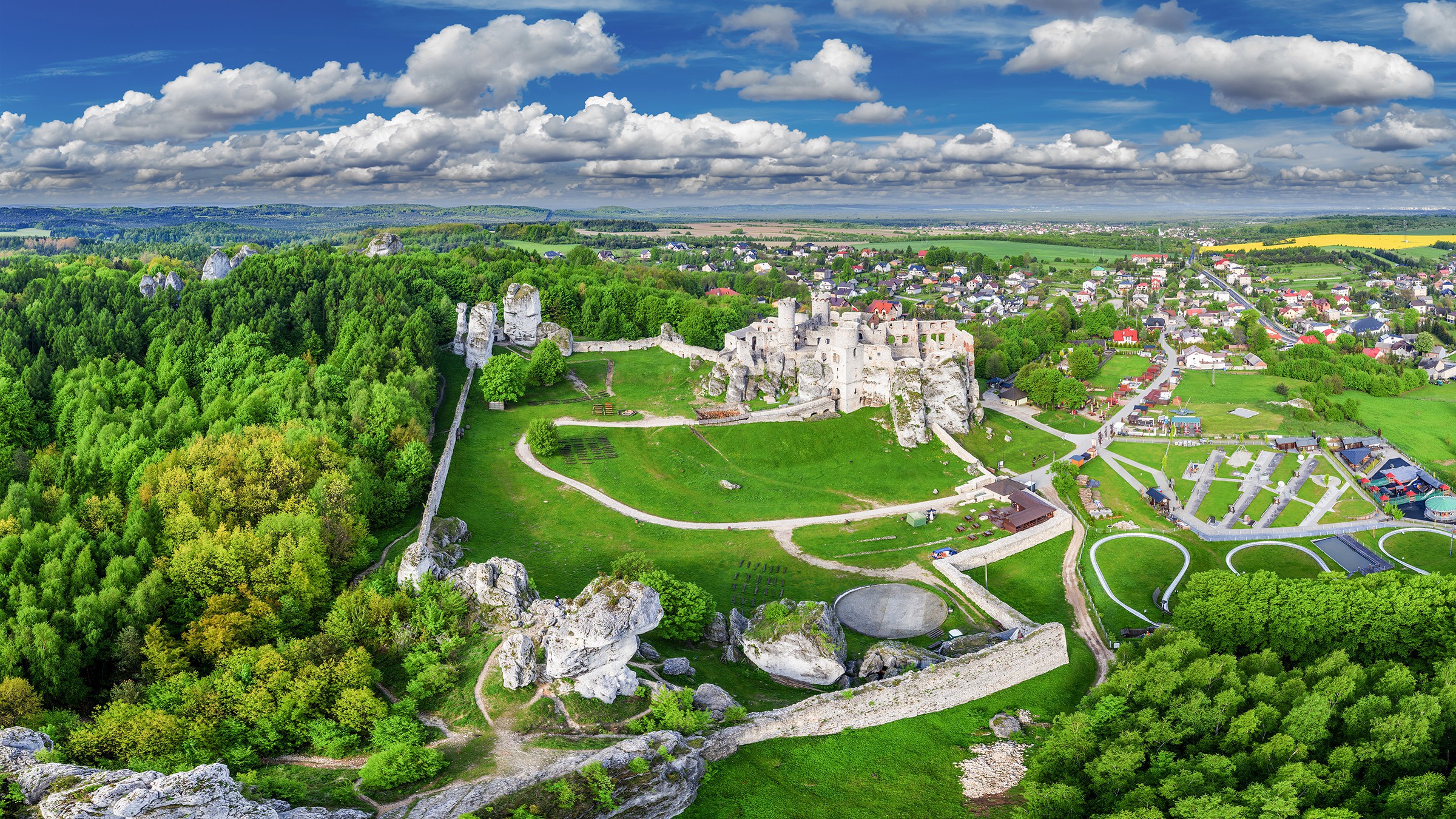
The region is also distinguished by its rich industrial heritage, highlighted by the Industrial Monuments Route – the most extensive industrial tourism route in Poland. It features sites connected to mining, metallurgy, railways, and energy, with its most treasured gem being the Lead, Silver, and Zinc Mine in Tarnowskie Góry, which is inscribed on the UNESCO World Heritage List. This route offers tourists the opportunity to learn about miners’ work, explore underground tunnels, and taste local products, creating an attractive combination of educational and recreational experiences.
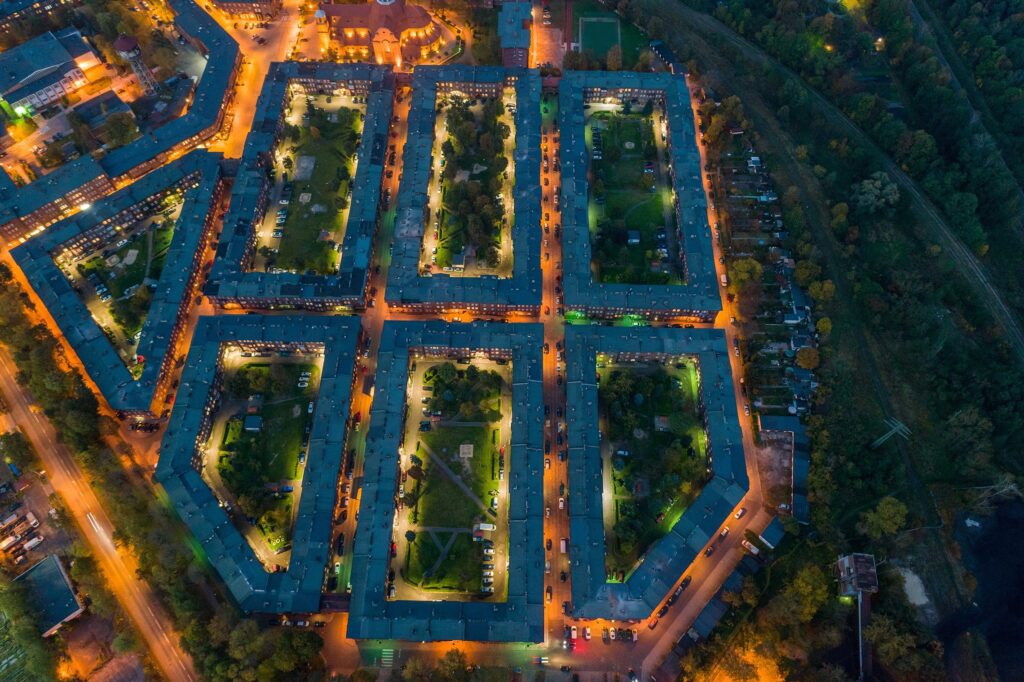
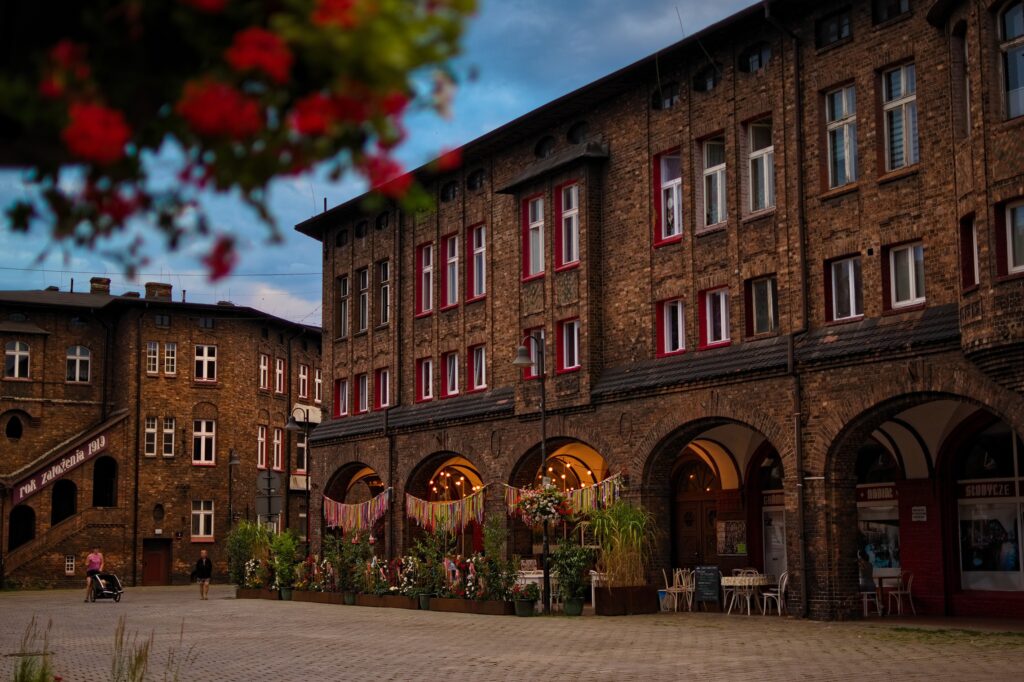
At the heart of the voivodeship is the Upper Silesian-Zagłębie Metropolis, comprising 41 municipalities and home to over 2 million residents. This region seamlessly blends industrial tradition with modernity and boasts dynamic cultural growth. Katowice, the capital of the area, is renowned for its vibrant music scene, the iconic “Spodek” Arena, and its revitalised workers’ housing estates, such as Nikiszowiec and Giszowiec. The metropolis offers a rich cultural program that features numerous museums, science centres, planetariums, and artistic events, all contributing to its reputation as an inspiring and innovative destination.
An inseparable part of the region’s promotion is its distinctive Silesian cuisine, celebrated along the “Silesian Tastes” Culinary Trail. The culinary diversity reflects the region’s rich traditions and cultural influences from Czech, German, Austrian, and Jewish heritage. Regional specialities such as beef roulade with dumplings and red cabbage, wodzionka (traditional bread and garlic soup), or trout from the Kraków-Częstochowa Upland delight food lovers. The trail brings together restaurants, inns, and agritourism farms, supporting local economic growth and promotion of authentic culinary experiences.
The Śląskie Voivodship is a modern and diverse destination that offers stunning mountain landscapes, health resorts, historic castles, vibrant urban cultural centres, and unique industrial heritage. With its varied attractions, convenient location, and well-developed infrastructure, it is a region worth visiting at any time of the year.
Regional capital
Katowice, the capital of the Śląskie Voivodship, is a dynamic and modern city at the heart of one of Poland’s largest urban agglomerations. Over the past two decades, Katowice has undergone a remarkable transformation, evolving from a typical industrial hub into a lively centre of culture, science, business, and tourism. Once a symbol of mining heritage, the city now successfully combines its industrial history with modern architecture, an extensive cultural offering, and expansive green spaces, making it an attractive tourist destination.
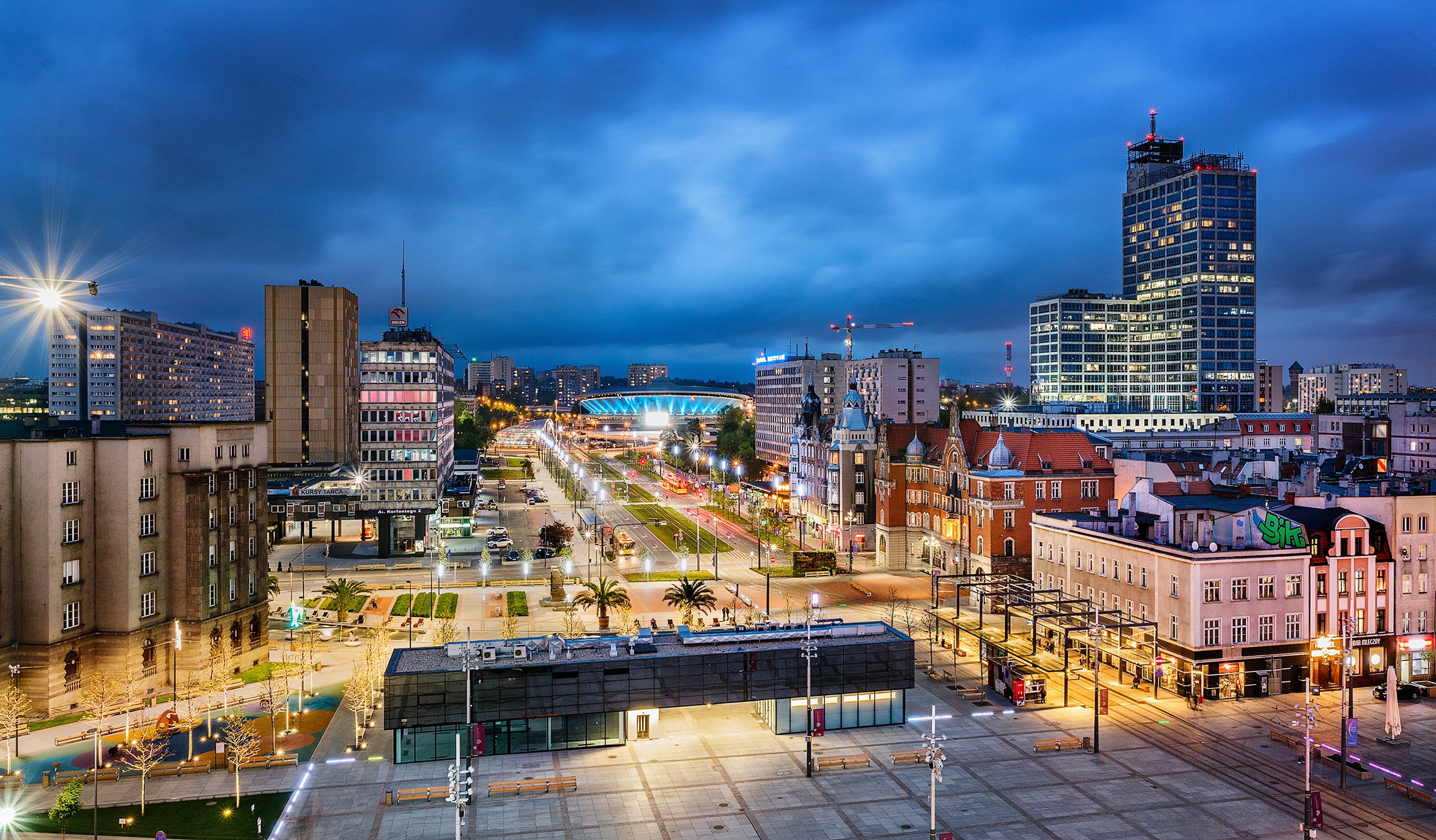
Katowice is a place where tradition and innovation meet. A particularly symbolic example of its transformation is the Culture Zone, located on the site of a former coal mine, now redeveloped into a space dedicated to culture and the arts, home to the International Congress Centre and the National Polish Radio Symphony Orchestra. It also includes the impressive Silesian Museum, which, with its original architecture and underground exhibition halls, displays the region’s diverse heritage.
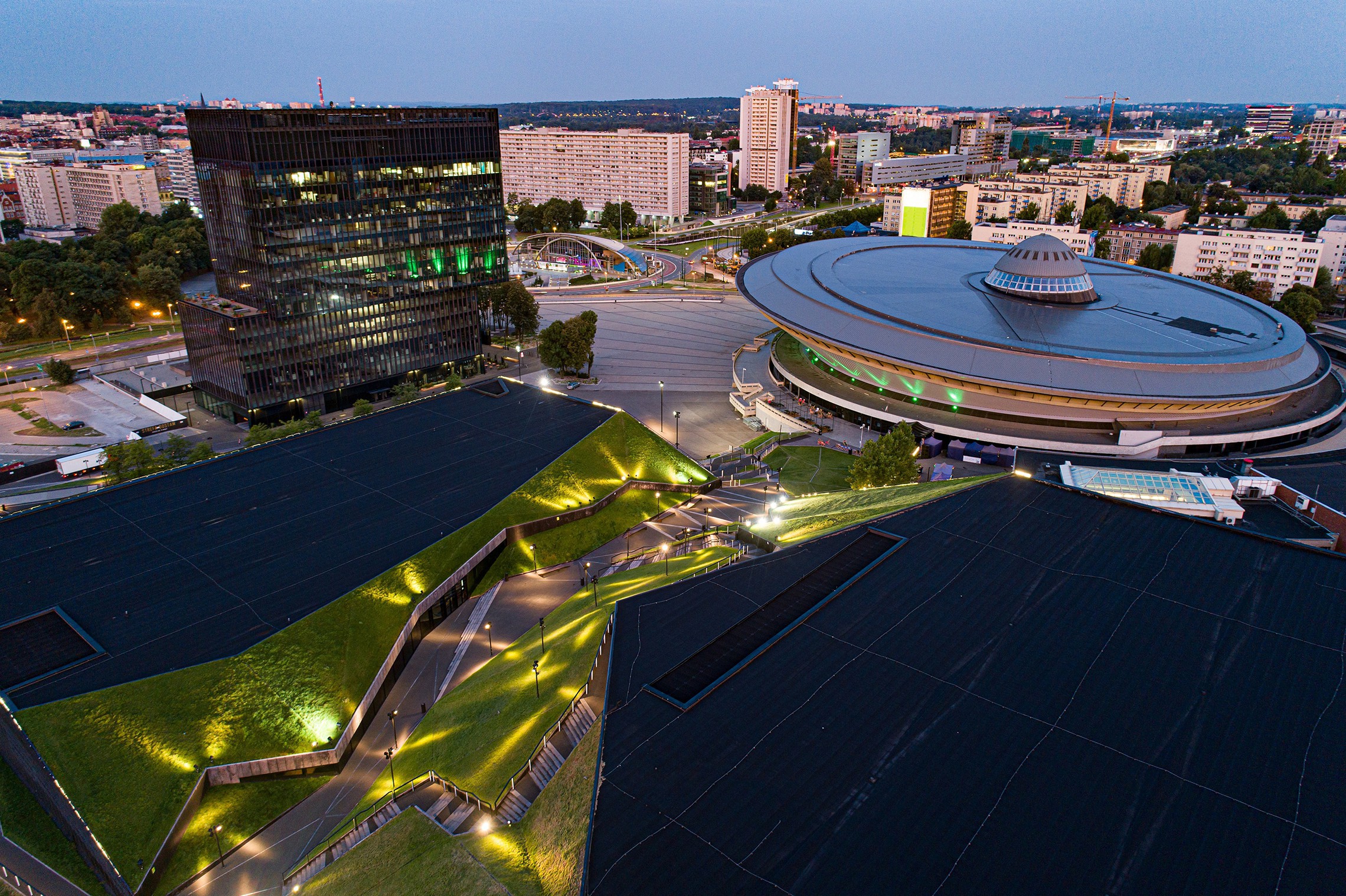
The city also hosts prestigious world-class events, such as the European Economic Congress and the international e-sports tournament Intel Extreme Masters, as well as music festivals that attract crowds of enthusiasts, thereby strengthening Katowice’s position as an important cultural and business hub.
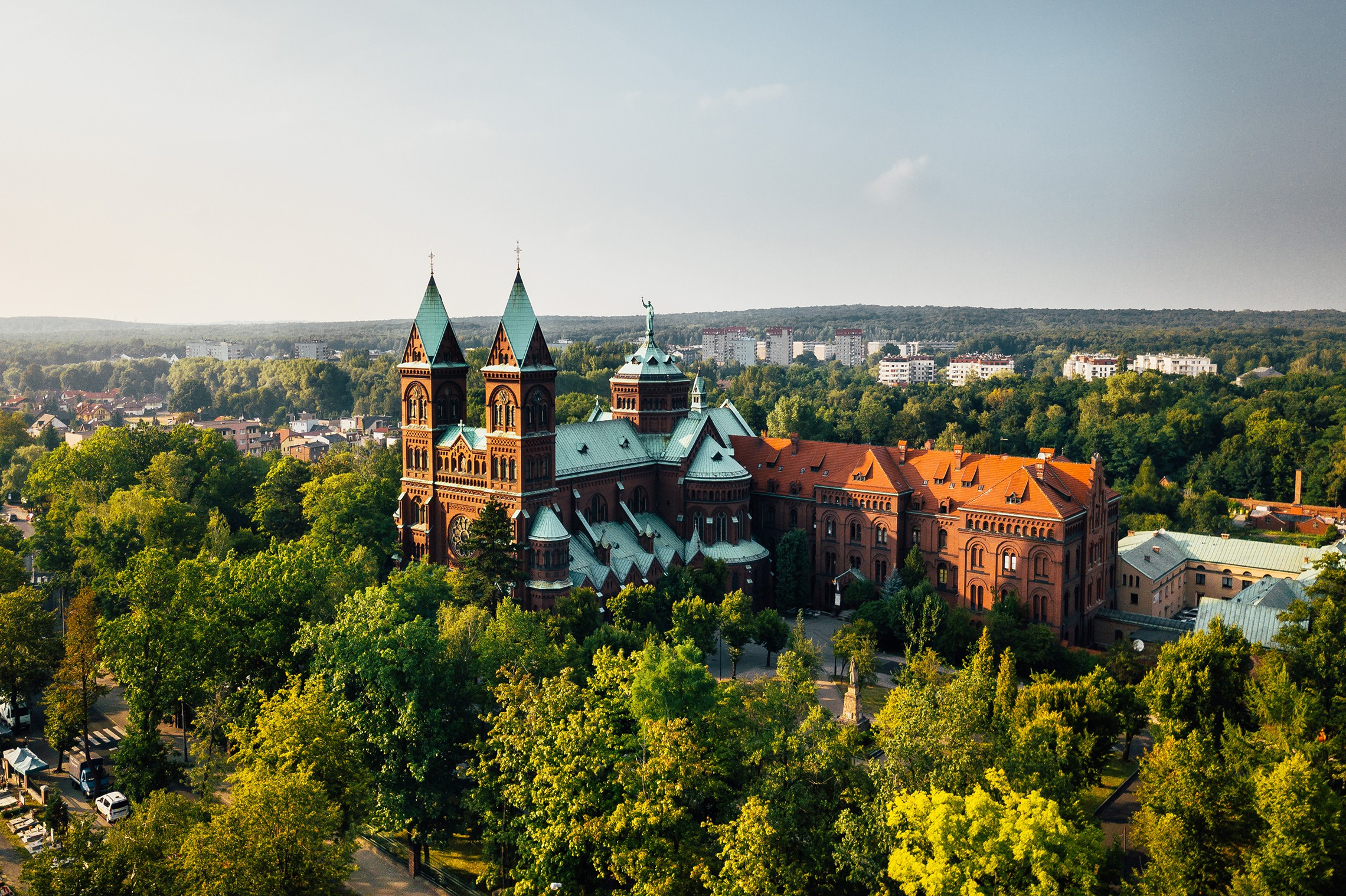
Katowice is home to the Industrial Monuments Route, featuring some of the most valuable examples of the region’s industrial heritage. Along this unique trail, visitors can explore the miners’ housing estates of Giszowiec and Nikiszowiec – exceptional examples of workers’ architecture that have preserved their distinctive character and remain a living testament to the region’s mining history, while also serving as centres of local artistic creativity and culture. Other highlights along the route include the Wilson Shaft Gallery, the vibrant Silesian Museum located on the site of a former coal mine, the revitalised Porcelain Factory, and the Zinc Rolling Mill in Szopienice. Each of these sites tells a different chapter of Silesia’s industrial story, while also illustrating how historic buildings can gain new life and meaning in the modern urban landscape.
In 2015, Katowice was awarded the title of UNESCO Creative City of Music, becoming the first UNESCO City of Music in Central and Eastern Europe. The city has also been named the European City of Science 2024 and earned the title of Polish Capital of Culture 2027, proving that industrial heritage can serve as the foundation of a modern cultural identity.
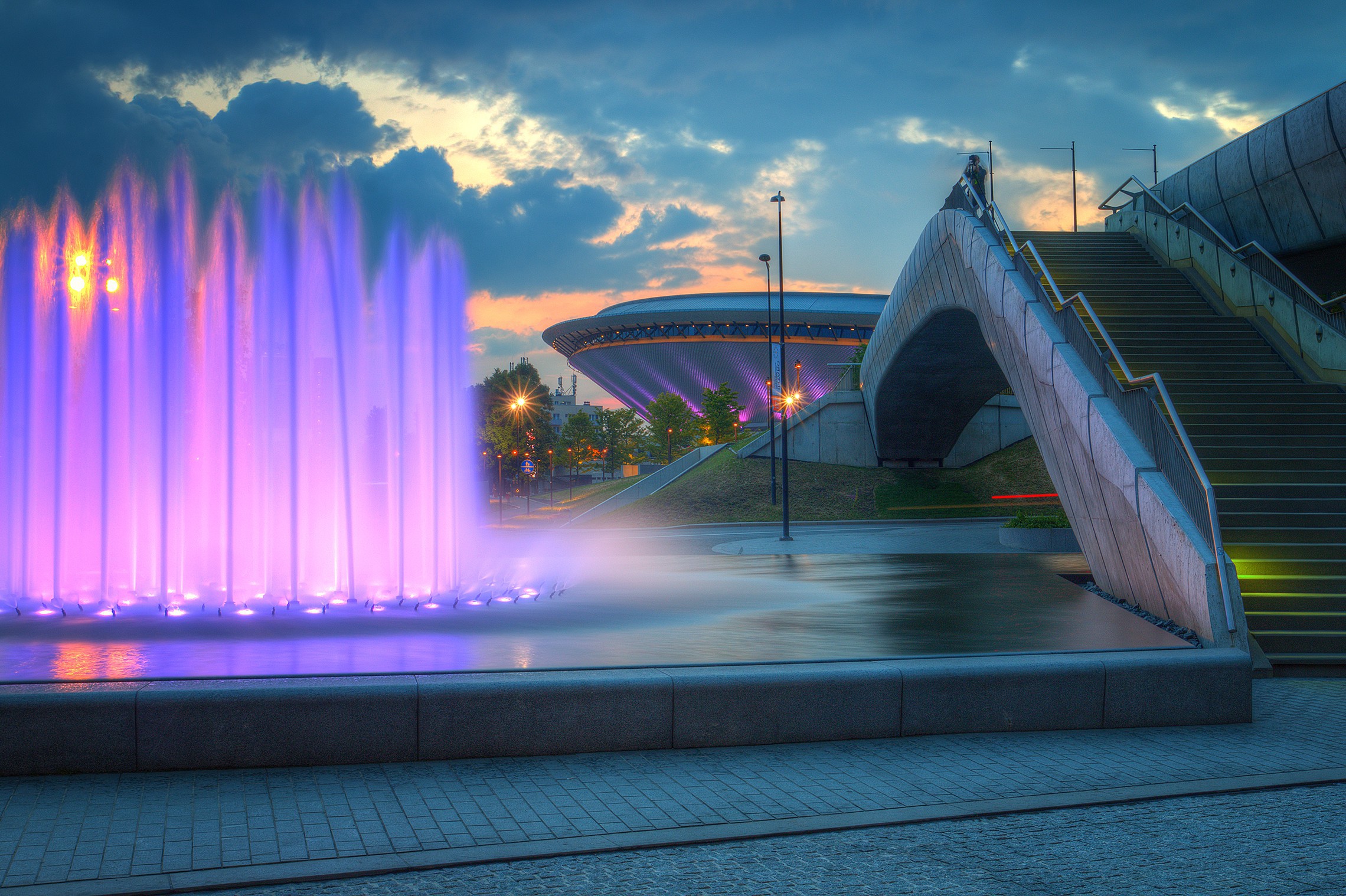
One cannot overlook Katowice’s unique architectural heritage, showcased on the Modernism Trail – a route connecting the city’s most important modernist buildings.
Katowice is also a city of greenery – nearly half of its area is covered by green spaces, parks, and forests such as the Valley of Three Ponds (Dolina Trzech Stawów) or the Murckowski Forest, offering residents and visitors places for recreation and active leisure. The Valley of Three Ponds is a popular spot for sports, kayaking, cycling, and enjoying numerous outdoor and music events, making it one of the city’s favourite recreational destinations.
In the heart of Katowice lies the renovated Market Square, where history meets modernity. It is the vibrant centre of urban life, hosting numerous cultural events, concerts, and festivals. Beautiful townhouses and historic buildings harmonise with modern dining pavilions, creating a welcoming space for gatherings and relaxation.
Katowice offers a unique blend of culture, history, modernity, and nature, making it an attractive destination for tourists looking for inspiring cultural experiences and opportunities for active recreation. The city’s successful transformation from an industrial centre to a modern metropolis exemplifies how Polish cities can adapt to the challenges of the 21st century while providing a high quality of life and abundant tourism opportunities.