It is the smallest voivodship in Poland, yet rich in culture and full of treasures for tourists. Here, everyone can find something for themselves – whether for sightseeing or relaxation: picturesque lakes and rivers, famous castles and palaces, natural sites, as well as historical and prehistoric landmarks. The capital of the region is Opole.
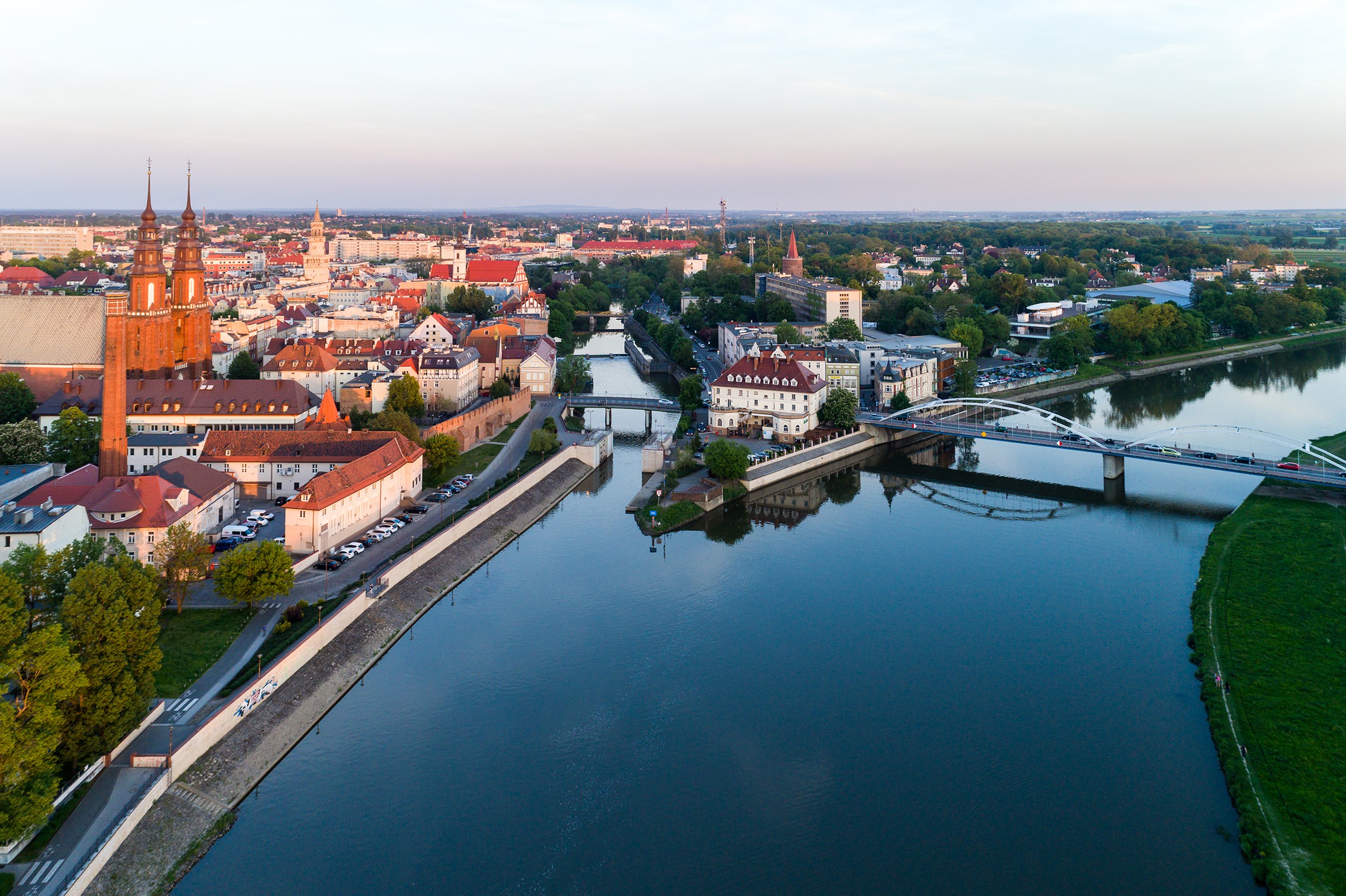
The Opolskie Voivodship, although the smallest in Poland in terms of area, is extremely rich in cultural and natural assets, making it a unique tourist destination. Located in southwestern Poland, it borders the Czech Republic as well as the Dolnośląskie, Wielkopolskie, Łódzkie, and Śląskie voivodships. Its capital, Opole, is a city with a rich history and a unique atmosphere, known for the National Centre for Polish Song and the annual Polish Song Festival. Opole offers tourists a diverse range of attractions that appeal to history enthusiasts, culture lovers, nature enthusiasts, and those seeking active recreation.
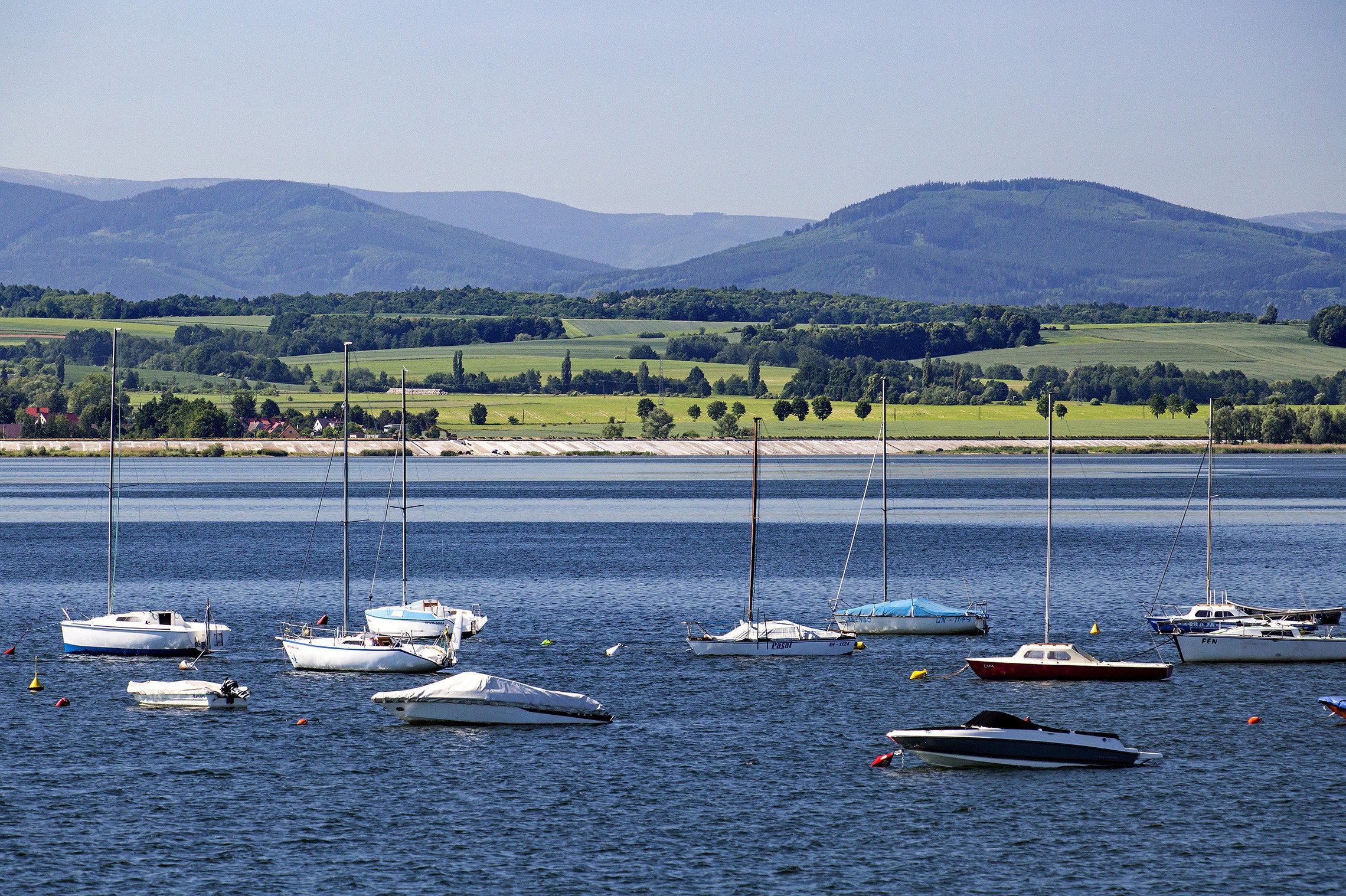
The region is renowned for its picturesque lakes and rivers, which are ideal for water recreation and relaxation. The Turawskie Lakes and the Nysa reservoir are excellent destinations for sailors, anglers, kitesurfing enthusiasts, and sunbathers, while also offering opportunities for cycling and hiking. It is worth noting that the area around Opole is also a paradise for birdwatchers, who can admire the richness of the local fauna. These natural assets are complemented by numerous landscape parks, including the Saint Anne’s Mountain Landscape Park – a site of particular cultural and religious significance, home to a sanctuary with the unique statue of Saint Anne Samotrzecia. This historic and spiritual space, designated as a Historical Monument, is a significant pilgrimage site and a popular attraction for tourists interested in sacred heritage.
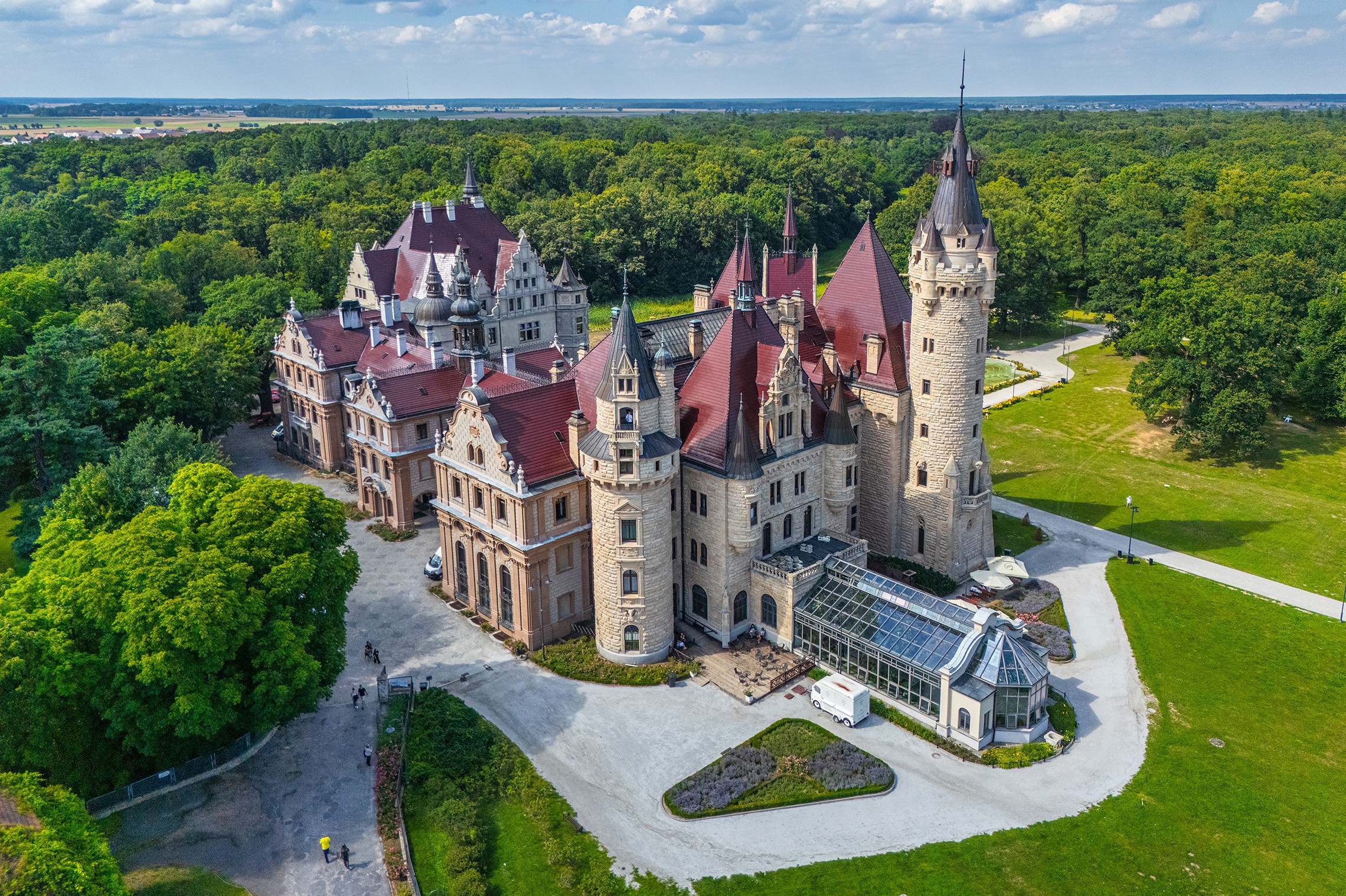
The Opolskie Voivodship is also a region full of castles, palaces, and other architectural monuments that reflect the turbulent history of Opole Silesia. Moszna Castle, with its impressive 99 towers and 365 rooms, is one of the region’s icons, offering not only sightseeing but also unique experiences such as stays at the castle’s spa and participation in cultural events. The Opole Castles and Palaces Trail connects several historic sites, including the Piast Castle in Brzeg – known as the Silesian Wawel – which attracts history and art enthusiasts.
An equally important element in promoting the region is its culinary heritage, closely tied to Silesian, Czech, and Borderlands traditions. The “Opolski Bifyj” culinary trail offers a unique experience for food lovers looking to savour authentic dishes, such as Śląskie Niebo – a dish of smoked meat in plum sauce served with traditional dumplings. Restaurants along the trail, from family-run establishments with multi-generational traditions to modern venues, promote local products and cuisine influenced by a rich cultural heritage. The flavours of Opole provide an excellent way to experience the region through the lens of its history and multicultural character.

The Opole Voivodship is also a place of significant educational and scientific importance. JuraPark Krasiejów, with its unique models of prehistoric animals and a paleontological museum, attracts families and science enthusiasts from across Poland and abroad. It offers interactive learning experiences about the Earth’s history and evolution, distinguishing the region from other tourist destinations in Poland. Another notable site is the Central Museum of Prisoners-of-War in Łambinowice-Opole, which documents the dramatic fates of prisoners and serves as an important memorial site, attracting visitors interested in 20th-century history.
Overall, the Opolskie Voivodship is not only an attractive and culturally rich part of Poland but also a destination that offers a wide range of tourism experiences – from relaxing by lakes and exploring historic sites to participating in cultural events and enjoying culinary and educational opportunities.
Regional capital
Opole, the capital of the Opolskie Voivodship, is a city of unique character that combines a rich history with modernity and serves as one of the key cultural and tourist centres in southwestern Poland. As one of the oldest cities in the country, Opole boasts a unique historical and architectural heritage which, combined with a wide range of cultural and recreational offerings, makes it an attractive destination for both domestic and international tourists. Covering an area of 149 km² and home to over 126,000 residents, the city is intimate yet vibrant, full of life and dynamic development.
Opole is best known as the capital of Polish song, hosting the annual National Festival of Polish Song since 1963 – an event of great significance for national culture and the promotion of the Polish music scene. The festival’s central venue is the Millennium Amphitheatre, which, together with the modern Museum of Polish Song and the National Centre for Polish Song, creates a unique cultural space.
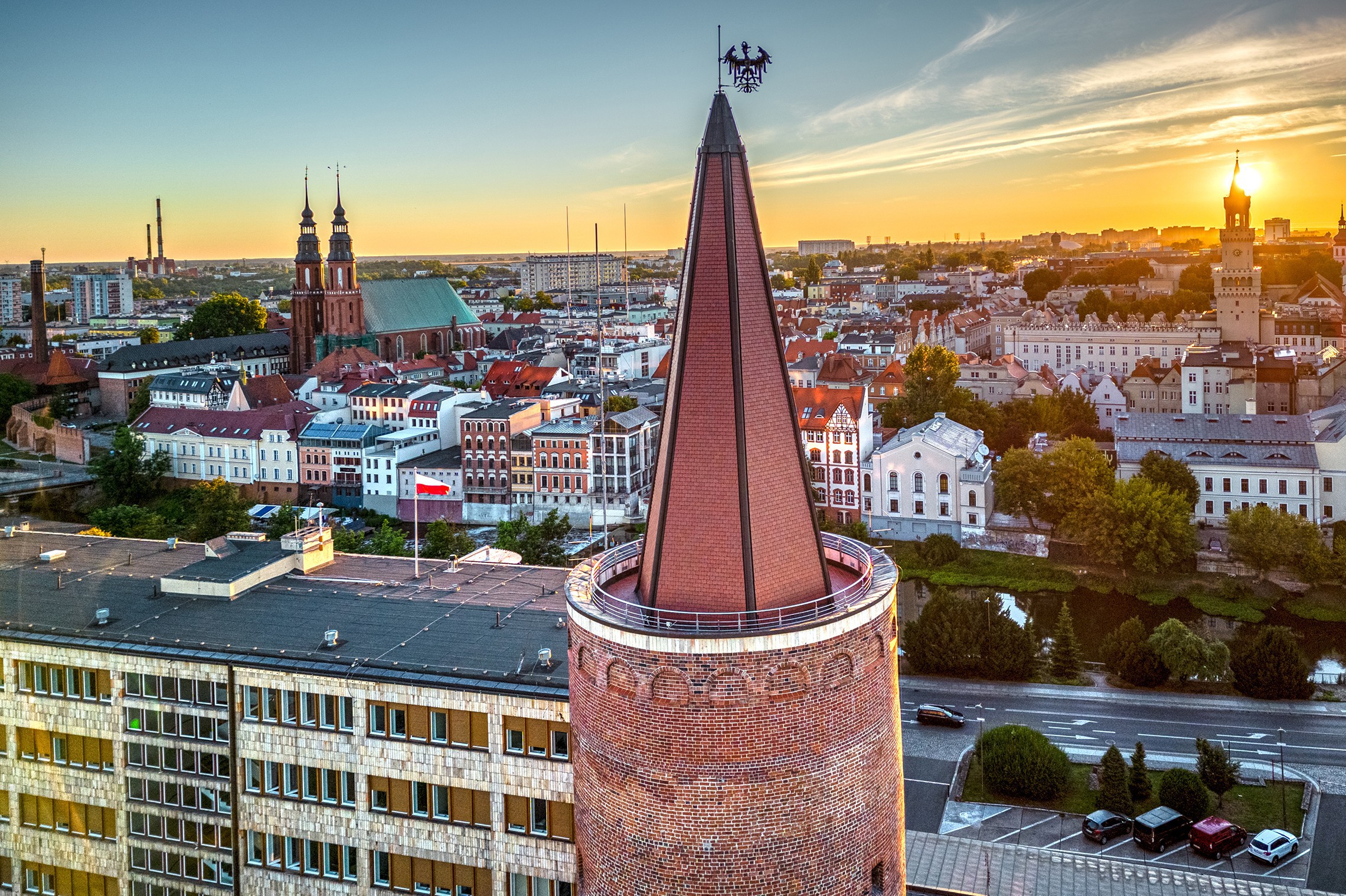
One of Opole’s most iconic symbols is the Piast Tower on Pasieka Island – the only remaining part of the ducal castle, reminding visitors of the city’s over 800-year history and its Piast heritage. Pasieka Island and the neighbouring Bolko Island are true tourist gems, featuring the scenic Nadodrzański Park and picturesque cycling routes. It is also worth mentioning the Dama Pasieczna monument, commemorating the 1997 flood – one of the greatest challenges in the city’s history.
Despite the destruction it faced during wartime, Opole’s Old Town has retained its unique atmosphere and many monuments of historical and artistic significance. The Neo-Renaissance town hall, inspired by Florence’s Palazzo Vecchio, along with the 17th- and 18th-century townhouses, creates a charming market square that serves as the heart of city life. Modern solutions, such as the “Discover History” app, bring the city’s monuments and landmarks to life, offering tourists an interactive way to explore local history. Along the Oder River lies the charming Opole Venice – a section of the old riverbed that is beautifully illuminated in the evenings, creating unforgettable visual experiences.
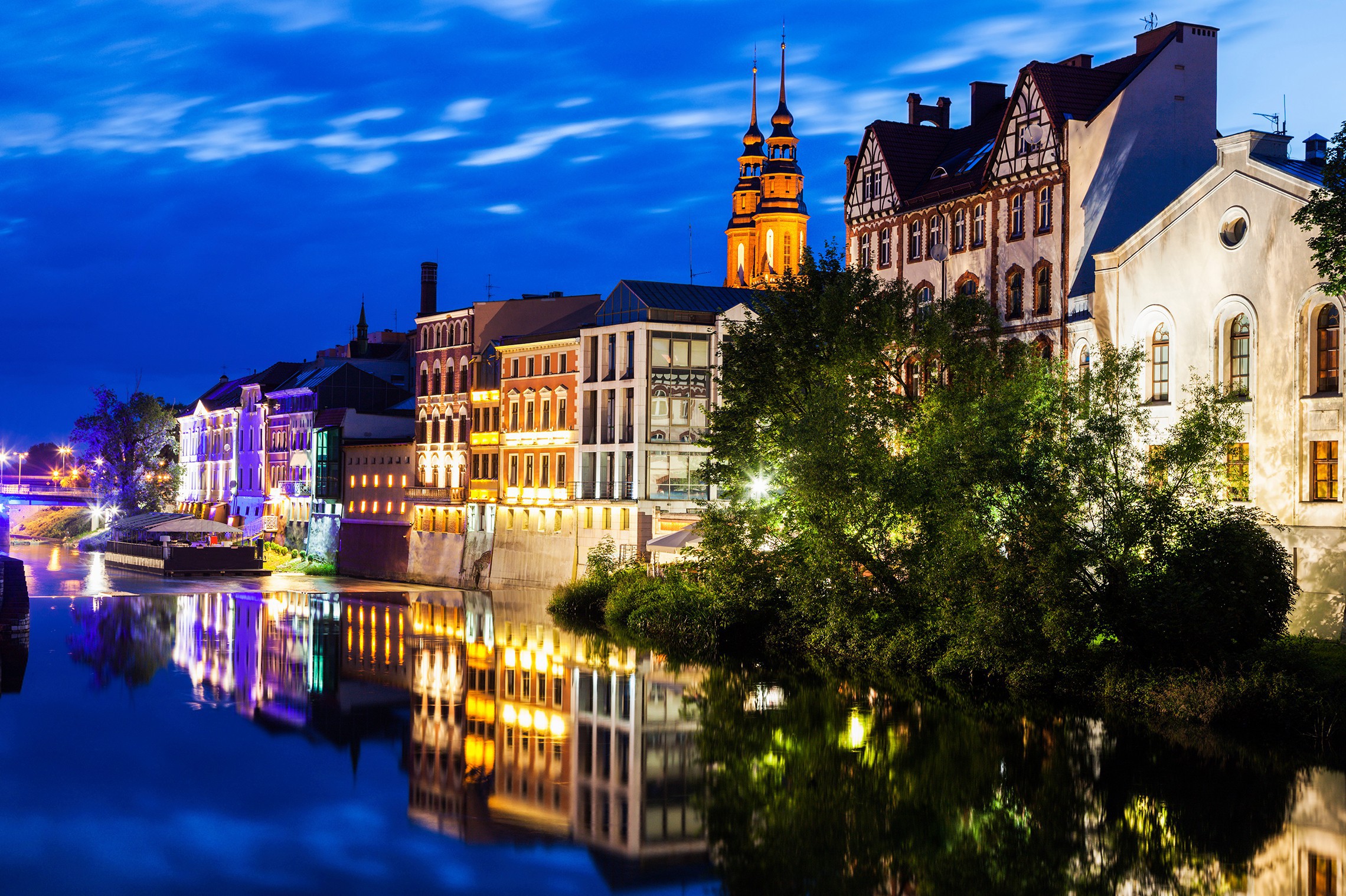
Another important cultural site in Opole is the University Hill, along with the Artists’ Square. This area is adorned with sculptures that commemorate notable figures associated with the city, including Agnieszka Osiecka, Czesław Niemen, and Jerzy Grotowski. Opole is also an academic and cultural centre, hosting annual theatre and art festivals that enrich its cultural event offerings.
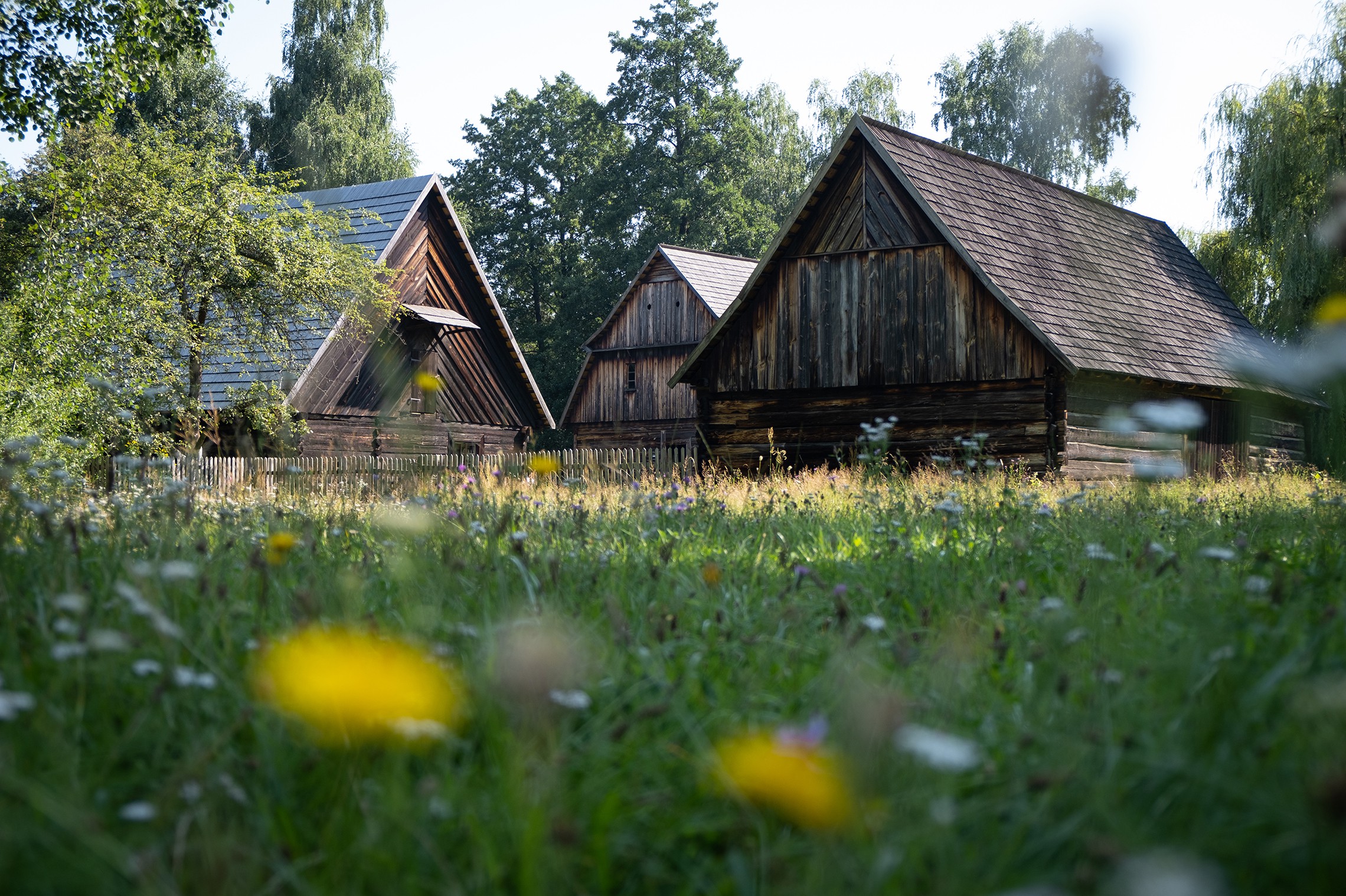
Two museums are also worth noting: the Regional Museum of Opole Silesia, with its rich collections of regional art and history, and the Opole Open-Air Museum, a unique outdoor ethnographic park showcasing traditional rural life in Upper Silesia.
Opole is a prominent destination on Poland’s tourist map, thanks to its unique historical heritage, rich cultural offerings, and natural assets. The city promotes Polish culture and history while remaining welcoming to visitors, providing comfort and a diverse range of experiences. Opole’s potential makes it not only a travel destination but also an ambassador for regional identity.