A region brimming with attractions for active travellers and enthusiasts of historic landmarks, enriched by traces of Chopin’s life and work. The largest voivodship, with its capital in Warsaw, whose Old Town is inscribed on the UNESCO World Heritage List. The winding roads of Mazovia lead us to towns, each with its own story to tell.
The Mazowieckie Voivodship – the largest region in the country in terms of both area and population, with its heart beating in Warsaw, a dynamic capital of global importance. It is a place that harmoniously combines tradition and modernity, nature and culture, history and the present, creating a unique mosaic of attractions that draw both domestic and international visitors.
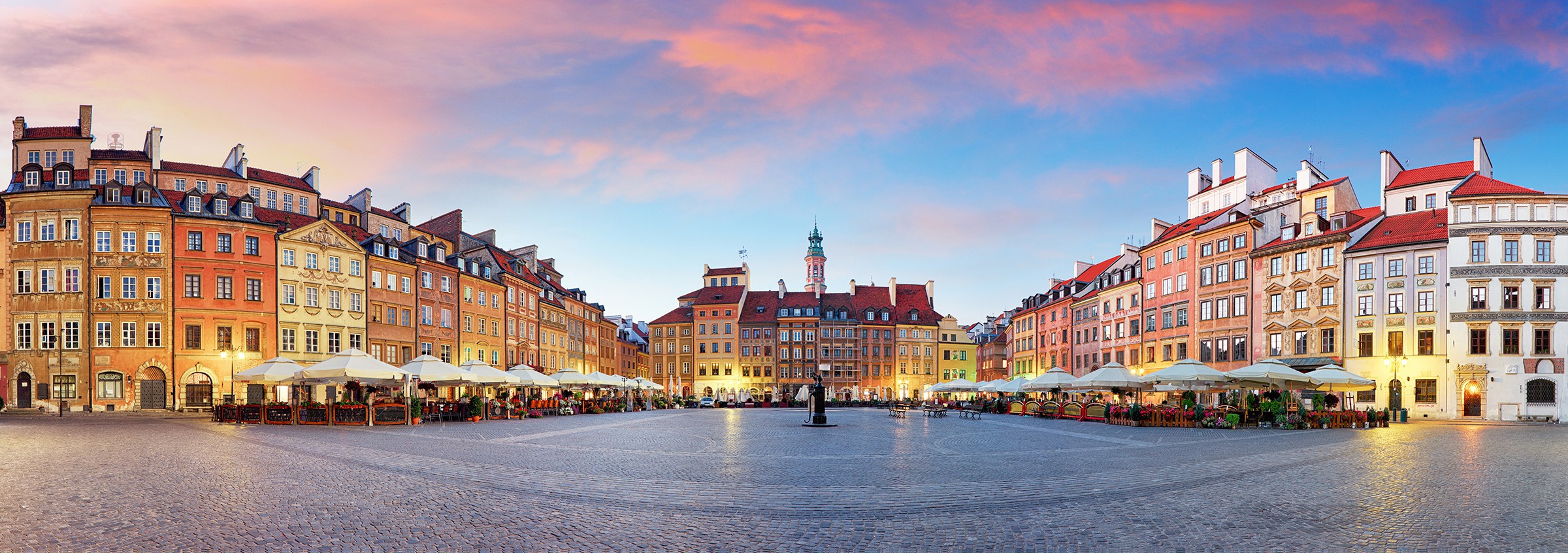
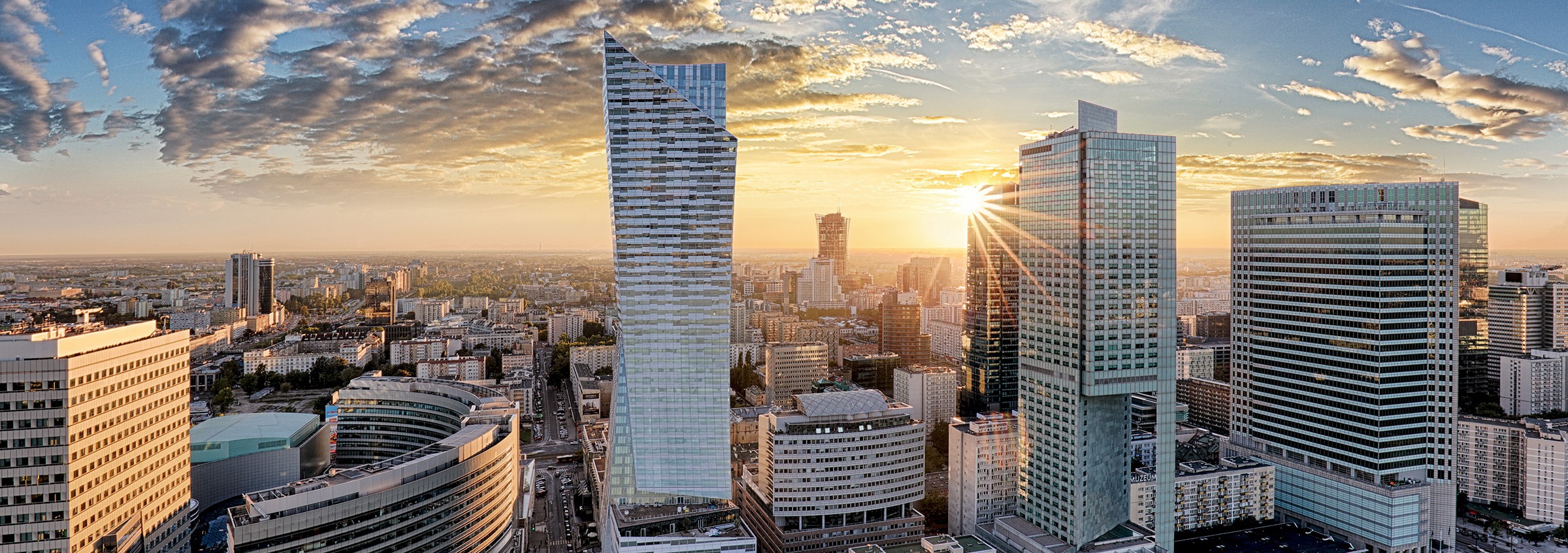
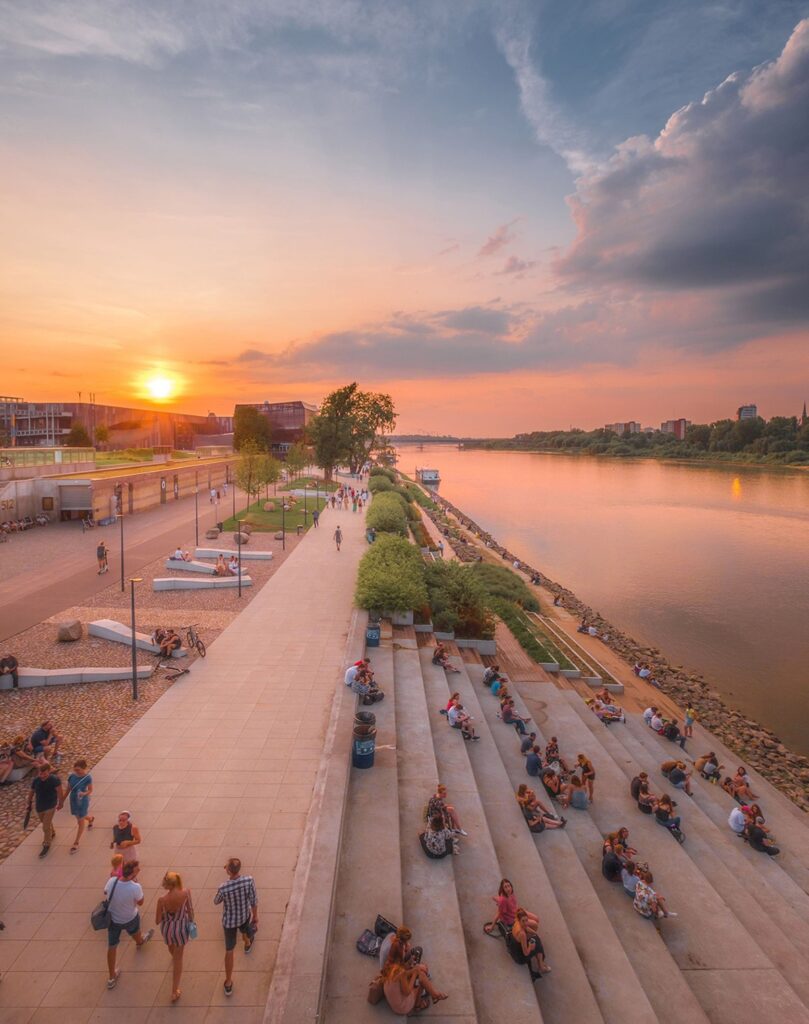
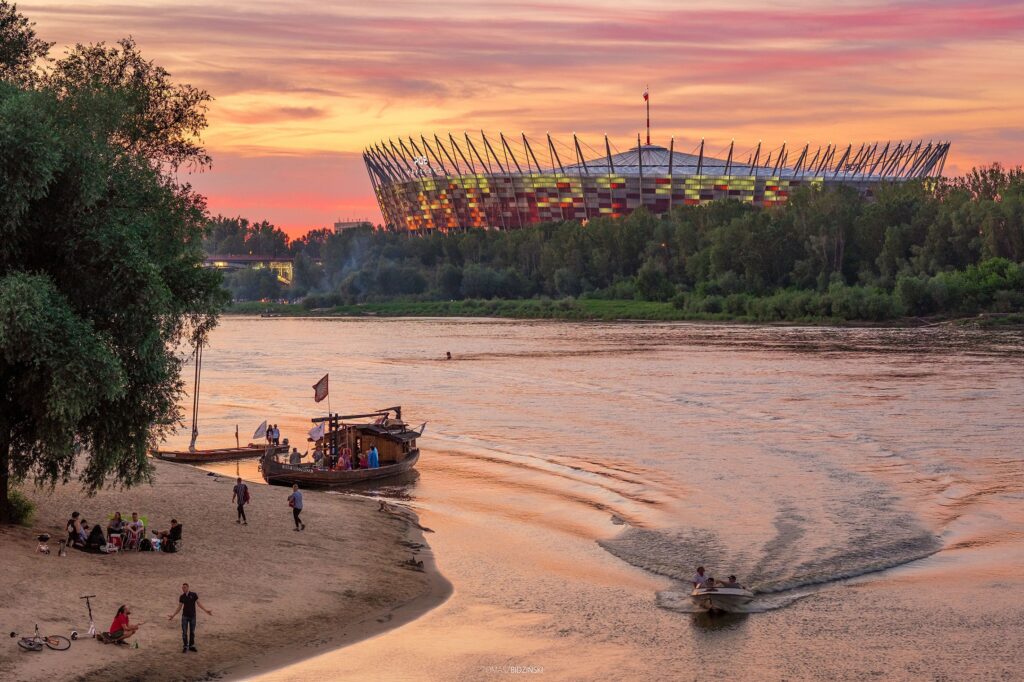
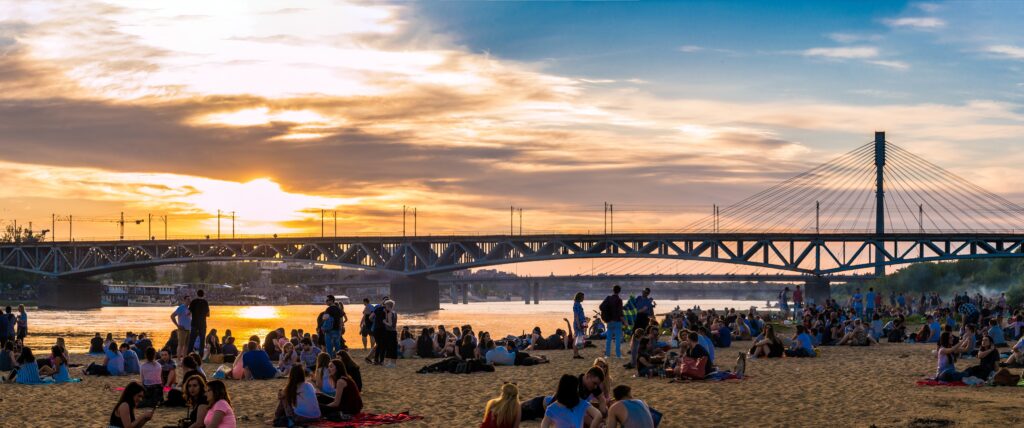
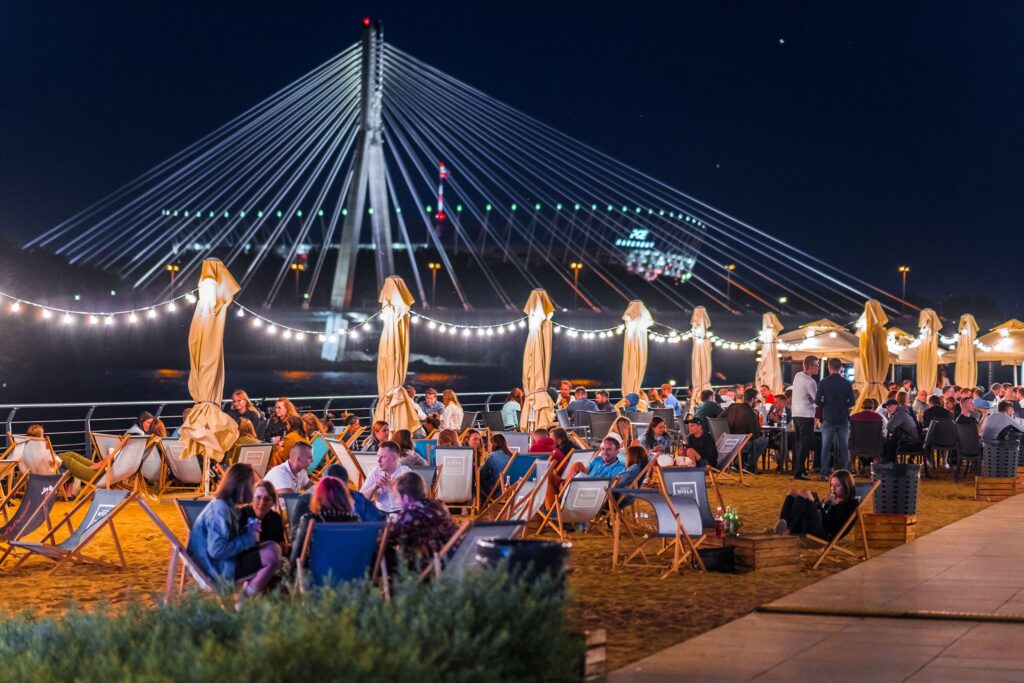
Warsaw, with its UNESCO-listed Old Town – meticulously rebuilt from wartime ruins with extraordinary precision – is the perfect starting point for discovering the treasures of the entire region. Nestled in the heart of Mazovia, the capital is a true gateway to a land of contrasts: on one side lies the elegant spa town of Konstancin-Jeziorna, and on the other, Kampinos National Park – the green lungs of the metropolis and one of the few national parks set right beside a major city. It is a destination where urban explorers, outdoor enthusiasts, and nature lovers alike will feel at home. The Vistula River cuts gracefully through Warsaw: its left bank is lively and modern, lined with cafés on sunny boulevards and floating bars, while the right bank has preserved its unique, untouched charm.
Beyond the city, Mazovia invites you to follow themed trails that weave through centuries of history and stories carved into the walls of old towns and castles. Among them, the Mazovian Dukes’ Trail takes you on a journey through over a hundred municipalities where the medieval Piast dynasty built its proud, independent duchy. From Zakroczym and Czerwińsk, through Serock, Ciechanów, and Czersk, all the way to Sieciechów – each stop offers brick-built castles, Gothic churches, and tales of legendary heroes and mythical creatures.
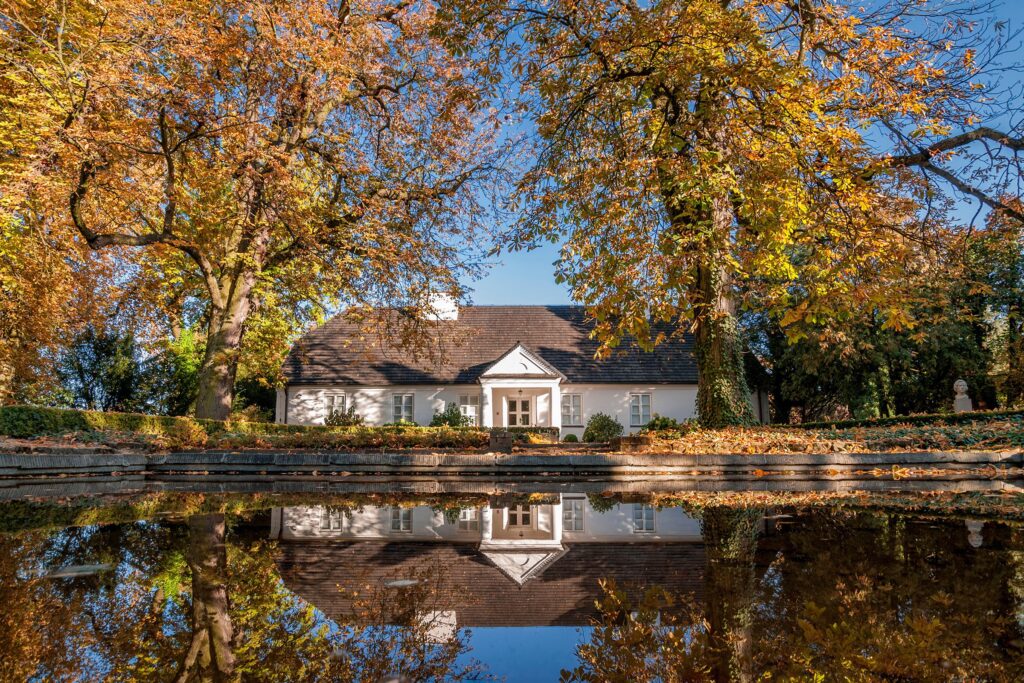
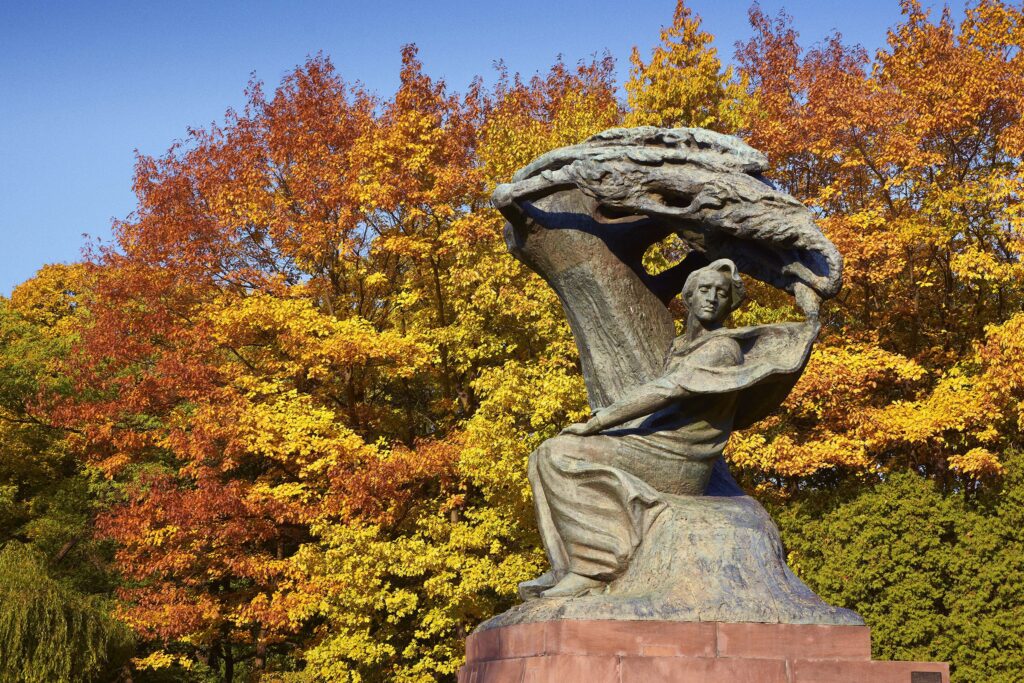
Equally remarkable is the Chopin Trail, which leads through Żelazowa Wola – the composer’s birthplace – as well as Sanniki, Brochów, and Warsaw, the cities of his childhood and youth. It was in these places that Fryderyk Chopin absorbed the spirit of Mazovian folklore, which he later transformed into the brilliance of his preludes and mazurkas. His music, deeply rooted in the region’s cultural landscape, continues to resonate worldwide, filling concert halls and inspiring numerous festivals dedicated to his work.
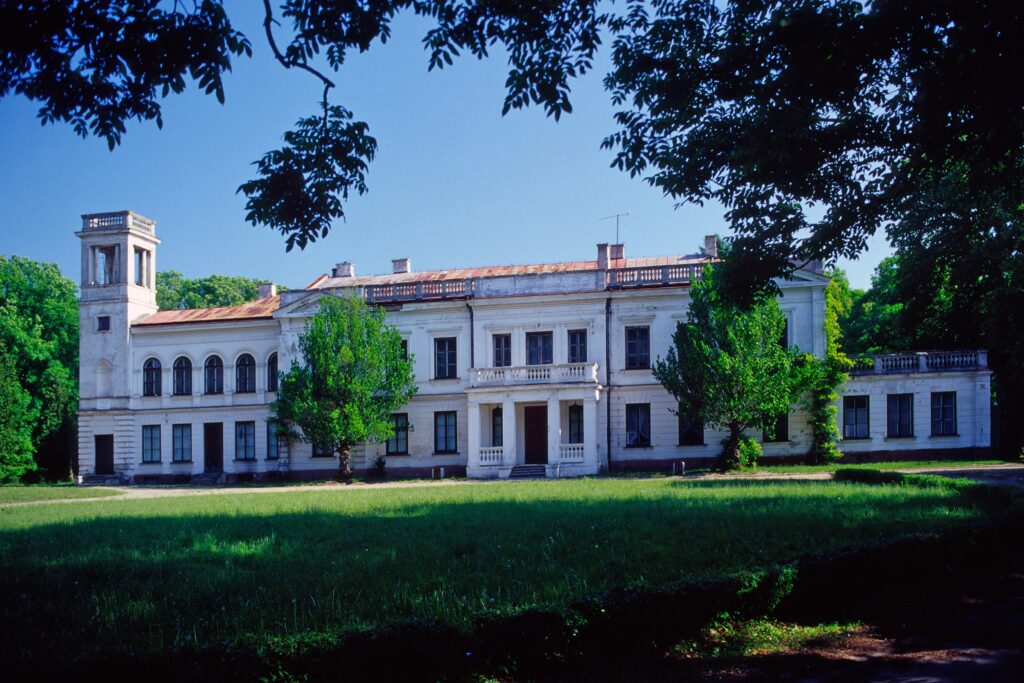
For those wishing to gain a deeper understanding of the daily life of Mazovians in the past, the open-air museums in Sierpc and Radom offer an extraordinary historical lesson. Authentic buildings, period furnishings, traditional craft workshops, and even the opportunity to spend the night in rural cottages or manor houses allow visitors to immerse themselves in a world that has passed – but has not been forgotten.
In the north of the voivodship lies Kurpie – a land rich in folk traditions, famous for its impressive Easter palms, intricate embroidery, woodcarving, and music. Cycling through Kurpie villages such as Łyse or Duglasy, visitors can admire wooden cottages adorned with lace-like ornaments and meet local folk artists who proudly preserve the customs of their ancestors.
In southern Mazovia, you will discover the vibrant microregion of Urzecze, which stretches along both banks of the Vistula River, between the former mouths of the Pilica and Wilga rivers. This fascinating area is steeped in old rafting traditions and marked by a distinctive landscape of embankments, windmills, and wicker fences. Each year, the Flis Festival takes place in Czernidła and Gassy, offering a colourful celebration of Urzecze culture that blends education, entertainment, and the flavours of local cuisine.
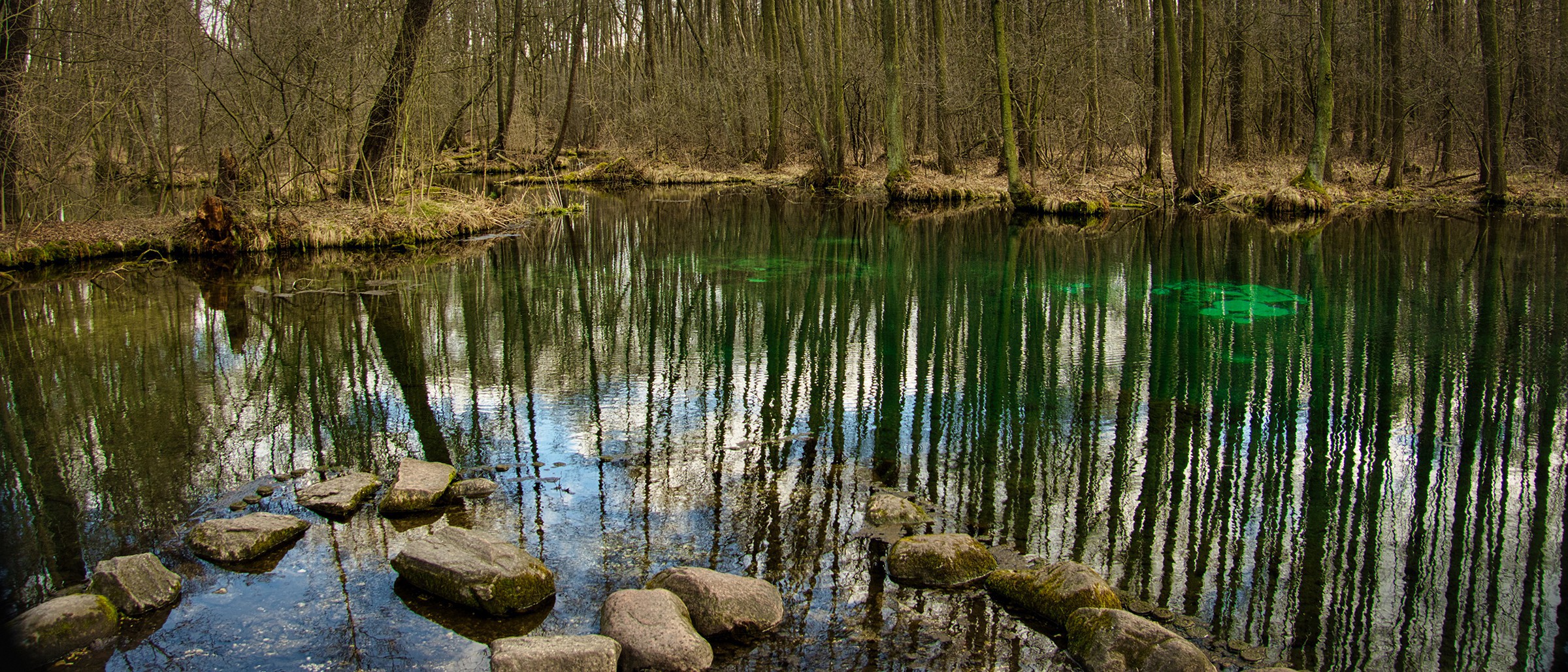
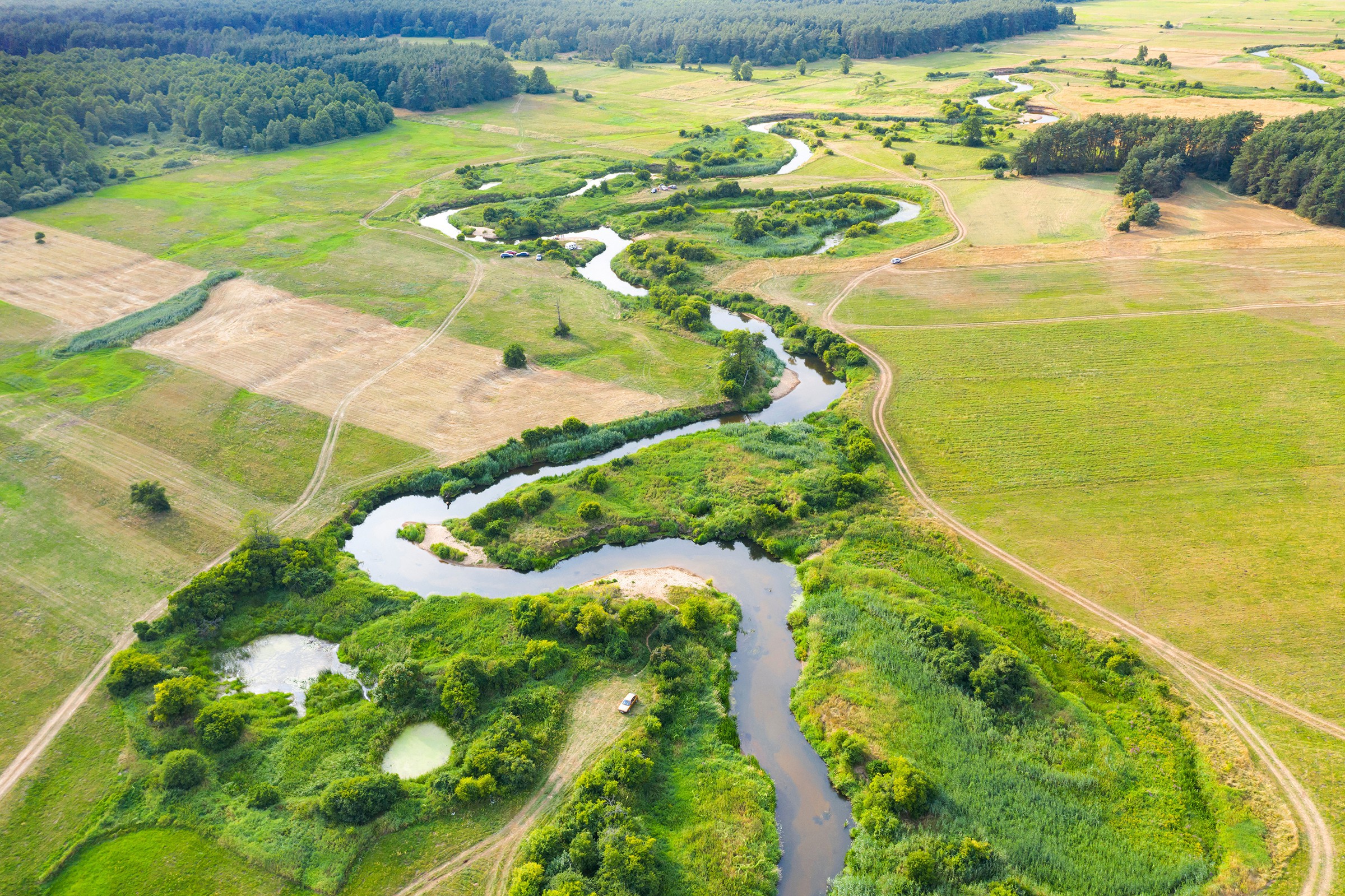
Mazovia also offers a wealth of opportunities for active tourism – the vast expanses of the Kampinos Forest and the valleys of rivers such as the Liwiec, Bug, and Wkra are perfect for kayaking, hiking, and cycling. Picturesque landscapes, gentle hills, forests, meadows, and historic routes make travelling through Mazovia a pleasure accessible to everyone.
As a centrally located region with excellent infrastructure and transport connections, Mazovia is an ideal base for exploring the rest of the country. At the same time, it offers a wide range of attractions – from the big-city allure of Warsaw, charming towns and villages to rural scenery and local traditions. It is a place where the past and present coexist in perfect harmony.
Mazovia is the true heart of Poland, waiting to be discovered and loved.
Regional capital
Warsaw, the capital of Poland and the Mazowieckie Voivodship, is a truly remarkable city – located in the very heart of Europe, at the crossroads of key transport routes, it bridges East and West, North and South. It is a dynamically developing metropolis that serves as the nation’s hub for business, science, culture, and tourism. Covering an area of over 517 km² and home to nearly 1.9 million residents, Warsaw is not only the largest city in Poland, but also one of Europe’s most fascinating capitals – full of contrasts, emotions, and authentic experiences. It is a city in constant transformation, yet one that remains deeply connected to its heritage.
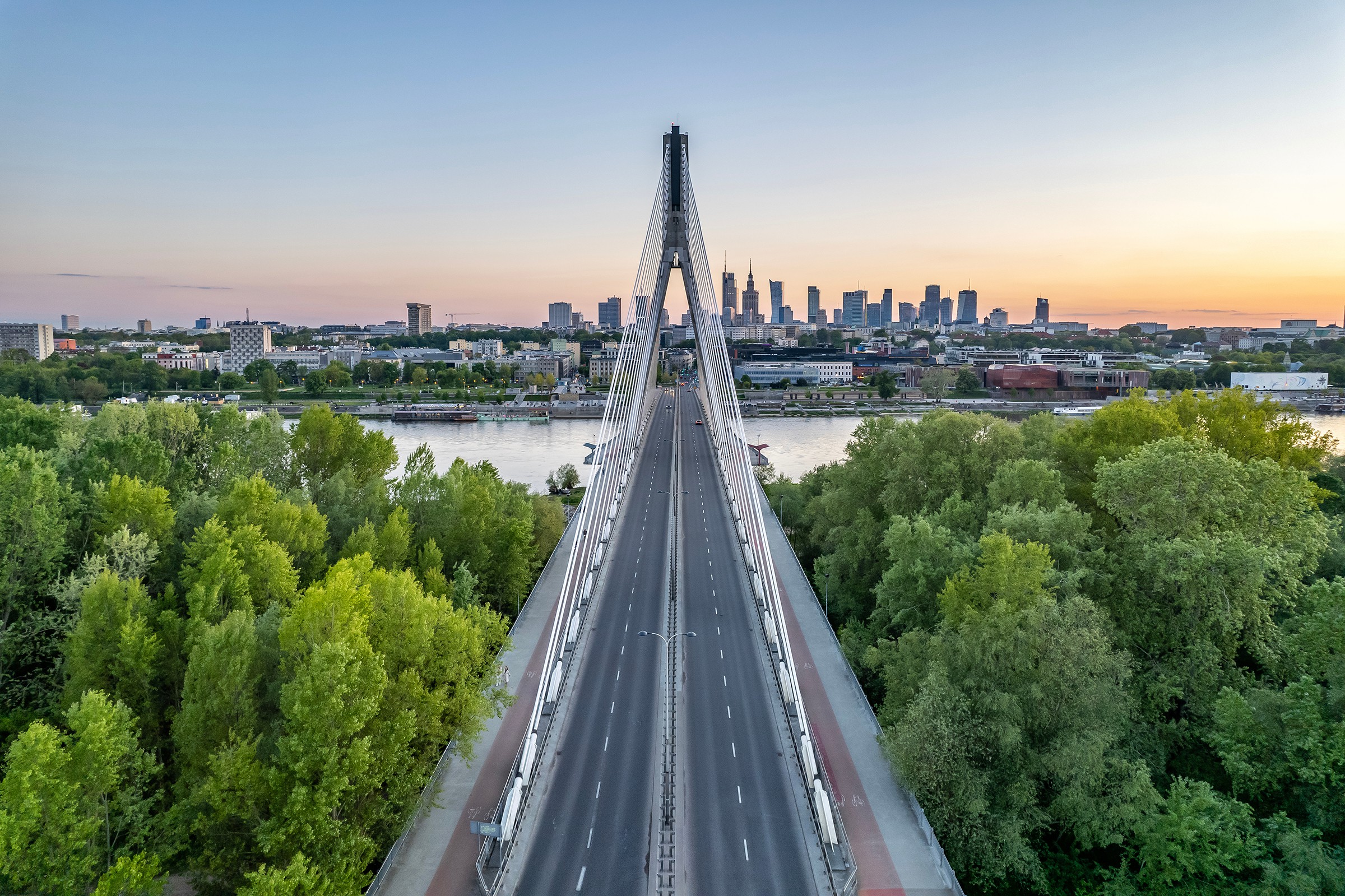
The heart of Warsaw beats in the Old Town – one of the most beautiful examples of post-war reconstruction of historic architecture in Europe, recognised as a UNESCO World Heritage Site. Here, among charming townhouses, cobblestone streets, and atmospheric cafés, lies the Old Town Market Square with the Mermaid statue – the iconic symbol of Warsaw – and St. John’s Cathedral, a Gothic witness to royal burials and the history of Polish patriotism.
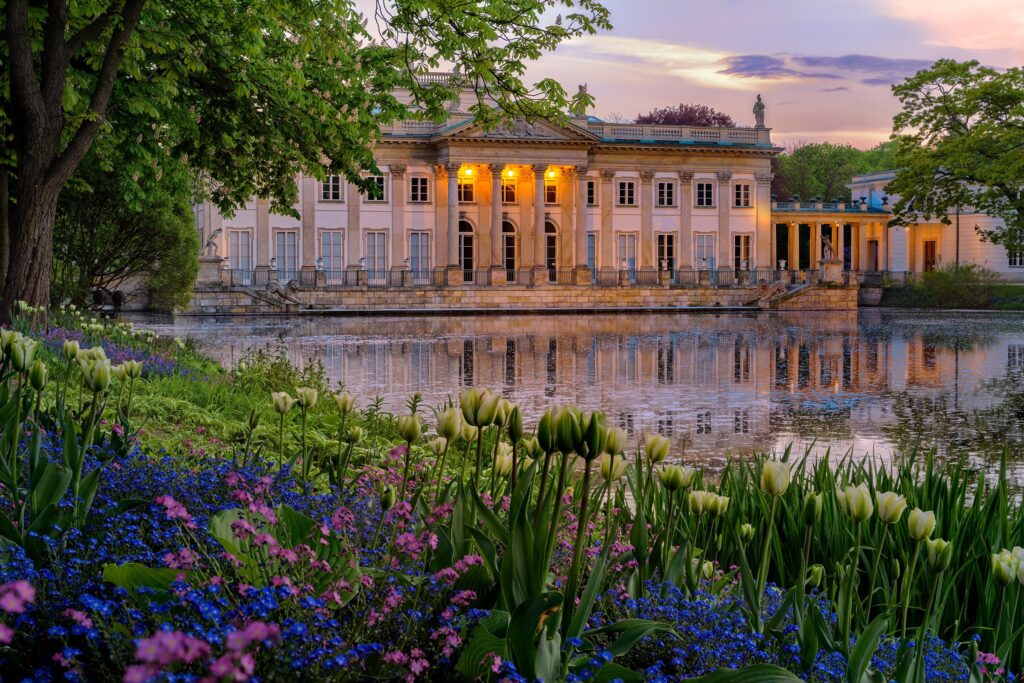
Monuments and relics of past grandeur line the Royal Route – one of the capital’s most important tourist trails. Along this historic path stand royal residences such as the Royal Castle, which houses masterpieces including works by Rembrandt; the baroque Wilanów Palace, the residence of King Jan III Sobieski; and the neoclassical Palace on the Isle in Łazienki Park. The Summer Chopin Concerts, held in the shadow of the composer’s monument, and romantic strolls along the park’s avenues, make this area a truly special cultural highlight of Warsaw.
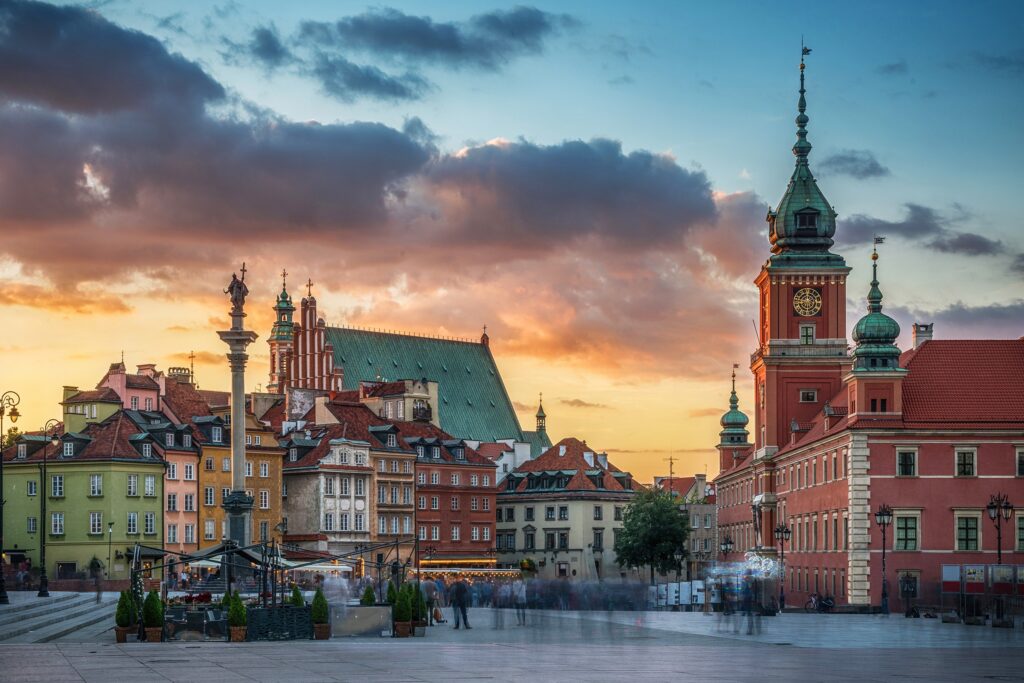
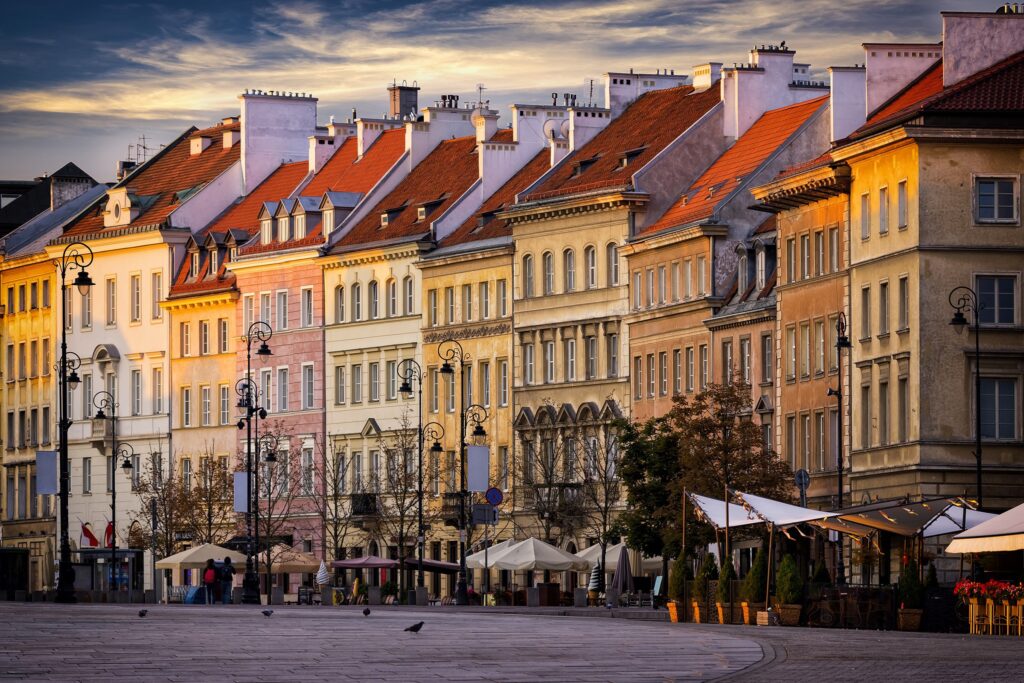
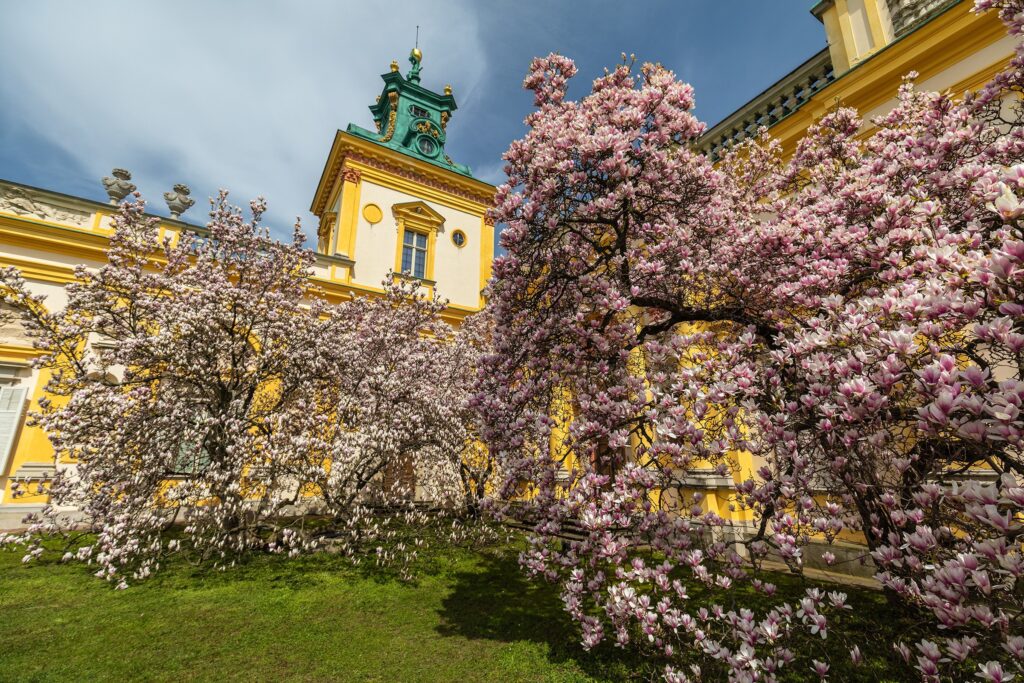
Yet Warsaw is not only about the past – it is also a symbol of post-war rebirth and modernity. Dominating the city centre is the iconic Palace of Culture and Science, which features a viewing terrace on its 30th floor offering panoramic views of the entire city. Surrounding it are modern office buildings and skyscrapers, forming an impressive, contemporary skyline that highlights Warsaw’s dynamic present.
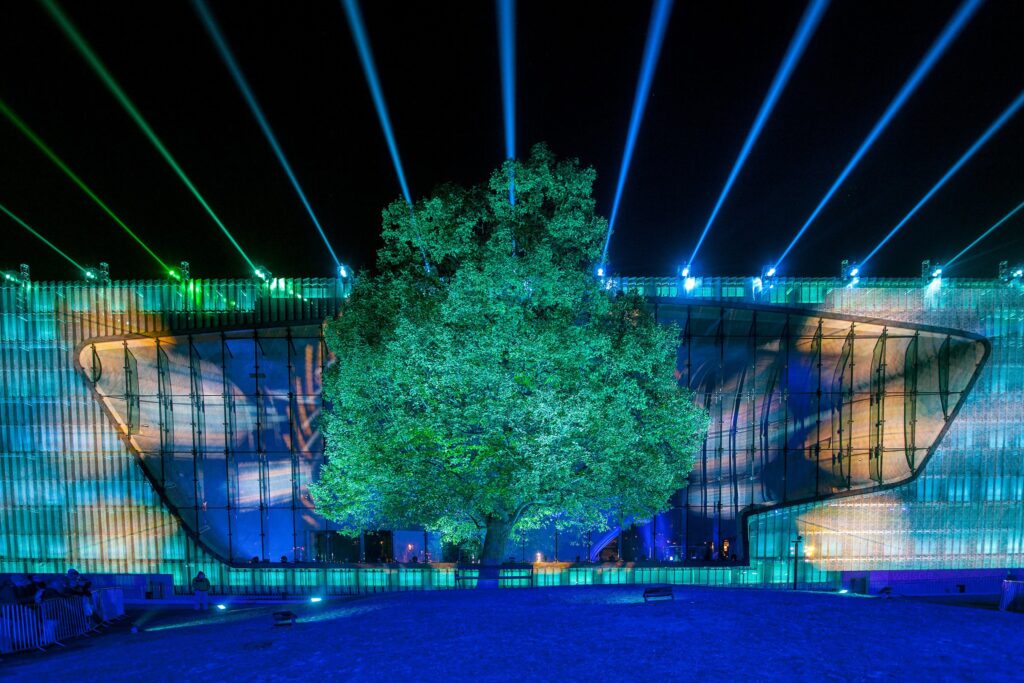
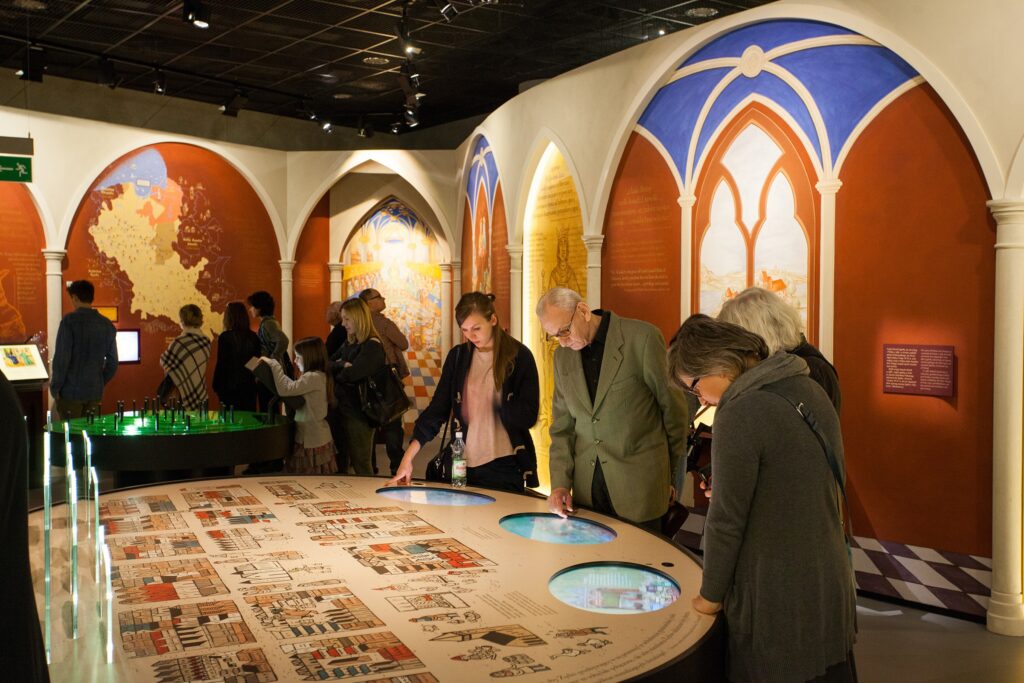
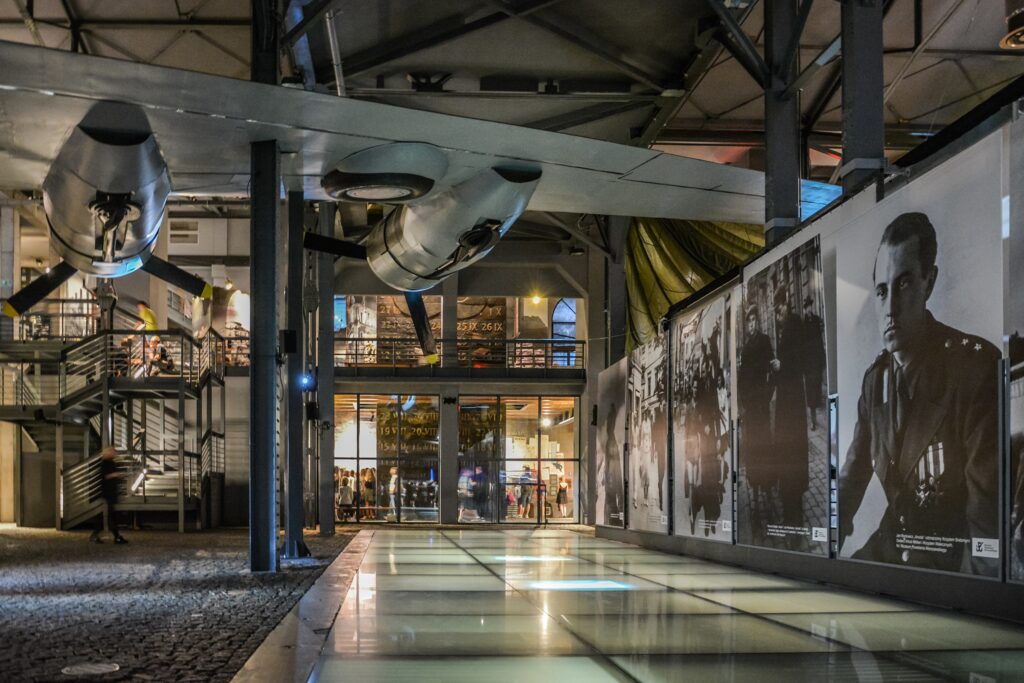
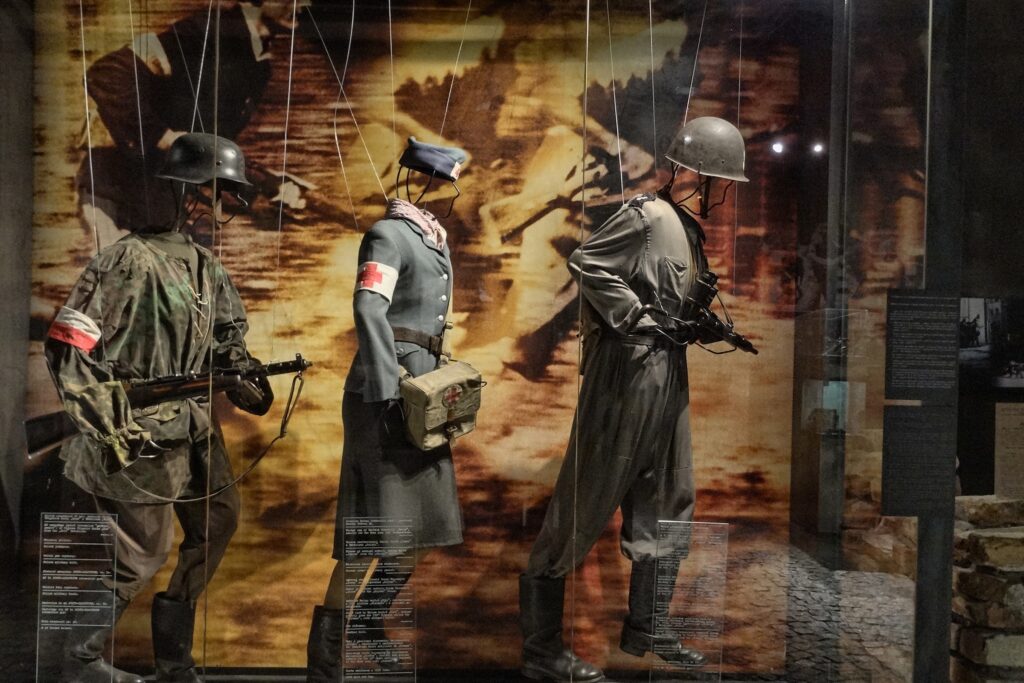
The capital is also a place where the memory of the dramatic events of the 20th century is carefully preserved. The Jewish Heritage Trail passes through the area of the former Warsaw Ghetto, now reconstructed as a unique narrative of the Jewish community’s fate. Stops along the trail include the POLIN Museum of the History of Polish Jews, the Ghetto Heroes Monument, and fragments of the original ghetto wall. Equally moving is the Warsaw Uprising Museum – a modern museum space that documents the 63 days of the heroic resistance by the city’s residents in 1944.
Warsaw also enchants with its green spaces and openness to nature. The Vistula – Poland’s largest river – forms the city’s central thread and serves as a space for recreation. Urban beaches, leafy boulevards, cycling paths, lively beach bars, and inviting marinas create vibrant meeting places for locals and visitors alike. In summer, the Multimedia Fountain Park dazzles with spectacular shows that bring Warsaw’s legends and urban myths to life in a swirl of water, light, and music.
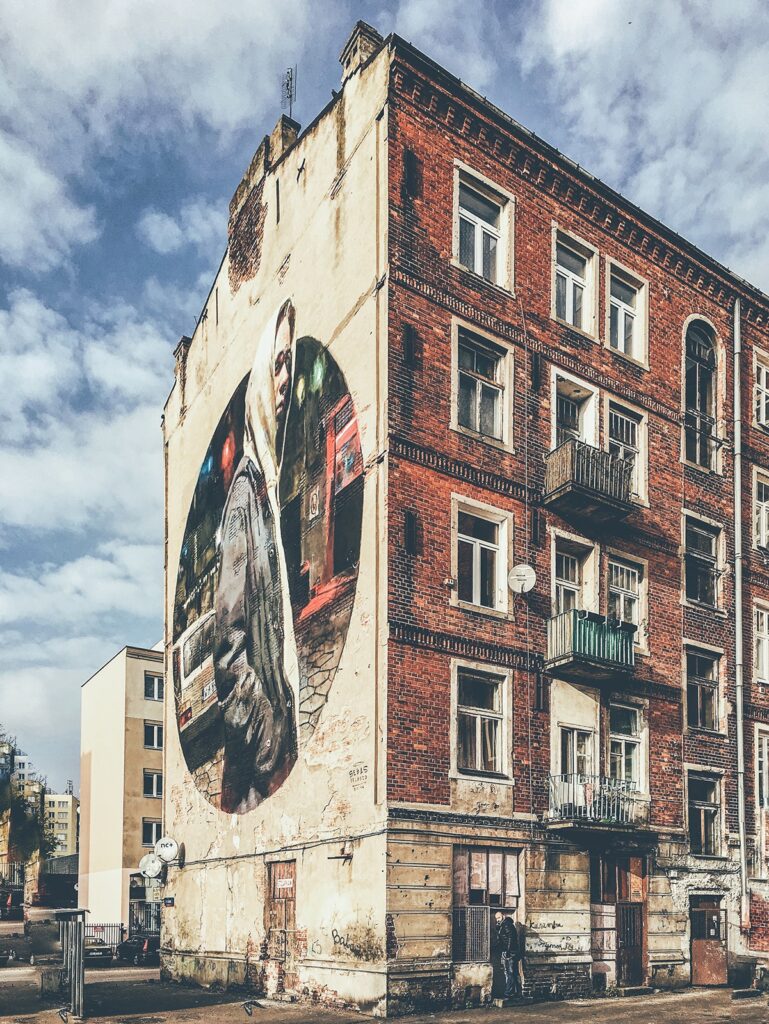
On the opposite bank of the Vistula lies Praga, a district known for its unique character. Having escaped wartime destruction, Praga is considered the most authentic part of the city, featuring backyard chapels, post-industrial spaces, and a vibrant artistic energy. Here you’ll find the Koneser Praga Centre, a former vodka factory that has transformed into a trendy meeting place housing the Polish Vodka Museum. Atmospheric cafés, galleries, murals, and live concerts make Praga a magnet for both creators and explorers.
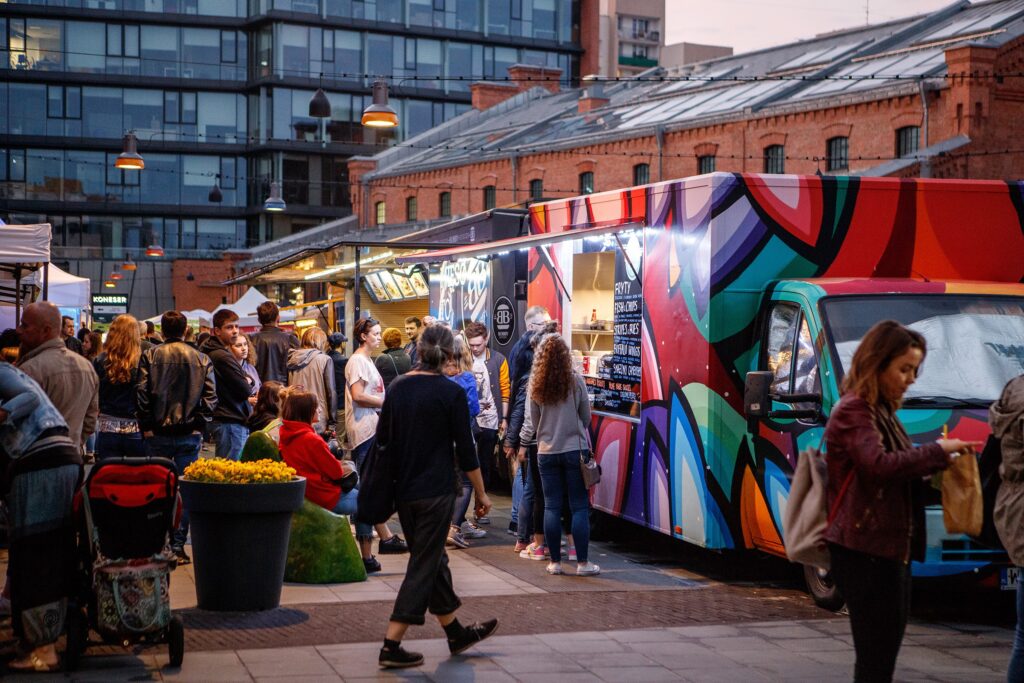

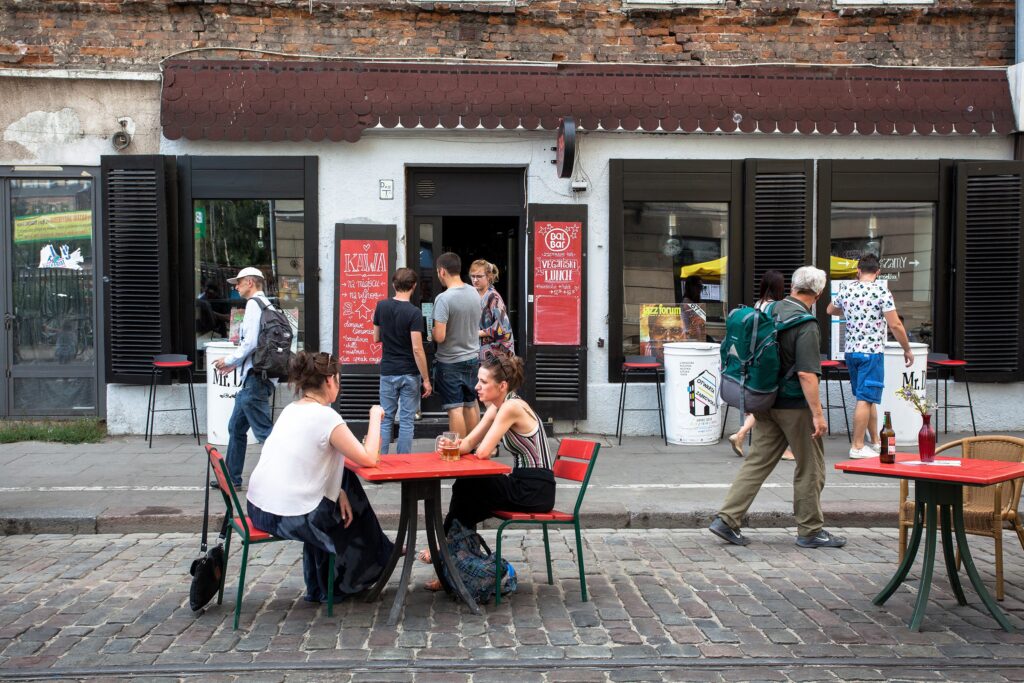
No description of Warsaw would be complete without mentioning its culinary scene. Today, the capital is a true paradise for food lovers, boasting Michelin-starred restaurants, charming bistros, and bustling food halls such as Hala Koszyki and Fabryka Norblina, as well as traditional “milk bars” that preserve the atmosphere of the Polish People’s Republic era.


Warsaw is a metropolis with a soul, where history seamlessly blends with the future and national heritage coexists harmoniously with European energy. It is a city worth visiting once and returning to many times, as you discover something new with every visit.