Małopolska (known as Lesser Poland) is the historical heart of Poland. It is a region exceptionally rich in both cultural and natural attractions. Tourists are drawn to the royal city of Kraków, the peaks of the Tatra Mountains, numerous resorts and health spas, thousands of kilometres of varied trails, scenic lakes, and amazing amusement parks. Małopolska is home to as many as six national parks – Tatra, Pieniny, Ojców, Babia Góra, Gorce, and Magura – as well as five sites inscribed on the UNESCO World Heritage List: the Old Town in Kraków, the Royal Salt Mines in Wieliczka and Bochnia, Auschwitz-Birkenau – German Nazi Concentration and Extermination Camp, the pilgrimage site of Kalwaria Zebrzydowska, and the Wooden Churches of Southern Małopolska.
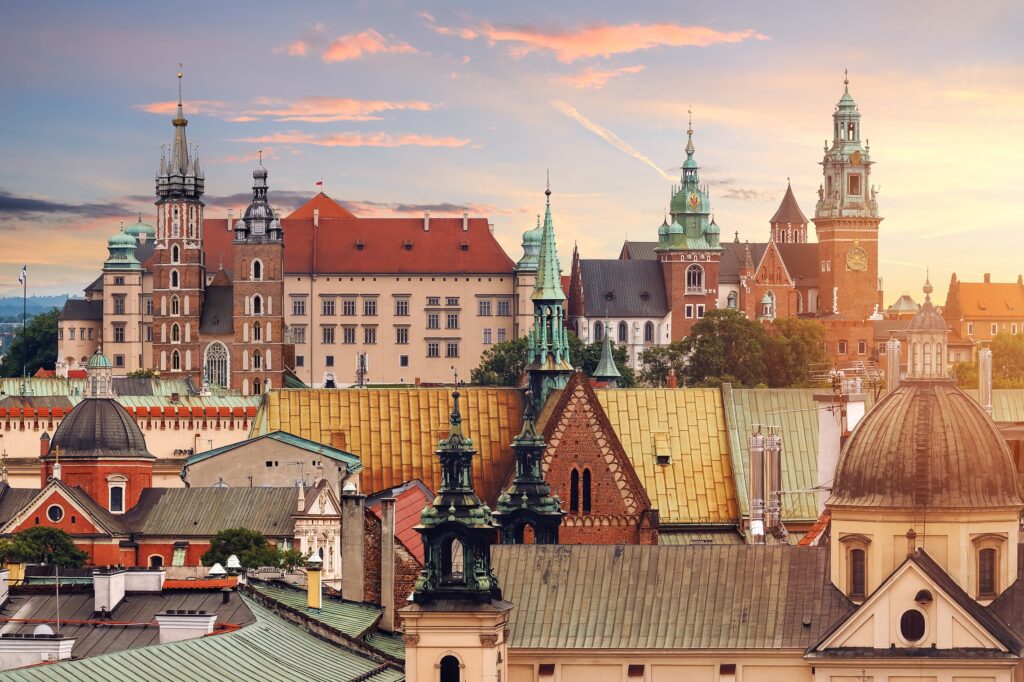
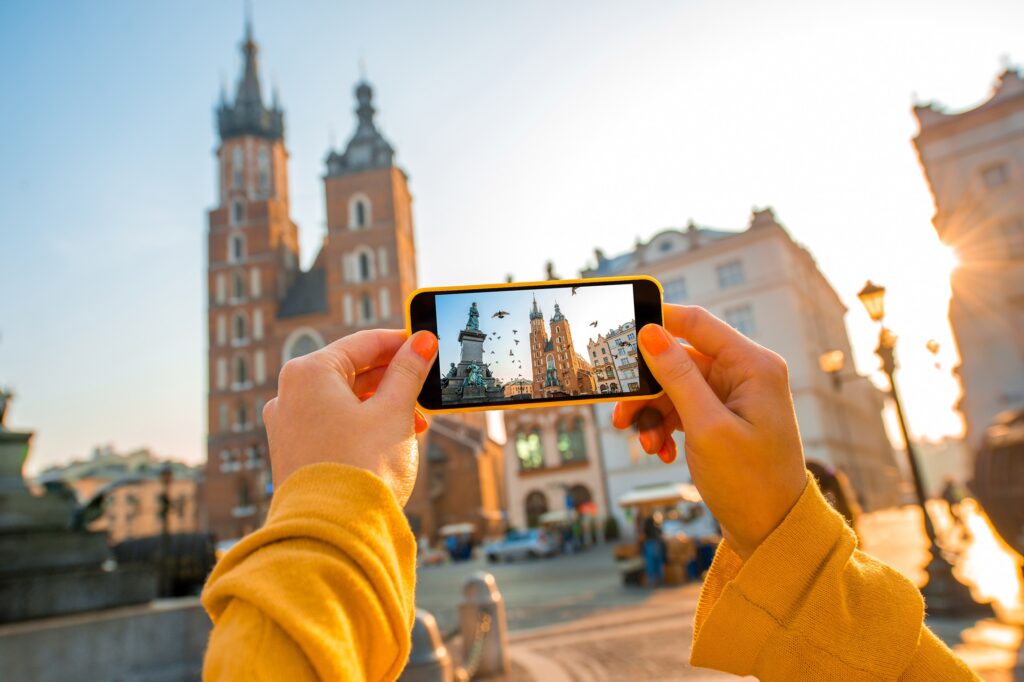
The Małopolskie Voivodship is one of the most valuable and attractive tourist regions in Poland, where history, culture, and nature create a remarkable mosaic of experiences for every traveller. Located in the south of the country and bordering Slovakia, Małopolska’s beating heart is Kraków – a city of unparalleled historical and artistic heritage that has, for centuries, captivated lovers of history, art, and unique atmosphere. Spanning over 15,000 km² and with a population exceeding 3.4 million residents, the region embodies the essence of Polish culture and natural beauty. Here, centuries-old traditions blend seamlessly with modern tourist infrastructure, offering visitors both authenticity and comfort.
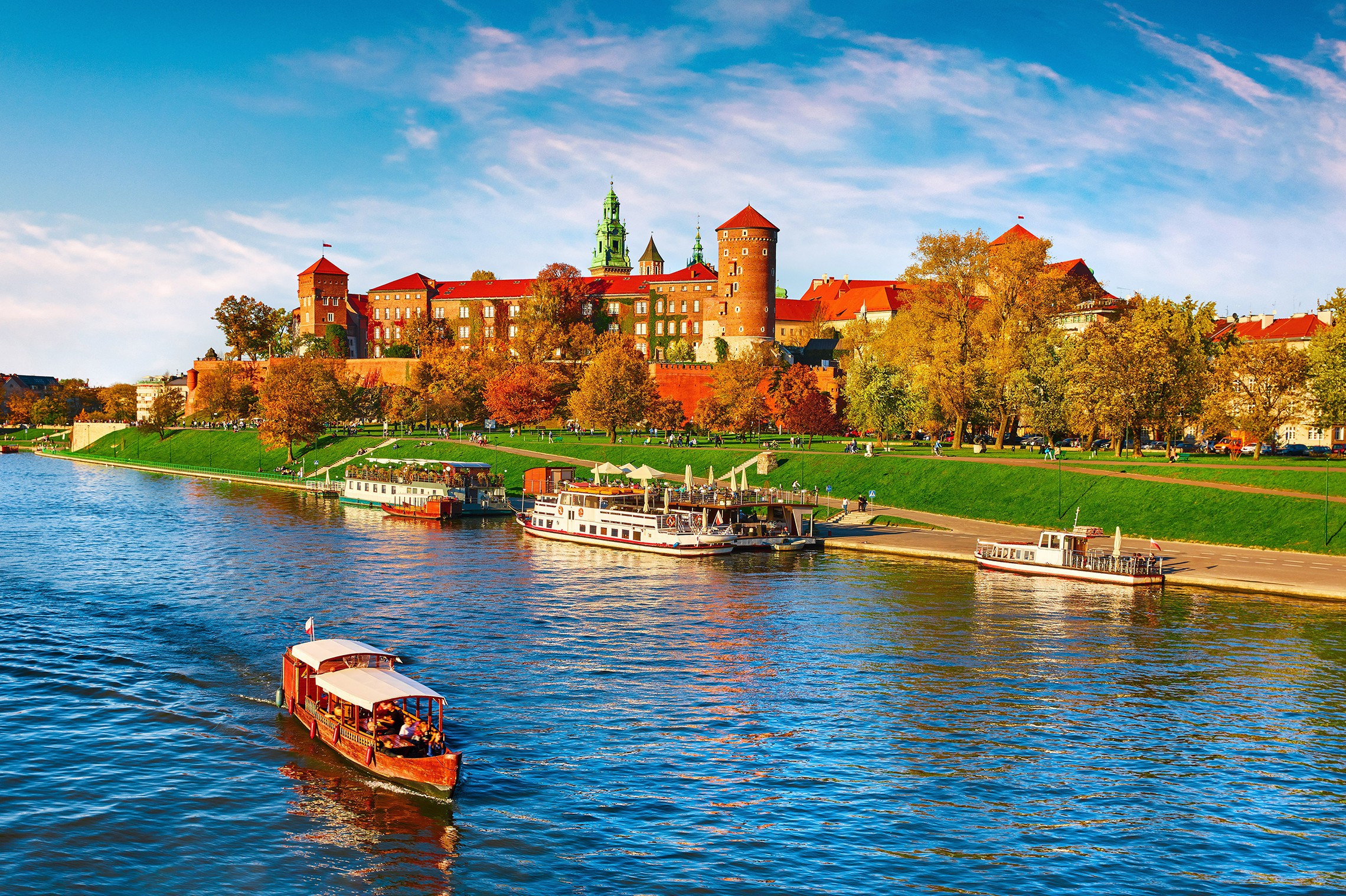
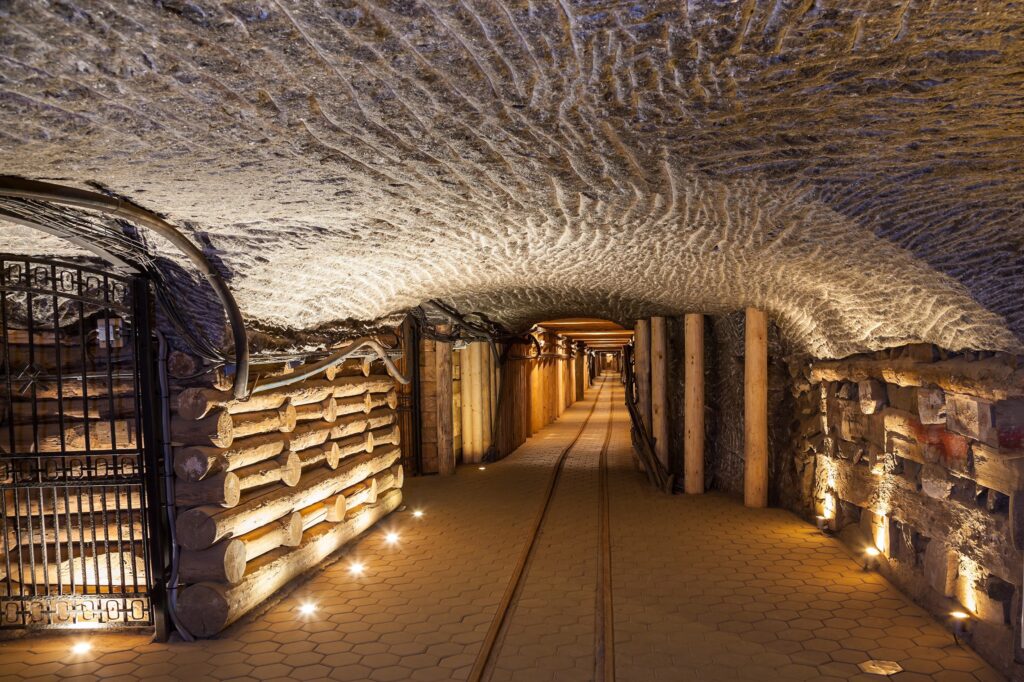
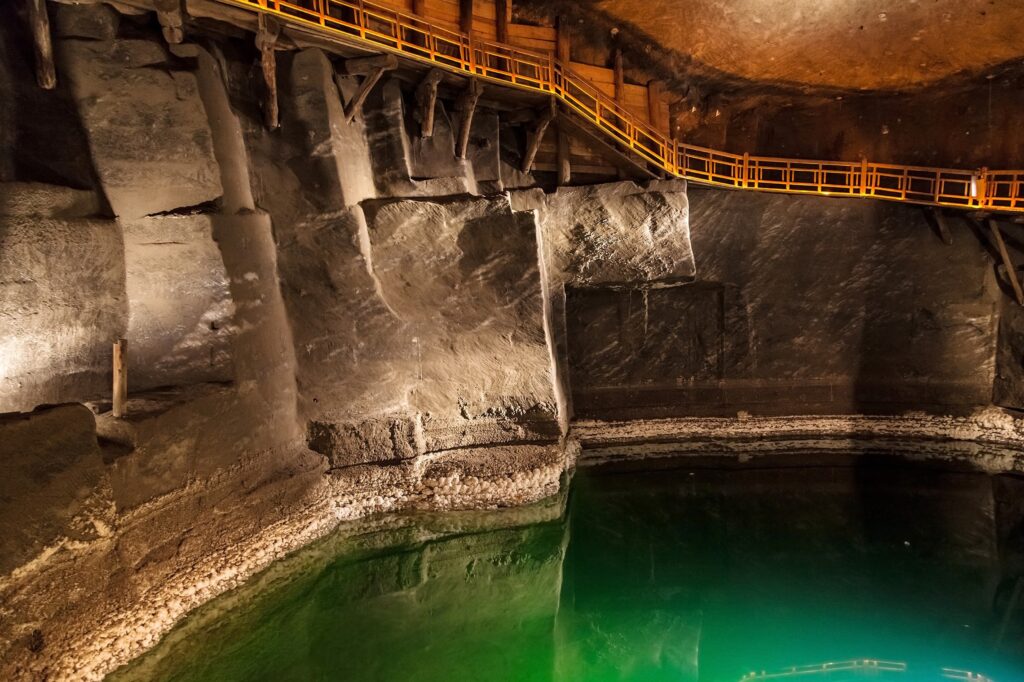
Lesser Poland is a region where everyone can find something to enjoy – from history enthusiasts and mountain lovers to fans of active leisure, families with children, and connoisseurs of fine food and wine. At the heart of this region is Kraków, the cultural capital of Poland, renowned for its UNESCO-listed Old Town, which serves as a true emblem of the country’s national heritage. In Kraków, you can explore historic townhouses and the monumental Wawel Castle, as well as visit world-class museums and galleries, experience vibrant theatres, enjoy charming cafés, and participate in a rich calendar of cultural events. A highlight of the region are the legendary salt mines of Wieliczka and Bochnia – unique underground complexes inscribed on the UNESCO World Heritage List. These extraordinary sites offer fascinating tourist routes, breathtaking subterranean chapels, and an opportunity to discover the history of mining as well as centuries-old healing traditions.
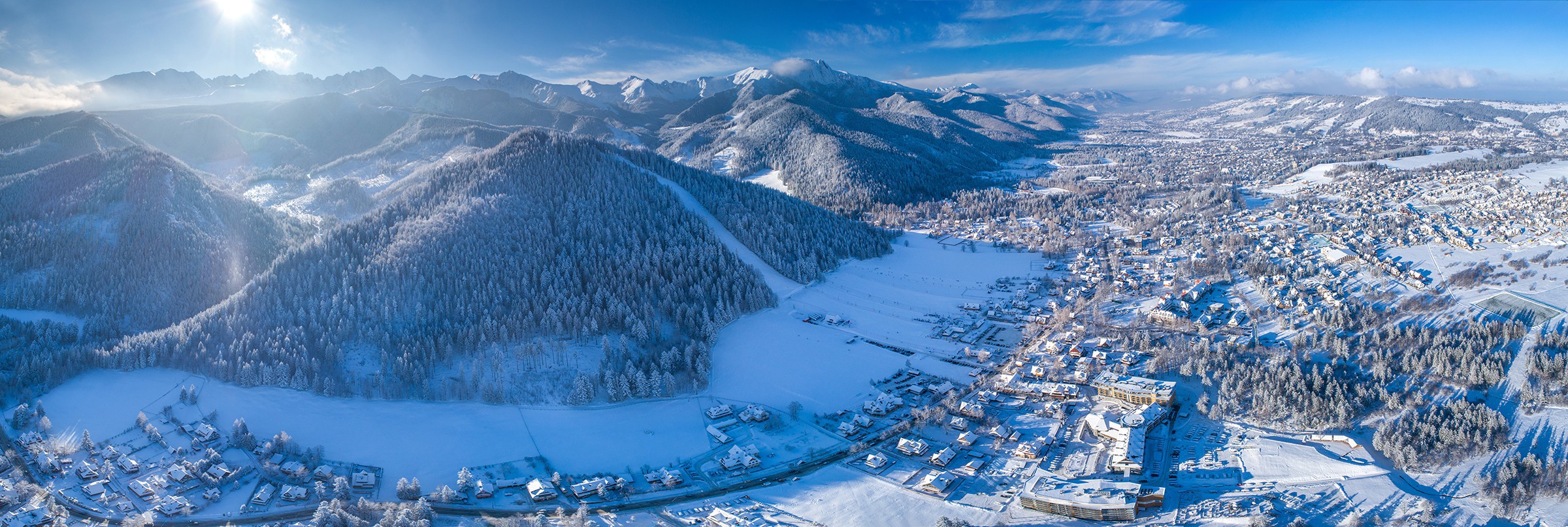
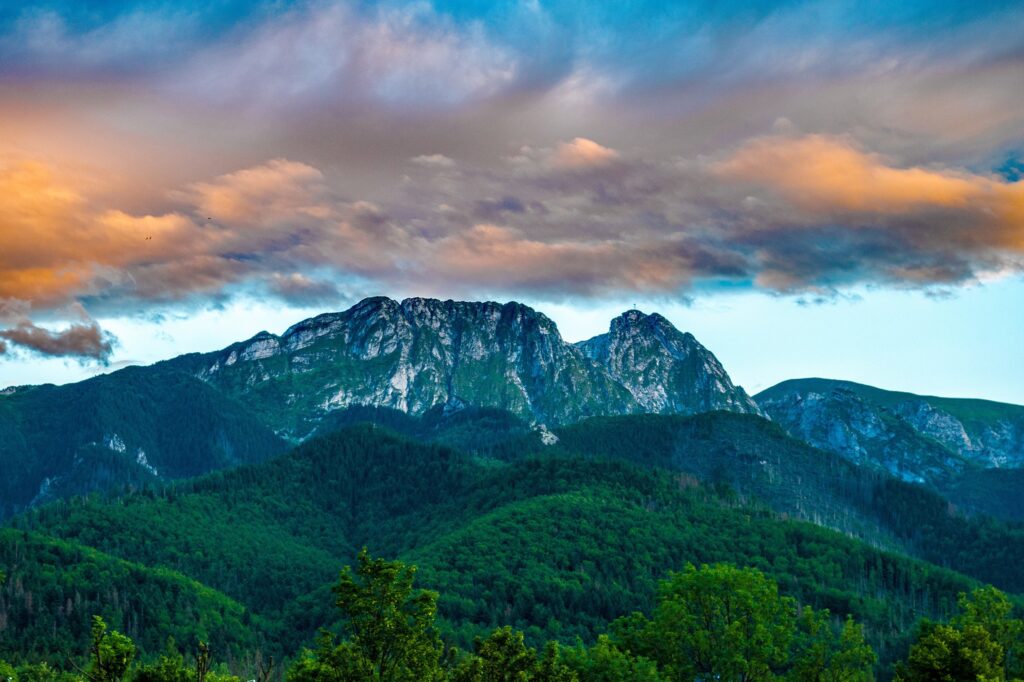
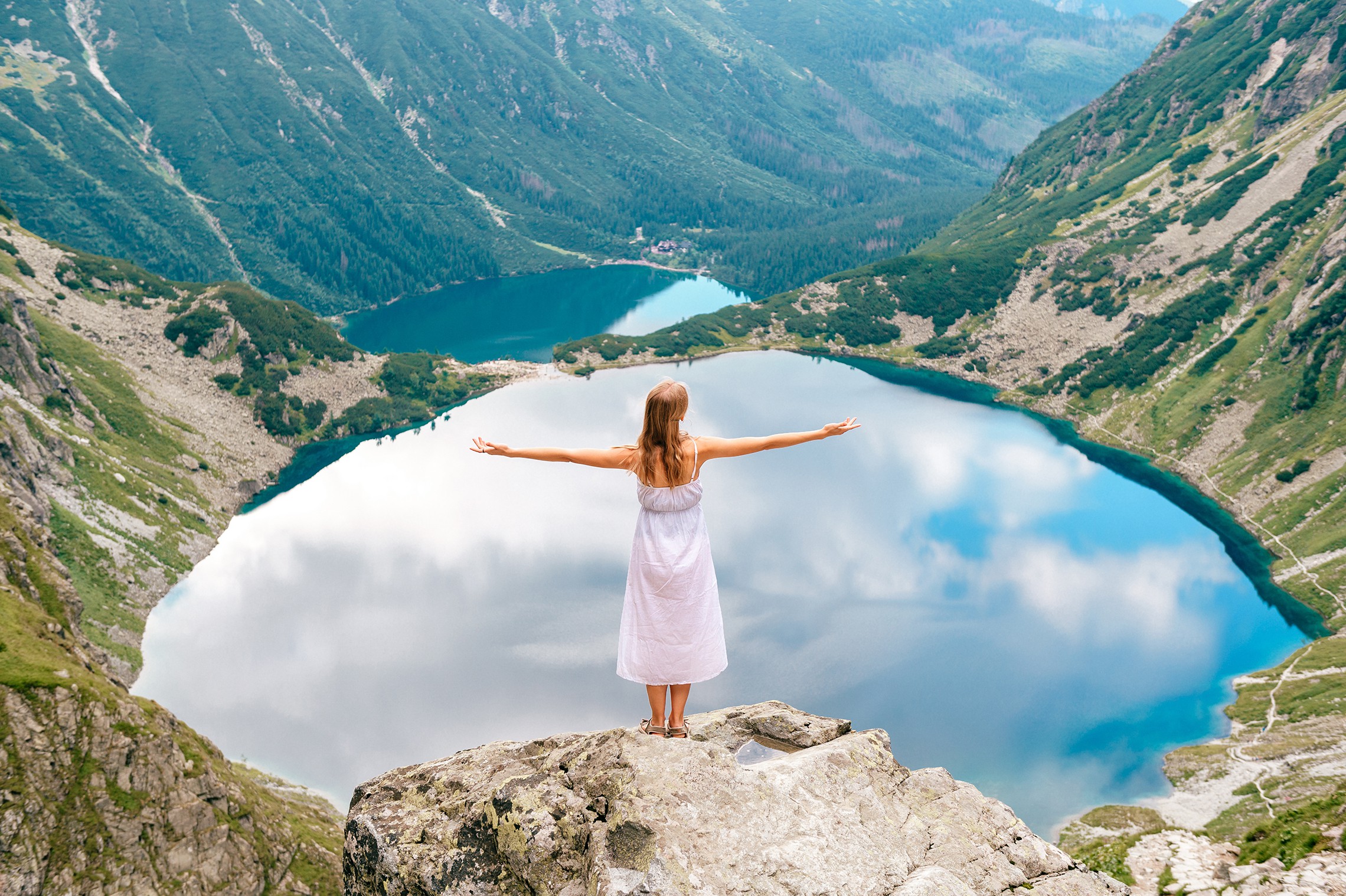
The Tatra Mountains, the highest in Poland, are Małopolska’s natural jewel and a true haven for lovers of mountain landscapes and extreme sports. The Tatra National Park offers countless hiking trails of varying difficulty – from gentle walks to the crystal waters of Morskie Oko, to challenging ascents of Kasprowy Wierch or the iconic Giewont peak. The presence of Zakopane – Poland’s winter capital – guarantees access to extensive ski infrastructure, luxury hotels, spas, and authentic regional cuisine. Traditional highlander customs and distinctive wooden architecture create an atmosphere found nowhere else, making every visit unforgettable.
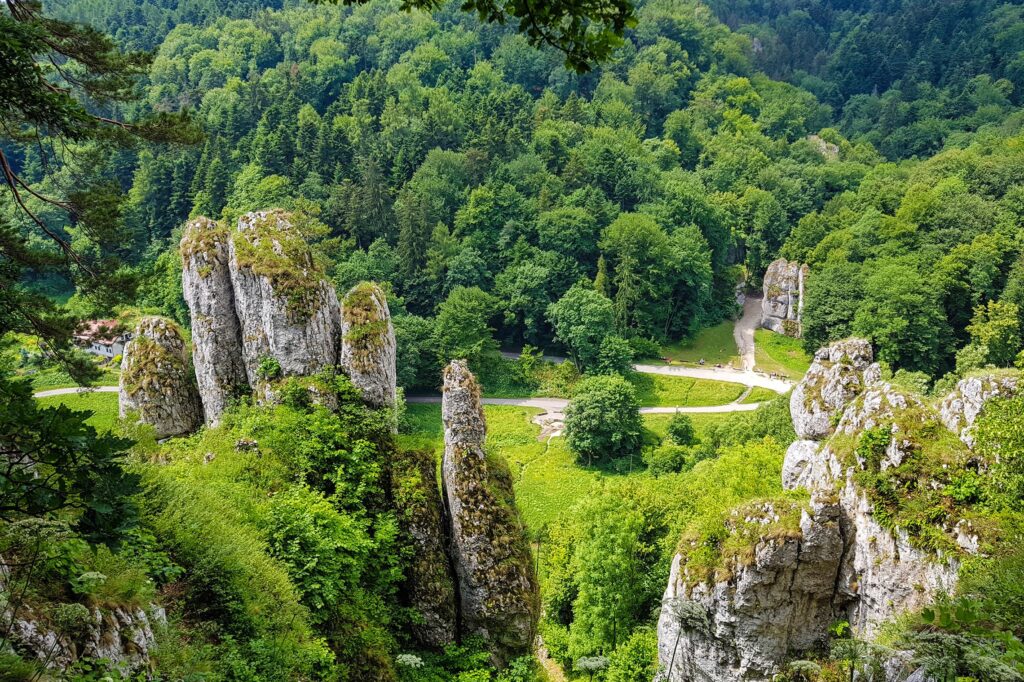
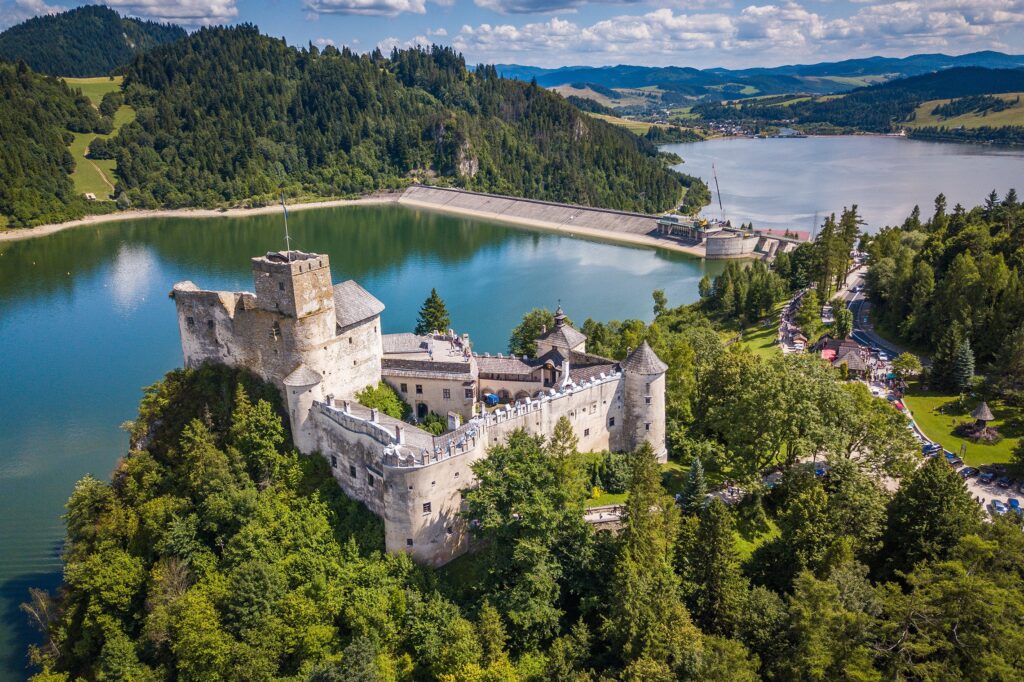
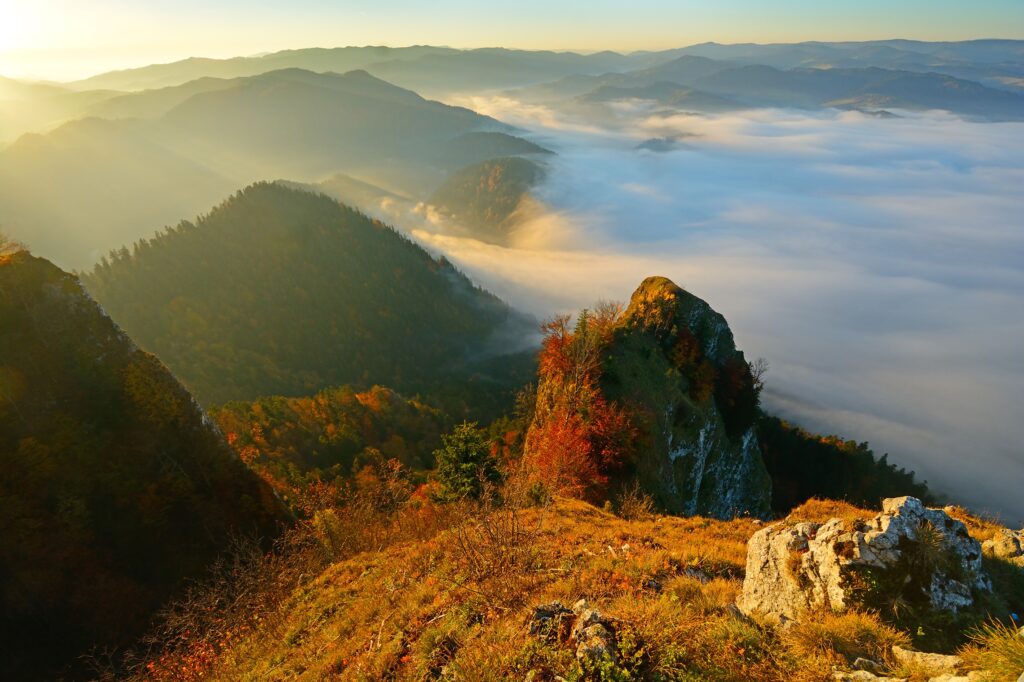
Lesser Poland is also home to several other national parks – Pieniny, Babia Góra, Gorce, Ojców, and Magura – each offering stunning landscapes, rich flora and fauna, and countless opportunities to connect with nature. Pieniny National Park, renowned for its Dunajec River rafting trips, and the picturesque lakes of Czorsztyn, Rożnów, and Czchów, are an ideal destination for families, active tourists, and water sports enthusiasts. For thrill-seekers, the region delivers a wealth of attractions – from paragliding, skydiving, and rock climbing to high-speed mountain biking. Modern amusement parks also add to the excitement, with Energylandia – the largest park of its kind in Poland – offering unforgettable experiences for visitors of all ages.
Lesser Poland also boasts a wealth of sacred monuments, including remarkable wooden churches and Orthodox churches scattered throughout the region, forming the unique Wooden Architecture Route. Eight of them are listed as UNESCO World Heritage Sites, and their craftsmanship and beauty attract history and art enthusiasts from around the world.
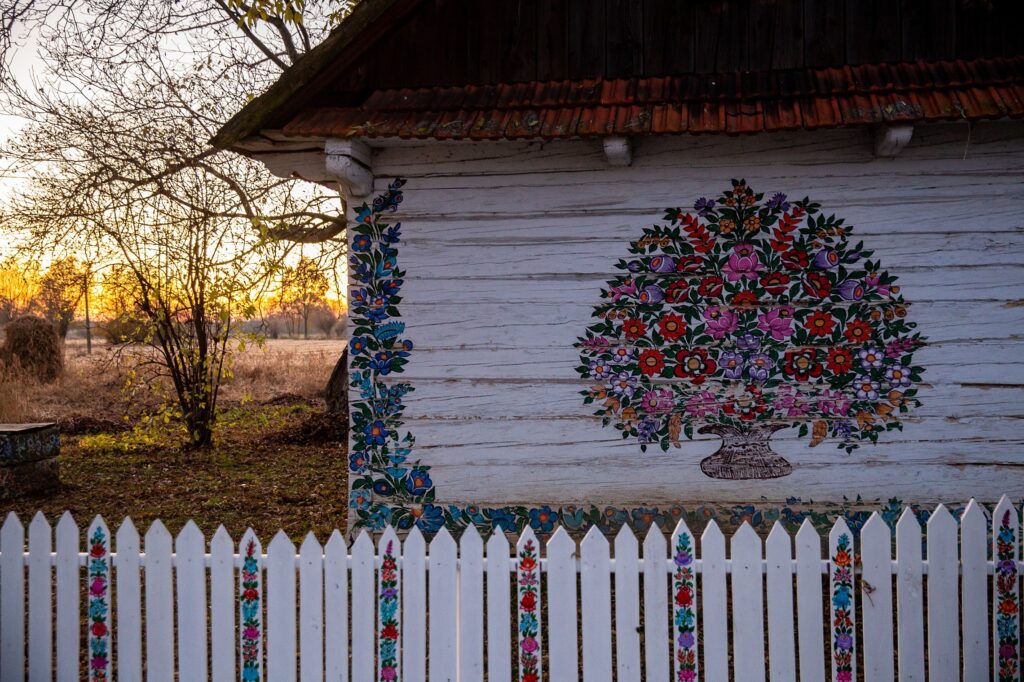
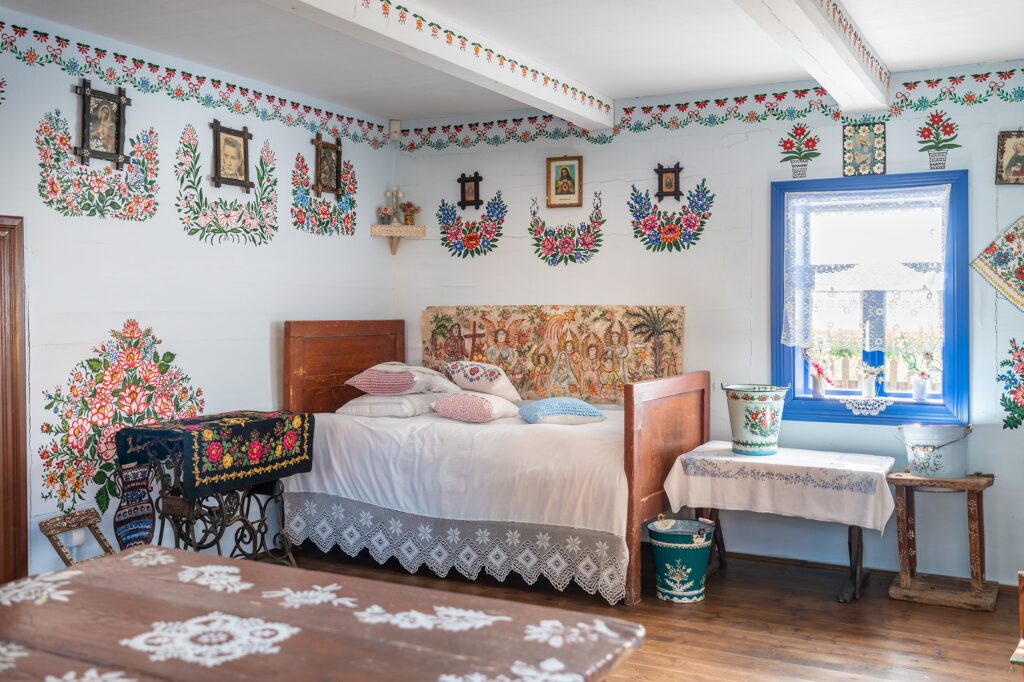
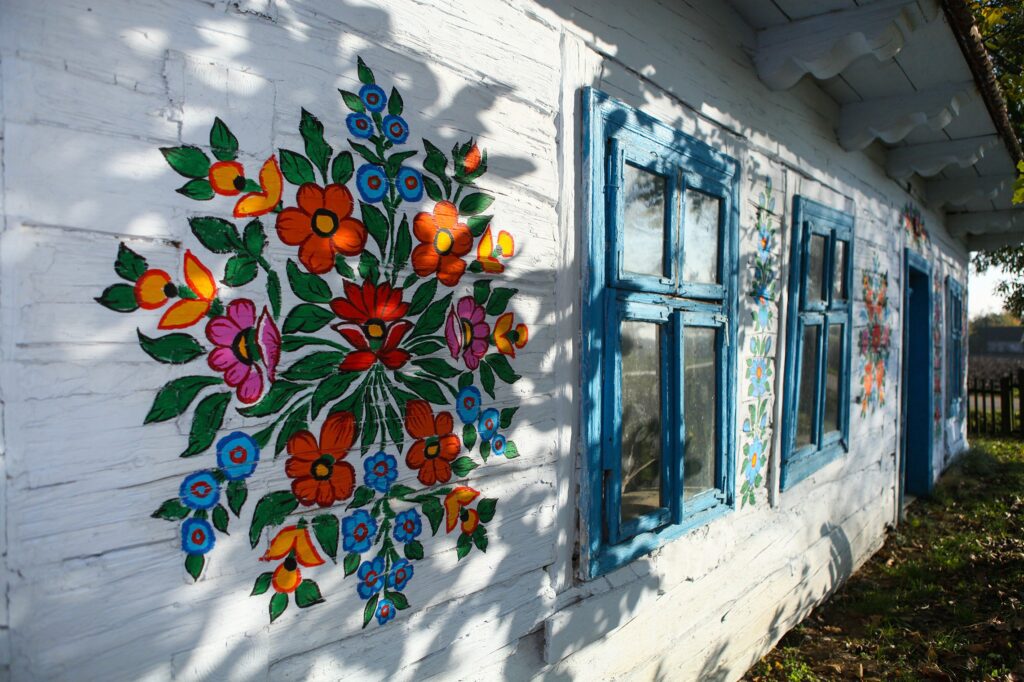
In the heart of Lesser Poland, close to Kraków, lies the enchanting village of Zalipie. For over a century, its residents have decorated their homes, fences, and wells with colourful floral patterns, creating living canvases of folk art. A stroll through the village reveals dozens of painted cottages. At the House of the Female Painters, visitors can learn the history of this unique tradition and participate in painting workshops. Every year, the “Painted Cottage” competition brings fresh colours and creativity to Zalipie, keeping the tradition alive. The village captivates with its tranquillity, natural beauty, and warm hospitality, offering tourists an utterly unique encounter with Poland’s authentic folk culture.
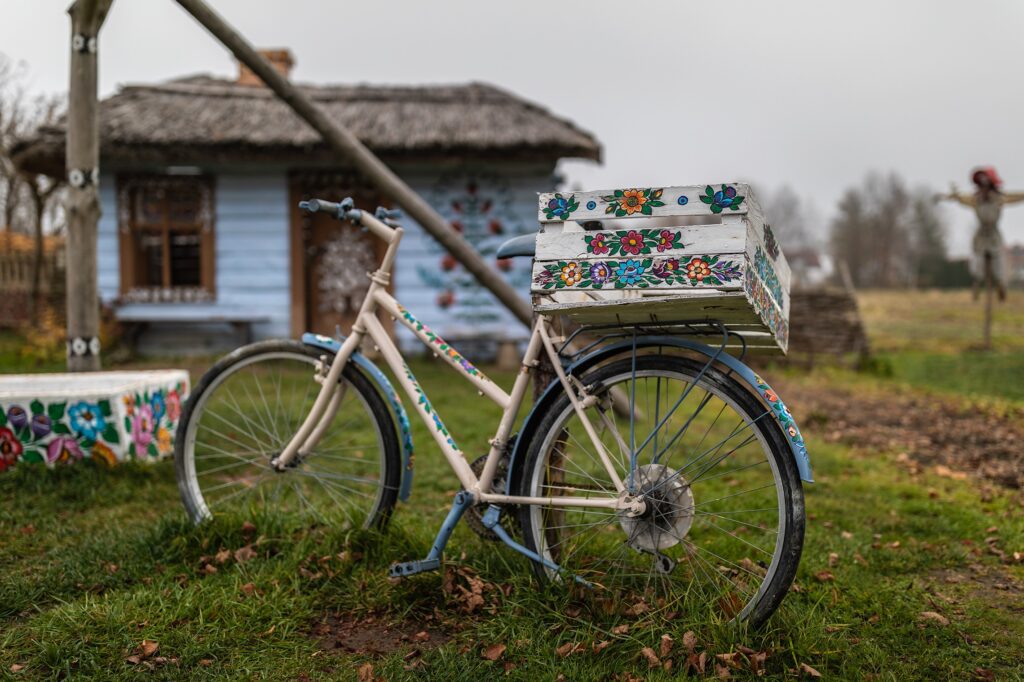
Active travellers will find Lesser Poland a paradise for cycling, with numerous high-quality routes catering to a range of skill levels, including the well-developed VeloMałopolska network. Trails such as VeloDunajec, VeloMetropolis, and the Vistula Cycling Route connect the region’s most beautiful areas, from mountains to lowlands, offering breathtaking scenery and comfortable conditions for cyclists.
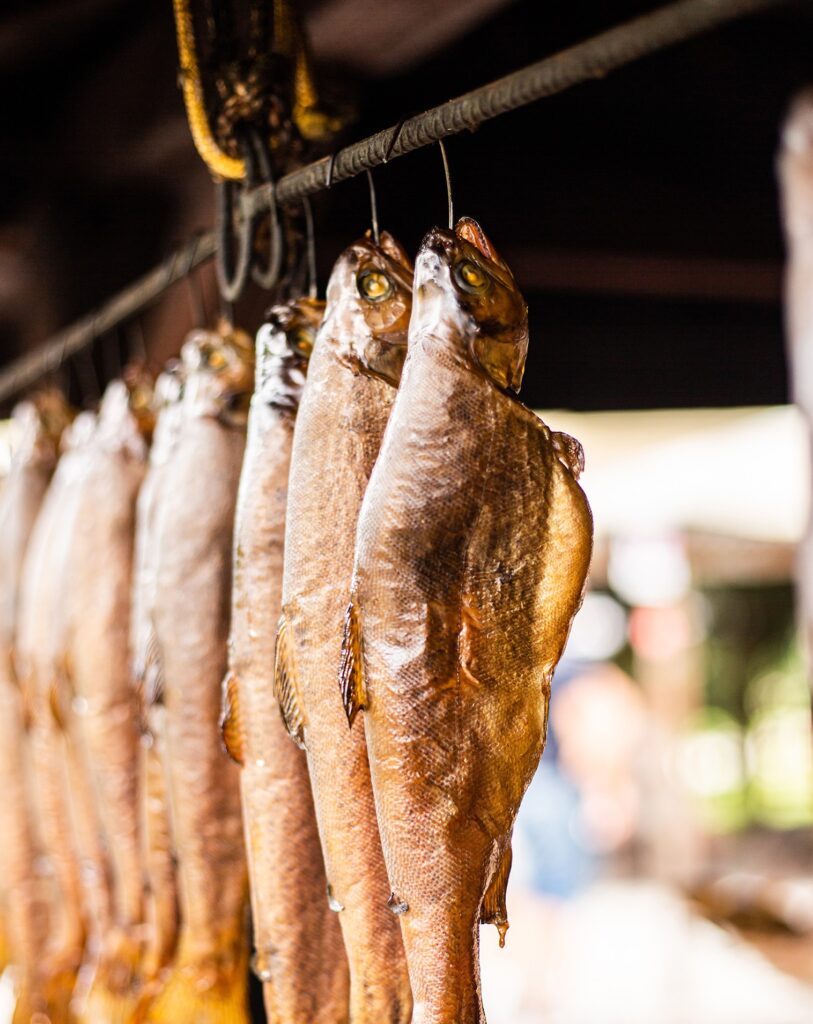
Lesser Poland is a true land of flavours, where tradition meets modernity, and regional specialities have gained recognition both in Poland and abroad. More than 200 products from Lesser Poland are listed as traditional products, crafted according to age-old recipes and production methods, forming an inseparable part of the region’s cultural heritage. The region is also known for its rapidly developing wine industry. The Małopolska Wine Trail invites visitors to explore dozens of wineries, especially around Tarnów, where numerous events and tastings showcase and celebrate Polish wines.

The Małopolskie Voivodship is one of the key pillars of Polish tourism, offering a diverse range of cultural, historical, natural, and recreational attractions.Come and discover Lesser Poland!
Regional capital
Kraków, the capital of the Małopolskie Voivodship, stands among the most important and iconic travel destinations in Poland, and is widely regarded as a true jewel of Europe’s cultural heritage. Steeped in centuries of history, this former royal capital and seat of Polish monarchs seamlessly blends timeless tradition with contemporary vibrancy, offering visitors unforgettable experiences at every turn. The city’s exceptional value was recognised in 1978, when its Historic Centre was inscribed on the UNESCO World Heritage List – a testament to the global significance of Kraków’s architecture, history, and cultural legacy. Today, Kraków captivates not only lovers of history and art, but also those seeking active leisure, culinary delights, and cultural events.
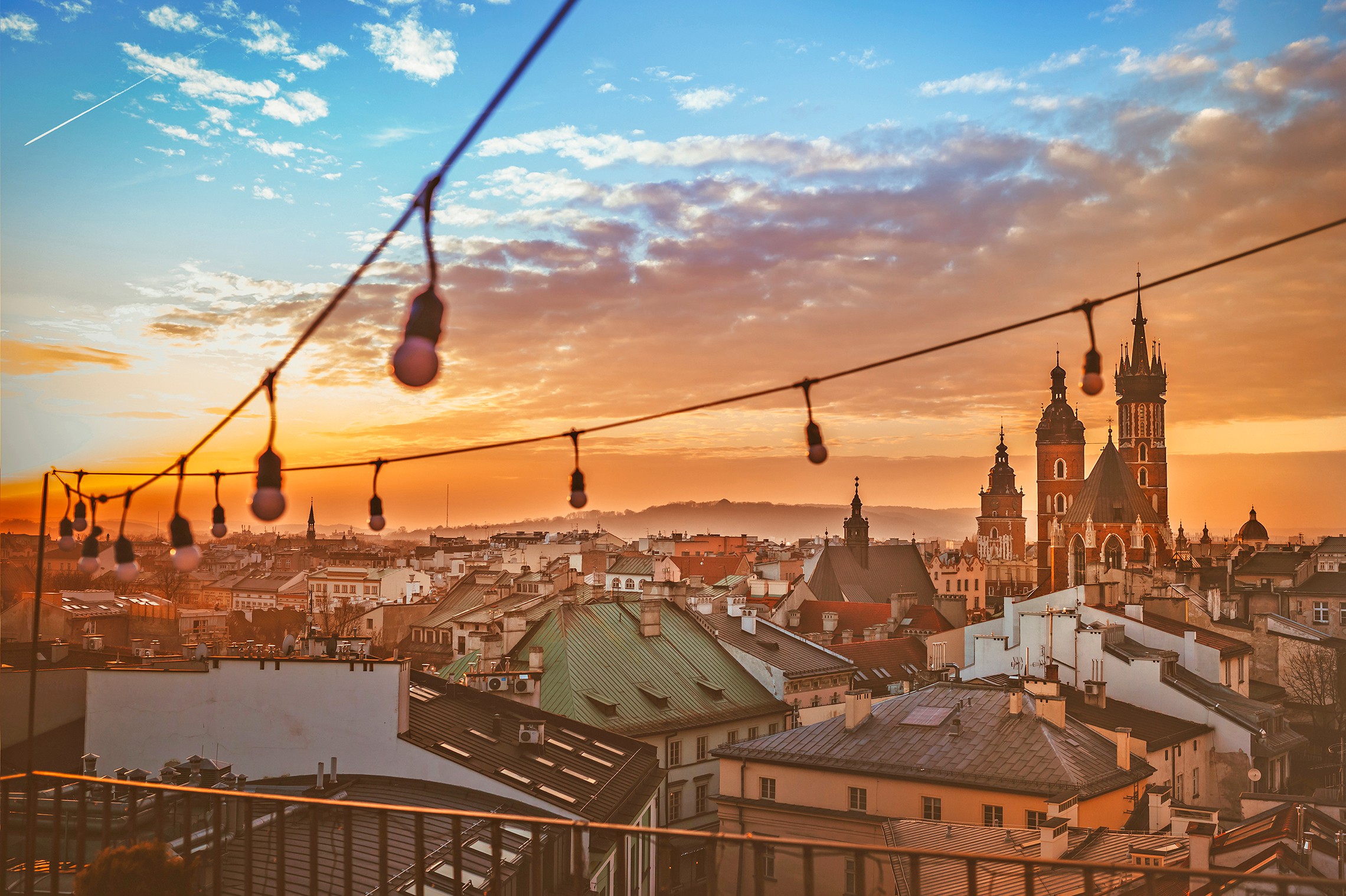
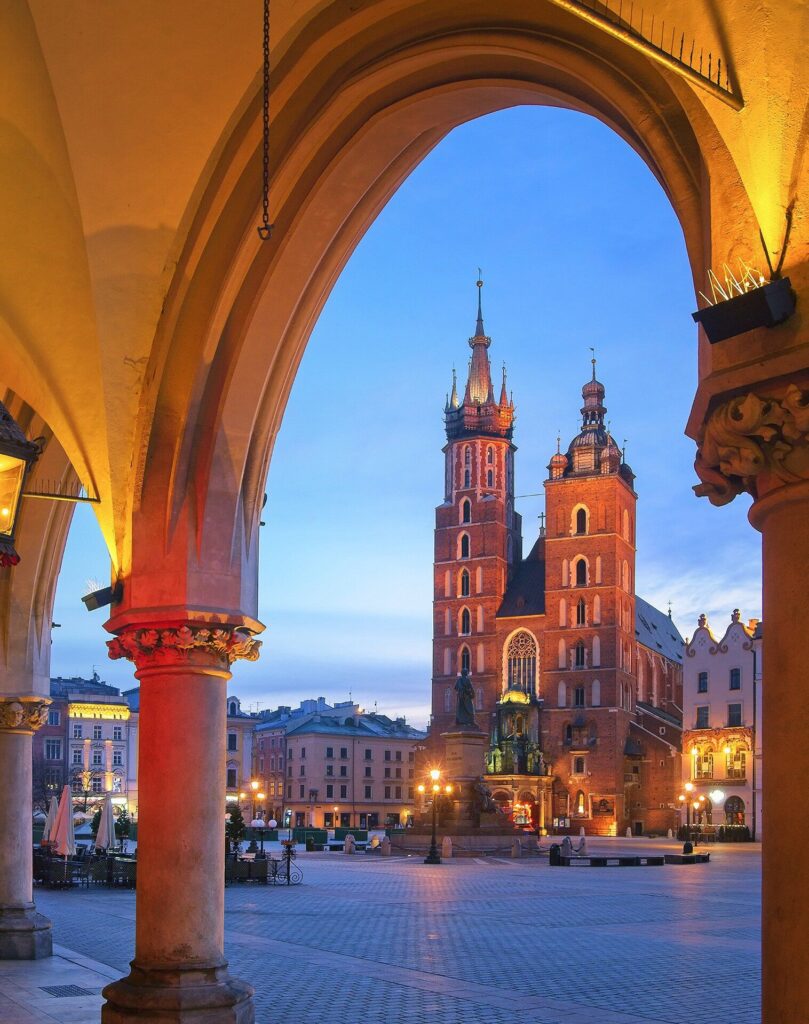
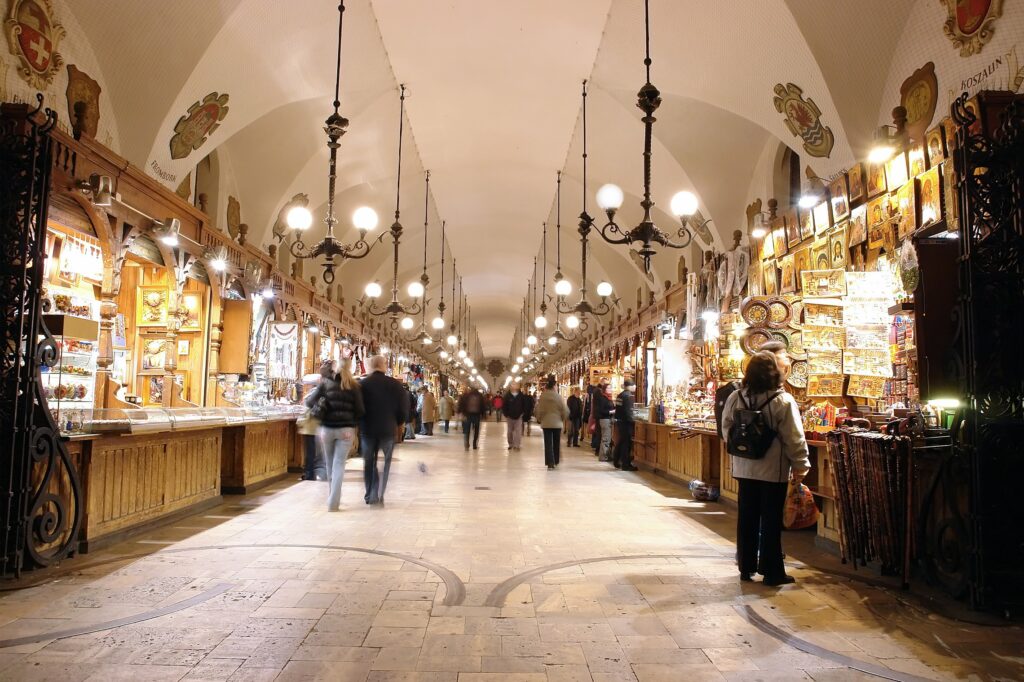
At the heart of the city lies the Old Town – a vast historic district preserved in almost its original form, encircled by the lush greenery of the Planty Park. Passing through the Floriańska Gate and the Barbican is like stepping back in time, entering the world of medieval defensive walls. Here, the Main Market Square – one of the largest and most beautiful town squares in Europe – welcomes visitors from across the globe. Dominating the square is the magnificent St. Mary’s Basilica, home to the world-famous altar by Veit Stoss, while the Cloth Hall, once a bustling centre of trade, now offers an array of shops with artisan crafts and local artwork. Kraków’s rich cultural heritage is also reflected in its many museums, such as the National Museum and the Czartoryski Museum, where priceless treasures await – from masterpieces by Jan Matejko to Leonardo da Vinci’s celebrated Lady with an Ermine.
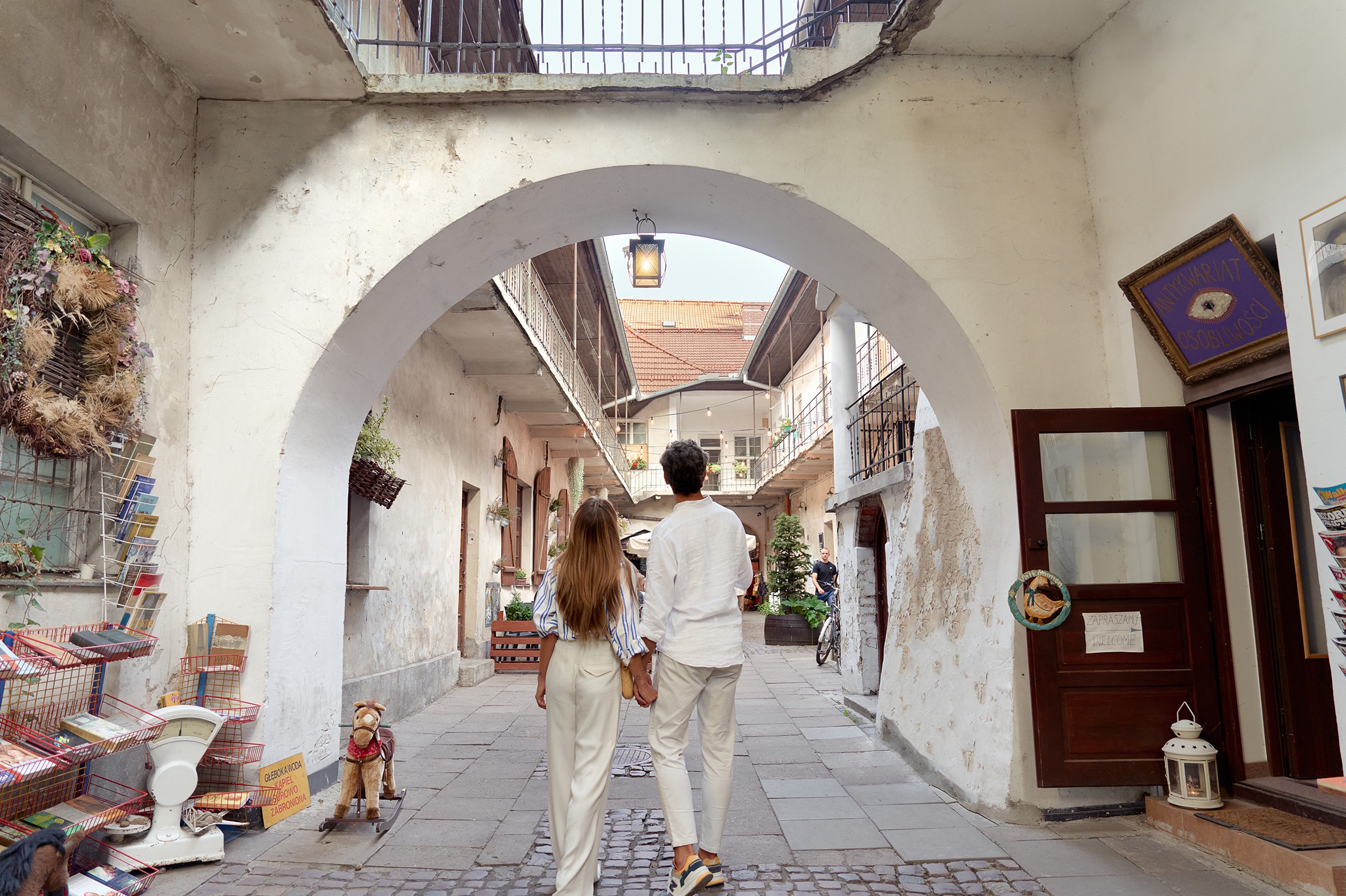
In Kraków, history thrives far beyond the boundaries of the Old Town. Kazimierz – once a separate city and now a vibrant district – preserves its rich Jewish heritage while hosting a wealth of cultural, artistic, and culinary events. Nearby lies Zabłocie, home to the modern MOCAK Museum of Contemporary Art and the Schindler’s Factory, which stands as both a poignant reminder of the tragic history of the Holocaust and a symbol of the city’s transformation.
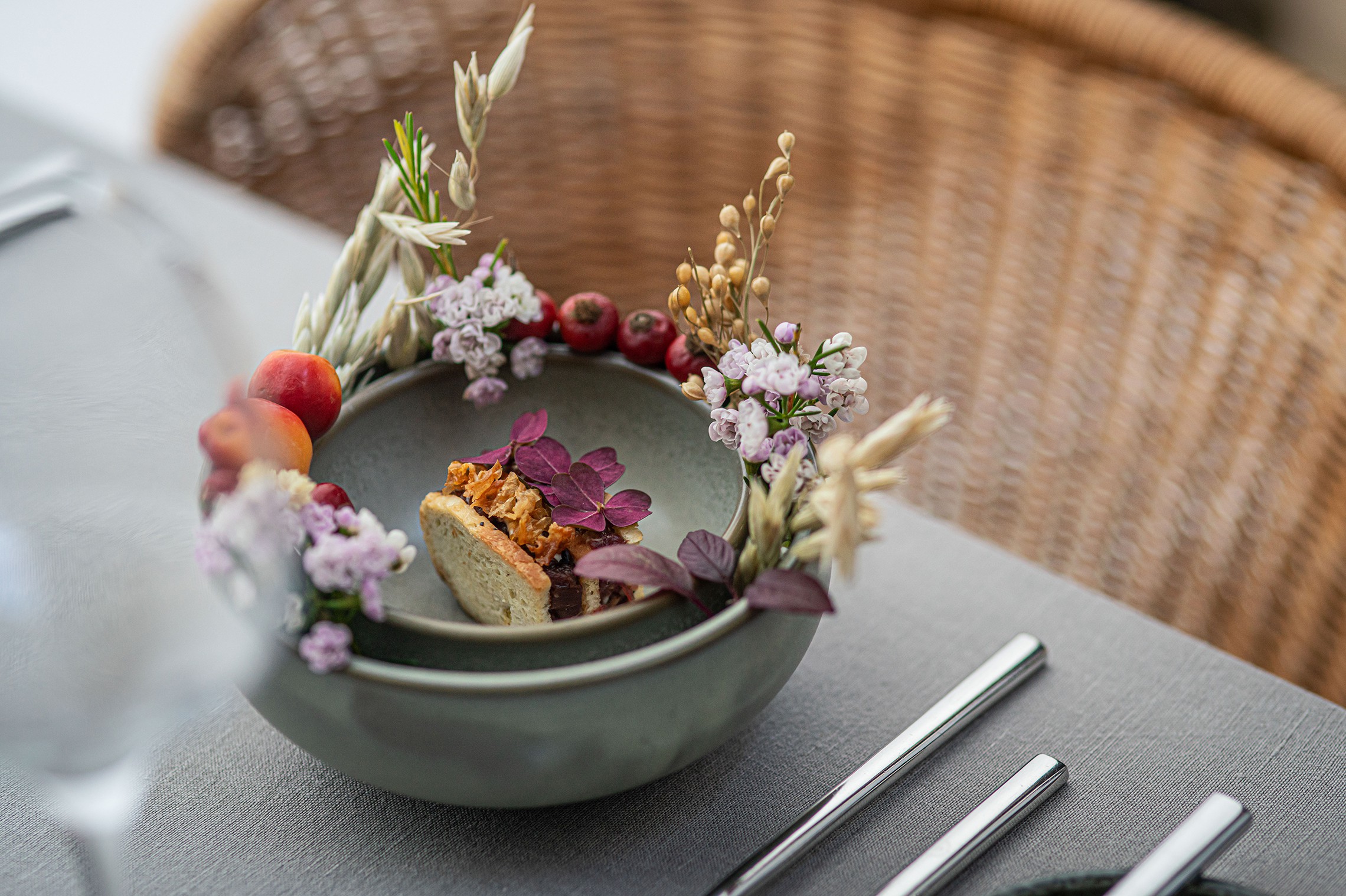
No visit to Kraków would be complete without indulging in its culinary treasures, a facet of the city that has long strengthened its status as one of Europe’s gastronomic capitals. From Michelin-recommended restaurants to charming bistros and eateries serving authentic regional cuisine, Kraków caters to the palates of every food lover. The city’s ever-evolving dining scene attracts both visitors and locals, who take pride in savouring the rich flavours offered by Kraków’s diverse establishments.
Kraków is a city where the treasures of history and culture come together, inspiring visitors to explore both its timeless landmarks and its contemporary artistic spaces. Its unique character, palpable in every corner, makes Kraków an essential destination for anyone travelling through Poland and a remarkable showcase of the country itself.