The most forested voivodship in Poland, rich in natural attractions with the Ujście Warty National Park at its forefront, also offers visitors the Mużakowski Park, which is listed as a UNESCO World Heritage Site. The voivodship has two capitals: Zielona Góra and Gorzów Wielkopolski.
Lubuskie Voivodship, located in the western part of Poland, is a region of exceptional natural, cultural, and historical value. Its unique character is highlighted by the fact that it has two capitals – Zielona Góra and Gorzów Wielkopolski. Additionally, it is the most forested voivodship in the country, which encourages the development of active, nature-based, and recreational tourism.
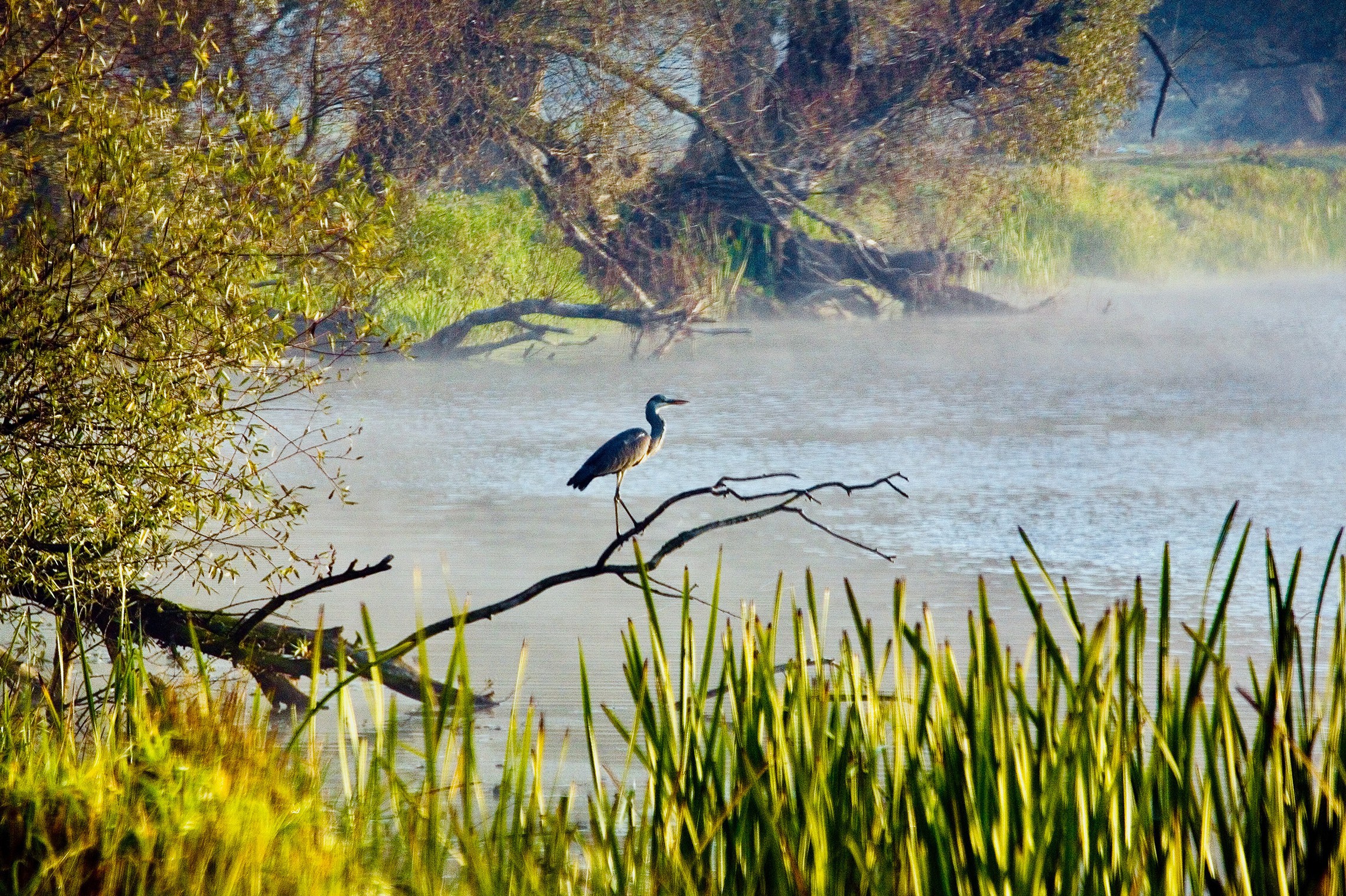
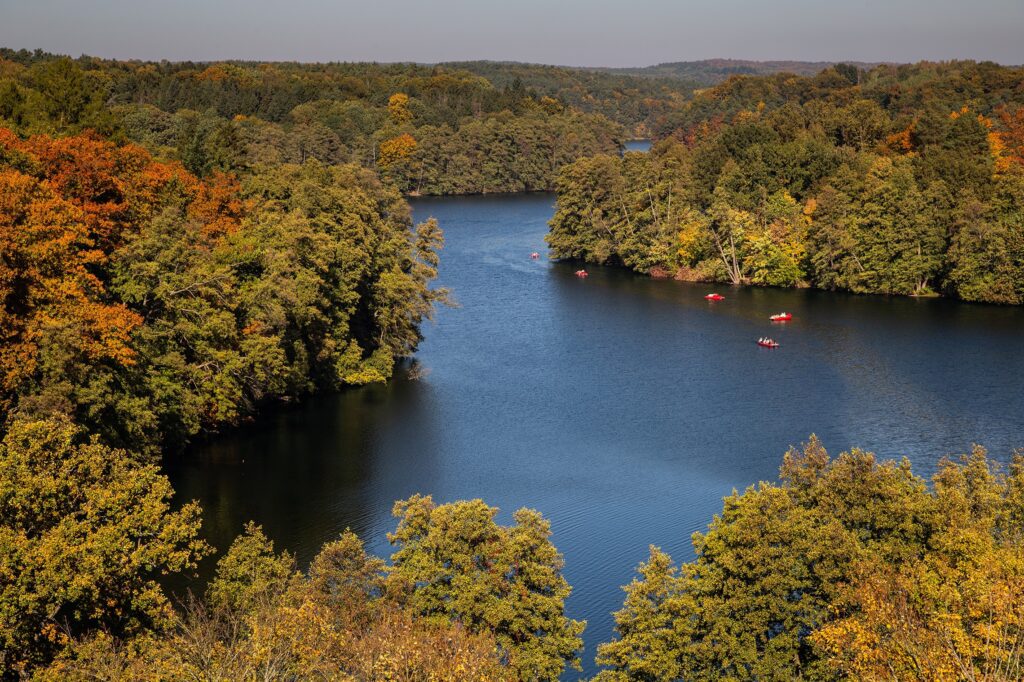
Lubuskie Voivodship is best known for its remarkable protected areas, first and foremost the Ujście Warty National Park – a true paradise for bird and nature enthusiasts. This unique haven of waterfowl, wetlands, and numerous rivers and lakes invites visitors to go hiking, observe wildlife, and enjoy activities such as kayaking and fishing. The region is traversed by rivers such as the Odra, Warta, Nysa, Bóbr, and Obra. At the same time, its picturesque lakes – the largest being Lake Sławskie – offer attractive opportunities for leisure and water sports. These areas are complemented by numerous landscape parks, including Barlinek-Gorzów, Łagów-Sulęcin, and Pszczew, which captivate visitors with their scenic landscapes, sacred and historical monuments, as well as cycling and hiking trails.
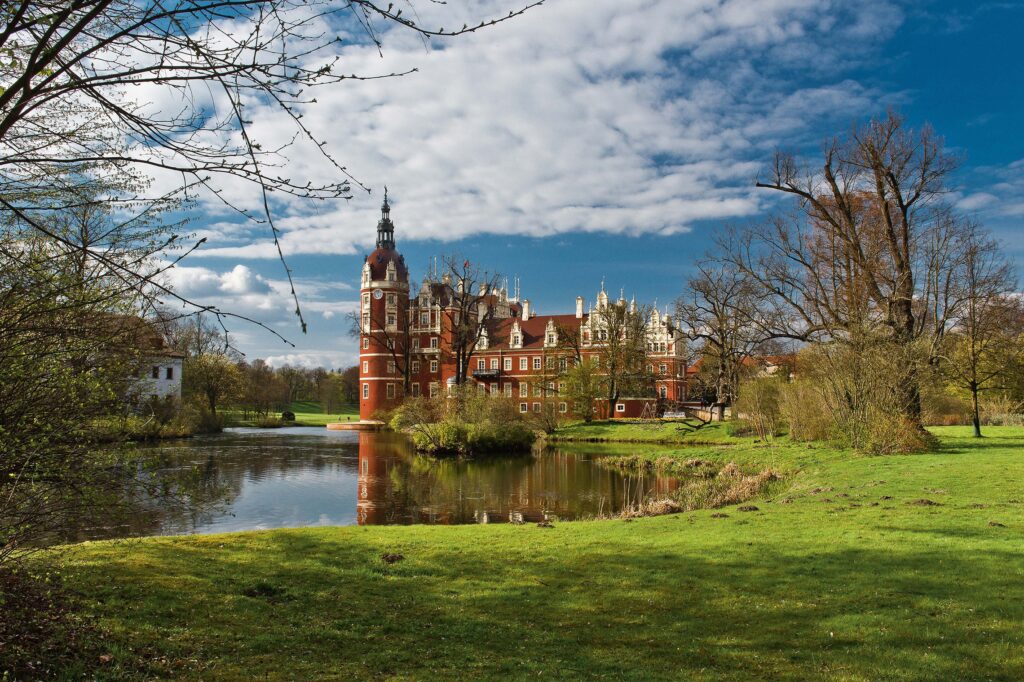
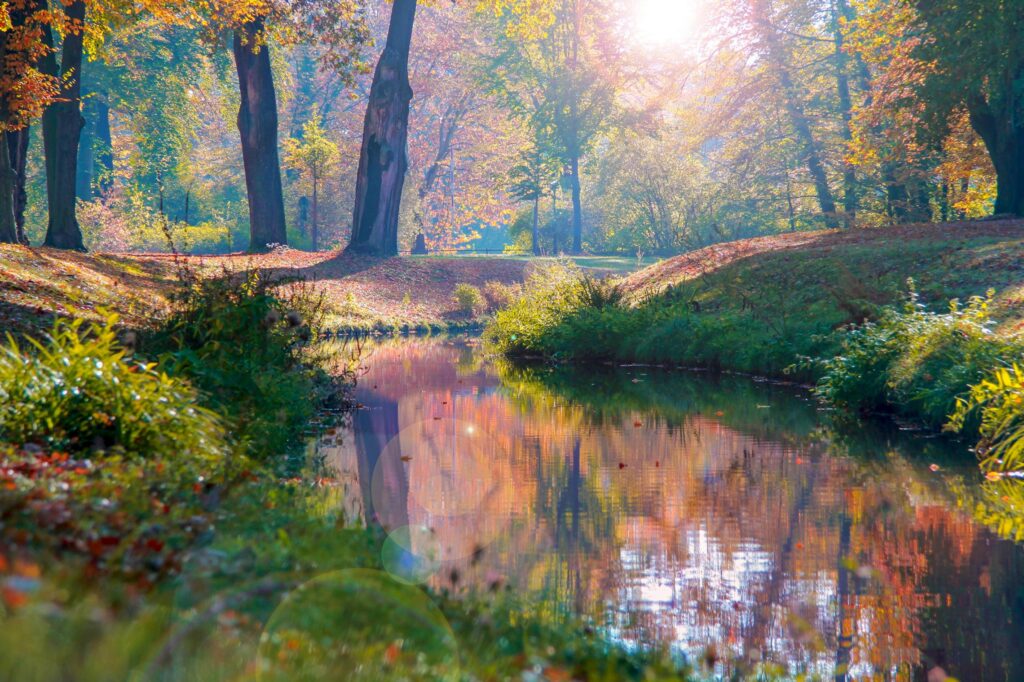
Mużakowski Park, a unique site of international importance, is inscribed on the UNESCO World Heritage List. Together with its adjacent German counterpart, it forms the largest landscape park in the English style in Poland and one of the largest in Europe. This impressive green space is a true gem of the region, offering a variety of hiking, cycling, and Nordic walking trails. Additionally, a geotourism route highlights unique water reservoirs formed in former lignite mines, making it an attractive destination for both geology and ecology enthusiasts.
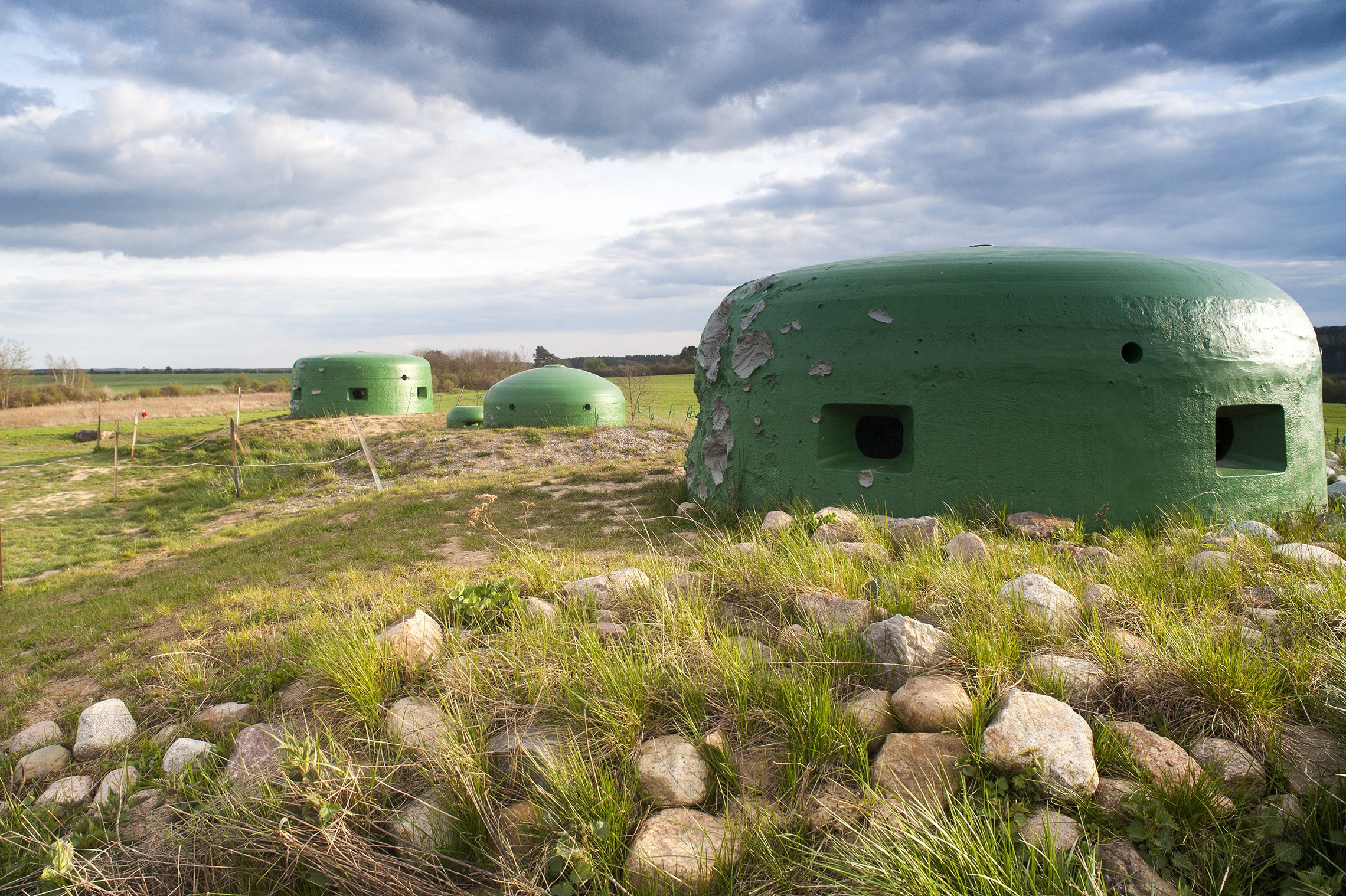
The voivodship is also distinguished by its rich historical and military heritage. A notable example is the Międzyrzecz Fortified Region, which features an extensive system of fortifications from World War II that is now open to visitors through guided tours. This site offers a unique blend of history and nature: in winter, it serves as a habitat for tens of thousands of bats, while in summer, it provides fascinating tours of underground bunkers.
Kostrzyn nad Odrą is another gem of the region, where the revitalised ruins of the Renaissance Old Town and fortress narrate the dramatic story of a city that has witnessed the turbulent history of Central Europe. The Kostrzyn Fortress Museum and numerous historical events attract many visitors interested in history and military culture.
When it comes to sacred heritage, Lubuskie Voivodship is equally impressive. Its most recognisable symbol is the Christ the King statue in Świebodzin – one of the tallest statues of Christ in the world, serving as a unique landmark and a destination for pilgrimages. The region also boasts valuable sacred monuments, such as the Baroque Cistercian Abbey in Gościkowo-Paradyż, which hosts the prestigious early music festival Music in Paradise, and the exceptional Wooden Churches Trail of the Kozioł Region, featuring sites of historical and artistic significance, including the oldest wooden church in Europe in Kosieczyn.
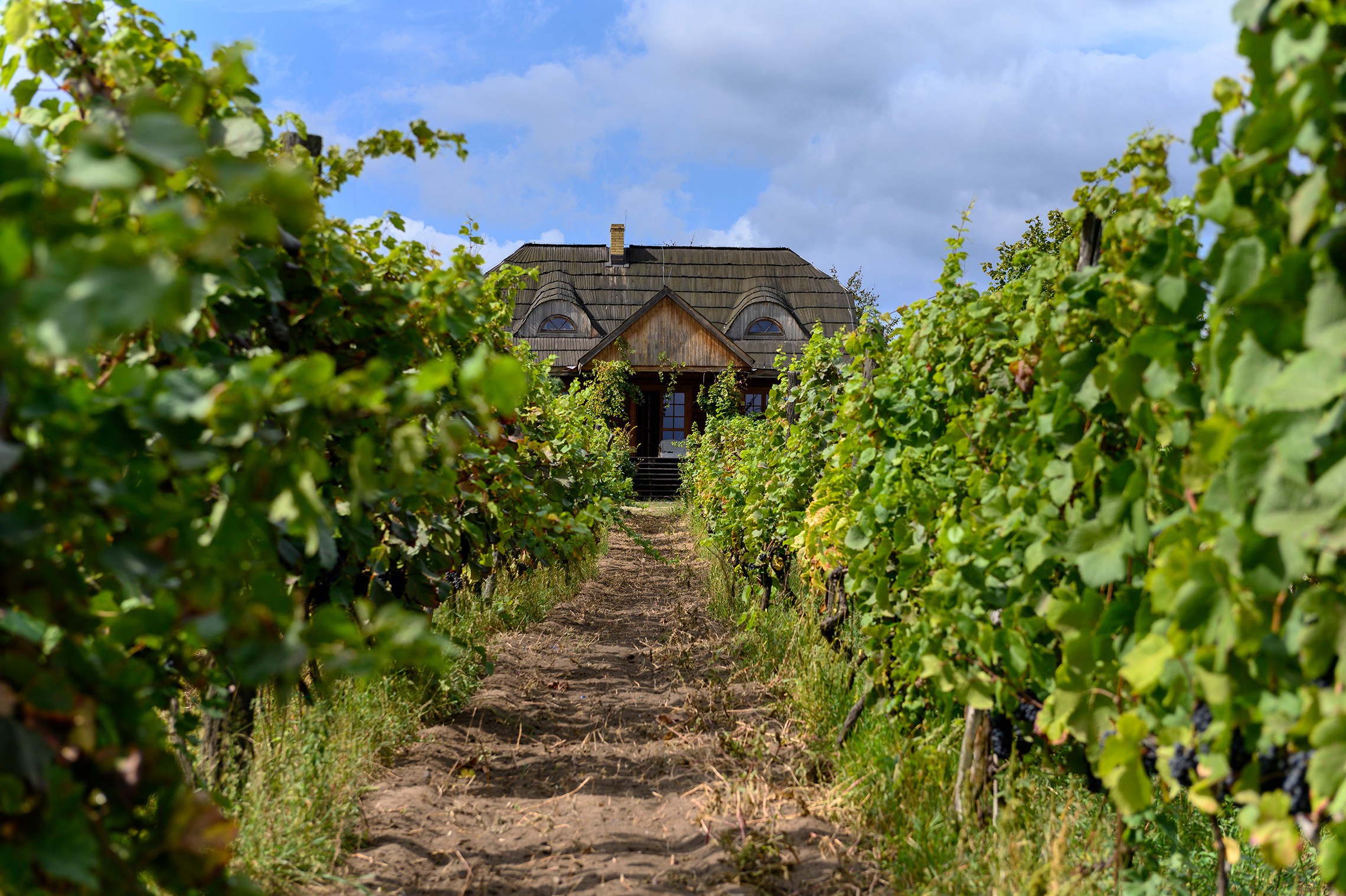
Lubuskie Voivodship is a wine-producing region known for its rich viticulture and winemaking traditions. Visitors can explore this heritage along various wine tourism routes, particularly the Lubusz Wine and Honey Trail. The region offers a delightful combination of local beverages and traditional cuisine, such as the famed Budachów pierogi, which enhances culinary tourism and agritourism. This makes Lubuskie an attractive destination for food enthusiasts and those seeking authentic cultural experiences. Numerous festivals and themed events, including the Young Wine Festival in Zbór, help to strengthen local identity and draw visitors from both Poland and abroad.
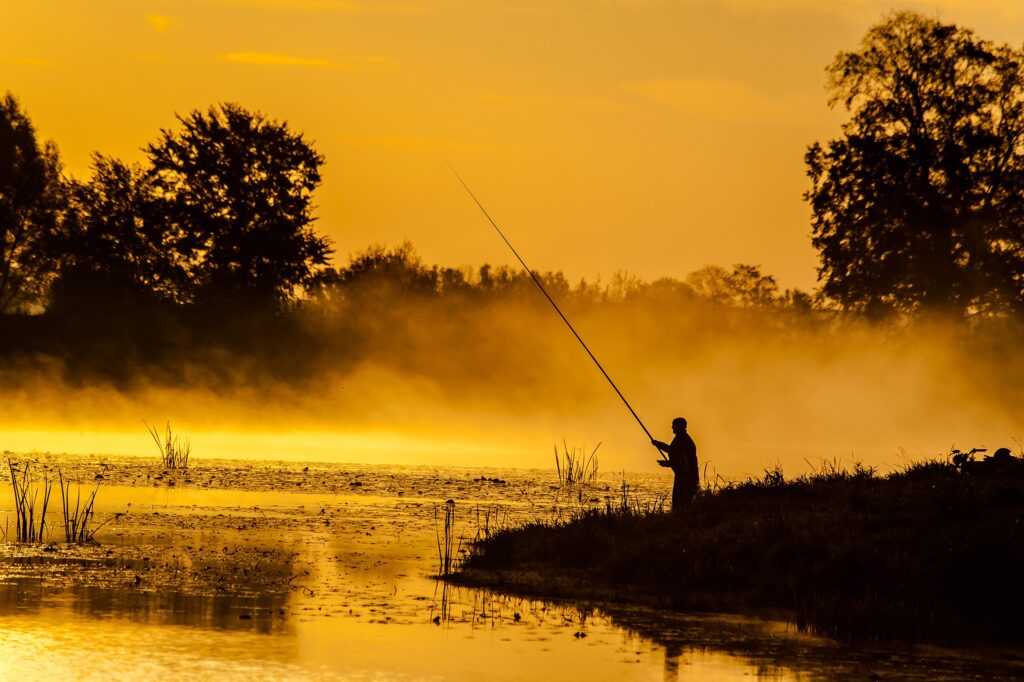
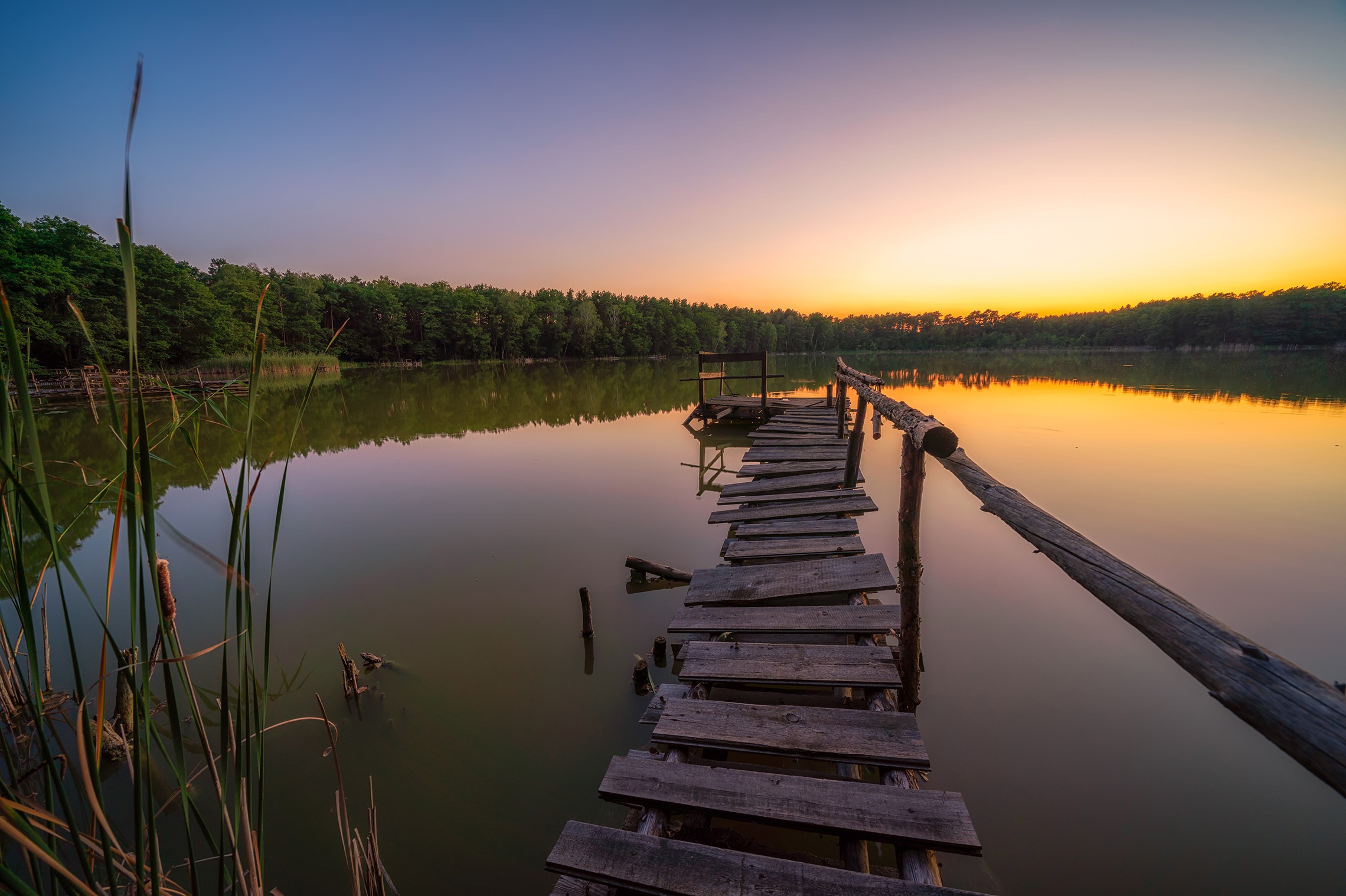
Lubuskie Voivodship offers a balance of active recreation and relaxation. Its beautiful forests, rivers, lakes, and charming parks provide ideal conditions for cycling, hiking, kayaking, and fishing. Nestled in one of Poland’s “green lungs,” the region boasts vast open spaces and a tranquil atmosphere, alongside a variety of cultural, historical, and natural attractions. These qualities make Lubuskie Voivodship a destination worth discovering for every traveller.
Regional capital
Zielona Góra, the capital of Lubuskie Voivodship, is a unique tourist destination that combines a rich cultural heritage with the distinctive character of a wine-producing region. The city, whose history dates back to the 14th century, has been renowned for its winemaking traditions for centuries, lending it a unique atmosphere that distinguishes it from other Polish urban centres. Known as the “wine capital”, Zielona Góra has a long history of cultivating viticulture, dating back to the Middle Ages. Today, it is experiencing a dynamic revival, bridging the gap between history and modernity.
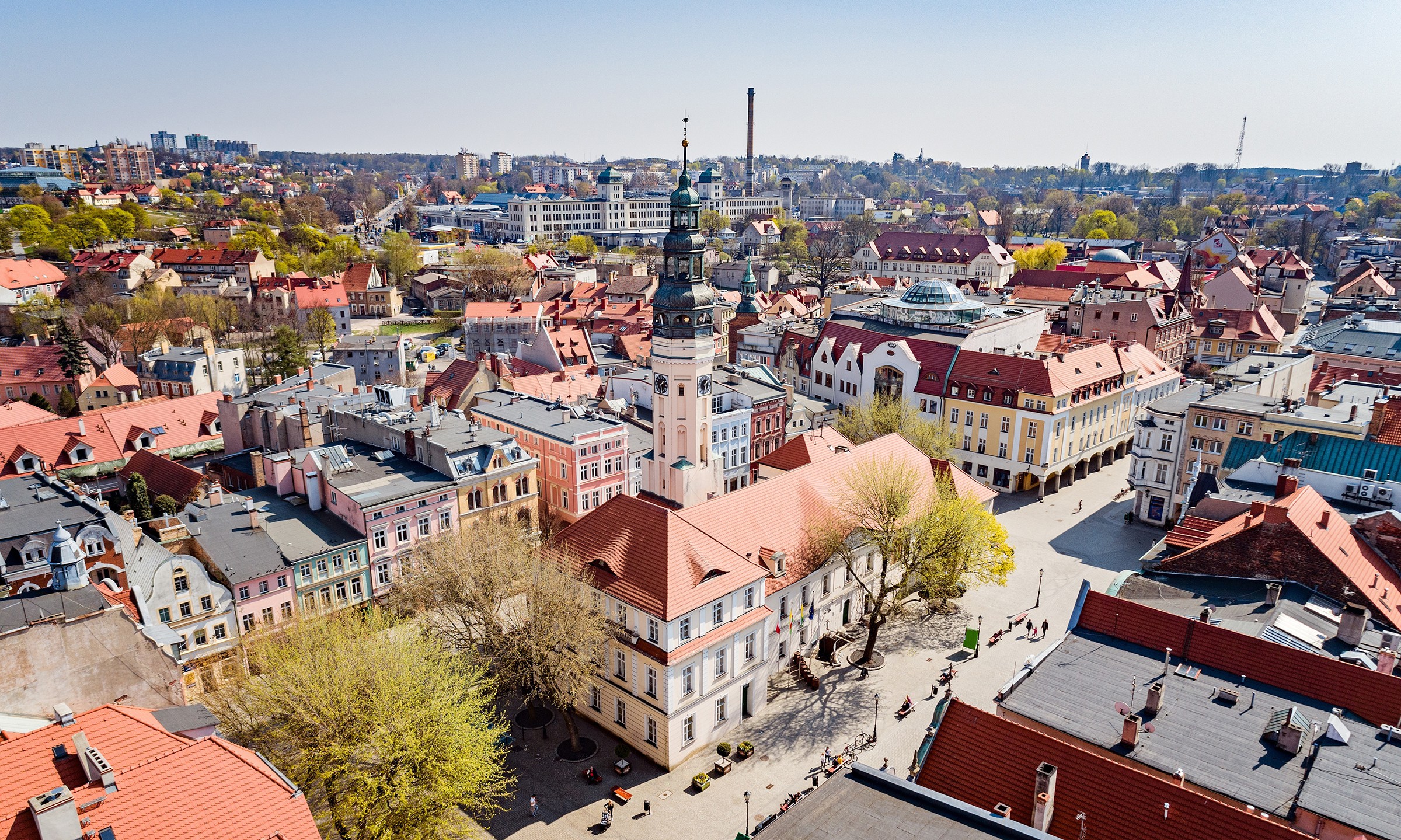
At the heart of the city’s tourist attractions is the Wine Museum, which exhibits a remarkable collection of artefacts related to the region’s centuries-old winemaking tradition – from presses and barrels to hand-operated crushers – offering visitors an engaging insight into the history of local wine production. Zielona Góra’s wine heritage is further enriched by its historic vineyard and Palm House – a modern glass structure combining the exotic charm of tropical vegetation with a 19th-century vintner’s house. Here, visitors can relax, enjoy panoramic views of the city from the viewing terrace, and sample local wines in the Wine Cellar on Wine Hill.
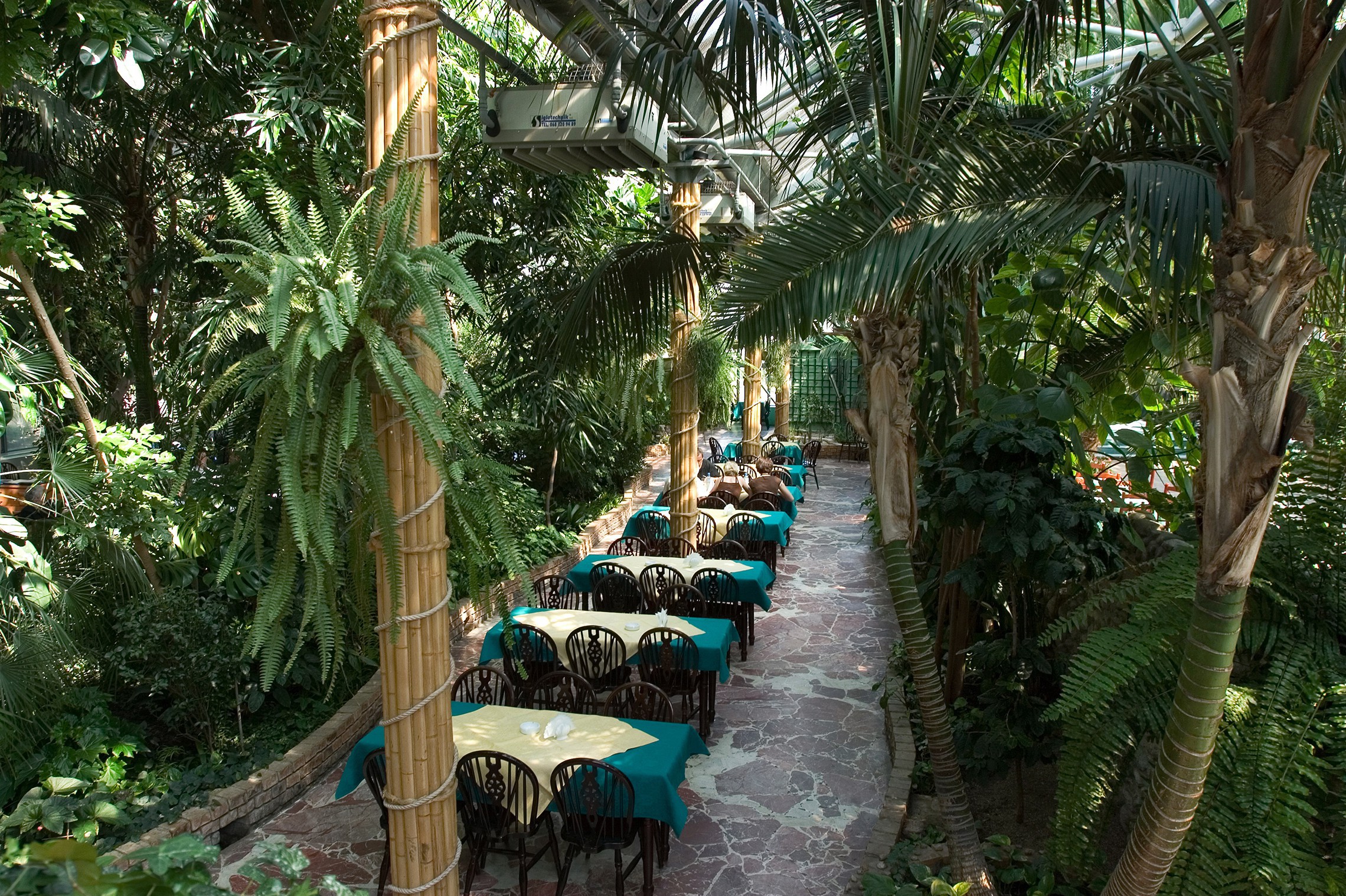
The city also offers numerous urban and cultural attractions that enrich its tourist appeal. One highlight is its charming promenade – one of the longest in Poland – lined with atmospheric cafés and restaurants, where visitors can follow the trail of over 70 Bacchusses figurines, local gnome-like characters symbolising the city’s winemaking tradition. The Old Market Square, with its historic Gothic co-cathedral of St. Hedwig, the Town Hall, and the remnants of medieval city walls, serves as a hub for cultural events, such as the annual Wine Fest – a wine and local culture festival that draws crowds of visitors. Sacred architecture, including the unique interiors of the Church of Our Lady of Częstochowa with its theatrical balconies, highlights the historical and artistic value of the city.
Zielona Góra is also an important centre for science and educational tourism, thanks to the Kepler Science Centre with its modern Venus Planetarium. Equipped with a globally unique movable dome, the planetarium offers spectacular shows and animations while promoting knowledge of astronomy and mathematics.
For lovers of active leisure, Zielona Góra offers a well-developed sports and recreation infrastructure – from modern cycling routes and Nordic walking trails to cruises on the Oder River, as well as a city bike system that allows convenient exploration of nearby attractions, such as the Zatonie Palace and Park, the Ethnographic Museum in Ochla, or the Botanical Garden with its scenic oxbow lake of the Oder.
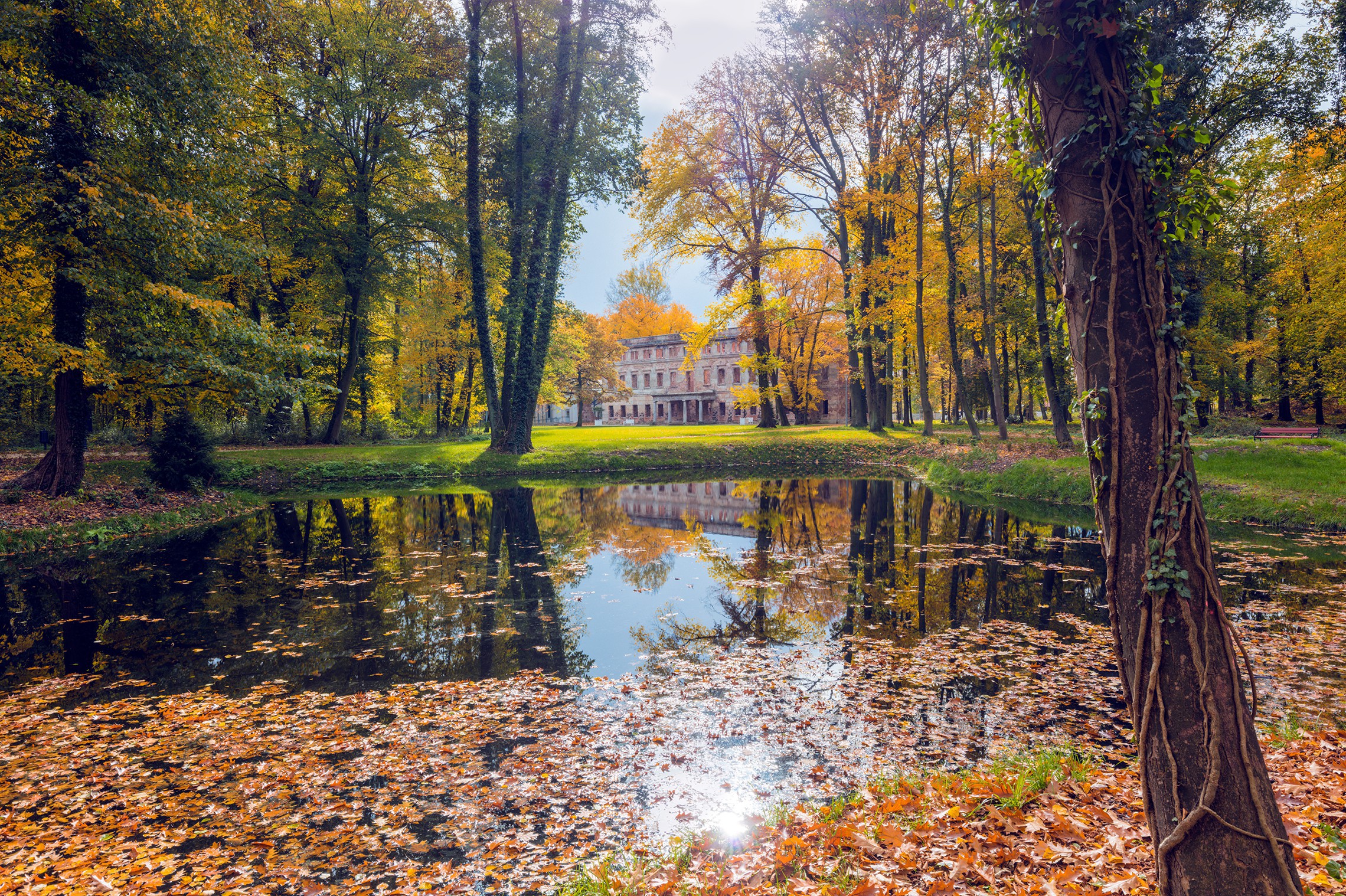
Zielona Góra is a unique blend of winemaking heritage, a rich cultural offering, and modern scientific and sports attractions.
Regional capital
Gorzów Wielkopolski, the second capital of Lubuskie Voivodship, is a city of unique character, combining a rich history with a vibrant cultural and sports life, making it an attractive tourist destination in Poland. Situated on the picturesque Warta River, Gorzów delights visitors with the spacious Bulwar Nadwarciański, which serves as the city’s green lungs and a recreational hub for both residents and tourists. Here, nature harmoniously blends with urban infrastructure – potted palms in summer, heated gazebos in winter, exotic birds in an aviary, and a cosy café aboard the historic ship “Królowa Jadwiga” create a relaxing riverside atmosphere. It is also worth taking a cruise on the historic icebreaker “Kuna”, one of the oldest operational vessels of its kind in Poland.
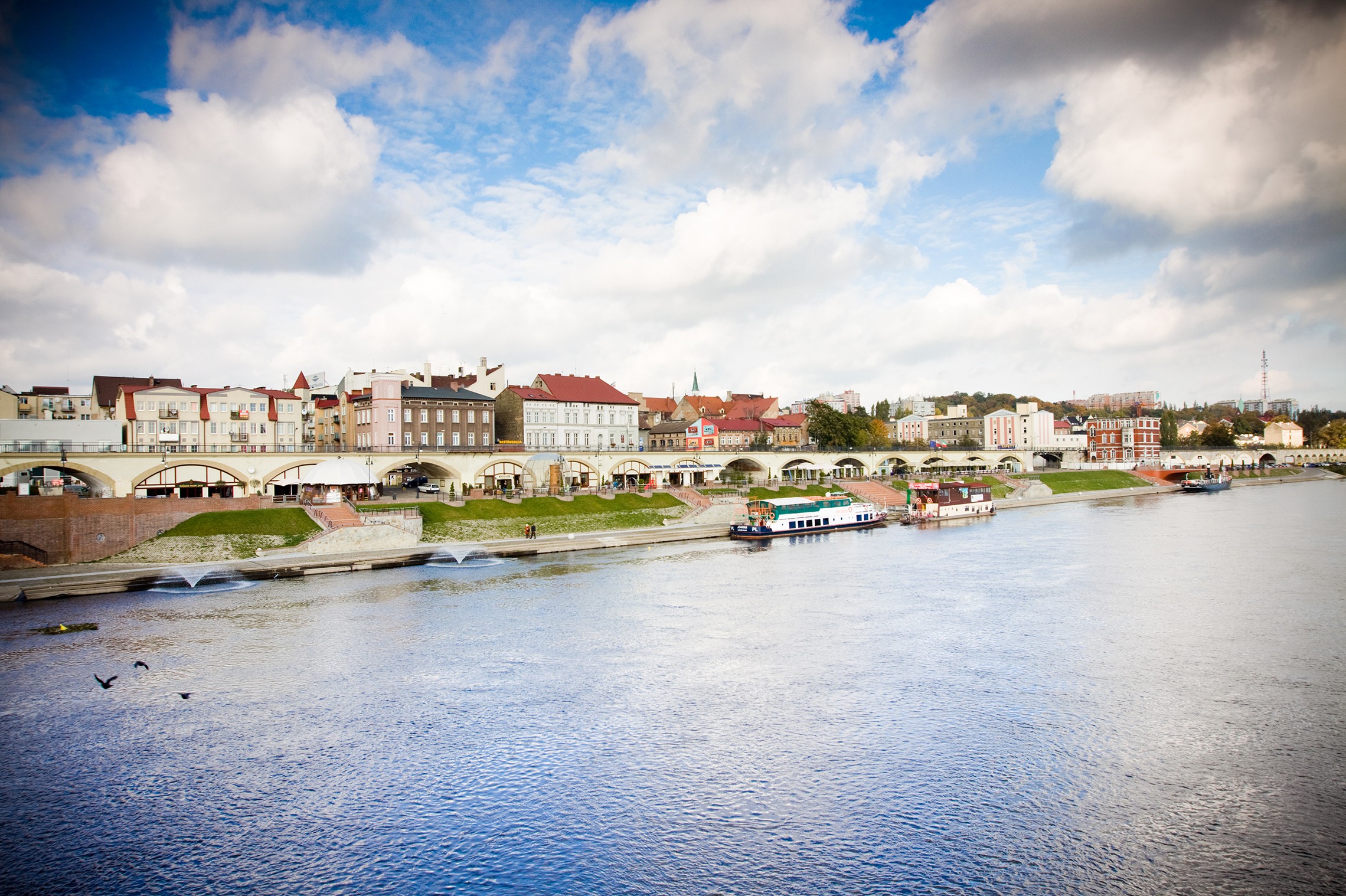
The history of Gorzów Wielkopolski dates back to the Middle Ages, and its architecture is particularly captivating for lovers of historic monuments and heritage. Alongside its Gothic legacy, the city also preserves traces of the Art Nouveau period, represented by buildings adorned with floral and animal motifs, as well as villas of former industrialists, such as the Max Bahr Villa and the Gustav Schroeder Villa. Additionally, the charming wooden Granary on the Warta, part of the Lubusz Museum, is also a notable feature. Museum exhibitions offer insights into the city’s history, its changing fortunes under various rulers, and the cultural and economic transformations of the region.
Gorzów is also an important cultural centre, where the theatrical and musical scene thrives, preserving traditions while inspiring new generations. The modern Gorzów Philharmonic, one of the most contemporary in Poland, impresses not only with its architecture but also with its acoustics and a rich concert program, including Chopin Picnics and numerous festivals.
The unique character of Gorzów Wielkopolski is highlighted by numerous monuments and “urban furniture” – artistic installations commemorating local figures and stories. Park Wiosny Ludów, also known as the Rose Park, is the green heart of the city, featuring a rose garden, old plane trees, and alleys perfect for strolls or kayaking. Among the sculptures, visitors can find a monument to the Romani poet Papusza and the famous local eccentric Szymon Gięty, whose stories form part of the city’s identity and reflect the social and cultural diversity of the region. Sports enthusiasts will find excitement at the Edward Jancarz Stadium – named after the legendary Polish speedway rider – which hosts spectacular competitions attracting large crowds of fans.
Gorzów Wielkopolski offers a comprehensive tourist experience – from historical and cultural attractions to welcoming recreational spaces and nationally and internationally recognised sporting and musical events. It is a city that inspires and delights, making it an important destination on Poland’s tourism map.